

The most arresting treasures of the high desert aren't always the vibrant blues of a summer sky. Sometimes, the most profound beauty is found in the quiet, chocolate-hued patterns of a stone that mirrors the dappled coat of a mustang. You likely appreciate the raw, organic allure of Southwestern jewelry, yet you might find yourself hesitant to invest when the market is crowded with imitations and confusing terminology. Understanding Wild Horse Stone Jewelry: What It Is and How to Wear It begins with a deep respect for the Earth's own artistry.
We understand the desire for a piece that feels both grounded and sophisticated. In this guide, we'll explore the geological origins of this rare Arizona magnesite and provide professional styling techniques for these hand-cut cabochons. You'll learn to distinguish genuine stones from White Buffalo or dyed imitations. We'll also share practical advice for caring for your sterling silver (.925) settings. By the end, you'll have the creative confidence to layer these bold matrix patterns into your daily rotation.
Key Takeaways
- Understand the geological identity of Wild Horse as a rare combination of magnesite and hematite found exclusively near the Gila Wilderness in Arizona.
- Master the nuances of Wild Horse Stone Jewelry: What It Is and How to Wear It by pairing its earthy chocolate matrix with both modern neutrals and traditional Southwestern styles.
- Learn to distinguish genuine Wild Horse from White Buffalo by identifying the specific brown hematite matrix rather than the black calcite found in other stones.
- Discover professional styling tips for showcasing hand-cut cabochons set in durable, artisan-made sterling silver (.925) for a sophisticated look.
- Acquire practical maintenance knowledge to protect soft magnesite stones from damage by avoiding harsh chemicals and ultrasonic cleaning machines.
What is Wild Horse Stone and Where Does It Come From?
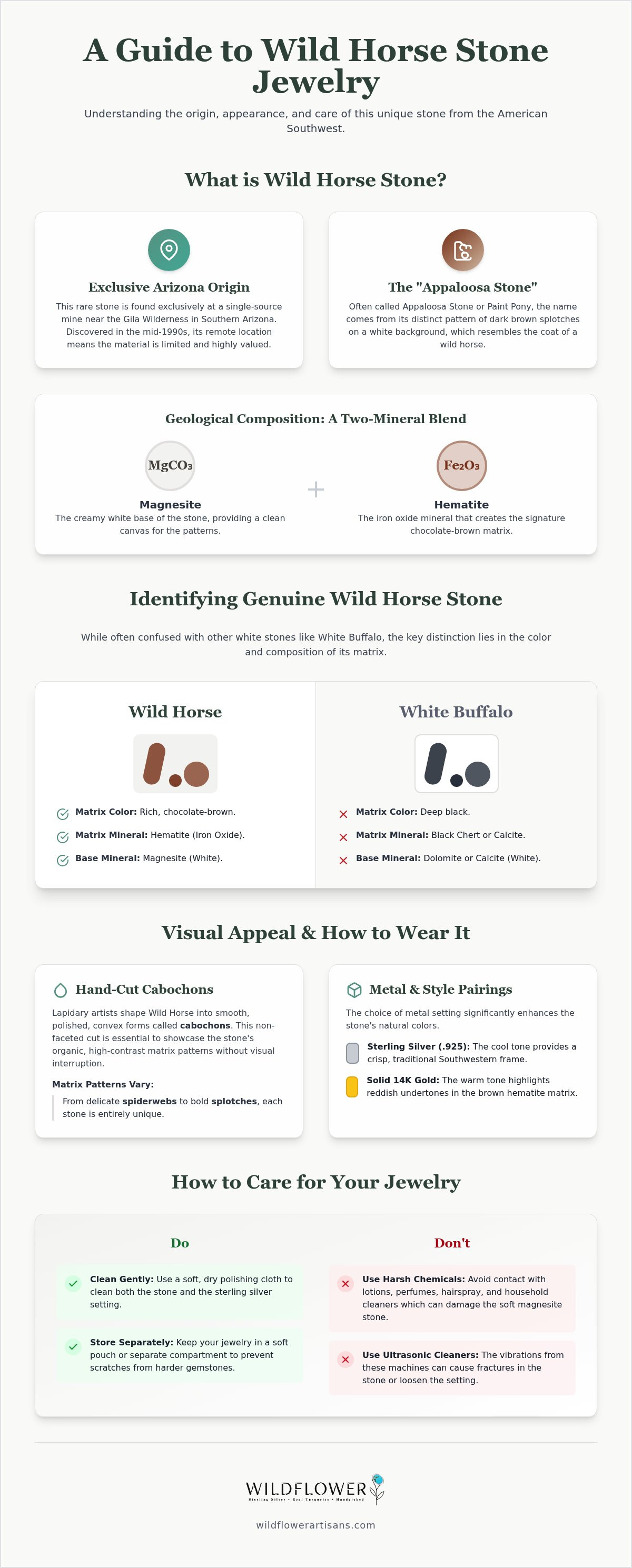
Wild Horse stone is a rare geological combination of white magnesite and brown hematite matrix found exclusively near the Gila Wilderness in southern Arizona. It is not a variety of turquoise, though it is frequently discovered in the same mineral-rich regions and is prized for its high-contrast, paint pony appearance. When you're learning about Wild Horse Stone Jewelry: What It Is and How to Wear It, the first thing to understand is that this stone is a distinct mineral species. The deposit sits near Globe, Arizona. The material is often referred to as Appaloosa Stone because the dark brown splotches against the white background mimic the coat of a wild horse.
The Geology of Magnesite and Hematite
The visual depth of this stone is the result of two minerals forming together over millions of years to create a high-contrast pattern. The bright, creamy white base is Magnesite, a magnesium carbonate mineral that provides a clean canvas for the patterns. This white field is laced with a matrix of hematite, which is an iron oxide mineral that produces the characteristic chocolate-brown webbing. This combination is tough enough to be hand-cut into smooth cabochons for rings and pendants. While magnesite is somewhat soft on its own, the dense hematite matrix provides structural integrity. This makes the stone durable enough for daily wear when set in a protective sterling silver (.925) mounting.
History of the Wild Horse Mine
The Wild Horse mine is a single-source deposit discovered in the mid-1990s that requires miners to hike material out by hand. Because of this remote location, the stone remains a limited-production material used primarily by boutique studios like Wildflower Artisans. You can learn more about the specific history of the site on our Wild Horse stone origins page. Since its discovery, the stone has become a staple in Southwestern style jewelry because it offers a sophisticated, neutral alternative to traditional blue stones. Wildflower values it for its ability to stand out in a heavy sterling silver (.925) bezel, providing a bold look that remains grounded in the colors of the desert floor. Understanding the history of the mine helps you appreciate why Wild Horse Stone Jewelry: What It Is and How to Wear It is more than just a fashion choice. It is a connection to a specific, remote corner of the Arizona wilderness.
The Visual Appeal of Hand-Cut Wild Horse Cabochons
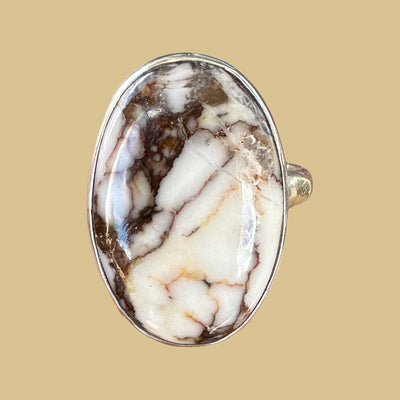
The visual appeal of Wild Horse Stone Jewelry: What It Is and How to Wear It rests on the high-contrast relationship between white magnesite and its chocolate-brown hematite matrix. To showcase these patterns, lapidary artists typically shape the material into smooth, polished cabochons. A cabochon is a gemstone that has been shaped and polished into a rounded, convex form rather than being cut with facets. For a stone defined by its organic patterns, this smooth surface is essential. It allows the rich, earthy tones to take center stage without the visual interruption of light-reflecting angles. High-quality pieces should feature a glass-like polish that is entirely free of pits or surface irregularities.
Understanding the Matrix Patterns
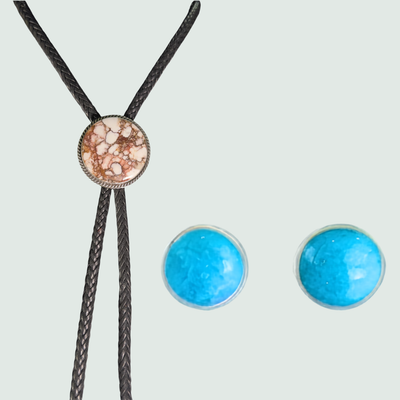
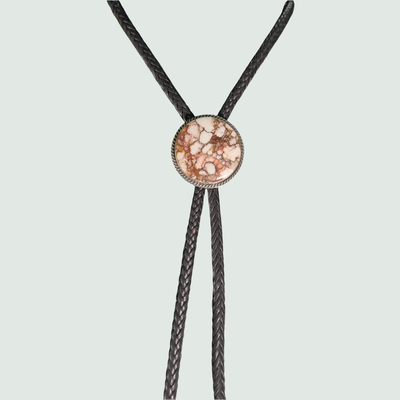
In the world of semi-precious stones, the matrix refers to the host rock or secondary mineral that threads through the primary stone. For Wild Horse, the matrix is composed of hematite, which creates a striking contrast against the white magnesite base. This matrix can range from thin, delicate spiderwebs to large, bold splotches of deep brown. Unlike other white stones that feature a black matrix, the distinct chocolate-brown hue of Wild Horse is its primary identifying feature. A jeweler selects each stone based on how these patterns interact with the shape of the setting. Some pieces prioritize a vast white field with minimal webbing, while others celebrate a dense, high-contrast pattern. Because these are natural formations, every hand-cut stone is unique. You'll never find two pieces with the exact same distribution of color.
Settings and Metal Pairings
The choice of metal significantly impacts how the stone's colors are perceived. Sterling silver (.925) is the most traditional pairing for Southwestern style jewelry. The cool, bright tone of silver provides a crisp frame for the warm browns of the stone. For those who prefer a richer look, solid 14K gold bezels are an excellent choice. A bezel is the thin strip of metal that wraps entirely around the edge of the stone to hold it in place. Using gold for the bezel can highlight the reddish undertones in the hematite matrix, creating a more cohesive feel. Beyond aesthetics, the bezel setting is a practical choice for magnesite. It protects the edges of the cabochon from accidental bumps, ensuring the jewelry remains a durable part of your collection. If you're looking for a versatile addition to your wardrobe, you can browse our complete artisan collection to see how different metals complement various stones.
Our studio focuses on sourcing stones with the most striking patterns for our permanent collections. You can explore our current selection of Wild Horse magnesite jewelry to find a piece that speaks to your personal style.
How to Wear and Style Wild Horse Jewelry for Every Occasion
Wild Horse jewelry is a sophisticated neutral that functions as a versatile anchor for both modern and traditional wardrobes. Because of its earthy chocolate matrix and crisp white base, it coordinates with almost any color palette while providing a more subtle look than bright blue stones. When you're considering Wild Horse Stone Jewelry: What It Is and How to Wear It, think of these pieces as bridge elements. If you often struggle to mix silver and gold, the warm brown hematite matrix provides a natural visual link to gold jewelry, while the sterling silver (.925) setting ties in your silver collection. Large, hand-cut statement rings are particularly effective when worn alone as a singular focal point to avoid cluttering the hand.
Daily Wear with Everyday Essentials
Pairing your jewelry with Everyday Essentials is the simplest way to integrate these stones into your life. A pair of Wild Horse studs or a small pendant looks grounded when worn with denim and a crisp white linen shirt. The brown tones in the matrix naturally complement leather accessories such as boots or belts, creating a cohesive look without appearing over-styled. For rings, try stacking a Wild Horse cabochon with simple sterling silver bands to add texture without overwhelming your outfit. These pieces are durable enough for a trip to the market or a day in the studio, provided you follow basic care guidelines.
Creating a Layered Southwestern Look
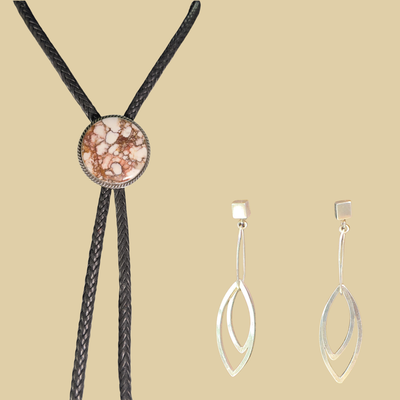
To achieve a more traditional aesthetic, you can layer a Wild Horse pendant with turquoise jewelry for a high-contrast blue and white appearance. This combination is a classic choice for Southwestern style enthusiasts who want to break up a monochrome turquoise set. You might also consider combining a wide Wild Horse cuff with smaller sterling silver bangles from our cuffs and bangles collection to create a varied stack. Incorporating other natural stones like black onyx or lapis lazuli adds depth to a multi-stone stack, allowing the creamy white of the magnesite to pop against darker gems. This layering technique allows you to customize your look based on the season or the occasion, making your Wild Horse pieces a hard-working part of your jewelry box.
Identifying Authentic Wild Horse vs. White Buffalo
Identifying genuine Wild Horse requires a keen eye for the specific colors found in the matrix, which is the host rock that threads through the primary mineral. While both are prized in Southwestern style jewelry, Wild Horse is geologically composed of magnesite with a brown hematite matrix, whereas White Buffalo is a distinct combination of calcite and aragonite featuring a black matrix. Understanding Wild Horse Stone Jewelry: What It Is and How to Wear It involves recognizing these subtle but vital differences in mineral composition. If you're looking for a stone that mirrors the warm, sun-drenched colors of the Arizona desert, you'll want to ensure the matrix is distinctly brown rather than black.
Color and Matrix Distinctions
The most reliable way to tell these stones apart is by examining the hue of the webbing. Wild Horse stone will always feature shades of brown, tan, or reddish-brown. These earthy tones are the signature of hematite, the iron oxide mineral that creates the pattern. In contrast, White Buffalo jewelry features ink-black or very dark grey patterns caused by carbon and manganese. When you're shopping for artisan-made pieces, you should also be wary of howlite. This mineral is often sold as an imitation magnesite. Howlite usually has a grey, fuzzy matrix that often looks repetitive or printed rather than having the organic, irregular flow of a natural stone. Authentic magnesite should have a crisp, clear boundary between the white base and the matrix splotches.
Beyond the stone itself, the setting tells a story about the piece's quality. Genuine handcrafted jewelry is almost always set in sterling silver (.925) or solid 14K gold. You should always look for the .925 stamp on the back of the pendant or the inside of the ring shank. This mark is your assurance that the metal is high-quality silver and not a plated base metal. In our studio, we use heavy-gauge sterling silver (.925) to ensure the bezel remains secure around the stone for years of wear. A bezel is the thin strip of metal that wraps entirely around the edge of the stone to hold it in place. A well-made setting is just as important as the stone it holds.
The Myth of White Turquoise
You'll frequently encounter the term white turquoise in jewelry circles, but it's important to understand that this is a marketing label rather than a geological reality. To be scientifically classified as turquoise, a mineral must contain copper, which provides the blue color, or iron, which results in green. Since magnesite lacks these specific elements, it's geologically impossible for it to be turquoise. We prefer to frame magnesite as a respected artisan choice in its own right. It isn't a substitute for turquoise; it's a unique material with a distinct history and visual character. You can find more details on these geological distinctions on our White Buffalo origins page. Appreciating Wild Horse Stone Jewelry: What It Is and How to Wear It means valuing the stone for its own desert-born identity.
Selecting a stone that fits your wardrobe is a personal process that starts with choosing authentic materials. You can explore our full range of White Buffalo stone jewelry to see the striking contrast of black and white for yourself.
How to Care for and Clean Your Handcrafted Pieces
Magnesite is a relatively soft stone that requires gentle cleaning with a damp cloth and avoidance of all chemical or ultrasonic cleaners. Proper storage in a soft pouch protects the sterling silver (.925) from tarnish and the stone from physical scratches. When you're learning about Wild Horse Stone Jewelry: What It Is and How to Wear It, maintenance is just as important as the initial selection. We recommend wiping your stone with a damp, soft cloth after each use to remove skin oils or dust. Avoid all steam cleaners and ultrasonic machines. These can penetrate the porous surface of the magnesite or damage the delicate hematite matrix.
Safe Cleaning Methods for Sterling Silver
The sterling silver (.925) used in our studio will naturally develop a patina over time. To restore its original luster, use a dedicated silver polishing cloth specifically on the metal portions of your jewelry. Be careful not to touch the stone directly with polishing compounds, as the grit can be abrasive to the soft magnesite surface. If your jewelry needs a deeper clean, mild dish soap and lukewarm water are the only recommended liquids. Always dry the piece thoroughly with a lint-free cloth before storing it. We suggest keeping your Wild Horse jewelry in a soft individual pouch to prevent it from rubbing against harder gemstones in your collection.
Long-Term Preservation Tips
Preserving the integrity of your hand-cut cabochons involves simple daily habits. Always remove your Wild Horse rings before engaging in heavy manual labor or using household cleaning chemicals. It's also a good practice to put your jewelry on last, after you've applied hairspray, perfume, and lotions. These substances can discolor the stone or weaken the silver over time. Periodically check the bezel setting by gently pressing on the edge of the stone with your thumb. If you feel any movement, the setting may need to be tightened by a professional. Following these practical steps ensures your handcrafted artisan jewelry remains in gallery-quality condition for years to come.
Curate Your Artisan Jewelry Collection
Wild Horse stone captures the rugged spirit of the Arizona desert, offering a sophisticated alternative to traditional turquoise. By mastering the details of Wild Horse Stone Jewelry: What It Is and How to Wear It, you've gained the knowledge to identify genuine magnesite and style its earthy hematite matrix with confidence. These pieces bridge the gap between silver and gold. They serve as a versatile anchor for any jewelry box. Our Santa Fe studio specializes in hand-cut cabochons set in solid .925 sterling silver to ensure each piece is a durable work of art that honors the stone's natural narrative.
Protecting your investment is simple with the right habits. Gentle cleaning and mindful storage ensure that your artisan-made jewelry remains as striking as the day it was created. We offer national shipping on all our treasures, bringing a piece of the high desert directly to your door.
We look forward to helping you find a piece that resonates with your personal style. Each selection is a unique vessel for the fleeting beauty of the natural world and a celebration of grounded, intentional craftsmanship that you can wear every day.
Frequently Asked Questions
Is Wild Horse stone the same as White Buffalo?
Wild Horse stone and White Buffalo are distinct minerals with different geological signatures. Wild Horse is a combination of white magnesite and a brown hematite matrix, which creates its characteristic chocolate splotches. White Buffalo is a rare blend of calcite and aragonite featuring an ink-black matrix. While both are prized in Southwestern style jewelry for their high-contrast appearance, they belong to different mineral families and offer unique color palettes for your collection.
How can I tell if my Wild Horse jewelry is real?
Authentic Wild Horse jewelry features a natural, irregular matrix that varies in depth and color across the surface of the cabochon. Genuine magnesite should feel cool to the touch and possess a glass-like polish without surface pits. When you're evaluating Wild Horse Stone Jewelry: What It Is and How to Wear It, check the setting for a .925 stamp. This mark confirms the piece is set in genuine sterling silver rather than a plated base metal.
Does Wild Horse stone change color over time?
Magnesite is a geologically stable mineral that doesn't naturally shift in color like some varieties of turquoise. However, because it's a porous stone, it can absorb skin oils, perfumes, or household chemicals if it isn't handled with care. These substances may eventually dull the bright white surface or darken the matrix. Wiping the stone with a soft, damp cloth after each use helps preserve its original desert-born clarity and prevents environmental buildup.
What is the best way to clean my Wild Horse ring?
The best way to clean your ring is to use a soft, damp cloth for the stone and a dedicated silver polishing cloth for the sterling silver (.925) setting. You should avoid all harsh chemicals, steam cleaners, and ultrasonic machines, as these can damage the delicate hematite matrix. For a deeper clean, mild soap and lukewarm water are safe. Always ensure the piece is dried thoroughly before storing it in a soft pouch to prevent tarnish.
Can Wild Horse stone be set in 14K gold?
Solid 14K gold is a beautiful choice for setting Wild Horse magnesite. The warm, yellow tones of the gold naturally highlight the deep chocolate hues of the hematite matrix, creating a cohesive and sophisticated look. While sterling silver (.925) is more traditional, a gold bezel provides a refined frame that emphasizes the stone's organic patterns. This pairing makes the jewelry a versatile bridge piece that coordinates effortlessly with both silver and gold accessories.
Article by
Kimberly Cordova
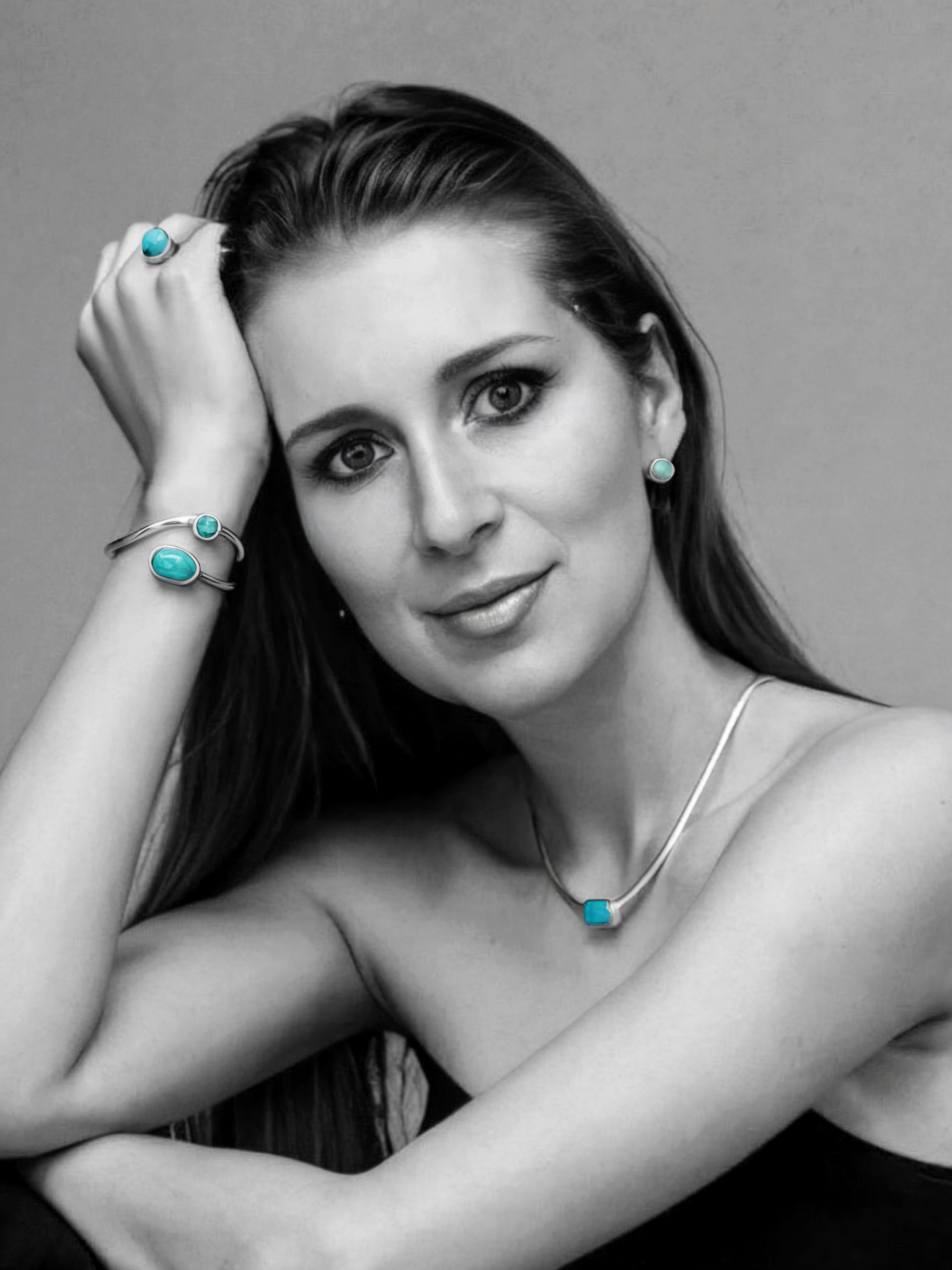
Kimberly Cordova is the founder and creative director of Wildflower Artisans, a handmade jewelry brand rooted in Santa Fe. Real turquoise, solid sterling silver, and a small line set in solid 14K gold. She built Wildflower around a simple belief: the best jewelry is the kind you actually reach for, not the kind you save for someday.
The collection is built three ways. Some pieces are made in-house, cut by her husband Greg from stones he sources himself, including rough from the family's King's Manassa Mine in Colorado and White Buffalo Mine in Nevada. Some are designed by Kimberly and fabricated by a trusted circle of Santa Fe silversmiths. And some are finished work she curates from artisan makers whose craft meets the same standard, because building a real collection means knowing when to make and when to look.
Turquoise leads, joined by White Buffalo, Wild Horse, Lapis Lazuli, Spiny Oyster, Black Onyx, Opal, and other genuine semi-precious stones. No shortcuts on the stone, the silver, or the story behind either.
Her writing covers everything she has learned along the way: how turquoise forms, how to tell natural from stabilized, what makes one mine different from another, how to read a bezel, and how to shop with confidence in a market that is not always straightforward. It is the kind of plainspoken information she wished someone had laid out for her when she was starting out.
Browse the collection at wildflowerartisans.com. Questions about a stone, a setting, or a specific piece are welcome any time.
0 comments