

What if the celestial blue stone you've been admiring is little more than dyed marble masquerading as a piece of ancient history? It's a common worry when you're searching for authentic lapis lazuli jewelry, especially as the market fills with synthetic imitations that lack the soul of a natural stone. We understand the hesitation that comes with choosing a piece meant to be a vessel for emotion. You want the deep, midnight blue and the subtle shimmer of golden pyrite, not a mass-produced item that feels hollow or artificial.
At Wildflower Artisans, we believe that every hand-cut cabochon tells a story of the earth, and we want to help you read those chapters with confidence. In this guide, you'll learn how to evaluate the quality of natural stones and choose handcrafted sterling silver (.925) or solid 14K gold settings that highlight their unique character. Wildflower explores the practical side of owning these stones, including durability and maintenance requirements, so you can support independent artisan studios while finding a piece that resonates with your own personal narrative.
Key Takeaways
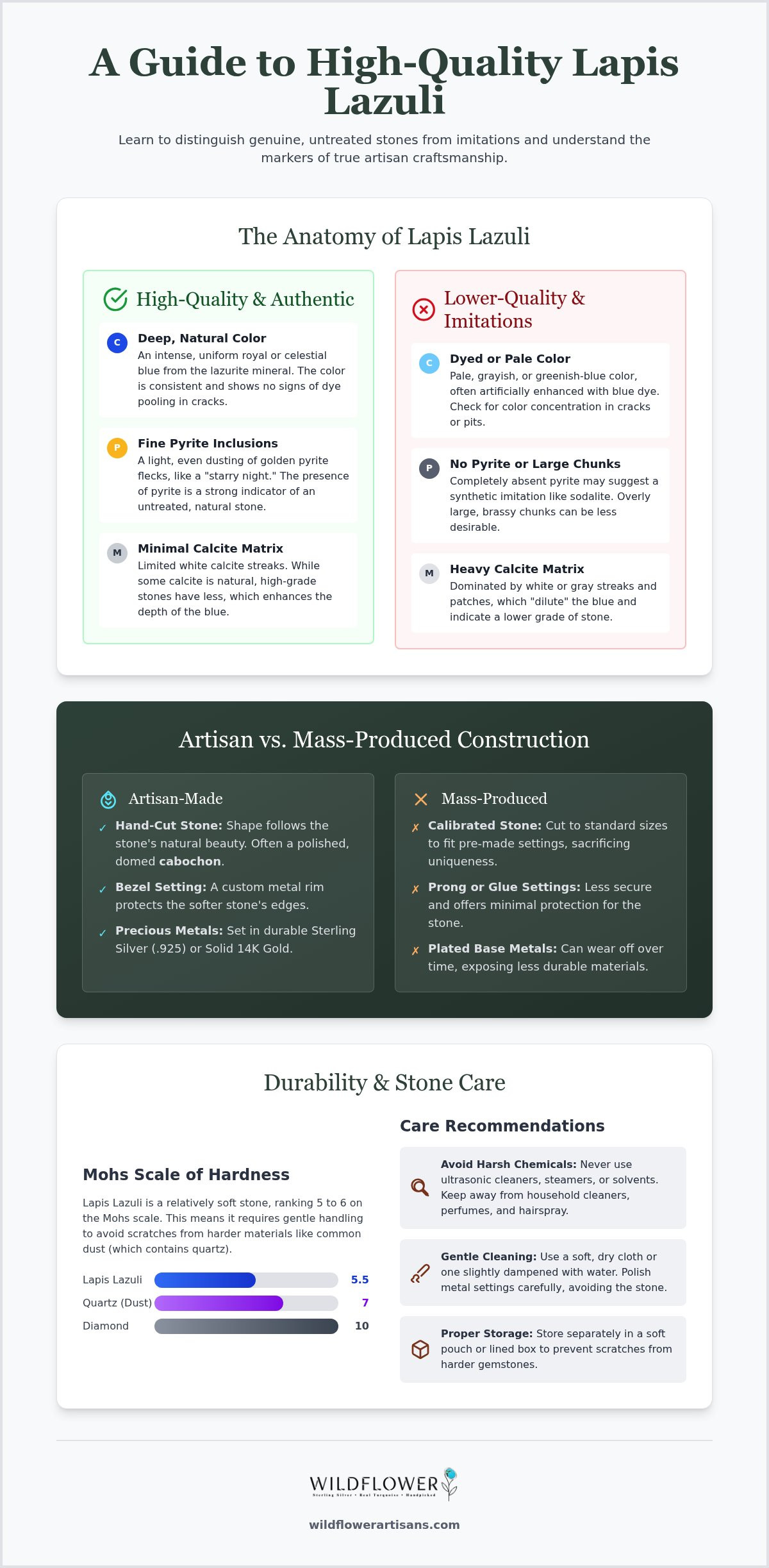
- Learn to distinguish genuine, untreated stones from dyed imitations by examining the natural variations in the stone's surface.
- Discover how handcrafted settings in sterling silver (.925) or solid 14K gold can protect and enhance your lapis lazuli jewelry.
- Understand the specific composition of the matrix, including how pyrite flecks and calcite patches influence the overall quality and appearance.
- Gain practical knowledge on maintaining the luster of these stones, which rank between 5 and 6 on the Mohs scale and require gentle handling.
- Explore ways to build a thoughtful collection by pairing deep blue stones with complementary materials that share a Southwestern style heritage.
What defines high-quality lapis lazuli jewelry?
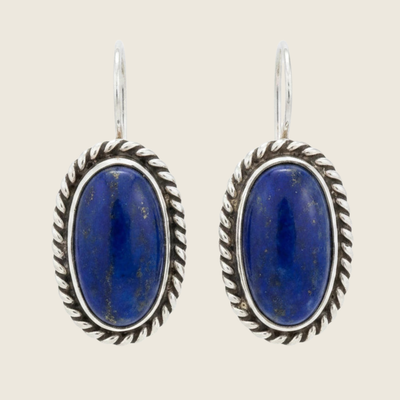
High-quality lapis lazuli jewelry is defined by an intense, natural blue color and the absence of artificial dyes or resin fillers. These pieces celebrate the stone's metamorphic origins and are typically secured in handcrafted settings that protect the stone's edges. It doesn't take a professional eye to see the difference between a natural stone and one that has been artificially enhanced. Unlike mass-produced items, artisan pieces focus on the raw, celestial character of the stone rather than forcing it into a uniform mold.
Lapis lazuli is a metamorphic rock that has been prized for thousands of years, appearing in the funerary masks of pharaohs and the pigment of Renaissance paintings. In a working studio like Wildflower, we follow a stone-first philosophy that looks for stones with a high concentration of lazurite, which provides that characteristic royal blue hue. Many commercial sellers use stones that have been dyed to mask a pale color or filled with resin to hide pits, but we prioritize untreated stones that retain their natural texture and history. The value of the piece often depends on finding a balance between the stone's clarity and the craftsmanship of a hand-cut bezel setting.
The mineral composition of the stone
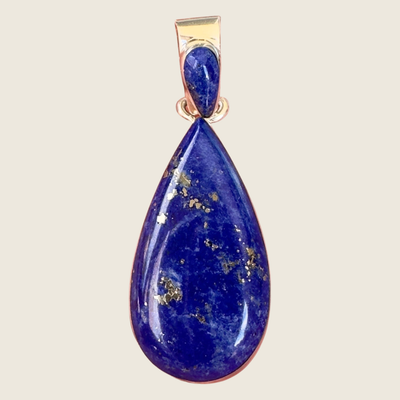
Understanding What is Lapis Lazuli? requires looking at it as a combination of minerals rather than a single entity. Lazurite is the primary component, and its presence dictates the depth of the blue that defines the stone's value. You will often see white streaks or clouds within the stone, which is calcite. The matrix of a stone refers to the host material or inclusions that surround the primary mineral. A heavy calcite matrix can lower the value in some markets, but it adds a unique, organic character to artisan-made pieces. Finally, pyrite inclusions create the metallic gold flecks that many collectors seek. These flecks are actually iron disulfide, and they give the stone its famous starry night appearance.
Artisan vs mass-produced construction
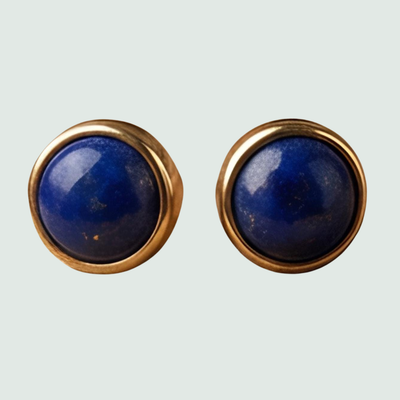
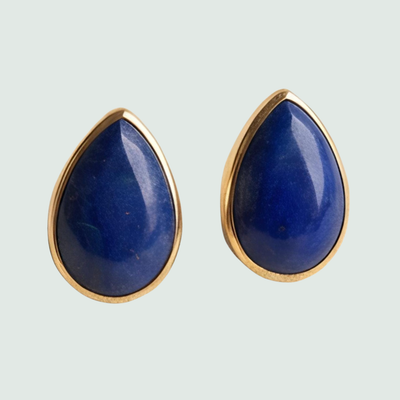
Selecting lapis lazuli jewelry requires looking closely at the construction of the setting, which is just as important as the stone itself. Mass-produced jewelry often uses calibrated stones, which are cut to standard sizes like 10x8mm to fit pre-made molds. In contrast, artisan pieces feature hand-cut stones shaped specifically to follow the natural grain and beauty of the individual rock. These are often finished as a cabochon, which is a stone polished into a smooth, domed shape rather than faceted. We typically use a bezel setting, which is a thin rim of metal that is folded over the edge of the stone to hold it securely. This provides a protective barrier for the stone's edges, which is vital since lapis is softer than many other gemstones. Sterling silver (.925) remains the preferred metal for its durability and its long history in Southwestern style jewelry, providing a cool contrast that makes the blue of the stone pop. While silver is traditional, solid 14K gold is also used for a warmer look.
Evaluating the stone: color, pyrite, and calcite matrix
The matrix of a lapis lazuli stone refers to the web-like pattern of inclusions that occur naturally during its formation. Collectors often look for a deep blue field with a fine dusting of gold pyrite to signify authenticity.
When you're holding a piece of lapis lazuli jewelry, you aren't just looking at a single mineral. You're looking at a rock composed of several different parts. Geology.com explains lapis lazuli's composition as a complex mix where lazurite provides the blue, while others like pyrite and calcite add the detail. We find that the most compelling stones are those where these minerals tell a story. Instead of a flat, uniform blue, natural stones offer a depth that mimics the night sky. Most high-grade lapis is finished as a smooth cabochon. This domed, polished cut is the best way to display the intricate patterns of the matrix without the distractions of facets. Faceting is common for transparent gemstones, but for an opaque stone like lapis, a hand-cut cabochon allows the viewer to see the "starry night" effect of the pyrite without light bouncing off sharp angles.
Identifying natural pyrite inclusions
Pyrite is an iron sulfide mineral that appears as brassy yellow flecks within the blue stone. Its presence is a strong indicator that the stone is natural and not a glass imitation.
In our studio, we look for pyrite that is truly part of the stone. Natural pyrite should be integrated into the lazurite, appearing at different depths within the cabochon. If the gold flecks look like they're just sitting on the surface or seem too perfectly spaced, it might be a sign of a synthetic stone or a low-grade piece that has been artificially enhanced. These brassy inclusions are often what give artisan pieces their soul. When a stone is cut by hand in a working studio, the lapidary artist positions the pyrite inclusions so they catch the light naturally. If you are looking for a piece that highlights these natural variations, you can explore our full selection of handcrafted jewelry to see how different stones carry their own unique stories.
Understanding the role of calcite
Calcite is a carbonate mineral that creates white veining or mottling within the stone. In artisan jewelry, a balanced calcite matrix can create a beautiful sky-like effect in the stone.
While the highest commercial grade of lapis is often a solid royal blue, we often find beauty in the asymmetrical. Large patches of white calcite can lower a stone's commercial value, but they add an organic character to one-of-a-kind pieces. Too much calcite can make a stone appear dull or washed out, so the key is balance. We look for white veining that complements the blue rather than overwhelming it. This natural mottling ensures that no two pieces are ever exactly alike. It's a celebration of the stone's journey from the earth to the studio.
Finding the right balance of pyrite and calcite is what makes each stone a unique discovery. You can see these natural variations for yourself in our curated collection of handcrafted lapis lazuli jewelry, where each piece is chosen for its specific character.
Choosing between sterling silver and solid 14K gold settings
Selecting the right metal for lapis lazuli jewelry involves balancing the desired aesthetic with the physical protection of the stone. While the deep blue of the stone is the center of the story, the metal setting acts as the frame that preserves its integrity for years to come. At Wildflower, we work exclusively with sterling silver (.925) and solid 14K gold because they offer the durability required for a stone that ranks between 5 and 6 on the Mohs scale. Unlike plated or filled metals that eventually show wear, these solid metals can be polished and repaired over time, ensuring your piece remains part of your collection for a lifetime.
The benefits of sterling silver (.925)
Sterling silver is a standard for Southwestern style jewelry due to its strength and weight. It offers a cool-toned contrast that makes the blue of the lapis appear more vibrant, almost like a clear night sky. This metal is an alloy consisting of 92.5 percent silver and 7.5 percent other metals, usually copper, to provide the hardness needed for daily wear. One of the most beautiful aspects of silver is that it develops a natural patina over time. A patina is a thin layer of oxidation that forms on the surface of the metal, often darkening the recessed areas of an artisan-made setting. This natural aging process highlights the hand-cut details and textures of the metalwork. It remains a high-quality choice for everyday essentials like simple rings or pendants that you never want to take off.
The luxury of solid 14K gold
Solid 14K gold is a dense and tarnish-resistant metal that holds stones securely for decades. Gold settings provide a warm, sun-drenched backdrop that complements the brassy pyrite flecks found within lapis lazuli jewelry. This pairing isn't just a modern trend; it has been used in jewelry for thousands of years, appearing in the artifacts of ancient civilizations and royal treasuries. We often choose solid gold for stones with exceptional color density because the metal is highly resistant to the chemicals found in soaps or lotions. The density of 14K gold ensures that the bezel, which is the metal rim holding the stone, stays firm and protective. If you are looking for a piece that feels like a grounded piece of history, you might explore our one-of-a-kind artisan pieces that feature these high-grade stone and metal combinations.
How to clean and maintain natural lapis lazuli stones
Proper maintenance of lapis lazuli jewelry is essential because the stone is relatively soft and porous compared to quartz or diamonds. Lapis lazuli ranks between a 5 and 6 on the Mohs scale, meaning it can be scratched by harder materials.
Unlike harder stones like sapphire, lapis is a metamorphic rock that needs a gentle touch to maintain its luster. Its porous nature means it can actually absorb liquids, which can lead to permanent discoloration if the stone comes into contact with harsh chemicals. We often see stones lose their vibrancy because they were exposed to everyday items like hairspray, perfume, or household cleaners. These substances can seep into the matrix and dull the deep blue lazurite that makes the stone so special. Keeping your stones away from these chemicals is the first step in preserving their natural character.
Step-by-step cleaning process
Use a soft, damp cloth to gently wipe the surface of the stone after wearing.
Cleaning your pieces doesn't require specialized equipment or harsh solutions. In fact, using an ultrasonic or steam cleaner is one of the quickest ways to damage a hand-cut cabochon. The high-frequency vibrations and intense heat can cause the stone to crack along its natural veins. Instead, follow these simple steps to keep your jewelry clean:
- Wipe the stone with a soft, slightly damp cloth to remove skin oils and dust.
- If the setting has dirt buildup, use a soft toothbrush with a tiny amount of mild, additive-free dish soap on the metal only.
- Rinse the piece quickly with lukewarm water to remove any soap residue.
- Dry the jewelry thoroughly with a lint-free cloth before storing it in a cool, dry place.
Long-term care and storage
Store lapis pieces in individual pouches to prevent them from being scratched by harder gemstones.
Prevention is the best form of maintenance for lapis lazuli jewelry. Because the stone is relatively soft, it can easily be scratched by the metal edges of other jewelry or harder stones like quartz. We recommend keeping each piece in its own cloth pouch to avoid contact with other items. You should also be mindful of your environment. Remove your rings or bracelets before swimming in chlorinated pools or soaking in hot tubs, as these chemicals are aggressive toward the stone's surface. A good rule of thumb is to make your jewelry the last thing you put on in the morning and the first thing you take off at night. This ensures that your lotions and perfumes have fully dried before they can interact with the stone.
Finally, take a moment every few months to inspect the bezel or prongs of your setting. In our studio, we emphasize the importance of a secure bezel to protect the stone's edges. If you notice the stone moving or the metal lifting, it's time to have it looked at by a professional silversmith. Regular inspections help ensure that your favorite artisan-made piece stays secure for years to come.
Proper care keeps the deep blue character of your stones vibrant for generations. You can find more untreated stones and artisan-made settings in our collection of genuine lapis lazuli jewelry.
Learn more about our jewelry care and professional repair services
Styling and pairing your lapis pieces with other stones
Building a jewelry collection involves finding stones that complement each other in both color and texture. Lapis lazuli provides a grounding element when worn with lighter stones like white buffalo or mother of pearl, creating a visual balance that feels intentional rather than cluttered.
We often see collectors treat their jewelry as a living garden, where different colors and textures grow together over time. The deep, midnight hue of lapis lazuli jewelry acts as a versatile anchor for any ensemble. You don't have to stick to a single stone or metal to achieve a cohesive look. Mixing metals, such as wearing a lapis ring in sterling silver (.925) with a solid 14K gold chain, can create a modern and curated appearance that feels personal. This approach moves away from the rigidity of matched sets and embraces the organic, asymmetrical beauty we value in our studio.
The lapis and turquoise connection
Both stones are staples in Southwestern style artisan jewelry and share a long history of being used together in handcrafted pieces.
The contrast between the bright sky blue of turquoise jewelry and the royal blue of lapis is visually striking. These two stones speak the same language of the earth. Pairing them in a single stack of rings or a multi-stone pendant highlights the natural diversity of earth-mined materials. While turquoise often carries a varied matrix of browns or blacks, the pyrite flecks in lapis add a metallic shimmer that complements the matte finish of many turquoise varieties. It is a traditional combination that remains deeply rooted in the landscape of the high desert.
Pairing with neutral stones
White buffalo and wild horse magnesite provide a clean, monochromatic look that allows the intense blue of the lapis to stand out as a focal point.
If you prefer a more sophisticated edge, black onyx jewelry adds a bold contrast to a lapis lazuli necklace or cuff. The darkness of the onyx makes the blue lazurite appear even more luminous. For those who want a warmer palette, spiny oyster jewelry offers vibrant orange or red shells that create a high-energy, multi-colored look. We also love the soft glow of mother of pearl jewelry when paired with lapis. The iridescent whites and creams of the shell mimic the calcite clouds found within the stone itself, creating a cohesive narrative across your entire collection.
Bringing the celestial blue into your collection
Owning a genuine piece of the earth is a celebration of natural, fleeting beauty. By understanding how the matrix of pyrite and calcite defines the character of your stone, you can choose a piece that truly resonates with your own narrative. Whether you prefer the cool contrast of sterling silver (.925) or the warm, sun-drenched glow of solid 14K gold, the focus remains on the hand-cut craftsmanship of our working studio. These artisan-made pieces from the Southwest are designed to be vessels for emotion, requiring only gentle care to maintain their luster over the years.
When you choose lapis lazuli jewelry from a dedicated studio, you're supporting a stone-first philosophy that values authenticity over mass production. We prioritize untreated stones and protective bezel settings to ensure your jewelry remains a grounded part of your daily life. It's a journey of discovery, where each cabochon tells its own story of the desert and the stars.
We invite you to find a piece that speaks to you, knowing it was crafted with deep intention and a quiet appreciation for the asymmetrical beauty of the natural world.
Frequently Asked Questions
Is lapis lazuli a natural stone?
Lapis lazuli is a natural metamorphic rock that has been utilized in artistic creations for more than 6,000 years. This stone is a complex assembly of minerals, primarily lazurite, which provides the blue, along with white calcite and metallic pyrite. At Wildflower, we focus exclusively on untreated stones in our artisan-made lapis lazuli jewelry. We strictly avoid dyed or synthetic imitations, ensuring that every cabochon we set reflects the true, organic history of the earth.
Can I wear my lapis lazuli ring every day?
You can wear your jewelry daily, but it requires a more intentional approach than harder stones like quartz. Because it ranks between a 5 and 6 on the Mohs scale, the surface is susceptible to scratching from harder materials. It's best to remove your rings during heavy manual labor or when using household cleaners. This prevents the stone from becoming dull or etched, preserving the deep blue character of your hand-cut piece for years.
What causes the gold spots in lapis lazuli?
The metallic gold flecks found within the stone are actually natural inclusions of pyrite, also known as iron sulfide or fool's gold. These brassy yellow spots are an integral part of the stone's matrix and occur during the metamorphic process deep within the earth. Collectors often seek out these inclusions because they create a starry night effect. In a working studio, we use the presence of pyrite to help verify that a stone is genuine.
How can I tell if my lapis jewelry is real or dyed?
Natural lapis lazuli jewelry almost always displays some degree of internal variation, such as white calcite veining or gold pyrite flecks. If a stone looks perfectly uniform or the blue color seems concentrated in surface cracks, it has likely been dyed. You can sometimes detect artificial pigment by gently wiping an inconspicuous area with a swab dipped in acetone. However, the most reliable way to ensure authenticity is to purchase from a reputable artisan studio.
What is the best metal for lapis lazuli?
Both sterling silver (.925) and solid 14K gold are excellent choices for setting this stone, depending on your personal aesthetic. Sterling silver is a staple for Southwestern style jewelry, providing a cool contrast that makes the blue color appear more vibrant. Solid 14K gold offers a warmer backdrop that beautifully complements the brassy pyrite inclusions. Both metals are durable and can be polished, unlike plated options that eventually wear away and expose base metals.
Is lapis lazuli the same as sodalite?
While they share a similar blue hue, lapis lazuli and sodalite are distinct minerals with different compositions. Lapis is a rock containing lazurite and almost always features pyrite inclusions, which sodalite lacks. Sodalite also tends to have a more translucent, grainier appearance compared to the opaque, intense royal blue of high-quality lapis. When we select stones for our studio, we look for the specific mineral density and color saturation that only genuine lapis provides.
Article by
Kimberly Cordova
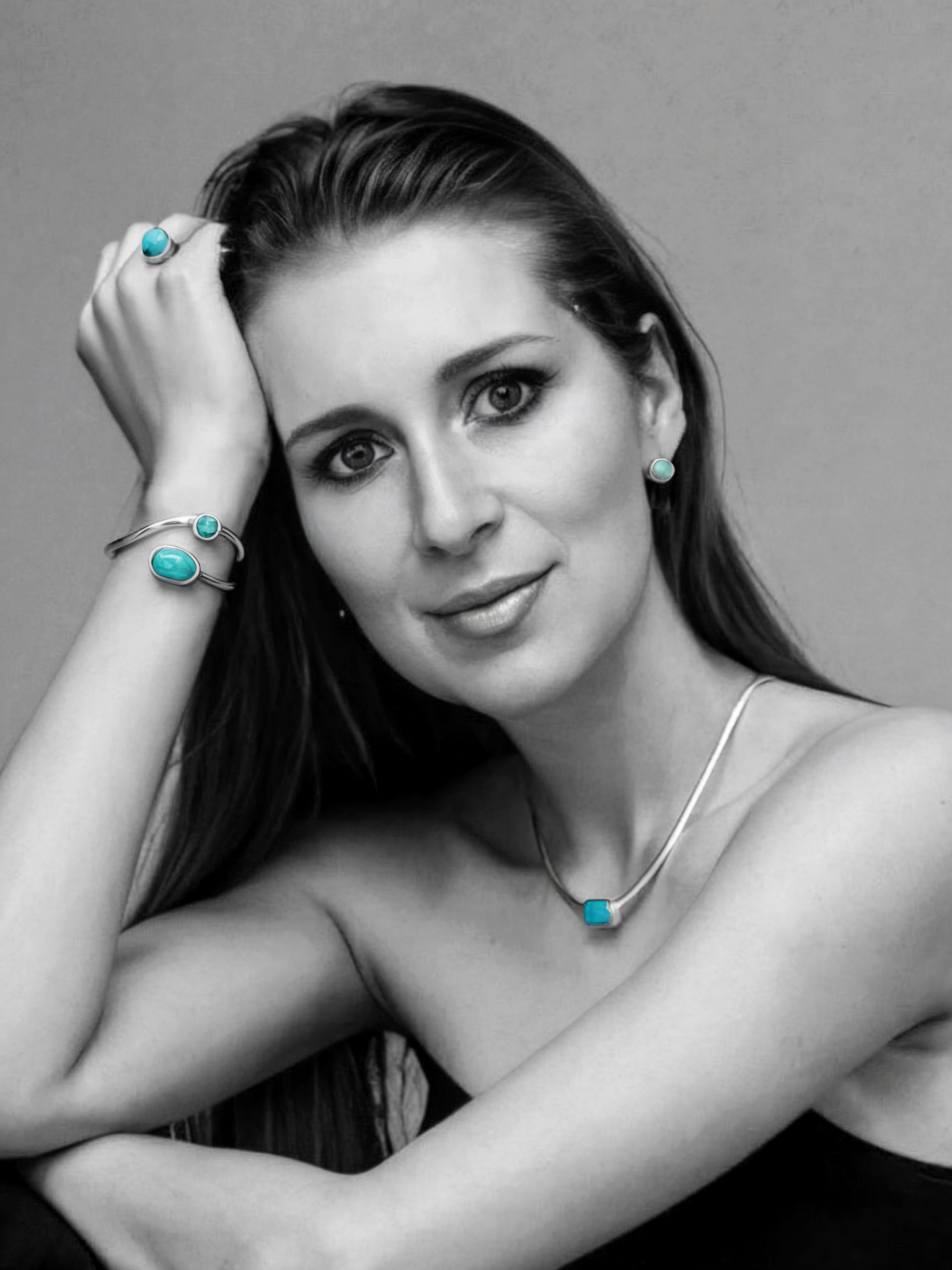
Kimberly Cordova is the founder and creative director of Wildflower Artisans, a handmade jewelry brand rooted in Santa Fe. Real turquoise, solid sterling silver, and a small line set in solid 14K gold. She built Wildflower around a simple belief: the best jewelry is the kind you actually reach for, not the kind you save for someday.
The collection is built three ways. Some pieces are made in-house, cut by her husband Greg from stones he sources himself, including rough from the family's King's Manassa Mine in Colorado and White Buffalo Mine in Nevada. Some are designed by Kimberly and fabricated by a trusted circle of Santa Fe silversmiths. And some are finished work she curates from artisan makers whose craft meets the same standard, because building a real collection means knowing when to make and when to look.
Turquoise leads, joined by White Buffalo, Wild Horse, Lapis Lazuli, Spiny Oyster, Black Onyx, Opal, and other genuine semi-precious stones. No shortcuts on the stone, the silver, or the story behind either.
Her writing covers everything she has learned along the way: how turquoise forms, how to tell natural from stabilized, what makes one mine different from another, how to read a bezel, and how to shop with confidence in a market that is not always straightforward. It is the kind of plainspoken information she wished someone had laid out for her when she was starting out.
Browse the collection at wildflowerartisans.com. Questions about a stone, a setting, or a specific piece are welcome any time.
0 comments