

A pair of long dangle silver earrings should feel like a soft whisper against your skin, not a heavy burden on your earlobes. Many jewelry lovers have experienced the frustration of finding a stunning design only to discover it's made of mystery metals or features a stone that is more resin than mineral. We believe that choosing jewelry should be an act of quiet discovery rather than a gamble on authenticity. You deserve to know exactly what is resting against your cheek and how it was shaped by human hands in a working studio.
We've put together this guide to help you navigate the nuances of artisan craftsmanship. You'll learn how to evaluate the structural integrity of a hand-cut bezel, which is the metal rim that holds a stone in place, and verify the purity of sterling silver .925. We also address the practical side of beauty, showing you how to select styles that balance a bold visual impact with a comfortable weight. By the end of our conversation, you'll have the tools to choose pieces that reflect your personal narrative and remain favorites for years to come.
Key Takeaways
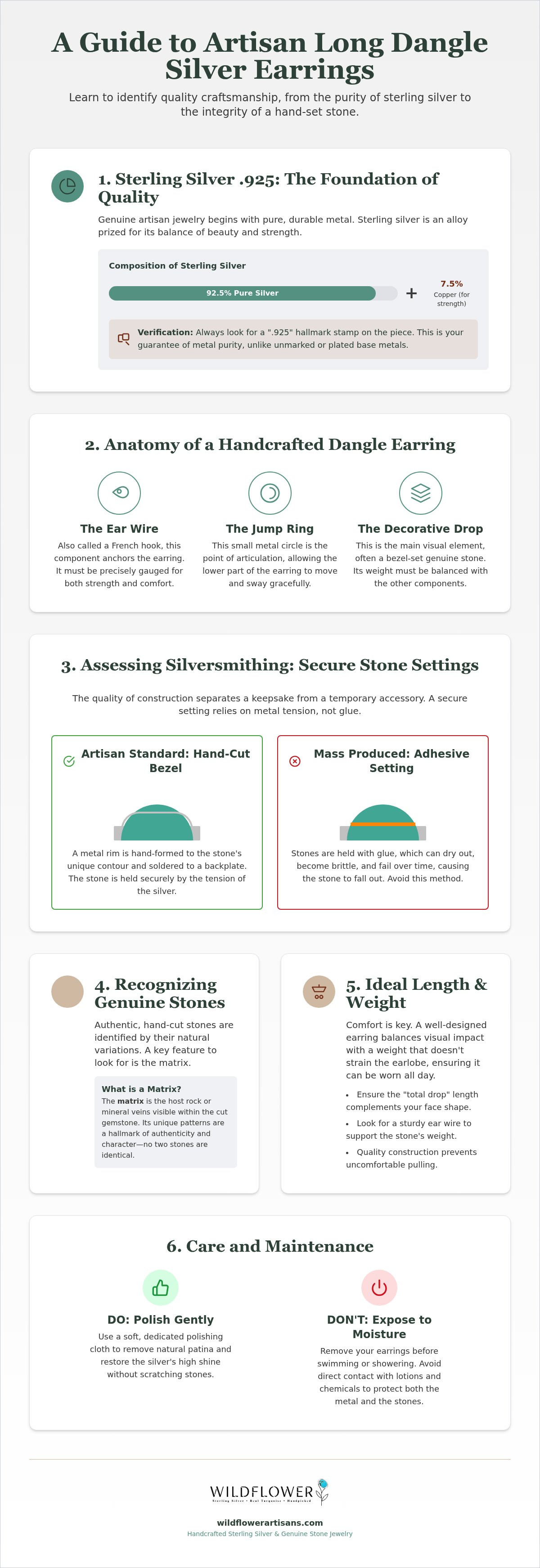
- Identify sterling silver .925 to ensure your jewelry maintains its integrity and value over time.
- Evaluate artisan construction by looking for hand-cut bezels that securely hold a stone cabochon in place without the use of adhesives.
- Recognize the unique character of genuine stones by observing the natural matrix and color variations found in high-quality long dangle silver earrings.
- Select the right length and weight by measuring the total drop to ensure a comfortable fit that complements your face shape.
- Preserve your jewelry by using a soft polishing cloth and avoiding moisture to protect both the metal and the stones.
Defining Quality in Long Dangle Silver Earrings
Quality in long dangle silver earrings is determined by the purity of the metal and the precision of the moving parts that allow the piece to sway comfortably. These earrings are characterized by a vertical length that extends significantly below the earlobe, using a combination of ear wires and jump rings to create intentional movement.
While a standard drop earring sits relatively stationary near the ear, a long dangle design is meant to interact with your movements. Throughout the history of earrings, this style has been favored for its ability to frame the face and catch the light. In our studio, we focus on the structural requirements that make these longer pieces durable enough for daily wear without compromising on the delicate sway that defines the style.
The Role of Sterling Silver .925 in Durability
Quality begins with the metal. We work exclusively with sterling silver .925, which is an alloy containing 92.5 percent pure silver and 7.5 percent other metals, usually copper. Pure silver is too soft for the structural demands of long dangle silver earrings and would easily bend or lose its shape under the weight of a stone. The addition of copper provides the necessary hardness to ensure the ear wires and settings remain secure over years of wear.
You should always look for the .925 hallmark stamped on the back of a piece or on the ear wire. This mark is your assurance of metal purity. Unlike base metals, which are often plated and can cause skin irritation or green staining, solid sterling silver is generally kind to the skin. It develops a beautiful, natural patina over time that can be polished back to a high shine using a dedicated cloth.
Anatomy of a Handcrafted Earring
A well-made earring is a small feat of engineering that requires three basic components: the ear wire, the jump ring, and the decorative drop. The ear wire, often called a French hook, serves as the anchor. It must be a gauge that's thick enough to hold its curve but thin enough to be comfortable for the wearer. Below the hook sits the jump ring. The jump ring is a small circle of metal wire that connects different parts of a piece of jewelry while allowing them to move independently. This component acts as the point of articulation for the dangle.
In an artisan studio, we pay close attention to the visual balance between the weight of the silver and the stone setting. A heavy turquoise jewelry drop requires a sturdier jump ring and a balanced ear wire to prevent the piece from pulling uncomfortably. When these elements are aligned, the earring hangs straight and moves gracefully without straining the ear.
Assessing Silversmithing and Artisan Construction
When evaluating long dangle silver earrings, the quality of the silversmithing is what separates a keepsake from a temporary accessory. A bezel is a thin strip of metal that is soldered to the base of a piece of jewelry to hold a stone in place. In our studio, we use this technique to secure each cabochon, which is a gemstone that has been shaped and polished into a smooth, rounded top rather than being faceted. This hand-cut approach ensures the metal follows the unique contour of the stone. Adhering to sterling silver quality standards is the foundation of our work, ensuring every component is built to last.
Look closely at how the different parts of the earring are joined. We prefer hand-soldered joints over cast pieces because they offer superior structural integrity. Mass-produced cast earrings can be porous and prone to snapping at the thin ear wire connection. By hand-fabricating each element, we control the strength of the silver at every stress point. You should also examine the back of the earring. A professional silversmith ensures the reverse side is finished as smoothly as the front, preventing any rough edges from catching on your hair or clothing.
The Importance of Secure Stone Settings
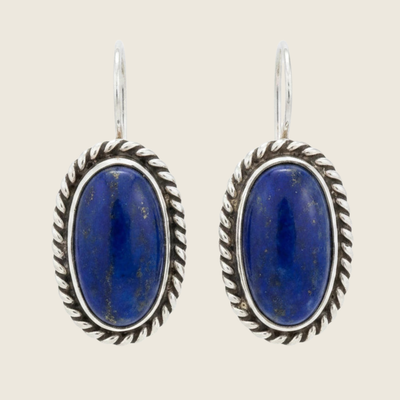
The style of the bezel can change the entire personality of a piece. A saw-tooth bezel has a rhythmic, decorative edge, while a smooth bezel provides a modern, understated look. The critical factor is that the stone is held by the tension of the silver, not by glue. We avoid adhesives because they dry out and lose their grip over time. The bezel must be tall enough to grip the stone securely without obscuring the natural matrix, which is the host rock visible within the cut gemstone. To support a heavy stone cabochon, we use a substantial silver backplate. This provides the necessary weight to help the earring hang properly while protecting the back of the stone from damage.
Identifying Handmade Characteristics
Artisan jewelry carries the quiet marks of the person who created it. You might find tiny variations in the stamping or the way the silver is textured. These details indicate that the piece was not stamped out by a machine. Check the reverse side for a maker mark or the .925 stamp to verify the metal. Finishing also plays a role in the design. A high-polish finish creates a mirror-like surface, while an oxidized patina uses a controlled darkening process to add depth and contrast to the silver work. Understanding these nuances helps you choose a pair that aligns with your aesthetic. You can see these handmade details in our current collection of artist-made sterling and turquoise jewelry.
Finding the right balance of metal and stone is a central part of our design process. If you are looking for specific examples of these artisan techniques, browse our turquoise dangle and drop earrings to see how we pair secure bezels with natural stones.
Selecting Genuine Stones for Silver Dangle Designs
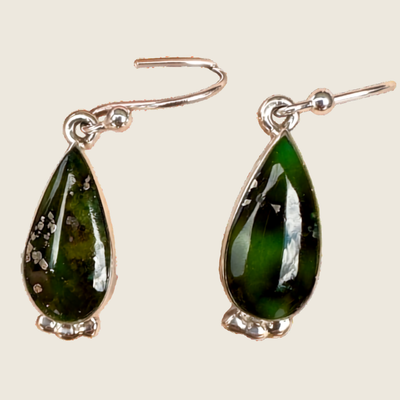
Choosing stones for long dangle silver earrings is a process of finding a balance between natural beauty and the physical requirements of the design. We start with the matrix, which refers to the host rock or mother stone that remains visible within a cut gemstone. These intricate veins of brown, black, or gold tell the story of where the stone was formed. Unlike treated or dyed materials found in mass-market jewelry, untreated stones maintain their color and structural integrity for generations, making them far more valuable for long term wear.
Genuine turquoise varies from light blue to deep green depending on the copper and iron content found in the earth. A stone rich in copper will lean toward a bright blue, while a higher iron content creates the deep, mossy greens found in many Southwestern styles. We prioritize these natural shifts because they prove the stone is a product of the earth rather than a factory. When these stones are set in sterling silver .925, the cool tone of the metal highlights the warmth of the natural minerals.
Understanding Turquoise Varieties
The origin of a stone often dictates its personality within a piece of jewelry. Kingman turquoise is known for its high-contrast matrix and brilliant blues, which create a striking look in long dangle silver earrings. In contrast, Royston turquoise often features a beautiful transition from green to blue within a single cabochon. Matching two stones for a pair of earrings requires significant lapidary skill. Because natural stones are never identical, an artist must carefully hand-cut and sort through dozens of pieces to find two that share the same visual weight and color story.
You can explore these variations in our about our mines page to see how geography shapes the final piece. Each pair of earrings becomes a small, wearable landscape.
Alternative Stones for Silver Dangles
While turquoise is a staple, other minerals offer equally compelling narratives. White Buffalo is a white stone with black chert matrix often found in Nevada, providing a sophisticated monochrome aesthetic when paired with sterling silver .925. We also work with Wild Horse, a magnesite stone known for its reddish-brown matrix. For those seeking vibrant color, lapis lazuli jewelry offers a deep celestial blue that contrasts beautifully with the silver work.
The hardness of a stone, measured on the Mohs scale, also affects the design of long earrings. Softer stones like spiny oyster require a protective bezel to ensure they don't chip during movement. By understanding the physical properties of each mineral, we can create designs that are both beautiful and resilient enough for everyday wear. This stone-first approach ensures that the materials are never an afterthought.
Finding the Ideal Length and Weight for Wearability
Long dangle silver earrings must balance visual impact with physical comfort to ensure they don't spend their lives in a jewelry box. Wearability is defined by the relationship between the length of the drop and the total weight of the stones and silver.
When you're choosing a pair, the first step is to measure the total drop. This measurement should be taken from the very top of the ear wire to the lowest point of the stone or decorative silver work. In our studio, we carefully consider the weight of the stone cabochon relative to the gauge of the sterling silver .925. While everyone has a different tolerance, we've found that a weight under 10 grams per earring is the threshold for comfortable, all day wear. If a design features a larger stone, we might use a thinner bezel or a more delicate backplate to keep the piece from pulling on the lobe.
Security is just as vital as weight. For earrings with a French hook, we recommend using a secure curve in the wire or adding a small rubber stopper to the back. This simple addition prevents the earring from sliding out during movement. If you prefer a post back style, look for a pair that includes a larger ear nut to help distribute the weight across a broader area of the earlobe.
Proportions and Face Shapes
The vertical lines of long dangle silver earrings are excellent for elongating round face shapes by drawing the eye downward. When selecting a length, consider your jawline and neck height. A drop that lands just above the jawline can highlight your bone structure, while longer pieces that graze the shoulder create a more dramatic effect. Hair length also plays a role. If you have shorter hair or wear it swept up, the entire silhouette of the earring is visible. For those with longer hair, vibrant stones like turquoise jewelry provide a pop of color that remains visible even as your hair moves.
Securing Heavy Dangles
For pieces that lean toward the heavier side, the type of closure makes a significant difference in comfort. Lever back closures are a favorite in our studio because they click shut to create a complete loop of silver, providing both security and a balanced hang. If you're wearing a post back dangle, using a stabilizer back can prevent the earring from tilting forward. On days when you want the look of a long earring without the mass of a stone, a hand-cut silver design can offer the same movement and light reflection while remaining incredibly lightweight.
Our studio focuses on creating pieces that respect these physical limits while celebrating natural materials. You can find a variety of weights and lengths in our collection of handmade turquoise earrings that are designed for both beauty and comfort.
Care and Maintenance of Handcrafted Silver Earrings
Preserving the beauty of long dangle silver earrings requires consistent cleaning with a soft cloth and proper storage to prevent tarnish and physical damage. By avoiding moisture and harsh chemicals, you protect both the sterling silver .925 and the delicate stones from environmental wear.
At Wildflower Artisans, we believe caring for your jewelry is a quiet act of stewardship that honors the relationship between the metal and the earth. Sterling silver .925 is a responsive material that changes as it breathes. Oxidation is the natural process where silver reacts with sulfur in the atmosphere to create a deep, dark patina. This darkening isn't a sign of low quality; it's a mark of the metal's authenticity. To restore the original luster, simply use a soft polishing cloth to gently rub away the surface tarnish. We caution against using harsh chemical dips at Wildflower, as these can strip away the intentional oxidation used by the silversmith to highlight the matrix of a stone.
Proper storage prevents physical damage and slows down the tarnishing process for your sterling silver earrings. Because long dangle silver earrings have multiple points of articulation, they can easily tangle if left in a heap. We suggest hanging them on a dedicated rack or placing each pair in an individual soft pouch. This prevents the silver from scratching against other pieces and keeps the ear wires from bending out of shape. For more detailed instructions on keeping your pieces in top condition, you can visit our care and repair page at Wildflower.
Protecting Porous Stones
Stones like turquoise, spiny oyster, and lapis lazuli are porous minerals that can absorb substances from their surroundings. Chemicals found in perfumes, hairsprays, and lotions can seep into the stone cabochon and cause permanent discoloration or structural weakening. Always apply these products and let them dry completely before putting on your jewelry. Over time, even natural oils from your skin can deepen the color of untreated turquoise, moving it from a bright blue to a darker green. After each wear, use a clean, damp cloth to gently wipe the stones and remove any residue before storing them.
Silver Storage and Tarnish Prevention
Humidity is the primary accelerator for tarnish on sterling silver .925. If you live in a damp climate, consider placing anti-tarnish strips inside your jewelry box to absorb the sulfur that causes darkening. Interestingly, one of the best ways to keep your turquoise jewelry looking its best is to wear it often. The friction of the earrings against your skin or clothing acts as a gentle, natural polish that rubs off early oxidation before it has a chance to settle. This regular interaction keeps the silver bright and ensures the piece remains a vibrant part of your daily life.
Choosing Your Next Heirloom Piece
Selecting long dangle silver earrings is an act of finding a rare alignment between the weight of a hand-cut cabochon and the structural strength of sterling silver .925. We've explored how to look for secure bezels and identify the natural matrix that proves a stone's origin from documented mines. By prioritizing these artisan details and the Southwestern tradition of hand-soldering, you ensure that your jewelry remains a resilient vessel for your personal story. A well-chosen pair doesn't just catch the light. It moves with you, reflecting a deep appreciation for the organic beauty of the natural world.
We invite you to find a piece that resonates with your own sense of wonder. Whether you're drawn to the deep blues of a specific mine or the striking monochrome of White Buffalo, focus on the craftsmanship that guarantees longevity. When you choose jewelry made with intention, you're investing in a piece that'll age as gracefully as the silver itself.
We hope this guide helps you feel confident in your next discovery and we look forward to seeing which artisan creation becomes a part of your daily rhythm.
Frequently Asked Questions
How do I know if my earrings are real sterling silver .925?
You can verify the authenticity of your jewelry by looking for the .925 hallmark stamp, which is typically found on the back of the decorative drop or on the ear wire itself. This mark signifies that the piece is sterling silver .925, an alloy containing 92.5 percent pure silver. Genuine silver has a distinct weight and is not magnetic. If a piece lacks a hallmark or feels unusually light, it may be a plated base metal.
Are long dangle earrings too heavy for sensitive ears?
Comfort depends on the balance between stone size and the gauge of the silver used in the construction. Most people find that long dangle silver earrings weighing under 10 grams per piece are comfortable for extended wear. Sterling silver .925 is an excellent choice for sensitive ears because it does not contain nickel, which is the most common cause of metal allergies. Adding a rubber stopper can also help distribute weight more evenly.
What is the difference between a cabochon and a faceted stone?
A cabochon is a stone that has been shaped and polished into a smooth, rounded top, while a faceted stone features flat, geometrically cut faces. In Southwestern style jewelry, the cabochon is preferred because it highlights the natural matrix and color variations of stones like turquoise or White Buffalo. These smooth surfaces are less prone to catching on hair, making them ideal for the swaying movement of long dangle designs.
How should I store long silver earrings to prevent tarnishing?
To prevent oxidation, store your earrings in individual soft pouches or hang them in a cool, dry place. Humidity accelerates the tarnishing of sterling silver .925, so avoid keeping your jewelry in a bathroom. You can also place anti-tarnish strips in your storage box to absorb sulfur from the air. Regular wear is actually beneficial, as the natural friction against your skin helps keep the silver bright and polished.
What does Southwestern style mean in jewelry design?
Southwestern style refers to a design aesthetic that prioritizes hand-cut stones, heavy gauge sterling silver .925, and artisan techniques like stamping or bezel setting. This style often features untreated stones from specific mines, such as Kingman or Royston turquoise. It focuses on the raw, organic beauty of the materials rather than mass-produced perfection. Every piece is built to be a durable reflection of the high desert landscape and artisan tradition.
Can I wear long silver dangles with casual everyday outfits?
Long dangle silver earrings are versatile enough to be worn with everything from a simple linen shirt to a structured knit sweater. The movement of the silver adds a layer of visual interest to a casual outfit without appearing overdone. Because these pieces are handcrafted with genuine stones, they provide a grounded, authentic feel that complements a relaxed wardrobe. Choosing a pair with a comfortable weight ensures they transition easily from day to evening.
Article by
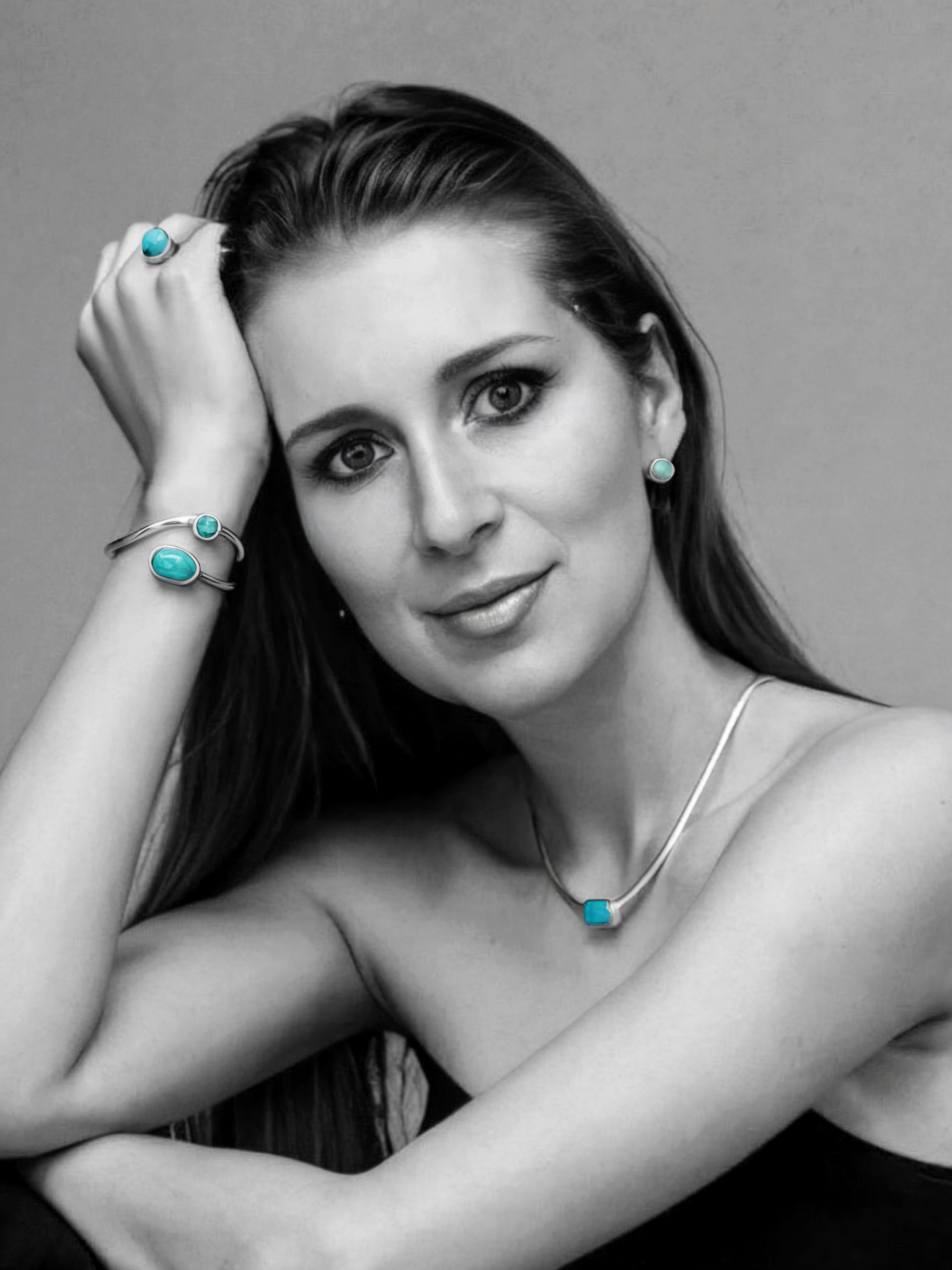
Kimberly Cordova
Kimberly Cordova is the founder and creative director of Wildflower Artisans, a handmade jewelry brand rooted in Santa Fe. Real turquoise, solid sterling silver, and a small line set in solid 14K gold. She built Wildflower around a simple belief: the best jewelry is the kind you actually reach for, not the kind you save for someday.
The collection is built three ways. Some pieces are made in-house, cut by her husband Greg from stones he sources himself, including rough from the family's King's Manassa Mine in Colorado and White Buffalo Mine in Nevada. Some are designed by Kimberly and fabricated by a trusted circle of Santa Fe silversmiths. And some are finished work she curates from artisan makers whose craft meets the same standard, because building a real collection means knowing when to make and when to look.
Turquoise leads, joined by White Buffalo, Wild Horse, Lapis Lazuli, Spiny Oyster, Black Onyx, Opal, and other genuine semi-precious stones. No shortcuts on the stone, the silver, or the story behind either.
Her writing covers everything she has learned along the way: how turquoise forms, how to tell natural from stabilized, what makes one mine different from another, how to read a bezel, and how to shop with confidence in a market that is not always straightforward. It is the kind of plainspoken information she wished someone had laid out for her when she was starting out.
Browse the collection at wildflowerartisans.com. Questions about a stone, a setting, or a specific piece are welcome any time.
0 comments