

The deep blue stone on your finger was likely formed in the Hindu Kush mountains millions of years ago, yet it remains one of the most frequently faked minerals in the modern market. It is a frustrating reality for anyone who values authenticity. You deserve to know that the flecks of gold in your ring are genuine pyrite rather than a clever application of gold paint. We understand the hesitation that comes with choosing fine jewelry online, especially when trying to decipher the complex Lapis Lazuli Jewelry: Meaning behind each piece.
This guide serves as a bridge between the ancient history of the stone and the practical realities of the modern studio. We will walk through the specific characteristics of natural lapis, from the presence of white calcite veins to the way a hand-cut cabochon should feel in a bezel setting. You will learn how to identify high-quality material and how to care for these softer, porous stones to ensure they last for generations. By the end, you will have the clarity needed to select artisan-made pieces that are as genuine as the history they carry.
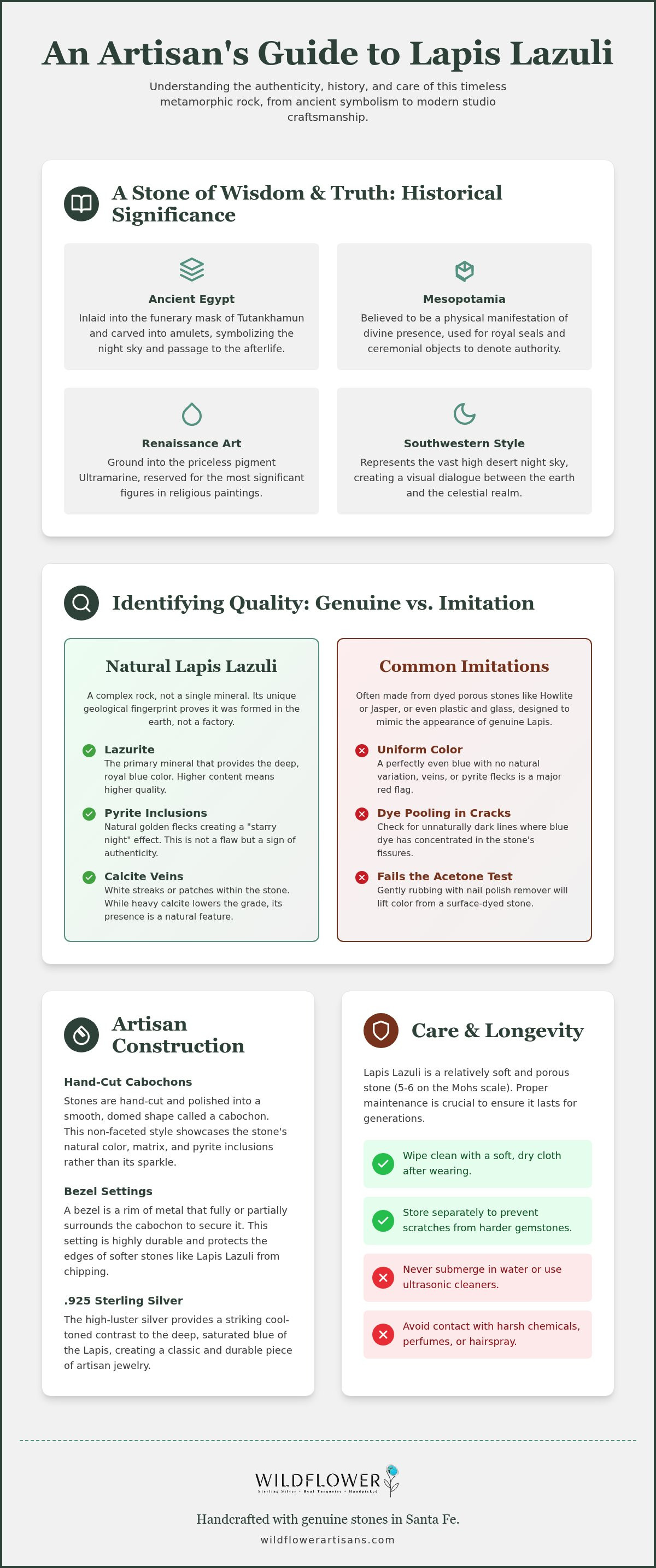
Key Takeaways
- Discover why this metamorphic rock has represented wisdom and truth for thousands of years across diverse global traditions.
- Learn to identify high quality stones by looking for natural pyrite inclusions and avoiding the uniform look of common dyed imitations.
- Understand the Lapis Lazuli Jewelry: Meaning through the lens of artisan craftsmanship, specifically how hand-cut cabochons are secured in .925 sterling silver bezels.
- Master the specific maintenance routines required for porous gemstones, including why you should never submerge these pieces in water or use harsh chemicals.
The Historical Meaning and Tradition of Lapis Lazuli
Lapis lazuli signifies truth and wisdom, a tradition rooted in ancient civilizations that viewed its deep blue color as a link to the divine. This stone has been mined for thousands of years to create royal seals, ceremonial amulets, and funerary objects for the elite.
Lapis lazuli is a metamorphic rock, which is a rock that has been changed by extreme heat and pressure over millions of years. This intense geological transformation occurs deep within the earth, resulting in a dense stone that has been prized since the Neolithic age. In the ancient city-states of Mesopotamia, lapis was believed to be the physical manifestation of the gods' presence. The Sumerians told stories of their goddess Inanna wearing lapis lazuli necklaces as she descended into the underworld. In Ancient Egypt, the stone was more than decoration; it was a ritual necessity. These ancient people saw the golden pyrite flecks not as inclusions, but as stars captured within a deep blue sky. Common uses included:
- Grounding the stone into fine powder for royal cosmetics and protective eye paint.
- Inlaying the material into heavy gold funerary masks of pharaohs like Tutankhamun.
- Carving the stone into scarabs and amulets to symbolize the night sky and the passage to the afterlife.
Symbolism in Southwestern Style Jewelry
In Southwestern style jewelry, lapis is frequently chosen to represent the celestial realm and the vastness of the high desert night. Modern artisans use the stone to create a visual dialogue between the earth and the sky, often pairing it with other stones like turquoise. The deep, saturated blue provides a striking contrast when set in high-luster .925 sterling silver. We have seen a shift from the stone being used primarily in large, ceremonial pieces to its current role in everyday essentials. This evolution allows the wearer to maintain a connection to traditional symbolism through approachable, hand-cut designs that fit a modern lifestyle.
Lapis as the Stone of Truth
The historical Lapis Lazuli Jewelry: Meaning is deeply intertwined with the pursuit of truth and legal authority. In many ancient courts, the stone was carved into cylinder seals used to authenticate documents and royal decrees. The presence of gold-toned pyrite was not seen as a flaw but as a sign of divine favor and material wealth. Matrix is the host rock or mineral veins that surround or permeate a gemstone. During the Renaissance, lapis was ground into the most expensive pigment available, known as ultramarine, reserved for the robes of the most significant figures in religious art. Today, we focus on the raw beauty of the stone in lapis lazuli jewelry, prioritizing pieces that show the natural pyrite patterns that make each stone unique.
Mineralogy and Identifying Quality Lapis Lazuli
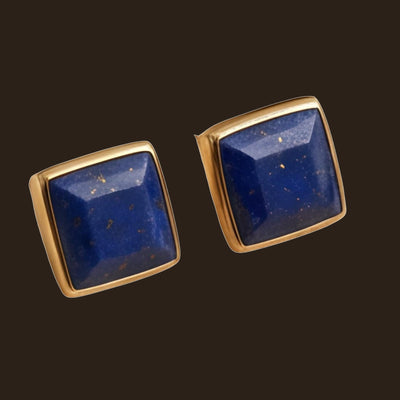
High-quality lapis lazuli is a complex metamorphic rock defined by its high lazurite content, which provides the intense blue hue collectors seek. Unlike many other gemstones that are single minerals, lapis is a natural combination of several minerals, primarily lazurite, white calcite, and golden pyrite.
Matrix is the host rock or mineral veins that surround or permeate a gemstone. In lapis, the matrix often appears as white streaks of calcite or shimmering patches of pyrite. While the most valuable stones are traditionally those with a solid, deep blue color, many people find that the Lapis Lazuli Jewelry: Meaning is enhanced by these natural inclusions. They act as a geological fingerprint, proving the stone was formed in the earth rather than a factory. The presence of lazurite is what determines the saturation of the blue; more lazurite means a deeper, more royal color. When calcite is too prevalent, the stone takes on a lighter, denim-blue shade that is generally considered lower grade. Understanding the Lapis Lazuli Jewelry: Meaning involves recognizing that these stones are not just colors, but geological histories captured in mineral form.
Spotting Dyed and Synthetic Imitations
The market is unfortunately saturated with dyed howlite and jasper, which are often sold to unsuspecting buyers as genuine lapis. You can often spot these by looking for dye that has pooled in the cracks of the stone, creating unnaturally dark lines. A technical way to check is the acetone test, where a cotton swab dipped in nail polish remover is gently rubbed on an inconspicuous area. If blue color transfers to the swab, the stone has been surface-dyed. Natural stones also have a distinct, cold feel against the skin that plastic or glass imitations can't replicate. Authenticity is becoming even more vital as the "Badakhshan supply blackout" of 2026 makes high-quality, matrix-free material harder to find.
The Starry Night Effect
We often look for stones that exhibit a "starry night" effect, where the pyrite is distributed in fine, glittering flecks across a dark blue field. This specific look is a hallmark of high-quality material from historic mines. Every stone tells a unique narrative through its mineral distribution, making each piece of jewelry a one-of-a-kind discovery. You can learn more about how these stones are formed in our guide to the stone origins of lapis lazuli. If you are ready to find a piece that speaks to you, we invite you to browse our complete collection of artisan jewelry.
Our studio focuses on sourcing stones that retain their natural character and geological history. You can explore our handcrafted lapis lazuli jewelry to find small batch pieces that feature these genuine mineral variations.
Artisan Construction and Setting Styles
Artisan-made lapis lazuli jewelry often features hand-cut cabochons set in .925 sterling silver to highlight the natural matrix of the stone. These traditional construction methods ensure that the stone is protected while its unique geological patterns remain the focal point of the design.
A cabochon is a gemstone that has been shaped and polished into a smooth, convex form rather than faceted. This style is particularly effective for lapis because it provides a broad, uninterrupted surface to showcase the deep lazurite and shimmering pyrite patterns. To hold these stones, we use a bezel, which is a thin metal rim that surrounds a stone to hold it securely in place. Unlike mass-produced prong settings that can put uneven pressure on a softer stone, a bezel provides a continuous wall of protection. The Lapis Lazuli Jewelry: Meaning is often expressed through this choice of setting, where the metal serves as a protective boundary for the stone's ancient history.
Small batch production allows us to select settings that match the specific height and curve of each individual hand-cut stone. In a working studio, this means we don't force a stone into a pre-made cast. Instead, the silver or gold is worked around the unique dimensions of the lapis. This stone-first approach prevents the cracking or loosening that often occurs in factory-made jewelry. This level of care is vital for the Lapis Lazuli Jewelry: Meaning, as the durability of the piece ensures the stone's narrative continues for years without the risk of the stone falling out or chipping.
Silverwork Techniques for Lapis
In Southwestern style jewelry, the choice of bezel style often dictates the overall aesthetic. A saw-tooth bezel adds a traditional, rugged texture to the piece, while a smooth bezel offers a clean, modern frame. We prefer .925 sterling silver for lapis because the bright, cool tones of the metal provide a sharp contrast to the deep midnight blue. Artisans often add hand-stamping or twisted wire work around the base of the setting to create a decorative frame that draws the eye toward the stone's natural inclusions.
Lapis in Solid 14K Gold
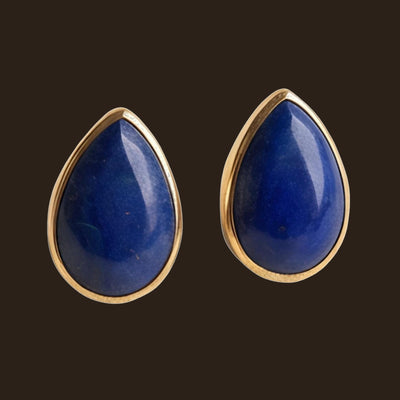
While silver is traditional, setting lapis in solid 14K gold creates an entirely different visual experience. The warm tones of the gold pull out the shimmering flecks of pyrite, making the starry night effect even more pronounced. This combination has historical roots in ancient Egyptian royal jewelry, yet it feels completely current in our new arrivals featuring mixed metal designs. Using solid gold bezels ensures that the most vulnerable part of the ring or pendant is reinforced with a metal that won't tarnish or wear away over time.
Maintenance and Longevity for Lapis Jewelry
Caring for lapis lazuli requires gentle handling because it is a relatively soft stone that can be damaged by household chemicals or ultrasonic cleaners. On the Mohs scale of mineral hardness, lapis typically ranks between a 5 and 6, meaning it is significantly softer than quartz or diamonds. Because of this, the stone is susceptible to scratches and surface dulling if it is not handled with specific care. The Lapis Lazuli Jewelry: Meaning is often tied to the stone's longevity as an heirloom, so maintaining its physical integrity is paramount for collectors.
One of the most critical technical aspects to understand is the stone's porosity. Lapis lazuli is a porous material, which means it has microscopic openings that can absorb liquids. You should never submerge your lapis jewelry in water or wear it while swimming. If water or cleaning chemicals penetrate the stone, they can weaken the internal bond between the lazurite and the calcite matrix, leading to discoloration or structural failure over time. Similarly, skin oils, perfumes, and hairsprays can seep into the stone and gradually mute its characteristic deep blue luster. We recommend putting your jewelry on as the final step of your morning routine to minimize contact with these substances.
Storage is another factor that impacts the life of your piece. Because lapis is softer than many other gemstones, it can be easily scratched by the metal edges or harder stones in your jewelry box. We suggest storing each piece in an individual soft cloth pouch. This prevents the polished surface of the cabochon from rubbing against harder materials like turquoise or sterling silver edges, which can leave permanent marks on the stone's face.
Safe Cleaning Methods at Home
Keep your cleaning routine as simple as possible. Use a soft, damp cloth for surface cleaning only to remove dust or light oils. If the stone requires a deeper clean, a very small amount of mild soap is the only chemical that should ever touch the stone. Rinse the cloth, not the jewelry, and wipe the stone dry immediately with a clean microfiber towel. For more detailed instructions on preserving your artisan pieces, you can reference our jewelry care and repair guide.
Protecting the Setting
The security of your stone depends heavily on the condition of the metal surrounding it. Periodically check the bezel for tightness by gently pressing on the edge of the cabochon; if you feel any movement, the stone may be at risk of falling out. In these cases, it is best to seek professional help from a silversmith who understands how to work with softer stones. To prevent damage, avoid wearing lapis rings or cuffs during high-impact activities like heavy cleaning, exercise, or gardening where the stone might strike a hard surface.
Building a Collection with Lapis Lazuli
Selecting quality lapis lazuli involves prioritizing a deep, saturated blue color and observing the natural distribution of golden pyrite inclusions. These factors ensure the stone is natural and untreated, providing a solid foundation for a long-term collection.
Lapis is a versatile anchor for any jewelry wardrobe, bridging the gap between formal events and casual, everyday wear. Integrating this stone into your existing collection is a matter of balancing its intensity with other textures and colors. You might mix the midnight blue of lapis with the sky-blue tones of Sleeping Beauty turquoise to create a palette that mimics the desert horizon. Pairing it with black onyx or malachite adds a sophisticated, architectural feel to a ring stack or layered necklace look. The Lapis Lazuli Jewelry: Meaning is often amplified when you choose pieces that reflect your personal aesthetic rather than following fleeting retail trends.
Choosing handcrafted jewelry over mass-market options is the most reliable way to ensure stone integrity and authenticity. In a small batch studio, we inspect every cabochon for natural matrix and structural soundness before it ever reaches the workbench. Factory-produced items often rely on "block" lapis, which is a synthetic material made of stone dust and resin. By focusing on artisan-made pieces, you're investing in a genuine mineral that will retain its character and value for decades. We prioritize a stone-first philosophy, ensuring the setting serves the stone rather than the other way around.
The Everyday Essentials
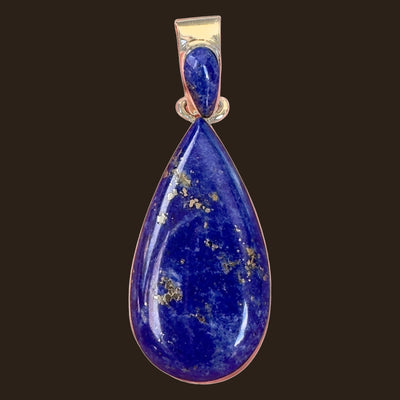
Small lapis studs are a foundational piece for any jewelry box, offering a concentrated pop of color that works with any outfit. Simple pendant necklaces are excellent for layering with .925 sterling silver chains of varying lengths to create a curated, textured look. Minimalist rings that highlight the stone's natural beauty provide a grounded way to wear this ancient material every day without the weight of a larger statement piece.
Statement Pieces and One-of-a-Kind Designs
For those seeking a bolder look, large-scale lapis cabochons set in intricate silver cuffs or heavy bezel pendants make a significant visual impact. Collector-grade stones with high pyrite content are particularly sought after for their shimmering, "starry night" appearance. You can find these unique patterns in our one-of-a-kind collection, where each stone is chosen for its specific narrative and geological character. The Lapis Lazuli Jewelry: Meaning is most evident in these larger pieces, where the stone's history is given the space it deserves to be seen and appreciated.
Selecting Authentic Lapis for Your Collection
Choosing a piece of jewelry is a commitment to a stone's ancient narrative. When you understand the Lapis Lazuli Jewelry: Meaning, you gain a deeper appreciation for the golden pyrite flecks and deep lazurite blues that have captivated humanity for millennia. By prioritizing natural, untreated gemstones and small batch craftsmanship, you ensure your collection is built on a foundation of authenticity. We focus on these technical details in our Santa Fe studio to make sure every stone is set with the structural integrity it deserves.
Remember to look for the cold touch of genuine stone and the telltale signs of natural matrix. Avoid the uniform, flat look of mass-produced imitations and stick to .925 sterling silver or solid 14K gold bezel settings that offer the protection a porous stone requires. These construction choices aren't just about style; they're about preserving the stone's history. With the right care and a discerning eye, your artisan-made pieces will remain vibrant and secure for generations. We hope this guide helps you choose your next piece with confidence.
Frequently Asked Questions
What is the primary meaning of lapis lazuli in jewelry?
Lapis lazuli has traditionally symbolized wisdom, truth, and celestial power across many cultures for thousands of years. In modern jewelry, it remains a favorite for those seeking a connection to these ancient traditions. This history defines the Lapis Lazuli Jewelry: Meaning for collectors who value authenticity. A cabochon is a gemstone that has been shaped and polished into a smooth, convex form rather than faceted.
Can I wear lapis lazuli jewelry every day?
You can wear lapis lazuli daily if you take precautions to avoid hard impacts and chemical exposure. Because it ranks between 5 and 6 on the Mohs scale, it is softer than quartz and can scratch if handled roughly. Matrix is the host rock or mineral veins that surround or permeate a gemstone. Protecting the matrix from surface abrasion keeps the stone looking its best for years.
How can I tell if my lapis lazuli is real?
Real lapis lazuli will usually contain small flecks of gold-toned pyrite and may have white calcite veining. If the color is perfectly uniform or if it feels like plastic or glass, it may be a dyed imitation. Natural stones often have a cold feel and a varied texture that mass-market blocks cannot replicate. You can check for dye by using a cotton swab and a small amount of acetone on an inconspicuous spot.
Is lapis lazuli safe to get wet?
You should avoid submerging lapis lazuli in water because it is a porous stone. Occasional contact with water is unlikely to cause immediate damage, but repeated soaking can weaken the stone's structure and dull its polish. Porosity refers to the microscopic openings in a stone that can absorb liquids and chemicals. To maintain the luster, always remove your jewelry before swimming, bathing, or washing dishes.
What are the gold flecks in lapis lazuli?
The gold flecks found in lapis lazuli are actually pyrite, a mineral commonly known as fools gold. These inclusions are a natural part of the stone's formation and are often used as a sign of authenticity. They are essential to the Lapis Lazuli Jewelry: Meaning, as they act as a geological fingerprint. Pyrite is an iron sulfide mineral that forms alongside lazurite deep within the earth.
Why is lapis lazuli often set in sterling silver?
Lapis lazuli is frequently set in .925 sterling silver because the cool, bright tones of the metal provide a striking contrast to the deep blue of the stone. This combination is a staple in Southwestern style artisan jewelry. A bezel is a thin metal rim that surrounds a stone to hold it securely in place. Using a silver bezel ensures the stone is protected while allowing the dark lazurite to stand out against the high-luster metal.
Article by
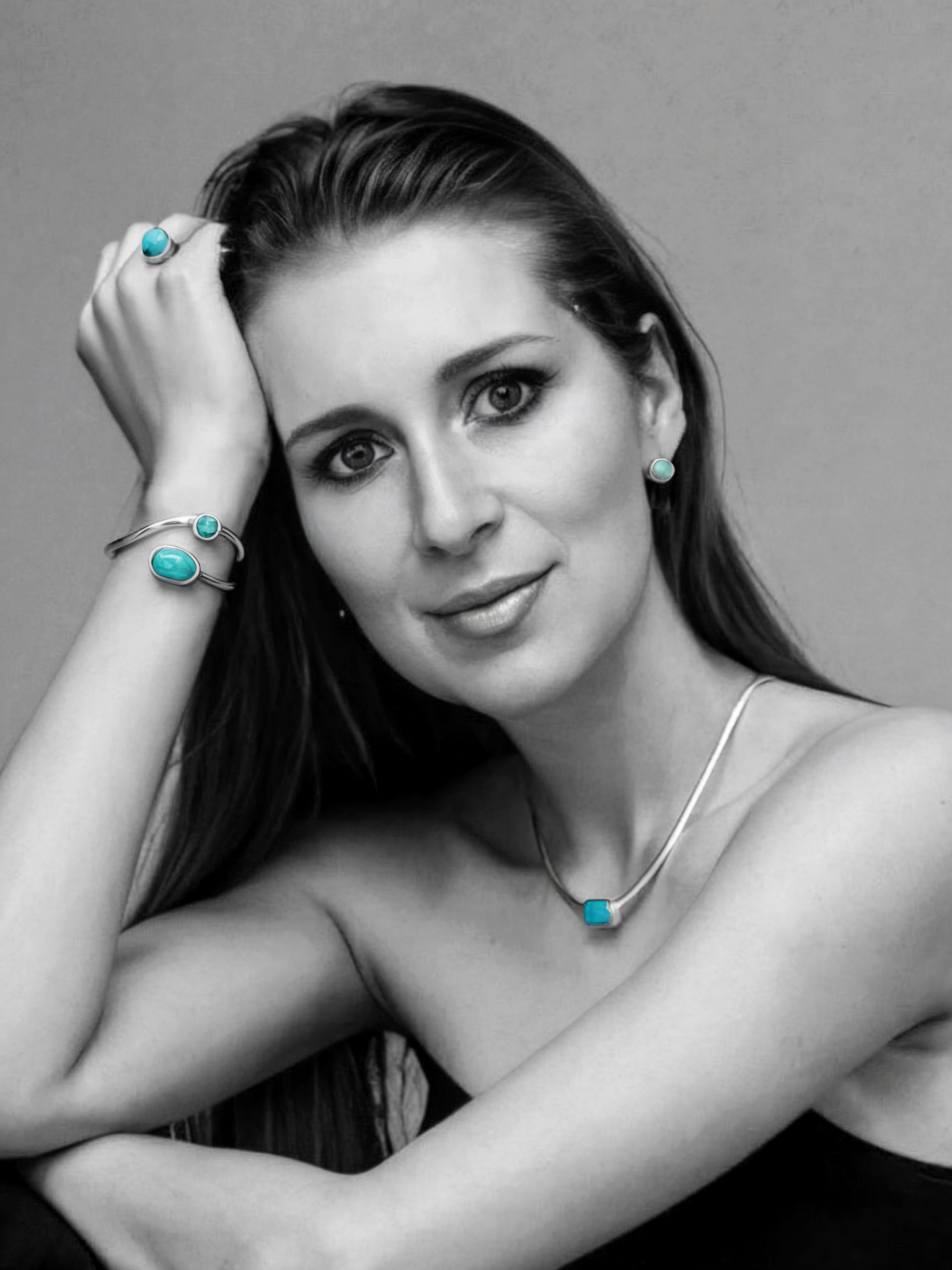
Kimberly Cordova
Kimberly Cordova is the founder and creative director of Wildflower Artisans, a handmade jewelry brand rooted in Santa Fe. Real turquoise, solid sterling silver, and a small line set in solid 14K gold. She built Wildflower around a simple belief: the best jewelry is the kind you actually reach for, not the kind you save for someday.
The collection is built three ways. Some pieces are made in-house, cut by her husband Greg from stones he sources himself, including rough from the family's King's Manassa Mine in Colorado and White Buffalo Mine in Nevada. Some are designed by Kimberly and fabricated by a trusted circle of Santa Fe silversmiths. And some are finished work she curates from artisan makers whose craft meets the same standard, because building a real collection means knowing when to make and when to look.
Turquoise leads, joined by White Buffalo, Wild Horse, Lapis Lazuli, Spiny Oyster, Black Onyx, Opal, and other genuine semi-precious stones. No shortcuts on the stone, the silver, or the story behind either.
Her writing covers everything she has learned along the way: how turquoise forms, how to tell natural from stabilized, what makes one mine different from another, how to read a bezel, and how to shop with confidence in a market that is not always straightforward. It is the kind of plainspoken information she wished someone had laid out for her when she was starting out.
Browse the collection at wildflowerartisans.com. Questions about a stone, a setting, or a specific piece are welcome any time.

0 comments