

Imagine sitting at your workbench in the quiet of a focused afternoon, holding a hand-cut piece of Royston turquoise. You can see the intricate matrix of the stone, a map of its natural origins, yet your pliers feel heavy with the worry that a loose wrap might let this treasure slip away. This is the starting point for Wire Wrapping Techniques for Turquoise Cabochons: A Complete Guide from Wildflower Artisans, where we turn that hesitation into the steady hand of a maker. We know the frustration of balancing a secure hold with a design that lets the stone breathe. It's a delicate dance between the strength of sterling silver (.925) wire and the organic curves of a natural cabochon.
If you've ever worried about a stone wobbling or felt your finished pieces lacked a professional look, you aren't alone. We promise to help you master the skills needed to wrap with confidence. This guide walks through building a sturdy frame, managing wire tension, and creating clean finishes that highlight the stone's character. You'll learn how to treat each piece as a narrative of the natural world, ensuring your jewelry is as durable as it is beautiful. By focusing on these refined techniques, you can create distinctive, authentic pieces that feel expertly crafted.
Key Takeaways
- Learn how to select the correct gauge of sterling silver (.925) wire to complement the unique matrix and shape of your hand-cut turquoise.
- Follow Wire Wrapping Techniques for Turquoise Cabochons: A Complete Guide to master the art of securing stones without obscuring their natural beauty.
- Gain the confidence to create professional-looking Southwestern style jewelry by avoiding common pitfalls like loose frames or uneven wire tension.
- Discover the essential steps for cleaning and checking the structural integrity of your pieces to ensure they remain durable for years of wear.
- Understand why using high-quality, genuine stones is the foundation for any successful, artisan-made jewelry project.
Introduction to Wire Wrapping Turquoise Cabochons
Wire wrapping is a method of securing gemstones with precious metal wire that relies on tension and mechanical connection rather than heat. This approach allows makers to highlight the raw, natural beauty of stones like turquoise while ensuring they remain securely held within a handmade frame. At Wildflower Artisans, we view this craft as a conversation between the artist and the earth. It is a process that rewards patience and a steady hand, resulting in a piece that feels both organic and intentional.
Because it doesn't require the intense heat of a torch, wire wrapping is one of the oldest techniques for making handmade jewelry, dating back thousands of years. This ancient lineage is part of what makes the craft so compelling for modern makers. When you follow Wire Wrapping Techniques for Turquoise Cabochons: A Complete Guide, you aren't just making a pendant; you're preserving a piece of the high desert. The aesthetic appeal lies in the flowing lines of sterling silver (.925) that cradle the stone. Choosing high-quality, genuine materials is the only way to ensure your work lasts for generations, reflecting the same authenticity we prioritize at Wildflower.
What is a Cabochon?
A cabochon is a gemstone that has been shaped and polished into a smooth, rounded form with a flat back rather than being cut with facets. This flat base is what makes them so well-suited for wire wrapping, as it provides a stable foundation for the wire frame to rest against. You'll often find turquoise cabochons in classic ovals or teardrops, but many of our favorite pieces are hand-cut into unique, freeform shapes. These asymmetrical cuts follow the natural growth of the stone, requiring a more intuitive approach to wrapping than a standard calibrated round. Most handmade turquoise jewelry relies on these smooth stones to showcase the intricate matrix patterns that define the material.
Why Choose Turquoise?
Turquoise is a stone of character, defined by its vibrant blues and the intricate matrix of host rock that weaves through its surface. In the Southwest, it's a material deeply rooted in tradition and artisan history. Whether it's the deep greens of Royston turquoise or the clear sky-blue of Sleeping Beauty, every mine offers a different narrative. We prioritize untreated stones because they maintain their natural integrity, allowing the wire to wrap around a piece of history that hasn't been altered by dyes or plastic fillers. Understanding the origin of your stone is the first step in creating a piece that feels grounded and authentic. This guide, Wire Wrapping Techniques for Turquoise Cabochons: A Complete Guide, is designed to help you honor that authenticity through every bend of your wire.
Essential Tools for Wire Wrapping Turquoise Cabochons
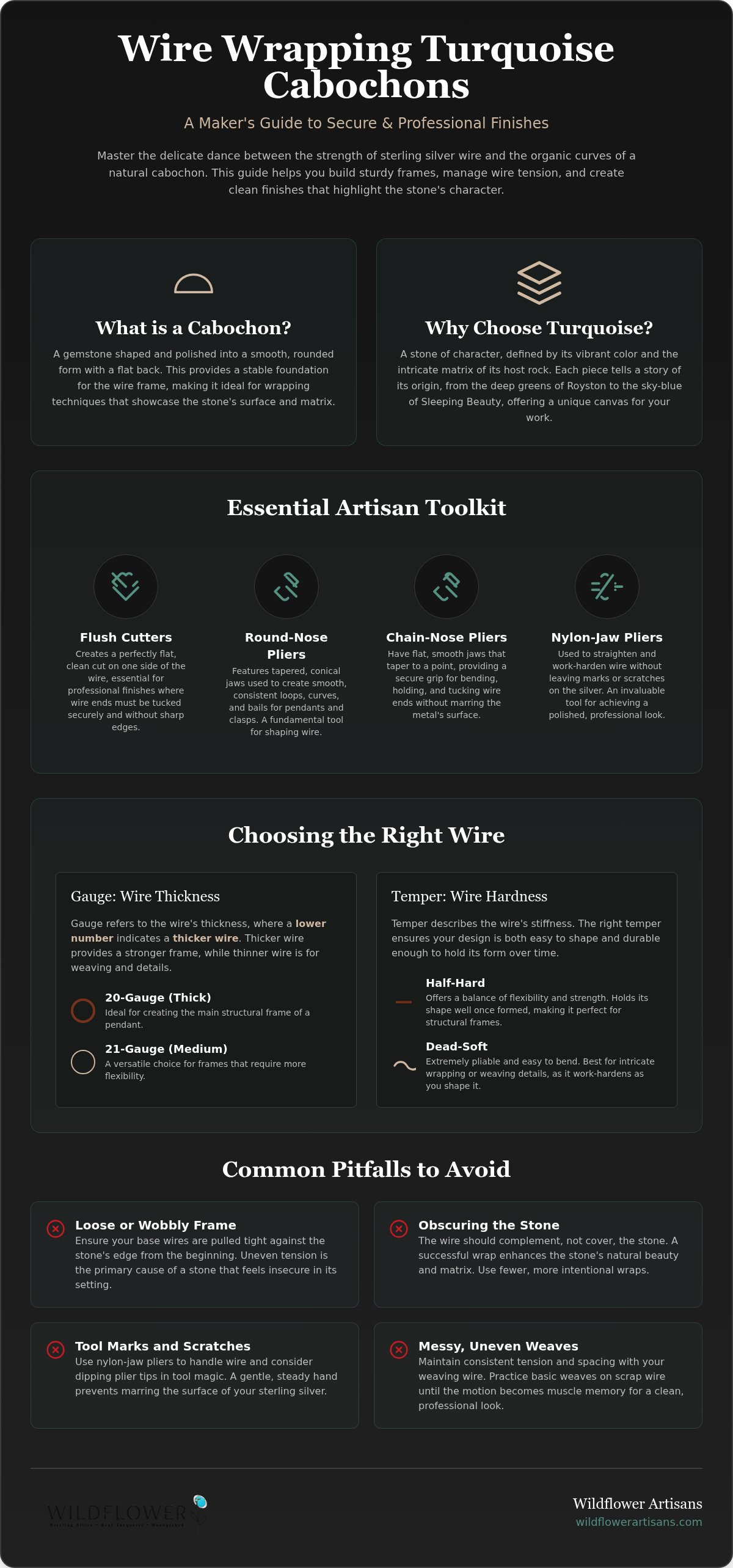
Selecting the proper tools ensures that your wire holds the stone with precision while protecting the delicate surface of the turquoise. A basic kit for this craft includes flush cutters, round-nose pliers, chain-nose pliers, and a reliable measuring gauge.
The pliers act as an extension of your fingers, allowing for movements that are both intentional and delicate. Flush cutters are specialized cutting tools designed to leave one side of the wire perfectly flat, which is essential for professional finishes. Round-nose pliers create the flowing loops and bails, while chain-nose pliers provide the grip needed to tuck ends securely. For those looking to elevate their work, a nylon-jaw plier can be a quiet ally, as it allows you to straighten wire without leaving marks on the metal. As of August 2026, with silver spot prices at $63.35 per troy ounce, using the right tools to minimize waste is more than just a matter of craft; it's a matter of respecting the material. You can see the results of these precise tools in our handcrafted artisan jewelry, where every bend is placed with purpose.
Choosing the Right Wire
The temper and gauge of your metal determine how easily the wire bends and how well it maintains its structural integrity over time. Gauge refers to the thickness of the wire, where a lower number indicates a thicker strand. Most frames for turquoise cabochons utilize 20-gauge square wire or 21-gauge half-hard round wire. Temper describes the hardness or flexibility of the wire, ranging from dead soft to full hard. Dead soft wire is as pliable as a vine, making it perfect for intricate weaving, while half-hard wire offers the resistance needed to hold a heavy stone in place. While copper is an excellent medium for practice, sterling silver (.925) remains the standard for professional Southwestern style work due to its durability and luster.
Safety Tips
Practicing safety at the workbench protects both your vision and the integrity of your hand-cut cabochons from accidental slips. Always wear eye protection, as small clippings of sterling silver can fly unexpectedly when using flush cutters. To protect the face of a stone from the steel of your pliers, you might apply a small piece of painter's tape over the turquoise matrix. This simple barrier prevents scratches while you work the wire around the bezel. Work in a space with steady, clear light to ensure you can see the fine details of your wrap and the alignment of your wire. A calm pace is your best tool for avoiding mistakes and ensuring the stone is nestled safely in its new home.
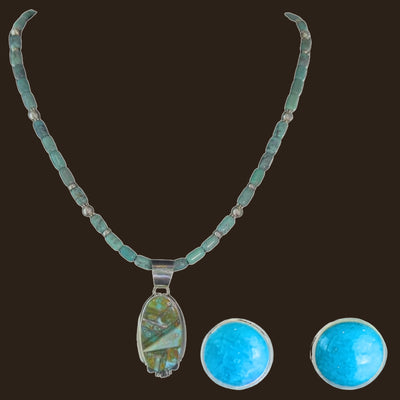
Once you've gathered your tools, you can appreciate the intricate work found in a turquoise pendant necklace from our studio. Each piece reflects the steady hand and precise tension required to hold a stone securely without the use of solder.
Basic Wire Wrapping Techniques for Turquoise Cabochons
Basic wire wrapping for turquoise involves creating a custom frame of sterling silver (.925) wire that mirrors the stone's perimeter to provide both security and visual balance. This method ensures the cabochon is held by mechanical tension rather than adhesives, allowing the natural matrix to remain the focal point of the design.
The foundation of any successful wrap is a frame that fits the stone like a glove. For a standard oval cabochon, we typically use three or four strands of 20-gauge square sterling silver wire. Square wire is preferred for the base because its flat sides sit flush against the stone's edge, preventing the wire from rolling or slipping during the wrapping process. This stability is crucial when working with hand-cut stones that may have slight irregularities in their shape. By following the steps in Wire Wrapping Techniques for Turquoise Cabochons: A Complete Guide, you can ensure your stone stays put for years of wear.
Step-by-Step Basic Wrap
To begin, align your base wires and secure them at the bottom center with a short length of half-round wire. This binding creates the "seat" where the bottom of your cabochon will rest. From there, follow these steps to secure the stone:
- Shape the Frame: Gently pull the base wires up along the sides of the stone, following its curve until they meet at the top.
- Secure the Top: Bind the wires together at the top of the stone using another piece of half-round wire, leaving the long ends free to create your bail. A bail is the loop at the top of a pendant that allows it to hang from a chain.
- Lock the Stone: Use your chain-nose pliers to gently bend the front-most and back-most wires over the edge of the stone. This creates the prongs that hold the cabochon in place.
- Maintain Tension: Keep a steady grip on the wires as you bend them; uneven tension can cause the frame to warp or the stone to sit crookedly.
Finishing the wrap involves coiling the remaining wire into a sturdy bail. A well-made bail should be large enough to accommodate various chain thicknesses while remaining tucked tightly against the top of the stone to prevent wobbling.
Creative Variations
Once you've mastered the basic frame, you can explore more intricate styles that add a personal signature to your work. You might try weaving a 28-gauge wire between the structural base wires to create a decorative "basket" look. This technique is particularly effective for a one-of-a-kind artisan piece where the wirework is meant to be as much of a feature as the stone itself. Another variation involves adding small sterling silver beads onto the wire before locking the stone in place, which can highlight specific colors in the stone's matrix. For those who prefer a minimalist look, using a single heavy-gauge wire can create a sleek, modern frame that lets the authentic turquoise jewelry speak for itself.
Common Mistakes in Wire Wrapping and How to Avoid Them
Avoiding common pitfalls like improper wire tension and using the wrong pliers is the best way to ensure your turquoise cabochons remain secure and undamaged. These troubleshooting steps help you maintain a professional standard in your artisan-made jewelry.
In the quiet focus of the studio, it's easy to overlook small details that can compromise a piece's longevity. Even seasoned makers occasionally struggle with the balance of a new design. Recognizing these errors early is a core part of mastering Wire Wrapping Techniques for Turquoise Cabochons: A Complete Guide. Whether you are working with a delicate teardrop or a heavy freeform stone, your goal is a frame that feels like a natural extension of the turquoise itself. Patience isn't just a virtue here; it's a technical requirement for high-quality authentic turquoise jewelry.
Mistake: Incorrect Wire Tension
Incorrect wire tension is perhaps the most frequent hurdle for makers. If the wire is too loose, the cabochon will rattle within its sterling silver (.925) frame, which eventually wears down the edges of the stone or leads to it falling out entirely. Conversely, pulling the wire too tight can cause the metal to snap or put undue pressure on a delicate matrix, leading to cracks. To check your tension, gently press the back of the stone with your thumb. If you feel any movement, use your chain-nose pliers to carefully tighten the prongs or the decorative wraps until the stone is immobile. Steady, firm pressure is better than sudden, jerky movements.
Mistake: Choosing the Wrong Tools
Using the wrong tools can leave permanent marks on your metal and stone that detract from the piece's artisanal value. Many beginners mistakenly use hardware-store pliers with serrated jaws, which mar the surface of the wire. These deep scratches are nearly impossible to polish out. If you don't have access to specialized nylon-jaw pliers, you can wrap the tips of your metal pliers in a small piece of painter's tape to provide a soft barrier. This simple adjustment protects the wire and prevents the steel from slipping and scratching the face of your hand-cut cabochon. High-quality tools are an investment in the professionalism of your finished work.
Recognizing when a piece is at risk of damage requires a keen eye. Look for "work-hardened" spots where the wire has been bent too many times, as these areas become brittle and prone to breaking. If a wrap feels forced or messy, don't be afraid to cut the wire and start again. This commitment to excellence ensures that every piece you create is a vessel for both beauty and durability.
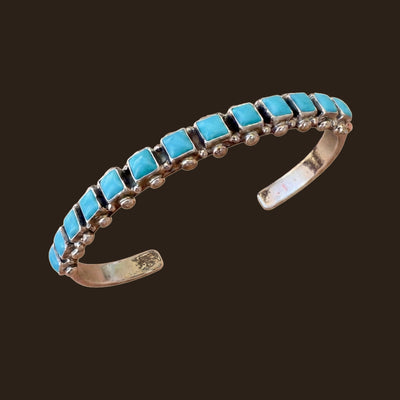
Once you've mastered the art of avoiding these common pitfalls, you can appreciate the meticulous construction of our Santa Fe turquoise jewelry sets. Each set is crafted with a focus on durability and clean wirework to ensure the stones remain the centerpiece of the design.
Final Touches: Finishing Your Wire Wrapped Turquoise Cabochon
Finishing a piece involves a final inspection of the frame's integrity and a gentle polish to highlight the luster of the sterling silver (.925) wire. This closing stage ensures that the mechanical connection built during the wrapping process remains steadfast through the rhythmic movement of daily life.
Before you consider a piece complete, run your fingers along the wire to check for any sharp ends or snags. A professional finish means every wire tail is tucked neatly into the design, preventing it from catching on delicate fabrics. This is also the time to perform a final shake test to confirm the stone is immobile. If you've followed Wire Wrapping Techniques for Turquoise Cabochons: A Complete Guide, the tension should be firm but not restrictive. You might also consider adding a patina to the wire. A patina is a surface layer that develops on metal through oxidation, often used to give silver a darker, aged appearance that makes the turquoise pop. This artistic choice can highlight the depth of the stone's matrix and provide a more traditional Southwestern style look.
Cleaning Your Jewelry
Turquoise is a porous stone, which means it has microscopic openings that can absorb liquids, oils, and chemicals. Because of this, you should never use ultrasonic cleaners or harsh chemical dips on your finished work. These methods can damage the stone's surface or cause untreated turquoise to change color. Instead, use a dry, soft polishing cloth to brighten the silver. If the stone itself needs cleaning, a damp cloth with mild, additive-free soap is usually enough. Always dry the piece immediately and avoid wearing jewelry while applying perfumes or hairsprays. For more detailed advice, our care and repair guide offers specific instructions for maintaining different stone varieties.
Storing Your Jewelry
Proper storage prevents your handcrafted pieces from scratching against one another or tarnishing prematurely in the open air. Store each wire-wrapped pendant in an individual soft pouch or a lined jewelry box to protect the metal from work-hardening. Work-hardening is the process of metal becoming stiffer and more brittle as it is manipulated or stressed, which can lead to snaps in thin wire. Because sterling silver reacts with sulfur in the air to create tarnish, keeping your jewelry in a cool, dry place is essential. Organizing your collection by mine or stone type allows you to appreciate the specific history behind each piece.
Frequently Asked Questions about Wire Wrapping Turquoise
Understanding the nuances of wire wrapping helps you avoid common pitfalls while honoring the natural beauty of your stones. These answers provide clarity on the technical choices that define high-quality artisan work in the Southwestern style.
As you move through the process of creating your own jewelry, you might find that each hand-cut stone presents its own set of challenges. Whether you are curious about the best metals to use or how to protect your stone from damage, being informed is the first step toward professional results. We encourage you to treat every project as a discovery, much like the way we approach our work in our Santa Fe studio. If you find yourself stuck on a specific technique or have questions about a stone's matrix, our team at Wildflower is always happy to share our lapidary knowledge.
What wire is best for wrapping turquoise cabochons?
Sterling silver (.925) is the preferred material for professional work due to its durability and value, while copper serves as an excellent medium for practice and prototyping. Sterling silver is an alloy containing 92.5 percent silver and 7.5 percent other metals, usually copper, to provide strength.
In our studio, we often choose sterling silver because it complements the cool tones of authentic turquoise jewelry without distracting from the stone's natural patterns. Copper is a more affordable alternative that is very soft and easy to manipulate, which makes it ideal for practicing the steps in Wire Wrapping Techniques for Turquoise Cabochons: A Complete Guide. However, copper undergoes oxidation, which is a chemical reaction that causes the metal to darken or turn green over time. If you want your piece to hold its value, especially with silver spot prices at $63.35 per troy ounce as of August 2026, investing in quality sterling silver wire is the best path forward for any serious maker.
Can I use heat when wrapping?
Heat should never be applied directly to turquoise during the wrapping process because it can cause permanent discoloration or structural failure. This is why wire wrapping is considered a cold-connection technique, meaning it joins components without the use of a torch or high temperatures.
Turquoise is a hydrous phosphate, which means it contains water molecules within its mineral structure. When subjected to the heat of a jeweler's torch, that water can evaporate, causing the stone to turn brittle, crack, or shift from a vibrant blue to a dull brown. Wire wrapping allows you to create a secure bezel and bail using only pliers and hand tension, keeping the stone safe from thermal shock. Thermal shock is the physical stress caused by a rapid change in temperature that can shatter a gemstone. By sticking to the cold-connection methods outlined in our turquoise buying guide, you ensure the stone's integrity remains intact for generations of wear. If you are interested in the history of these materials, you can learn more about the origins of our stones and how they are handled in a professional lapidary setting.
Advancing Your Jewelry Craft
We've explored the foundational skills of selecting the right tools, managing wire tension, and providing the final polish that defines a professional finish. By following Wire Wrapping Techniques for Turquoise Cabochons: A Complete Guide, you've learned how to secure a stone using the structural integrity of sterling silver (.925) while letting the natural matrix remain the focal point. This process is about more than just assembly; it's a way to honor the character of every hand-cut cabochon you work with. Precision in your wraps and a commitment to using genuine materials are what separate a hobbyist's project from an artisan's legacy.
As you continue to practice, remember that every bend of the wire is a choice that affects the stone's security and the piece's overall narrative. Wildflower prioritizes quality and authenticity in every design we create, and we encourage you to do the same in your own studio. If you're ready to see how these techniques translate into finished, gallery-quality work, we invite you to browse our current offerings.
Take pride in the steady progress of your skills and the authenticity of your materials. We're excited to see the stunning, Southwestern style jewelry you'll continue to create with confidence.
Article by
Kimberly Cordova
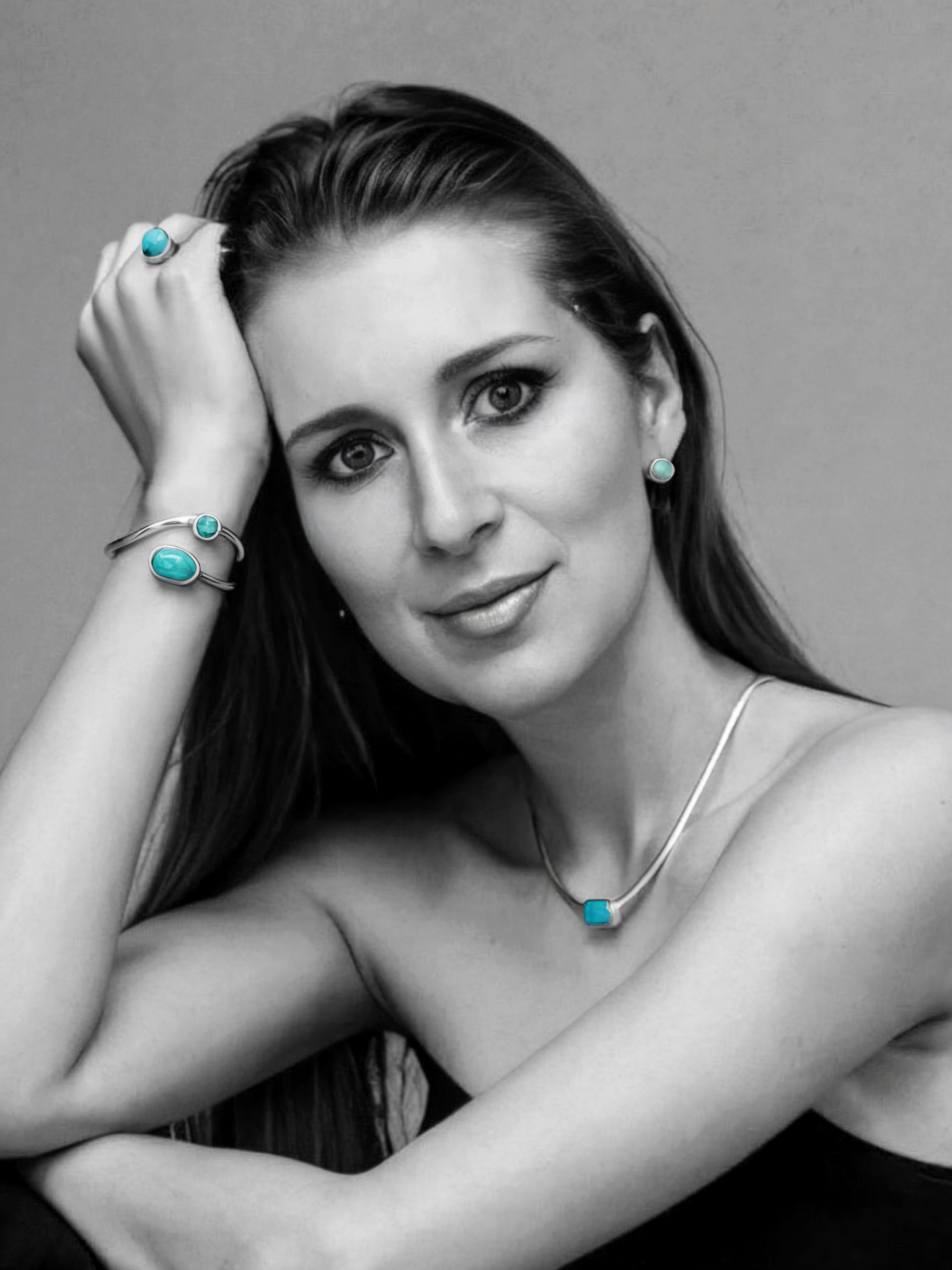
Kimberly Cordova is the founder and creative director of Wildflower Artisans, a handmade jewelry brand rooted in Santa Fe. Real turquoise, solid sterling silver, and a small line set in solid 14K gold. She built Wildflower around a simple belief: the best jewelry is the kind you actually reach for, not the kind you save for someday.
The collection is built three ways. Some pieces are made in-house, cut by her husband Greg from stones he sources himself, including rough from the family's King's Manassa Mine in Colorado and White Buffalo Mine in Nevada. Some are designed by Kimberly and fabricated by a trusted circle of Santa Fe silversmiths. And some are finished work she curates from artisan makers whose craft meets the same standard, because building a real collection means knowing when to make and when to look.
Turquoise leads, joined by White Buffalo, Wild Horse, Lapis Lazuli, Spiny Oyster, Black Onyx, Opal, and other genuine semi-precious stones. No shortcuts on the stone, the silver, or the story behind either.
Her writing covers everything she has learned along the way: how turquoise forms, how to tell natural from stabilized, what makes one mine different from another, how to read a bezel, and how to shop with confidence in a market that is not always straightforward. It is the kind of plainspoken information she wished someone had laid out for her when she was starting out.
Browse the collection at wildflowerartisans.com. Questions about a stone, a setting, or a specific piece are welcome any time.
0 comments