

Imagine reaching into your pocket and feeling the sharp snag of a metal prong against your favorite wool coat, only to look down and see your turquoise stone wobbling in its seat. It's a common worry for those of us who wear our jewelry through the rhythms of daily life, from the garden to the studio. If you've ever wondered what is a bezel setting, you're likely looking for a way to keep your stones safe without sacrificing the organic beauty of the piece. At Wildflower Artisans (Wildflower), we believe jewelry shouldn't be fragile or fussy. It should be a sturdy, soulful companion to your story.
You'll learn how the bezel setting protects your favorite stones and why this ancient technique remains a favorite for artisan jewelry today. We will explore the technical differences between full and partial bezels, the specific benefits for softer stones like Kingman or Royston turquoise, and how this hand-forged embrace of sterling silver ensures your collection lasts for generations. This knowledge will give you the confidence to choose a secure setting that honors both the artist's craft and the stone's natural history.
Key Takeaways
- Understand what is a bezel setting and how this custom metal collar creates a secure, snag-free home for your favorite stones.
- Discover why this technique is the best defense for turquoise, shielding the vulnerable edges of a hand-cut cabochon from chips and scratches.
- Learn to distinguish between full and partial designs so you can choose the right level of security for your active lifestyle.
- Explore the artisan process of soldering and burnishing that ensures a watertight, custom fit for every unique piece.
- Master the simple steps to care for your jewelry, ensuring your sterling silver and genuine stones remain vibrant for years to come.
Understanding the Fundamentals of a Bezel Setting
A bezel setting is a jewelry technique where a custom-fit metal rim entirely surrounds a stone to hold it securely in place. If you have ever wondered what is a bezel setting, think of it as a protective collar made of sterling silver or solid 14K gold that is hand-shaped to the exact silhouette of a gemstone. A bezel is a custom-fit collar of metal burnished over a stone. This method consists of a base plate and a thin metal strip called a bezel wire, which are soldered together to create a snug home for the stone. Unlike prongs, which use small metal claws to grip a stone at specific points, a bezel provides a continuous wall of defense around the entire perimeter. It is widely considered the earliest method of setting gemstones, a testament to its enduring reliability and functional beauty in the world of artisan jewelry.
At Wildflower Artisans (Wildflower), we see the bezel as more than just a structural choice; it is a commitment to the longevity of the piece. When we work with stones like Kingman or Royston turquoise, we aren't just making a ring or a pendant. We are creating a vessel for a piece of the earth. Because we specialize in turquoise jewelry, we understand that providing a secure home for these stones is essential. The bezel setting ensures that the stone remains the focal point while being shielded from the bumps and snags of daily life.
The Anatomy of a Hand-Forged Bezel
In our studio, creating a bezel is a meditative process of precision. It begins with a backplate, which is a flat sheet of sterling silver (.925) or solid 14K gold that serves as the foundation for the stone. We then take a thin strip called bezel wire and wrap it around the stone to create a perfect cup. The thickness of this wire depends on the stone's needs. A larger, heavier cabochon might require a sturdier gauge of metal to ensure it stays put, while a delicate pair of earrings might use a finer rim. Once the wire is soldered to the backplate, the stone is nestled inside. The final step is burnishing, where we use a handheld tool to gently push the metal rim over the stone's edge, locking it in forever. Burnishing is the process of rubbing and pressing the metal until it sits flush against the stone.
Visual Appeal of the Bezel Frame
Beyond the security it offers, the bezel frame creates a clean silhouette that defines the stone's shape. This metal rim acts like a frame for a painting, drawing the eye toward the unique matrix and color of the turquoise. At Wildflower, we often polish the silver to a high shine to provide a bright contrast against the deep blues and greens of the stones. We might also leave a subtle texture on the metal for a more organic feel. This setting style is particularly effective for highlighting the asymmetrical beauty of hand-cut stones, making each piece feel truly one of a kind. Knowing what is a bezel setting allows you to see the intentionality behind the design, where every curve of the metal is a response to the stone's unique personality. Because the metal sits flush against the stone, it creates a smooth surface that doesn't catch on clothing, making it a practical choice for everyday wear.
Why Bezel Settings Are Ideal for Turquoise and Soft Stones
Turquoise is a relatively soft gemstone that requires a sturdy frame to prevent chipping and wear during daily activity. A bezel setting provides a continuous wall of sterling silver or gold that absorbs impact and shields the stone's vulnerable edges.
Unlike harder stones like sapphire or diamond, turquoise is a hydrous phosphate of copper and aluminum, ranking between 5 and 6 on the Mohs scale. This makes it susceptible to scratches and environmental changes. A cabochon, which is a gemstone that has been shaped and polished into a smooth, rounded top rather than faceted, presents a broad surface area that needs specific protection. When collectors ask what is a bezel setting, the answer lies in its ability to act as a permanent buffer between the stone and the outside world. This metal rim effectively prevents the stone from catching on fabrics or snagging against the delicate threads of a favorite sweater. Understanding what is a bezel setting helps you appreciate the extra labor required to protect these porous stones from the accidental bumps of a busy life.
Protecting the Matrix and Edges
Natural turquoise often features a matrix, which is the remains of the host rock where the stone originally formed. This matrix creates beautiful, web-like patterns but can also introduce natural weak points where the stone might chip if struck against a hard surface. The bezel wall keeps the stone seated firmly even if the jewelry is dropped, providing a level of security that prongs simply cannot match. Because the metal surrounds the entire perimeter, it acts as a shock absorber. This is why we prefer this setting style for rings and cuffs, as these pieces face the most frequent contact with desks, doors, and the physical world. It ensures the stone remains a vessel for your memories without the fear of it popping out of its seat.
Longevity of Artisan-Made Pieces
A well-crafted bezel is designed to last for generations because it lacks the small, thin prongs that inevitably wear down or break over time. The silversmithing process involves carefully folding the metal over the stone's perimeter, creating a watertight and structural bond. This approach supports our stone-first philosophy, where the metal serves the stone rather than competing with it for attention. The smooth, burnished edge feels comfortable against the skin and stays bright with simple care. By choosing a bezel, you are investing in a piece that values the integrity of the material as much as the aesthetic. It is a grounded choice for those who want their jewelry to be as resilient as it is beautiful.
Our studio focuses on creating pieces that feel as good as they look, ensuring your stones stay exactly where they belong. Explore our latest handmade turquoise jewelry to find a piece that balances this rugged security with refined, Southwestern style.
Comparing Full and Partial Bezel Designs
Selecting the right Bezel setting design is a balance between the protective needs of the stone and the aesthetic intention of the artist. While both styles offer a secure home, the choice between a full or partial wrap significantly alters the jewelry's character and durability. When you are deciding on a new piece, understanding what is a bezel setting in its various forms helps you match the jewelry to your lifestyle. A flush setting offers a sleek, integrated look where the stone sits level with the metal, while a traditional raised bezel lifts the stone slightly, creating a more pronounced architectural profile.
The Full Bezel: Maximum Security
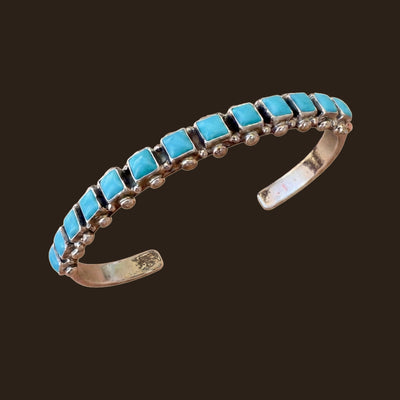
The full bezel is the most traditional answer to what is a bezel setting, as it provides a complete, unbroken perimeter of sterling silver (.925) or solid 14K gold around the cabochon. This design is the gold standard for security, making it the preferred choice for Everyday Essentials that need to withstand heavy use. Because the metal covers the entire side of the stone, it completely hides any natural imperfections or unevenness on the stone's edge. This creates a bold, framed appearance that works beautifully for large statement pieces, providing a clean boundary between the vibrant turquoise and the surrounding metal. It's a grounded, sturdy choice for rings that might bump against hard surfaces throughout the day.
The Partial Bezel: Modern Variation
A partial bezel, sometimes called a semi-bezel, is a modern variation often found in contemporary Southwestern style designs. In this style, the metal rim is intentionally interrupted, leaving sections of the stone's edge exposed. This allows the viewer to see more of the stone's profile and the natural transition from the face to the base of the cabochon. Unlike faceted gemstones where open settings are used to invite light, the choice for opaque turquoise is primarily about the visual composition and showing off the stone's depth. Because parts of the edge are visible, this style requires a very high-quality stone edge with a clean, hand-cut finish. It offers a lighter visual feel while still providing significant protection at the most vulnerable points. At Wildflower, we often use this style to create a sense of movement or to highlight an unusual stone shape that doesn't require a full enclosure to stay seated firmly.
The Silversmithing Process Behind a Hand-Cut Bezel
In our Santa Fe studio, creating a bezel is a quiet dialogue between the metal and the stone. To fully understand what is a bezel setting, one must look at the artisan's bench where the process begins with a single, precise measurement. Because no two hand-cut stones are identical, we cannot use pre-fabricated components. We measure the circumference of the cabochon with a fine strip of paper or a specialized gauge to ensure the bezel wire will wrap perfectly around its base. This isn't mass production; it is a custom-tailored suit for a piece of the earth. Once the wire is cut and the ends are filed flat, they are soldered together to form a hoop that matches the stone's unique silhouette.
The next step is to create the floor of the setting. The bezel wire is soldered onto a backplate of sterling silver (.925) or solid 14K gold, creating a watertight, secure cup. This foundation is critical. It provides the structural integrity that prevents the stone from shifting or rattling over time. After the excess backplate is trimmed away and the edges are filed smooth, the stone is nestled into its new home. The artisan must apply steady, deliberate pressure to slowly massage the metal rim over the stone's shoulder, ensuring a seamless, gap-free fit that leaves no room for movement. This stage requires a sensitive touch, as too much pressure can crack a delicate turquoise stone, while too little leaves the stone vulnerable.
Customizing the Bezel Height
The height of the bezel wall is a functional decision that deeply impacts the jewelry's aesthetic. The wall must be tall enough to grip the stone securely, yet short enough to allow the full beauty of the cabochon face to shine. Hand-cutting the bezel allows us to make micro-adjustments based on the dome height of the stone. A high-domed stone might require a taller wall for stability, while a flatter stone needs a lower profile to avoid looking buried in metal. Precision in this height ensures the stone does not rattle, providing a grounded sense of quality you can feel when you wear the piece.
Finishing and Polishing
Once the stone is set, the metal requires a final refinement. We use various grades of sandpaper and polishing wheels to remove any tool marks left by the burnisher or pliers. The transition between the turquoise and the metal should feel smooth to the touch, with no sharp edges to snag on your clothing. When working with sterling silver, the metal is often softer and more responsive to the burnishing tool, whereas solid 14K gold requires more strength and patience to move. Both metals are polished to a mirror finish or a soft satin glow, highlighting the contrast between the bright metal and the intricate matrix of the stone.
Every hand-cut bezel we forge is designed to honor the natural narrative of the stone it holds. You can see this dedication to craftsmanship in our collection of one-of-a-kind artisan pieces, where no two settings are ever identical.
Maintaining the Integrity of Your Bezel Jewelry
Proper care for your artisan jewelry ensures that the hand-forged bond between the precious metal and the genuine stone remains secure for a lifetime. Maintaining the integrity of the setting is a simple practice of observation and gentle cleaning that honors the labor of the silversmith.
Because turquoise is a porous gemstone, you should avoid submersing your jewelry in water. The stone can absorb moisture, oils, and perfumes, which often results in a permanent shift in its natural hue. When you understand what is a bezel setting, you realize that while the metal rim provides a sturdy frame, it can also trap water against the stone's base if the piece is soaked. You should never use ultrasonic cleaners for organic stones like turquoise or lapis lazuli. The intense vibrations of these machines can cause internal fractures or strip away the stone's natural luster, potentially ruining a one of a kind piece. Instead, a gentle, dry approach is the most effective way to preserve the narrative of your collection.
Cleaning Around the Rim
Fine dust and debris can sometimes collect in the small crevice where the metal meets the stone. To remove this buildup, use a dry, soft bristled brush to gently sweep away particles without scratching the cabochon or the metal. This is much safer than using silver dips or harsh chemical cleaners, which can be too abrasive for the stone's delicate surface. To keep the sterling silver (.925) or solid 14K gold rim bright and reflective, simply rub it with a dry, soft polishing cloth. This simple ritual keeps the contrast between the bright metal and the deep stone matrix vivid and clean without compromising the stone's chemistry.
Professional Inspections
While the bezel is one of the most durable settings available, it's a good habit to check your jewelry periodically for any signs of wear. If you happen to give your ring or cuff a hard knock against a doorframe, take a moment to look for any new gaps between the metal and the stone. We recommend a professional inspection once a year to ensure the setting remains tight. Understanding what is a bezel setting means recognizing that metal is malleable; over years of wear, the rim may need a slight adjustment to maintain its grip. An artisan can easily burnish the metal back into place if it has shifted slightly, restoring the protective embrace of the setting. Proper care ensures your Southwestern style jewelry remains a grounded staple in your wardrobe for years to come.
For more detailed advice on preserving your collection, you can visit our care and repair page.
Honoring Your Stones with Lasting Craftsmanship
Choosing the right setting is a quiet act of stewardship for the natural beauty you wear every day. We've explored how this hand-forged technique creates a protective embrace around your most cherished stones, shielding them from the bumps and snags of a busy life. By understanding what is a bezel setting, you can select pieces that offer both architectural elegance and the structural integrity needed for softer gemstones like turquoise. Each custom-fit rim, whether in sterling silver (.925) or solid 14K gold, is a testament to the deliberate precision of the silversmith's bench.
Our studio remains committed to the stone-first philosophy, using only genuine, untreated stones that tell their own geological story. We hope this knowledge gives you the confidence to invest in artisan-made work that values authenticity over mass production. Your collection is a vessel for your history, and it deserves a home that is as resilient as it is soulful.
We invite you to carry these pieces into your world with the peace of mind that they are built to last for generations.
Frequently Asked Questions
Is a bezel setting more secure than prongs?
A bezel setting is significantly more secure than prongs because it provides a continuous metal wall around the stone's perimeter. Prongs rely on small, individual points of contact that can thin, bend, or break over time. With a bezel, there are no claws to snag on your clothing or pull away from the stone. It is the ideal choice for those with active lifestyles who want to wear their jewelry without constant worry.
Does a bezel setting make a stone look smaller or larger?
A bezel setting typically makes a gemstone appear larger by adding the width of the metal rim to the stone's visual diameter. The bright sterling silver or solid 14K gold acts as an extension of the stone's edge. This creates a bolder, more substantial look on the hand or neck. It frames the cabochon like a piece of art, drawing the eye to the unique matrix and color of the turquoise.
Can any gemstone be placed in a bezel setting?
Most gemstones can be placed in this type of setting, though it's the preferred choice for softer, opaque stones. When people ask what is a bezel setting best used for, we often point to cabochons like turquoise or white buffalo. These stones lack the hardness of diamonds and need the extra defense against chips. Faceted stones can also be bezel-set for a modern, low-profile aesthetic that protects the girdle.
Is it harder to clean a bezel-set ring?
It is generally easier to clean a bezel-set ring because the smooth metal surface lacks the tight crevices found in prong settings. You won't find lint from your sweaters or hair trapped around the stone. A quick wipe with a soft polishing cloth is usually all it takes. For any dust that settles near the rim, a dry, soft brush can safely clear it away without the need for moisture or chemicals.
What is a flush setting compared to a bezel?
A flush setting is a variation where the stone is nestled into a hole so it sits perfectly level with the metal surface. While a traditional answer to what is a bezel setting involves a raised rim of metal, a flush setting offers a completely smooth profile. This style is exceptionally durable and modern. It's a favorite for wedding bands or everyday rings where a snag-free surface is the highest priority.
Article by
Kimberly Cordova
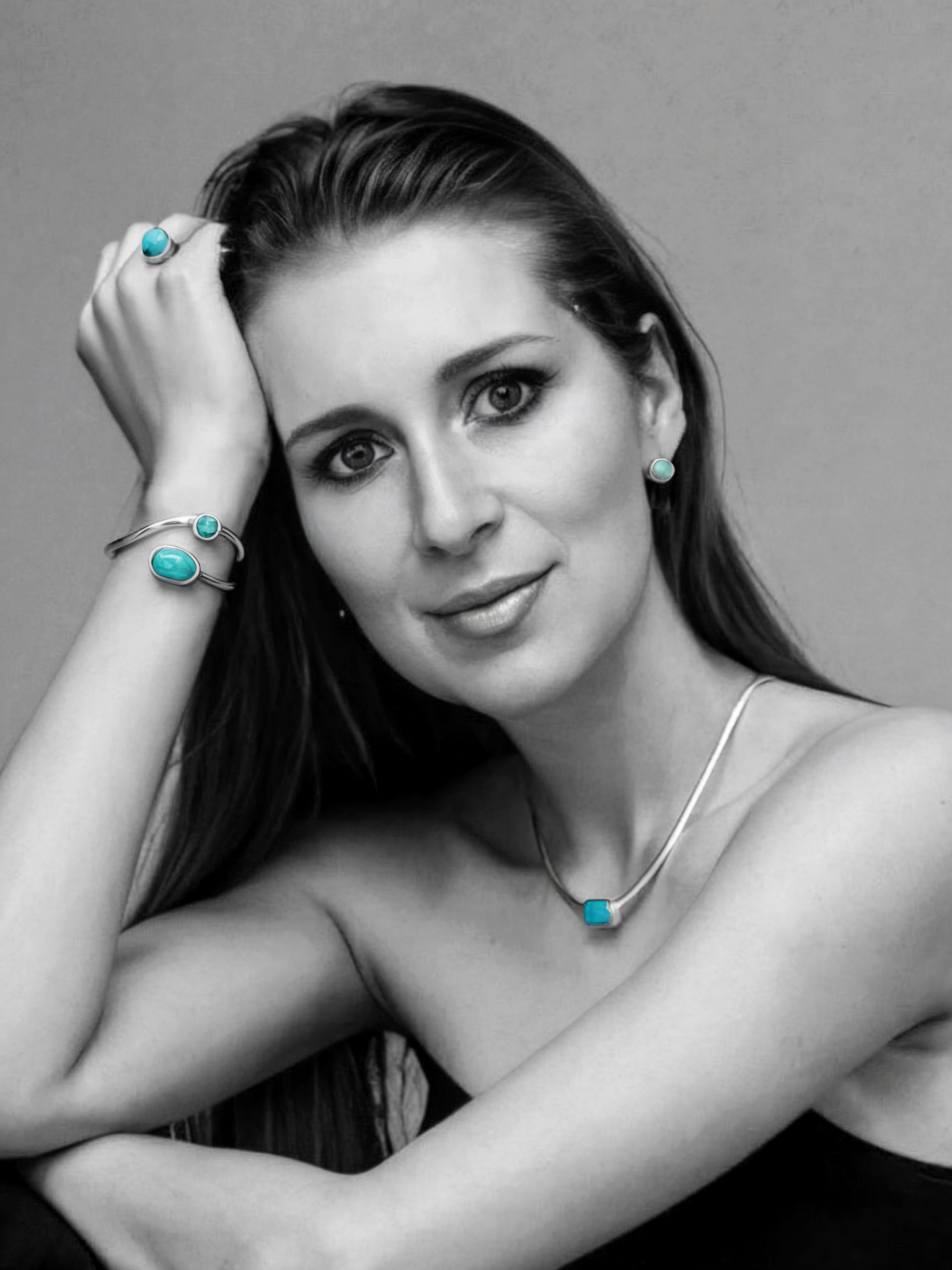
Kimberly Cordova is the founder and creative director of Wildflower Artisans, a handmade jewelry brand rooted in Santa Fe. Real turquoise, solid sterling silver, and a small line set in solid 14K gold. She built Wildflower around a simple belief: the best jewelry is the kind you actually reach for, not the kind you save for someday.
The collection is built three ways. Some pieces are made in-house, cut by her husband Greg from stones he sources himself, including rough from the family's King's Manassa Mine in Colorado and White Buffalo Mine in Nevada. Some are designed by Kimberly and fabricated by a trusted circle of Santa Fe silversmiths. And some are finished work she curates from artisan makers whose craft meets the same standard, because building a real collection means knowing when to make and when to look.
Turquoise leads, joined by White Buffalo, Wild Horse, Lapis Lazuli, Spiny Oyster, Black Onyx, Opal, and other genuine semi-precious stones. No shortcuts on the stone, the silver, or the story behind either.
Her writing covers everything she has learned along the way: how turquoise forms, how to tell natural from stabilized, what makes one mine different from another, how to read a bezel, and how to shop with confidence in a market that is not always straightforward. It is the kind of plainspoken information she wished someone had laid out for her when she was starting out.
Browse the collection at wildflowerartisans.com. Questions about a stone, a setting, or a specific piece are welcome any time.

0 comments