

A wedding ring should be as enduring as the high-desert landscape that inspired its stones, yet many mass-produced versions of a turquoise inlay wedding band for men rely on dyed plastic and fragile adhesives. You deserve a piece that honors the weight of your commitment through honest materials and intentional design. At Wildflower Artisans, we see jewelry as a vessel for emotion and a celebration of natural, grounded beauty.
We understand the hesitation of choosing a band when the market is flooded with imitation materials that lose their luster or shed stones within months. You want a piece that balances a rugged, Southwestern aesthetic with the structural integrity required for an active life. It's a search for something real in a world of synthetic shortcuts.
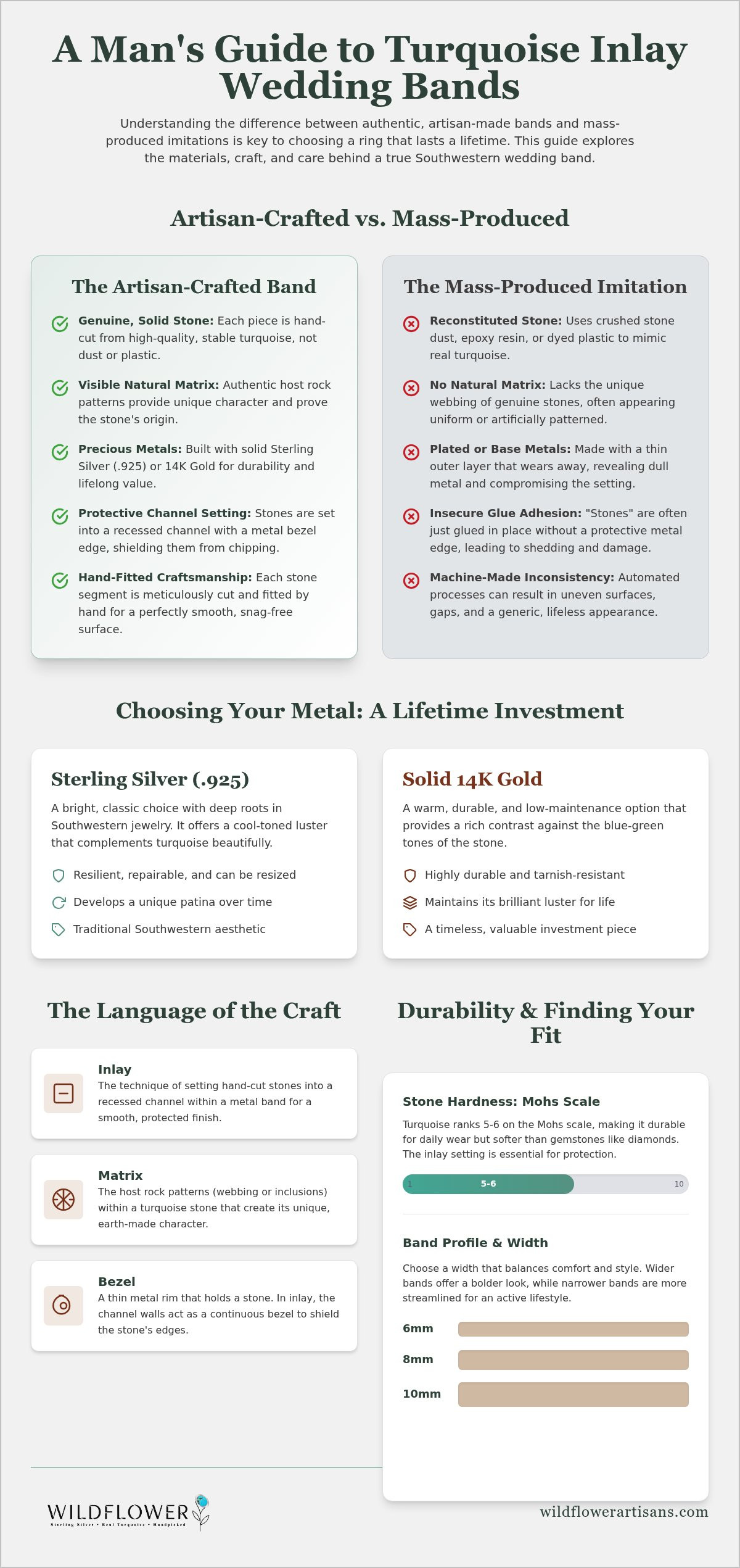
In this guide, we will explore how to distinguish genuine, mine-specific stones from treated fakes and why a hand-cut inlay set in sterling silver (.925) or solid 14K gold offers superior longevity. We will preview the nuances of stone matrix and artisan techniques so you can invest in a ring built to last a lifetime. Discover the difference that Wildflower makes through intentional, studio-made craftsmanship.
Key Takeaways
- Learn to distinguish genuine, hand-cut stones from dyed imitations when selecting a turquoise inlay wedding band for men.
- Understand why choosing sterling silver (.925) or solid 14K gold is essential for the structural integrity of a recessed inlay.
- Explore how mine-specific origins and unique matrix patterns define the character of artisan-made Southwestern jewelry.
- Discover the specific maintenance steps needed to protect stones that rank between 5 and 6 on the Mohs scale for a lifetime of wear.
- Compare band profiles and widths to find a fit that balances traditional aesthetics with the comfort of an active lifestyle.
Understanding the Craft of a Turquoise Inlay Wedding Band for Men
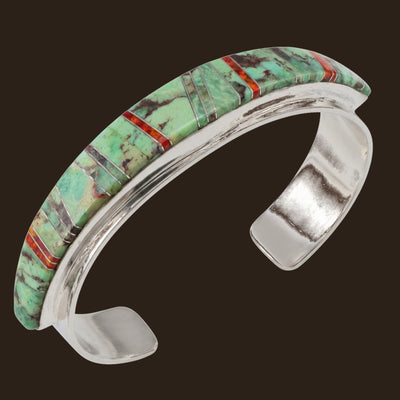
A turquoise inlay wedding band for men is constructed by setting solid, hand-cut stones into a recessed channel within the metal band to provide both beauty and protection. This method relies on the lapidary skill of fitting each stone segment with precision to ensure a smooth, durable surface that can withstand the rigors of daily wear.
The journey of a quality band begins with the selection of high-quality rough turquoise. We prioritize stones that are naturally stable and dense, as these are the only ones capable of holding a high polish over time. In many industrial or mass-produced rings, manufacturers use crushed stone dust mixed with epoxy resin. This shortcut lacks the depth and character of genuine mineral. At Wildflower, we believe in the integrity of solid stone. This approach preserves the natural story of the rock, allowing the matrix to remain visible. Matrix refers to the host rock patterns that create the unique webbing or inclusions within the turquoise stone.
By using a channel setting, the metal edges of the ring act as a protective bezel for the turquoise. A bezel is a thin metal rim that holds a stone in place and shields its perimeter. This design choice is vital for an active lifestyle, as it prevents the edges of the stone from chipping when you're working with your hands or adventuring outdoors.
The Lapidary Process: Cutting and Fitting
The lapidary process involves the meticulous shaping of raw stone into precise slivers or cabochons. A cabochon is a gemstone that has been shaped and polished into a smooth, rounded form rather than being faceted with sharp angles. For a turquoise inlay wedding band for men, these pieces must be ground down to match the exact curvature of the metal band. Each segment is fitted by hand, one by one, until the surface is flush with the metal. This smooth finish is not just for aesthetics; it prevents the ring from snagging on clothing and keeps moisture from seeping behind the stones. If you're curious about the specific terminology we use in the studio, our turquoise glossary offers deeper insight into the world of lapidary arts.
Southwestern Style and Traditional Techniques
The art of stone inlay has deep roots in the high-desert traditions of the Southwest. While modern machines can churn out thousands of identical rings, the artisan-made approach celebrates the organic variation of the earth. No two pieces of turquoise are truly identical. When an artist hand-cuts each stone, they participate in a narrative of craftsmanship that spans generations in Santa Fe. These traditional techniques ensure that your band carries an individual soul. It's a connection to the land and the maker that mass-produced jewelry simply cannot replicate. We focus on the quiet details, finding beauty in the slight, natural asymmetries that prove a human hand was involved in the creation.
Selecting the Right Metal: Sterling Silver vs Solid 14K Gold
Choosing the metal for a turquoise inlay wedding band for men requires a balance between the artistic luster of the material and the structural security it provides for the hand-cut stones. We work exclusively with sterling silver (.925) and solid 14K gold to ensure that every band can be resized, repaired, and passed down through generations. Unlike industrial metals such as tungsten or titanium, precious metals allow for a lifetime of adjustments as your hands change over the years.
We strictly avoid plated, filled, or vermeil metals in our studio. These materials consist of a thin layer of gold or silver over a base metal like brass or copper. For a wedding band subjected to daily friction, the outer layer will inevitably wear away, exposing the dull metal beneath and potentially compromising the adhesive bond that holds the turquoise in place. Investing in solid metal ensures that the ring remains a consistent, high-quality vessel for your stones.
The Longevity of Sterling Silver (.925)
Sterling silver (.925) is a favored medium in our studio because of its bright, reflective quality and its deep roots in Southwestern jewelry traditions. To ensure a turquoise inlay wedding band for men stands up to decades of wear, we utilize heavy-gauge silver. Gauge refers to the thickness of the metal; a higher gauge provides the necessary rigidity to prevent the band from warping or bending under pressure. Over time, silver develops a unique patina, a soft darkening in the recessed areas that enhances the visual depth of the turquoise matrix. While silver requires occasional polishing to maintain its brilliance, many men appreciate how the metal ages and settles into a character that reflects their own history.
The Heritage Value of Solid 14K Gold
Solid 14K gold offers a dense, tarnish-resistant foundation that provides the ultimate security for a turquoise inlay. While 18K gold is prized for its purity, 14K gold (which contains 58.3 percent pure gold) is the studio standard for men's wedding bands because the alloying metals provide increased hardness. This durability is essential for protecting the stones within the channel. Gold settings are particularly effective at maintaining a tight grip on the inlay segments, reducing the risk of stone loss during vigorous activity. Because gold does not oxidize like silver, it maintains a consistent, warm glow that creates a striking contrast against deep blue or green stones. You can view our artisan-made rings to see how different metals influence the final expression of the turquoise.
If you are ready to see how these metals look when paired with genuine stones, you can explore our current selection of men's turquoise and silver jewelry. Each piece is crafted in our studio with the same attention to metal gauge and stone security discussed here.
Turquoise Varieties and Mine-Specific Origins
The character of a turquoise inlay wedding band for men is defined by the specific mineral composition and geological origin of its stones, which range from vibrant sky blues to earthy high-desert greens. Each mine produces a distinct signature of color and matrix, a term that refers to the host rock patterns that create the unique webbing or inclusions within the stone. By understanding these variations, you can select a band that resonates with your personal aesthetic and values.
When you choose a band from our studio, you aren't just selecting a color; you're selecting a piece of geography. We focus on mine-specific turquoise because genuine, untreated stones hold their value and structural integrity far better than dyed howlite. Howlite is a naturally white, porous mineral that is often chemically treated with blue dye to imitate the appearance of turquoise. While it might look similar at a glance, dyed stones lack the mineral density and the unique narrative of a stone pulled from a historic American mine. Learning about stone origins allows you to appreciate the genuine rarity of the material on your finger.
Kingman and Royston: Classic American Blues and Greens
Kingman turquoise, sourced from one of the oldest mines in Arizona, is celebrated for its recognizable bright blue hues often accompanied by a silver-toned or black matrix. It's a traditional choice for those seeking the quintessential Southwestern look. Conversely, stones from the Royston mine in Nevada are prized for their incredible color shifts. A single hand-cut piece might transition from a deep emerald green to a soft, tranquil blue within a few millimeters. These visual markers make Royston an excellent choice for a man who values organic, earthy tones and a more varied, landscape-like aesthetic.
White Buffalo and Rare Stone Alternatives
For a more modern or high-contrast look, many men opt for White Buffalo stone jewelry. While technically a magnesite found in the same geological veins as turquoise, White Buffalo is often grouped with it due to its striking black-and-white matrix. It's a rare find from a single mine in Nevada, and its monochromatic palette offers a sophisticated alternative to traditional blues. Pairing this bold stone with Kingman turquoise in an inlay creates a narrative of contrast and balance. Each combination of stones reflects a distinct personal style while maintaining the grounded, artisan-made quality we value in our studio.
Durability and Daily Maintenance for Inlay Bands
Turquoise ranks between 5 and 6 on the Mohs scale, meaning it's a relatively soft mineral that benefits from the structural protection of a recessed inlay setting. This design choice shields the stone edges from direct impact while allowing the natural beauty of the material to shine through daily life. By placing the stones within a metal channel, the band provides a level of durability that high-profile solitaire settings simply cannot match.
While the metal channel acts as a protective barrier, mindful wear is the key to preserving the integrity of your ring. We often tell our clients that a turquoise inlay wedding band for men is a piece of wearable art that lives with you. It's built for longevity, but it isn't indestructible. Exposure to harsh chemicals is the most common cause of stone dulling. Chlorine in swimming pools, bleach in cleaning supplies, and even certain heavy soaps can seep into the pores of the turquoise or compromise the bond of the inlay. Maintaining the stone's natural luster requires a gentle touch and a bit of awareness about your environment.
Protecting Your Ring During Physical Activity
We recommend removing your band during activities that involve heavy impact or sustained pressure. Heavy lifting at the gym or manual labor can cause the metal band to flex slightly. Even a minor warp in the metal can put stress on the hand-cut stones, potentially leading to cracks or loosening the segments. Temperature changes also play a role in the life of your ring. Moving from extreme desert heat to a cold mountain stream can cause the metal and stone to expand and contract at different rates. For these moments, keeping a simple silicone alternative on hand is a practical way to protect your artisan-made investment. You can find more detailed advice in our care and repair guide.
Cleaning and Care at Home
Maintaining the luster of your stones is a simple, meditative process that requires no specialized equipment. A soft, dry cloth is usually all you need to remove oils and dust from the surface. We strongly advise against using ultrasonic cleaners or steam machines. The high-frequency vibrations of an ultrasonic cleaner can rattle the stones within their channel, eventually causing them to loosen. Similarly, the intense heat of steam can damage the mineral structure of untreated stones. If your ring needs a deeper clean, a brief rinse with mild, pH-neutral soap and a soft toothbrush is sufficient. Avoid prolonged submersion in water, as moisture can find its way into the microscopic gaps of the setting. Our commitment to authenticity means we use stones that deserve this level of respect.
Selecting a piece that endures requires an appreciation for both the stone and the hands that shaped it. Our current collection of handmade turquoise rings demonstrates how thoughtful design can protect the most delicate minerals for a lifetime of wear.
Finding Your Fit: Style and Band Profiles
The profile and width of a turquoise inlay wedding band for men determine how the piece sits on the hand and how much of the stone's unique matrix is visible. Selecting the right dimensions is a balance of physical comfort, hand size, and the visual impact of the hand-cut stones. We typically craft these bands in widths ranging from 6mm to 10mm to ensure a presence that is substantial without feeling bulky.
Flat profiles offer a modern, architectural look that emphasizes the geometric precision of the lapidary work. This style provides a level surface that allows the viewer to appreciate the seamless transition between the metal and the stone. Conversely, domed or rounded profiles feel more traditional and often sit more comfortably against adjacent fingers. The thickness of the metal must be carefully calculated. It needs to be deep enough to house the recessed channel for the stones while maintaining a profile that doesn't interfere with your daily grip.
Choosing the Right Width and Finish
Wider bands, such as those in the 8mm to 10mm range, provide a larger canvas for complex stone patterns and expansive matrix displays. Matrix refers to the host rock patterns that create the unique webbing within the stone. If you prefer a more subtle aesthetic, a 6mm band offers a refined sliver of color that complements a variety of styles. The finish of the metal also plays a significant role in the ring's character. A brushed finish creates a matte, understated texture that hides the inevitable scratches of an active life. A polished finish highlights the brilliance of sterling silver (.925) or solid 14K gold, creating a sharp contrast with the earthy stones. You can see these variations in our collection of artisan-made rings.
The Importance of Accurate Sizing
Getting your size right the first time is essential because a turquoise inlay wedding band for men is exceptionally difficult, and sometimes impossible, to resize. The process of resizing a standard band involves heating the metal, which can shatter the delicate stone segments or destroy the bond within the channel. Because wider bands cover more surface area on the finger, they often feel tighter than a thin ring of the same size. We generally recommend using a wide-band sizer and potentially going up a half size to ensure a comfortable fit. If you are unsure, we encourage a conversation with the studio to discuss the nuances of our specific designs. Understanding these technical details is a core part of our stone-first philosophy, ensuring that your ring remains a comfortable, permanent fixture in your life.
Choosing a Band for the Journey Ahead
Selecting a turquoise inlay wedding band for men is an intentional act of honoring both a relationship and the natural world. It's about choosing materials that mirror the strength of your own story. By prioritizing hand-cut stones from recognized American mines, you ensure the vibrant blues and greens are as genuine as the commitment they represent. These stones possess a mineral density that treated imitations simply cannot replicate.
We believe that heavy-gauge sterling silver (.925) and solid 14K gold provide the only suitable foundation for these mineral treasures, offering a density that protects the inlay for decades. Every ring is artist-made in the USA with guaranteed authentic turquoise, ensuring that no dyed fakes ever leave our studio. This focus on structural integrity and stone-first philosophy ensures your band remains a resilient vessel for emotion.
These pieces don't just mark a moment; they carry the warmth of the maker's hand and the enduring spirit of the high desert. We invite you to find a band that feels like a natural extension of your life together. It's a piece of the earth, refined for a lifetime of wear.
Frequently Asked Questions
Is turquoise durable enough for a man's daily wedding band?
Turquoise is a natural mineral that is durable enough for daily wear when it is properly protected by a metal channel or bezel. While it ranks softer than diamonds, the recessed design of a turquoise inlay wedding band for men shields the stone segments from most direct impacts. We recommend removing the ring during heavy labor or contact sports to prevent accidental cracking. With these simple precautions, your artisan-made band will remain a beautiful, grounded heirloom for decades.
What is the difference between block turquoise and genuine inlay?
Block turquoise is a synthetic material made from plastic or resin dyed to mimic the look of stone, whereas genuine inlay uses segments of hand-cut natural mineral. Authentic stones offer unique matrix patterns and mineral variations that mass-produced block materials simply cannot replicate. Choosing genuine stone provides significantly higher value and aesthetic depth. It's the difference between a mass-produced imitation and a grounded piece of Southwestern style that carries its own narrative.
Can an inlay wedding band be resized?
Most turquoise inlay wedding bands cannot be resized because the heat and pressure required to alter the metal would shatter or dislodge the hand-cut stones. It's critical to get an accurate measurement using a wide-band sizer before you place your order. If a ring doesn't fit, it usually requires a full exchange rather than a traditional visit to a jeweler. We always suggest double-checking your size with a professional to ensure a perfect fit from the start.
How do I determine my ring size for a wider band?
Wider bands cover more of your finger's surface area and often feel significantly tighter than thin, traditional bands. For rings 6mm or wider, many people find they need to increase their size by a quarter or half size for a comfortable fit. We recommend being measured by a professional using a sizer that specifically matches the width of the band you intend to wear. This ensures the ring sits comfortably against the skin without pinching during daily movement.
Will the color of the turquoise change over time?
Natural turquoise is a porous mineral that can absorb oils from the skin or chemicals from household products, which may cause the color to shift toward a darker green over many years. This change is often viewed in Southwestern tradition as a beautiful, natural patina that tells the unique story of the wearer. To minimize this shift, avoid wearing your ring while applying lotions or using harsh cleaning agents. It's a living stone that settles into its own character as it ages with you.
How can I tell if the turquoise in my ring is real?
Genuine turquoise typically features an irregular matrix and subtle color variations that feel cool to the touch, unlike plastic imitations. You should always look for documentation of the stone's origin or the specific mine where it was found. Authentic artisan rings will be set in sterling silver (.925) or solid 14K gold and will lack the uniform, "perfect" look of dyed plastic or block turquoise. Real stone has an organic soul and character that mass-produced items lack.
Article by
Kimberly Cordova
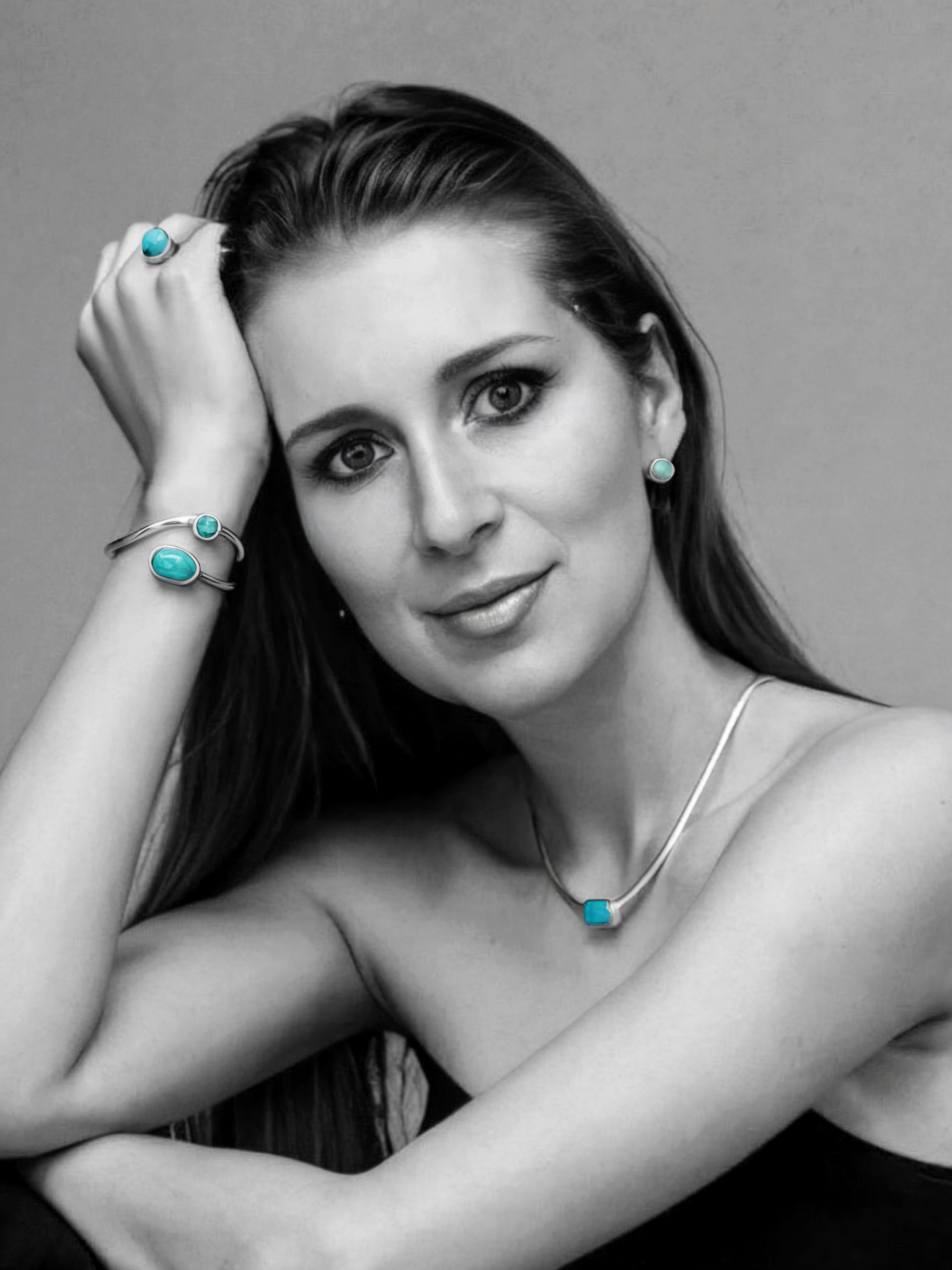
Kimberly Cordova is the founder and creative director of Wildflower Artisans, a handmade jewelry brand rooted in Santa Fe. Real turquoise, solid sterling silver, and a small line set in solid 14K gold. She built Wildflower around a simple belief: the best jewelry is the kind you actually reach for, not the kind you save for someday.
The collection is built three ways. Some pieces are made in-house, cut by her husband Greg from stones he sources himself, including rough from the family's King's Manassa Mine in Colorado and White Buffalo Mine in Nevada. Some are designed by Kimberly and fabricated by a trusted circle of Santa Fe silversmiths. And some are finished work she curates from artisan makers whose craft meets the same standard, because building a real collection means knowing when to make and when to look.
Turquoise leads, joined by White Buffalo, Wild Horse, Lapis Lazuli, Spiny Oyster, Black Onyx, Opal, and other genuine semi-precious stones. No shortcuts on the stone, the silver, or the story behind either.
Her writing covers everything she has learned along the way: how turquoise forms, how to tell natural from stabilized, what makes one mine different from another, how to read a bezel, and how to shop with confidence in a market that is not always straightforward. It is the kind of plainspoken information she wished someone had laid out for her when she was starting out.
Browse the collection at wildflowerartisans.com. Questions about a stone, a setting, or a specific piece are welcome any time.

0 comments