

Walking the sun-drenched trails of the Cerrillos Hills, you can still see the ancient pits where miners once worked the earth by hand. A handful of raw, sage-green stone pulled from this soil carries more than just color. It holds a lineage that predates modern borders. When you hold a piece of jewelry featuring this material, you're touching a legacy that spans over a millennium of human effort. Understanding the cerrillos turquoise history means looking back to a time when these hills were the most significant source of the stone in North America.
You might feel overwhelmed by the sea of mass-produced jewelry or confused by why some Cerrillos stones appear deep forest green while others lean toward a soft sky blue. It's a common concern for those seeking something truly authentic. The history is the key. In this article, you'll discover the thousand-year narrative of the Cerrillos Hills and how this storied stone continues to define authentic Southwestern jewelry today. We'll explain how the unique mineral composition of the area creates such a diverse palette, helping you feel confident in the provenance of your next piece.
Key Takeaways
- Trace the cerrillos turquoise history from its origins as a prehistoric trade treasure to its role in modern, artisan-made jewelry.
- Learn to identify the unique mineral signatures, such as complex tan matrices and deep green hues, that set these stones apart from other varieties.
- Understand the massive scale of the prehistoric mining complex at Mount Chalchihuitl and its impact on early regional trade.
- Discover why authentic Cerrillos material is increasingly rare and how to verify the provenance of stones from this protected district.
- See how the early availability of this stone shaped the foundational techniques of Southwestern jewelry design before the era of silversmithing.
What is the history of Cerrillos turquoise?
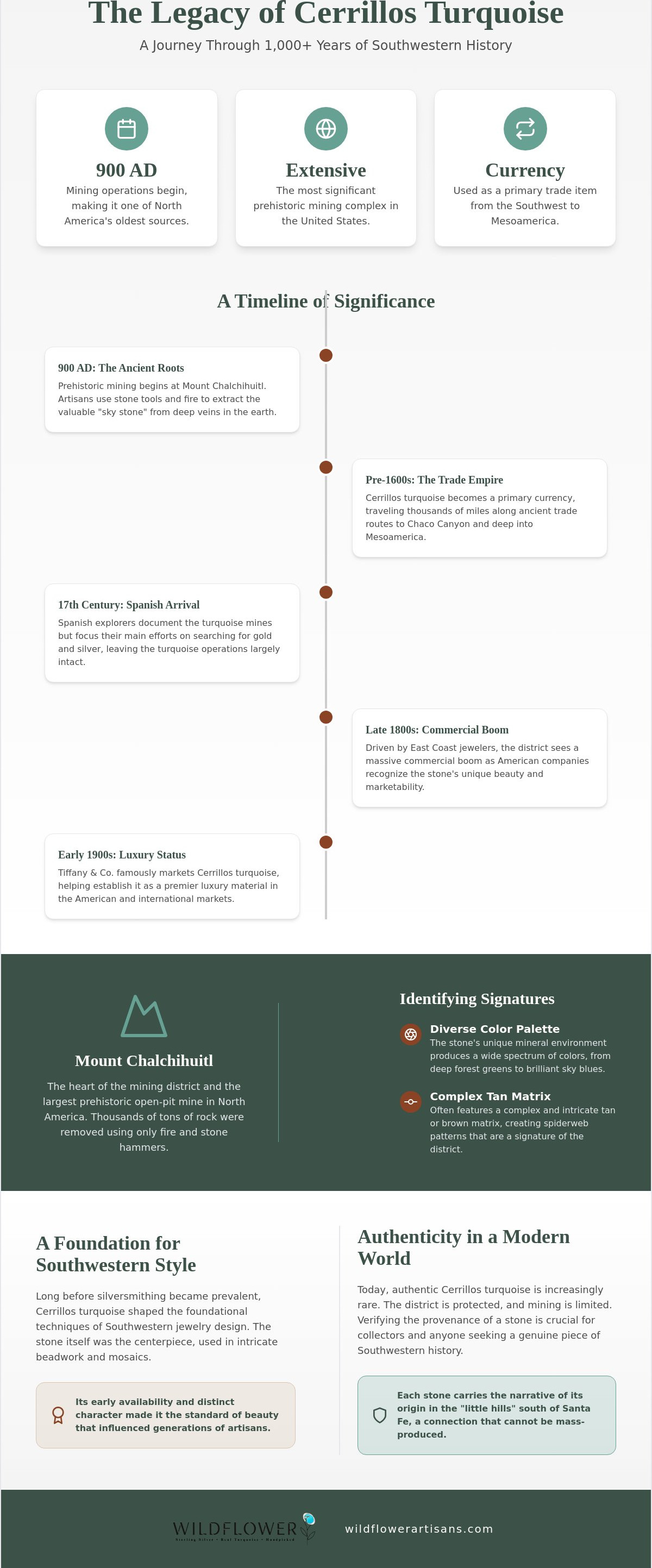
Cerrillos turquoise history spans over a thousand years, marking it as one of the oldest and most significant mineral sources in North America. The district is famous for its distinctive green and blue hues, which have been used in adornment since the prehistoric era.
Long before modern borders existed, these stones traveled along ancient trade routes as a primary currency for civilizations across the Southwest and into Mexico. The name itself comes from the Spanish word for "little hills," describing the low, rolling mountains south of Santa Fe where the veins of turquoise were first discovered. To understand the broader History of Los Cerrillos, one must look at how the town's identity has always been tied to the earth beneath it.
To better understand the landscape of this historic mining district, watch this helpful video:
The ancient roots of the Cerrillos district
The Spanish and American mining eras
When Spanish explorers arrived in the 17th century, they documented the turquoise but focused their efforts on searching for gold and silver. The district saw a massive commercial boom in the late 1800s, driven by East Coast jewelers who recognized the stone's unique beauty. Tiffany and Co. famously marketed Cerrillos turquoise in the early 20th century, which helped establish it as a luxury material in the American market. Today, we continue to honor this narrative by using carefully sourced stones in our Cerrillos turquoise jewelry, maintaining a connection to the "little hills" that started it all.
Why are the Cerrillos Hills significant to Southwestern history?
The Cerrillos Hills contain the most extensive prehistoric mining complex in the United States. This small cluster of peaks represents the geographical heart of North American turquoise mining, serving as the material foundation for the very first Southwestern jewelry styles.
These hills aren't just dirt and stone. They are a repository of human ambition, where the rhythmic strike of stone on rock echoed long before the first Spanish explorers arrived in the valley. Beyond the stones themselves, the district is a unique intersection of ancient, Spanish, and American frontier history. The New Mexico Geological Society has documented how these mining operations shaped the local economy, moving from prehistoric trade to a 19th-century boom that briefly turned the area into a rival for much larger cities. This deep-seated cerrillos turquoise history gives every hand-cut cabochon a sense of place that mass-produced stones can't replicate.
Mount Chalchihuitl and the prehistoric boom
Mount Chalchihuitl is the site of the largest single prehistoric open-pit mine in North America. Ancient miners removed thousands of tons of rock using only fire and stone hammers, a process that required immense patience and a highly organized social effort. The sheer scale of these pits indicates that this location was the spiritual and economic center of the turquoise world for centuries. It wasn't just a job; it was a communal endeavor to pull "sky stone" from the earth. This prehistoric boom established trade routes that stretched thousands of miles, ensuring that Cerrillos material was the standard of beauty for generations. When we look at the matrix of a Cerrillos stone today, we see the same geological character that those early artisans prioritized in their work.
A crossroads of historical figures
In the late 1800s, the district became a bustling crossroads that attracted everyone from territorial governors to the famous inventor Thomas Edison. While Edison was primarily interested in gold extraction experiments, his presence highlights the district's reputation as a place of immense natural wealth. Cerrillos was a lively mining camp where the promise of a lucky find drew people from across the globe, briefly rivaling the population of Santa Fe. These layers of human experience add a narrative depth to the area, making the hills a repository for the American frontier spirit. Every stone recovered from these hills carries the ghost of that excitement. If you're looking to bring a piece of this narrative home, you can explore our current collection of artisan-made jewelry featuring these storied stones.
What makes Cerrillos turquoise unique among Southwestern stones?
Cerrillos turquoise is unique for its wide color range, which includes brilliant greens, deep blues, and complex tan matrices. This stone is distinguished by its high iron content and exceptional hardness compared to other regional varieties. The matrix is the host rock that remains visible in the finished cabochon. A cabochon is a stone that has been shaped and polished into a smooth, rounded form rather than faceted like a diamond. Unlike the uniform blue often found in Sleeping Beauty stones, Cerrillos material shows a variegated, organic appearance that tells the story of the specific earth it came from. The cerrillos turquoise history is visible in these shifts of color, making each piece a distinct record of the local geology.
The hardness of this stone is another factor that sets it apart. It ranks higher on the Mohs scale than many other varieties, which makes it ideal for high quality lapidary work. It takes a high polish and holds up well in everyday jewelry, sitting securely within a sterling silver bezel. Because the stone is naturally durable, it doesn't always require the stabilization treatments common in softer turquoise. This allows the artisan to work with the material in its most authentic state, honoring the natural textures found in the hills. Working with such hardy material is a joy for any studio focused on small batch, handcrafted pieces.
The chemistry of color: Green vs. Blue
The specific color of a stone depends on the minerals present when it formed millions of years ago. Copper produces the classic blue tones we often associate with the Southwest, while iron introduces earthy greens. Cerrillos is one of the few districts where both colors can be found in a single stone. These variations reflect the fleeting beauty of the natural world and the unique conditions of the mine. Finding a stone with a perfect balance of sky blue and moss green is a rare occurrence that collectors prize. It reminds us that nature doesn't work in batches; it creates one-of-a-kind compositions that reflect the cerrillos turquoise history through chemical signatures.
Identifying the Cerrillos matrix
The matrix in Cerrillos stones provides a grounded contrast to the vibrant blues and greens. You'll often see a tan, brown, or reddish-brown host rock that creates a frame for the turquoise. In some rare cases, this host rock forms a spiderweb matrix. A spiderweb matrix is a pattern of thin, delicate lines of host rock that crisscross the stone like a net. This intricate look is highly sought after by collectors. We often feature these patterns in our Cerrillos turquoise jewelry because they highlight the hand-cut nature of our work. The matrix isn't a flaw. It's a signature of the stone's origin and the artisan's eye for composition.
How has Cerrillos turquoise influenced Southwestern jewelry design?
The availability of Cerrillos turquoise dictated the early palettes and techniques of Southwestern jewelry. Because the mines were so productive, it became the standard against which all other stones were measured. This cerrillos turquoise history isn't just about the mining; it's about the evolution of the craft itself. Long before silversmithing arrived in the region, artisans were already working with these stones. They used the material's natural durability to create pieces that could survive travel and trade, establishing a tradition of bold, sculptural design that remains popular today.
From ancient beads to sterling silver
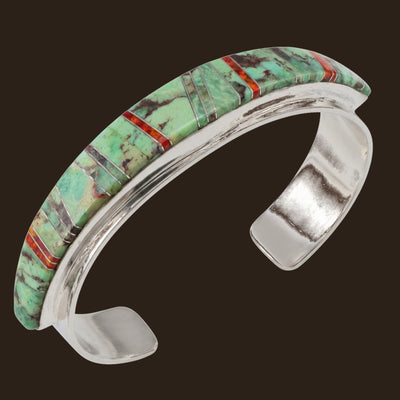
The first jewelry pieces were simple hand-drilled tabs and beads used in trade. These were often strung on cord or used in complex mosaic work. When sterling silver was introduced to the region, it changed everything. Metal allowed for the stone to be framed in elaborate, artisan-made settings. We focus on pairing these historic stones with heavy-gauge silver to honor their rugged origin. This weight feels intentional and secure, balancing the organic shapes of the hand-cut stones. You can see this influence in our one-of-a-kind artisan pieces, where the silver serves as a quiet frame for the stone’s narrative.
The role of the lapidary artist
A lapidary is an artist who cuts, shapes, and polishes raw stones into finished cabochons. This stage is where the stone's inner life is revealed. Greg Cordova at Cutting Edge Turquoise meticulously cuts stones to highlight their natural matrix and color. He understands that the way a stone is cut determines how it interacts with light and how it feels against the skin. A well-cut cabochon should have a smooth, high polish that invites touch. This artisan-made approach ensures that the unique character of the Cerrillos district is preserved in the finished jewelry.
Modern designers use Cerrillos turquoise to evoke a sense of history and connection to the land. It's a way to carry the weight of the past into a modern wardrobe. The stone's natural hardness allows for the creation of large statement pieces and intricate bezels that wouldn't be possible with softer materials. We often see these stones used in mixed metal designs or paired with chunky chains to reflect current trends while staying grounded in tradition. By honoring the cerrillos turquoise history through modern design, we ensure the story of the hills continues. If you're ready to find a piece that connects you to this legacy, you can browse our current collection of artisan-made jewelry to see the results of this careful work.
Where can you find authentic Cerrillos turquoise jewelry today?
Authentic Cerrillos turquoise is increasingly rare because many of the historic mines, including the famous Mount Chalchihuitl, are now part of protected parkland. This means that large-scale commercial mining is a thing of the past in this district. To find genuine pieces today, collectors should look for small-batch studios that provide clear, verifiable information about the stone’s origin. You won't find these stones in high-volume retail stores or mass-market catalogs. Every piece of jewelry should be treated as a one-of-a-kind creation that simply cannot be replicated by a machine. We prioritize sourcing genuine stones and working with skilled artisans to preserve the legacy of the district. This careful approach ensures that the cerrillos turquoise history continues to be told through wearable art rather than just sitting in a museum case.
Sourcing genuine Cerrillos stones
Finding these stones requires a bit of patience and a discerning eye. Genuine material is usually pulled from "old stock" collections or small, privately held claims that have been in families for generations. When you're shopping, it's vital to avoid mystery metals and dyed stones by purchasing from transparent, grounded experts who understand the geological markers of the area. We often see stabilized or imitation stones labeled as Cerrillos in the broader market, which is why we provide as much detail as possible about our materials. You can check our Cerrillos stone origins page for more technical details on our sourcing and the specific mineral signatures we look for. Because we operate as a working studio, we can guarantee that the stone in your setting is the real deal, cut by a professional who respects the material.
The Wildflower philosophy
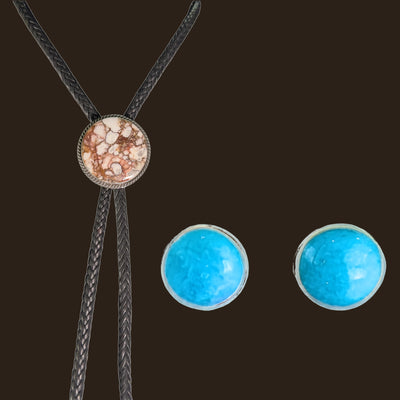
At Wildflower, we believe in a stone-first approach where the natural beauty of the turquoise leads every design decision. This means we look at the matrix, the specific hue of green or blue, and the shape of the cabochon before we ever touch the sterling silver. Our collection features handcrafted rings and pendants that celebrate the organic texture and "little hill" origins of these stones. We don't try to polish away the character or hide the host rock. Instead, we use techniques like custom-fitted bezels to highlight the asymmetrical beauty of the material. By choosing artisan-made pieces, you are supporting a tradition of craftsmanship that dates back centuries. It's a way to carry a piece of the cerrillos turquoise history with you, knowing that your jewelry was made with respect for the earth and the hands that shaped it.
Carrying the Spirit of the Hills
The cerrillos turquoise history is more than a timeline of mining; it's a narrative of human connection to the earth. From the prehistoric pits of Mount Chalchihuitl to the small batch pieces we create today, this stone has remained a symbol of the Southwest. You've discovered how the specific mineral chemistry produces colors that aren't found anywhere else, and why the durability of the material makes it so well suited for artisan-made jewelry. Every stone we select is guaranteed authentic and high quality, ensuring that the legacy of the district is respected in every detail.
We take pride in our "stone-first" approach, featuring cabochons that are hand-cut by expert lapidaries like Greg Cordova at Cutting Edge Turquoise. This focus on the individual character of the stone means your jewelry is a one-of-a-kind creation. Our studio remains rooted in these traditions, offering pieces that feel grounded and intentional. By choosing a stone with such a deep heritage, you're carrying forward a craft that has defined the region for over a millennium.
Explore our latest collection of handcrafted Southwestern jewelry to find a piece that resonates with your own story, or visit our Etsy shop for more unique artisan pieces. We look forward to helping you find a stone that feels like home.
Common Questions About Cerrillos Turquoise
Is Cerrillos turquoise rare?
Authentic Cerrillos turquoise is considered one of the rarest stones in the Southwest because the primary historic mines are now protected as part of a state park. Most of the material available today comes from older private collections or very small, privately held claims that produce only a limited amount of stone each year. This scarcity makes it a prize for collectors who value the cerrillos turquoise history and the unique character of the district.
Why is some Cerrillos turquoise green instead of blue?
The color of the stone is determined by the specific minerals present in the earth during its formation. High levels of iron in the local soil produce earthy green and sage tones, while copper creates the classic blue shades. Cerrillos is unique because the mineral balance varies so much across the hills that you can often find both colors in a single hand-cut cabochon.
How can I tell if my Cerrillos turquoise is authentic?
Verifying authenticity requires looking for the specific tan or reddish-brown matrix and the exceptional hardness that defines stones from this district. A matrix is the host rock that appears as a pattern within the turquoise. Because there are so many mass-produced imitations, the most reliable way to ensure authenticity is to purchase from a studio that provides clear information about the stone's origin and the cerrillos turquoise history behind the piece.
What is the most famous mine in the Cerrillos district?
Mount Chalchihuitl is the most famous site in the district and is recognized as the largest prehistoric open-pit mine in North America. For centuries, it served as a vital economic hub where ancient miners used fire and stone tools to extract the "sky stone." Today, the site remains a landmark of the region's long mining heritage, though it is no longer open for commercial extraction.
Can Cerrillos turquoise be worn every day?
Cerrillos turquoise is known for being harder and more durable than many other varieties, which makes it an excellent choice for everyday jewelry. It takes a high polish and resists scratching better than softer stones. We often set these hardy stones in a secure bezel, which is a thin strip of sterling silver that wraps around the edge of the stone to hold it firmly in place.
What does the word Chalchihuitl mean?
Chalchihuitl is an ancient word that translates roughly to "precious green stone" or "turquoise." It reflects the high value placed on these minerals by early civilizations who traded the stone across thousands of miles. The name remains tied to the most famous peaks in the Cerrillos Hills, serving as a reminder of the district's deep roots in the prehistoric world.
Is Cerrillos turquoise still being mined today?
New mining in the Cerrillos district is very limited and occurs only on a handful of small, private claims. Most of the historic mining area is now part of the Cerrillos Hills State Park, which protects the ancient pits from further commercial use. As a result, the majority of the stones we use in our studio are sourced from older stock or small, sustainable family operations.
How should I care for my Cerrillos turquoise jewelry?
The best way to care for your jewelry is to wipe it down with a soft, dry cloth after wearing and keep it away from harsh chemicals like perfumes or hairspray. Turquoise is a natural, porous material that can absorb oils and soaps, which may change the color over time. Storing your pieces in a dry place and avoiding ultrasonic cleaners will keep the stone and the sterling silver looking their best for years.
Article by
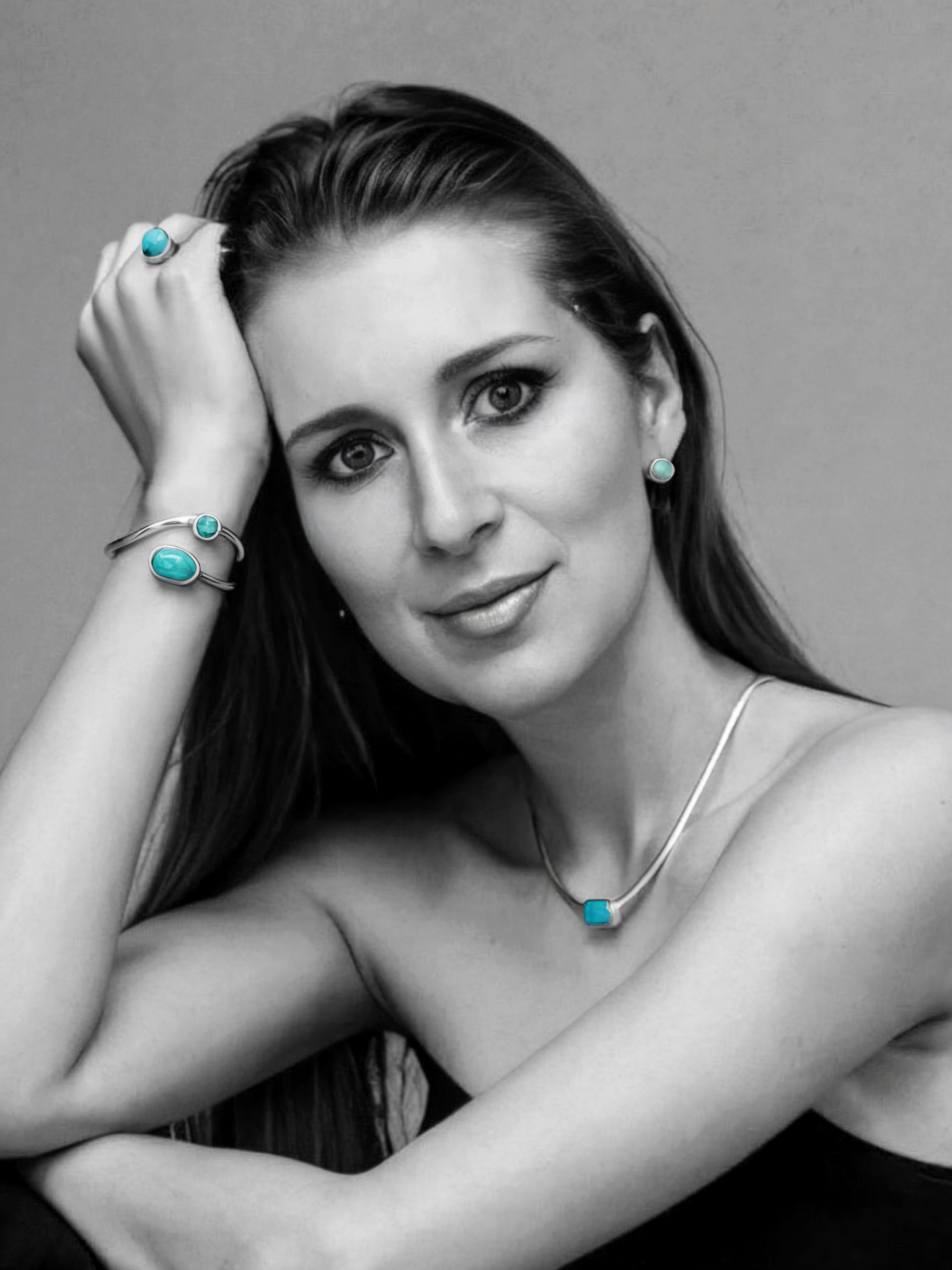
Kimberly Cordova
Kimberly Cordova is the founder and creative director of Wildflower Artisans, a handmade jewelry brand rooted in Santa Fe. Real turquoise, solid sterling silver, and a small line set in solid 14K gold. She built Wildflower around a simple belief: the best jewelry is the kind you actually reach for, not the kind you save for someday.
The collection is built three ways. Some pieces are made in-house, cut by her husband Greg from stones he sources himself, including rough from the family's King's Manassa Mine in Colorado and White Buffalo Mine in Nevada. Some are designed by Kimberly and fabricated by a trusted circle of Santa Fe silversmiths. And some are finished work she curates from artisan makers whose craft meets the same standard, because building a real collection means knowing when to make and when to look.
Turquoise leads, joined by White Buffalo, Wild Horse, Lapis Lazuli, Spiny Oyster, Black Onyx, Opal, and other genuine semi-precious stones. No shortcuts on the stone, the silver, or the story behind either.
Her writing covers everything she has learned along the way: how turquoise forms, how to tell natural from stabilized, what makes one mine different from another, how to read a bezel, and how to shop with confidence in a market that is not always straightforward. It is the kind of plainspoken information she wished someone had laid out for her when she was starting out.
Browse the collection at wildflowerartisans.com. Questions about a stone, a setting, or a specific piece are welcome any time.
0 comments