

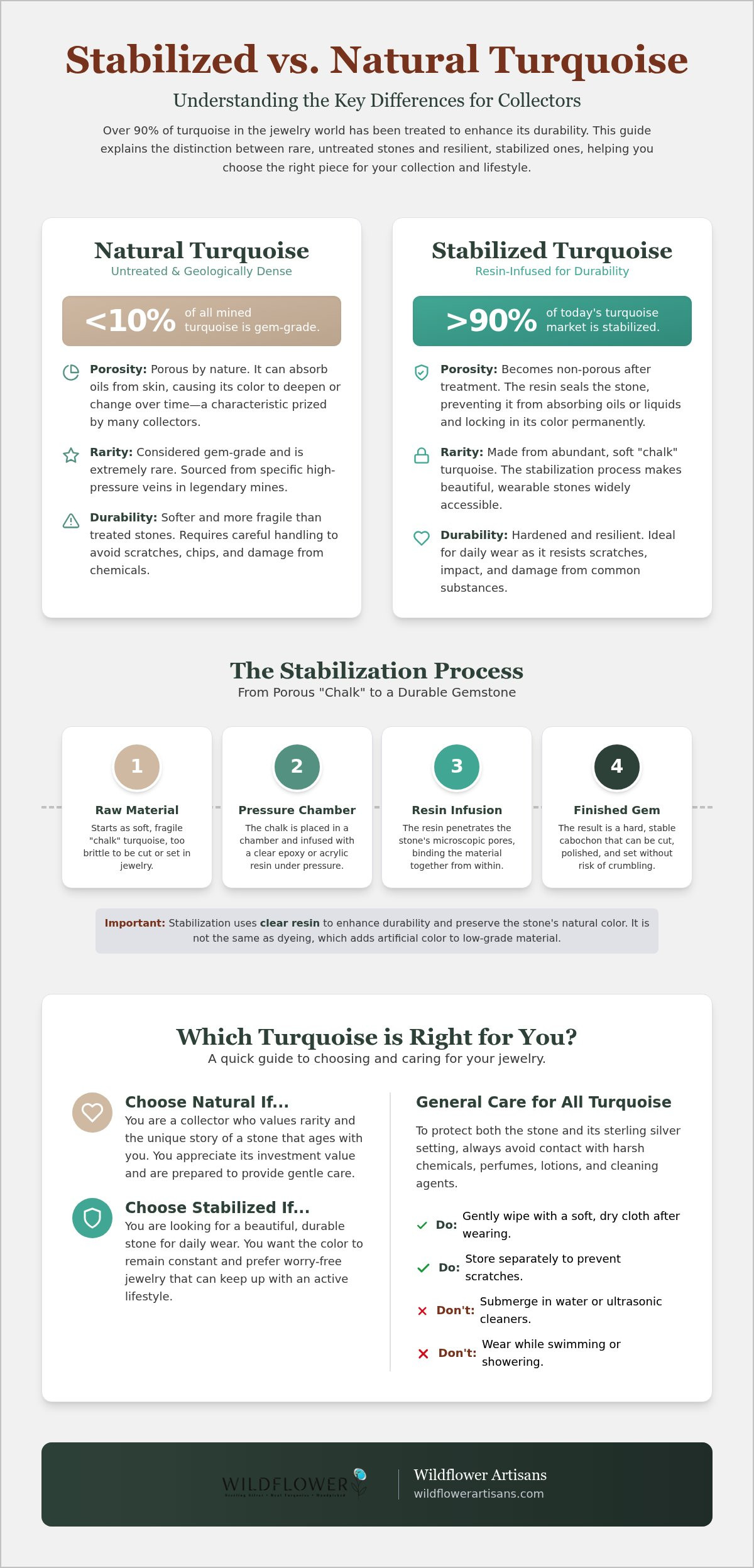
Over 90 percent of the turquoise circulating in the jewelry world today has been altered by human hands before it ever reaches a jeweler's bench. When you are holding a piece of Southwestern style jewelry, it's natural to feel a quiet uncertainty about what lies beneath the polished surface of the stone. You want to know if that deep blue cabochon is a raw piece of geological history or if it's been reinforced to survive the rigors of daily life. Understanding Stabilized vs Natural Turquoise: What's the Difference? is the first step in becoming a more confident collector of artisan-made pieces.
At Wildflower Artisans, we believe that every stone tells a story, whether it's a rare, hand-cut gem from a closed American mine or a beautiful piece of stabilized "chalk" that has been given a second life through modern resin. In this guide, we'll walk you through the technical and aesthetic nuances of both varieties. You'll learn how the matrix of a stone behaves under different conditions, why certain treatments are necessary for durability, and how to identify exactly what you're paying for. Our goal is to provide the practical knowledge you need to choose stones that resonate with your personal style while ensuring they remain vibrant for a lifetime.
Key Takeaways
- Understand that stabilization is a necessary process for soft "chalk" turquoise, using pressurized resin to make the stone durable enough for a hand-cut cabochon.
- Learn the core distinctions when comparing Stabilized vs Natural Turquoise: What's the Difference?, focusing on the rarity of untreated stones versus the practical resilience of reinforced pieces.
- Discover why collectors prize natural turquoise for its unique ability to change color as it interacts with the wearer, creating a personal history within the matrix of the stone.
- Identify which stone type suits your lifestyle, whether you prefer the worry-free durability of stabilized turquoise for daily wear or the artisanal prestige of untreated gems.
- Gain practical knowledge on protecting your Southwestern style jewelry from harsh chemicals and perfumes to keep the sterling silver and stones beautiful for generations.
The Formation of Turquoise and the Role of Stabilization
Turquoise is a hydrous phosphate of copper and aluminum that forms over millennia in arid desert regions through a slow leaching process. Natural turquoise is stone dense enough to be hand-cut and polished without any chemical intervention, while stabilization is a process where soft, porous material is infused with clear resin to increase its structural integrity. At the heart of this distinction is porosity, which refers to the microscopic voids within the stone that determine if it can remain in its raw state or if it requires a little help to survive the jeweler's bench. When you ask, Stabilized vs Natural Turquoise: What's the Difference?, you are really asking about the density and geological maturity of the mineral.
In our studio, we see the stone as a living record of the earth. The leaching process occurs when rainwater trickles through host rock, picking up copper (which provides the blue hues) and aluminum or iron (which leans toward green). If the conditions are perfect, the mineral deposits are packed tightly. If the environment is less pressurized, the resulting stone is airy and fragile. For more details on these distinctions, you can consult our turquoise buying guide to help navigate your next purchase.
Understanding the Chalk State of Raw Turquoise
Most turquoise pulled from the earth today arrives in a soft, pale state known as chalk. This material is incredibly fragile, often crumbling at the slightest pressure, which makes it impossible to work with in a traditional silversmithing environment. Chalk turquoise cannot be shaped into a cabochon, which is a gemstone that has been shaped and polished rather than faceted, without significant risk of shattering. By infusing this material with a clear epoxy or acrylic resin, the stone becomes hard and workable. When exploring Turquoise treatments, it's clear that stabilization is a standard industry practice designed to turn this delicate "chalk" into beautiful, wearable pieces of Southwestern style jewelry that won't degrade over time.
The Geological Rarity of Gem Grade Stones
Only a small percentage of all turquoise mined is dense enough to be considered gem grade. These rare specimens require no treatment at all, possessing a natural luster and strength that allows them to be polished to a high shine using only traditional lapidary techniques. Because they are so rare, these stones are highly prized by collectors who value the pure, unadulterated state of the mineral. Stabilized vs Natural Turquoise: What's the Difference? in this context is often a matter of scarcity. You will typically find these dense, high-quality veins in legendary locations like the Kingman or Royston mines, where the geological pressure was just right to create a stone that needs no resin to hold its beauty together for generations.
The Process of Stabilization and Its Impact on Gemstone Durability
Modern stabilization involves placing the turquoise in a pressurized chamber with clear epoxy or acrylic resins to create a stone that is resilient enough for daily life. This treatment ensures the resin penetrates deep into the matrix, which is the host rock visible within the turquoise. By sealing the microscopic pores, the stone becomes non-porous. It won't absorb oils, perfumes, or water over time. When you ask Stabilized vs Natural Turquoise: What's the Difference?, the answer often lies in how the stone will look ten years from now. Stabilized stones maintain their original hue regardless of wear.
We often recommend these treated stones for everyday essentials because they don't require the delicate handling of untreated gems. You can browse our complete studio collection to see how we balance these durable stones with artisan design. The stability of the material allows for a "stone first" approach, where the beauty of the mineral dictates the final silversmithing work.
The Difference Between Stabilization and Dyeing
Stabilization uses clear resins to preserve the natural color already present in the stone. It's a method of preservation, not deception. Dyeing involves adding pigments to low-quality stones to mimic more expensive varieties. We strictly avoid this practice in our studio. Identifying a stabilized stone requires looking for a consistent, slightly glossy finish across the cabochon. Natural stones may appear more matte or varied in their surface texture, while dyed stones often show unnatural color concentrations in the cracks of the matrix.
Why Artisans Choose Stabilized Stones for Specific Designs
Stabilized stones allow for thinner hand-cut slices and more intricate bezel settings without the risk of cracking under the jeweler's hammer. A bezel is a thin strip of metal, usually sterling silver (.925), that wraps around the edge of the stone to hold it in place. These stones provide a consistent look for matched sets like earrings or multi-stone cuffs. They give us the freedom to create delicate designs that would be too risky with raw, untreated material. Because the resin reinforces the internal structure, we can push the boundaries of traditional Southwestern style without compromising the longevity of the piece.
Our curated turquoise jewelry includes many of these stabilized pieces, offering a worry-free way to wear your favorite desert hues every day. Each piece is set in artisan-made sterling silver to ensure the stone is protected and celebrated for years to come.
The Rarity and Character of Natural Untreated Turquoise
Natural turquoise is a rare gift from the earth, remaining in the exact state it was when first pulled from the mine. While stabilization offers durability, untreated stones are prized by collectors for their unique character and the way they interact with the world around them. When considering Stabilized vs Natural Turquoise: What's the Difference?, one must appreciate that natural stones are porous. They breathe. Over decades of wear, they slowly absorb skin oils and environmental elements, changing color in a way that tells a story. This living quality is what makes untreated stones so compelling for those who value a deep connection to their jewelry.
In our studio, we treat these stones with a specific reverence. We understand that a natural cabochon is a finished piece of geological history. It hasn't been reinforced by resins or clear epoxies. It relies entirely on its own mineral density to survive the cutting and polishing process. This inherent strength is what separates gem-grade material from the "chalk" found in more common deposits. Because these stones are so rare, they often become the centerpieces of heirloom collections, passed down through families as the stone continues its slow, beautiful transformation.
The Patina of Time in Natural Stones
This transition is a beautiful, slow evolution. A bright blue natural stone may eventually take on a deep green tint due to oxidation and oil absorption. This shift is a hallmark of authentic Southwestern style jewelry. It's not a sign of a defect. Rather, it's a desirable patina that marks the passage of time. Many collectors specifically seek out vintage pieces for these unique, developed shades. It is a record of a life lived. The stone becomes a part of you. We often see this in older pieces where the sterling silver has tarnished slightly and the turquoise has deepened into a rich, forest green. This organic change is impossible to replicate with treated stones.
Investment Value and Mine Specificity
Scarcity defines the value of these untreated gems. Natural stones from legendary locations like King's Manassa or Number 8 command higher prices because there is so little of this material left. The matrix in a natural stone often possesses a depth and variation that feels more alive than what is found in stabilized material. We prioritize these rare finds for our one-of-a-kind artisan pieces. In these designs, the stone dictates the final silverwork. We follow a stone first philosophy, allowing the natural contours and matrix patterns of the untreated gem to guide the silversmithing process. This ensures that every piece is as unique as the geological event that formed it. When you invest in untreated material, you are securing a piece of a finite resource that continues to grow in value as these classic mines remain closed.
Practical Differences for the Jewelry Collector
Choosing between natural and stabilized turquoise depends on your lifestyle and how often you plan to wear the piece. Stabilized stones offer a worry-free experience for daily wear, as they are resistant to chemicals and moisture, while natural stones offer a level of prestige and organic beauty that cannot be replicated. When you ask Stabilized vs Natural Turquoise: What's the Difference?, you are deciding between a stone that stays exactly as it is and one that evolves alongside you.
The metal choice also plays a role in the longevity of your collection. Both types of stones can be set in high-quality sterling silver (.925) or solid 14K gold to create beautiful, enduring jewelry. While sterling silver offers a classic Southwestern style, solid 14K gold provides a warm contrast that highlights the vibrant blues and greens of the turquoise. Regardless of the stone type you choose, we ensure every setting is handcrafted to protect the gem and showcase its unique matrix.
Durability vs. Prestige
Stabilized turquoise is significantly harder on the Mohs scale, which is a qualitative scale used to measure the scratch resistance of various minerals. This increased hardness makes these stones less likely to scratch or chip during a busy day at the office or an afternoon in the garden. Natural turquoise is much softer and requires a protective setting to ensure its longevity. We often set these rare, untreated gems in a heavy bezel, which is a thick strip of sterling silver (.925) or solid 14K gold that wraps entirely around the edge of the stone. While both types are featured in our studio, the price of an untreated stone will always reflect its geological rarity.
Visual Cues for the Discerning Eye
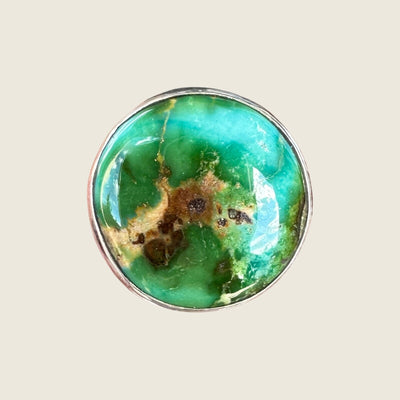
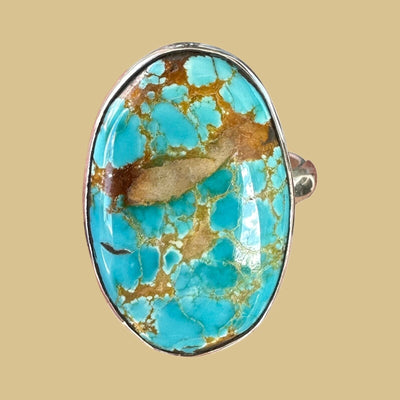
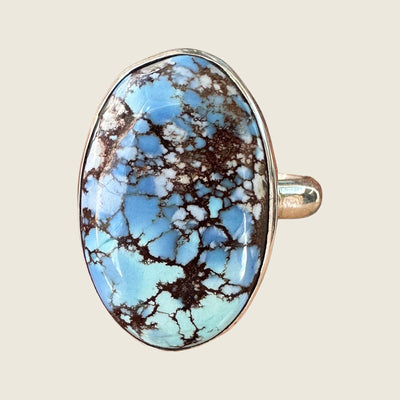
When comparing Stabilized vs Natural Turquoise: What's the Difference? visually, the luster is often the most telling sign. Luster describes how light reflects off the surface of the gemstone. Natural stones tend to have a matte or waxy luster, reflecting a soft glow rather than a sharp shine. Stabilized stones often appear more vitreous, meaning they have a glass-like or highly polished shine. If you look closely at the matrix, natural stones may show small pits or irregularities where the host rock has naturally weathered. In the stabilization process, these tiny voids are filled with resin, resulting in a surface that feels perfectly smooth to the touch. Natural stones also often feel slightly cooler and denser in the hand than those reinforced with lighter acrylic resins.
Finding the right balance between these qualities is part of the joy of collecting Southwestern style jewelry. Our studio offers a variety of hand-cut stones set in high-quality metals to suit your specific needs. You can explore our artisan turquoise rings to find a piece that matches your daily rhythm.
Caring for Natural and Stabilized Stones in Your Studio Collection
Proper care for your Southwestern style jewelry ensures that these artisan-made pieces remain beautiful for generations. When considering Stabilized vs Natural Turquoise: What's the Difference? in terms of maintenance, the primary distinction is that natural stones are far more absorbent and sensitive to their environment than stabilized ones.
The golden rule for all turquoise is to avoid contact with harsh chemicals. This includes common household items like hairspray, perfumes, and cleaning agents that can seep into the mineral. For those who own untreated gems, liquids are a significant concern. These stones should never be submerged in water or commercial jewelry cleaners, as moisture can penetrate the matrix and permanently alter the color. We suggest storing your pieces in a dry place, ideally tucked away in a soft pouch. This simple step prevents the sterling silver (.925) from tarnishing and keeps other jewelry from scratching the delicate surface of the stone. It is a quiet ritual of preservation. The stone breathes with you, and protecting that breath requires a gentle hand.
Cleaning Methods for Daily Wear
Use a soft, dry microfiber cloth to gently wipe away dust and skin oils after each use. This keeps the luster of the cabochon bright without introducing harmful moisture. If the sterling silver (.925) setting needs a refresh, use a dedicated polishing cloth, but be careful to avoid touching the turquoise itself. The chemicals in silver polish can dull the stone's natural surface over time. You must never use ultrasonic cleaners or steam cleaners for your turquoise jewelry. The intense heat and high-frequency vibrations can shatter a natural stone or dissolve the resins used in the stabilization process. A gentle, dry touch is always best.
Long-Term Preservation Strategies
Take an intentional approach to when and where you wear your favorite pieces. You should always remove your rings and cuffs before swimming, showering, or engaging in heavy manual labor. For those with natural stones, be mindful that prolonged sun exposure can sometimes cause subtle color changes over the years. It's also wise to check the bezel periodically. Ensuring the stone is still secure within its sterling silver or solid 14K gold frame prevents loss and damage. For more specialized needs, our care and repair page and our turquoise glossary provide further insights into protecting the narrative of your collection. By respecting the organic nature of the stone, you allow its beauty to endure as a celebration of the natural world.
Choosing Your Stone with Intention and Confidence
Selecting the right piece for your collection is a deeply personal journey that balances aesthetic preference with the practicalities of your lifestyle. Whether you are drawn to the rare, living character of untreated gems or the resilient, vibrant beauty of stabilized material, you now have the knowledge to choose with confidence. Understanding Stabilized vs Natural Turquoise: What's the Difference? ensures that you know exactly what you are paying for and how to preserve that beauty for years to come.
Every piece we create at Wildflower is handcrafted using sterling silver (.925) and guaranteed genuine stones, strictly excluding the mystery metals and dyed imitations common in retail. We remain dedicated to the artisan-made Southwestern style, focusing on mine-specific history and intentional design. We invite you to explore our studio work and find a stone that resonates with your own story.
We look forward to helping you find a piece that brings a sense of grounded wonder to your daily life.
Frequently Asked Questions
Is stabilized turquoise considered real turquoise?
Yes, stabilized turquoise is genuine stone that has been reinforced with clear resin to ensure it is hard enough for jewelry. This process takes soft, porous material known as chalk and makes it durable. When collectors ask Stabilized vs Natural Turquoise: What's the Difference?, they are often relieved to learn that stabilization is a standard industry practice. It remains a real mineral from the earth, just made more resilient.
Why does natural turquoise change color over time?
Natural turquoise changes color because it is a porous mineral that absorbs elements from its environment. Over years of wear, the stone takes in skin oils and reacts to oxidation, often shifting from a bright blue to a deep, earthy green. This transformation is a hallmark of untreated material and is highly prized in Southwestern style jewelry. It creates a living record of the piece's history, reflecting the unique journey of its owner.
Can you tell the difference between natural and stabilized turquoise by looking at it?
You can often distinguish between them by observing the luster and the fine details of the matrix. The matrix is the host rock visible within the turquoise stone. Natural turquoise typically has a soft, waxy luster, while stabilized stones tend to have a more vitreous, glass-like shine. If you look closely, you might see tiny pits in a natural stone. In stabilized cabochons, which are shaped and polished gems, these voids are filled by resin.
Is stabilized turquoise cheaper than natural turquoise?
Stabilized turquoise is typically more accessible because it utilizes a larger portion of the material pulled from a mine. Natural, gem-grade stone is exceptionally rare, often making up only a small percentage of a mine's total output. While we don't discuss specific dollar amounts, the value of untreated stones reflects their geological scarcity. When evaluating Stabilized vs Natural Turquoise: What's the Difference?, the rarity of the untreated mineral is the primary factor in its valuation.
Should I only buy natural turquoise for my collection?
The choice depends on whether you value a stone that evolves or one that remains constant. Stabilized turquoise is an excellent choice for everyday essentials because it resists chemicals and won't change color. Natural turquoise is ideal for those who appreciate the prestige of untreated gems and enjoy the developing patina. Both have a place in a thoughtful collection, provided they are set in high-quality sterling silver (.925) or solid 14K gold.
How do I know if the turquoise I bought is fake or dyed howlite?
Fake turquoise, like dyed howlite, often shows deep blue dye concentrated in the cracks of the matrix rather than a natural mineral variation. If you rub a cotton swab with acetone on a hidden spot and color comes off, the stone is dyed. Genuine turquoise will always have a varied, organic matrix. Always look for a sterling silver (.925) hallmark on the bezel, which is the metal frame holding the stone.
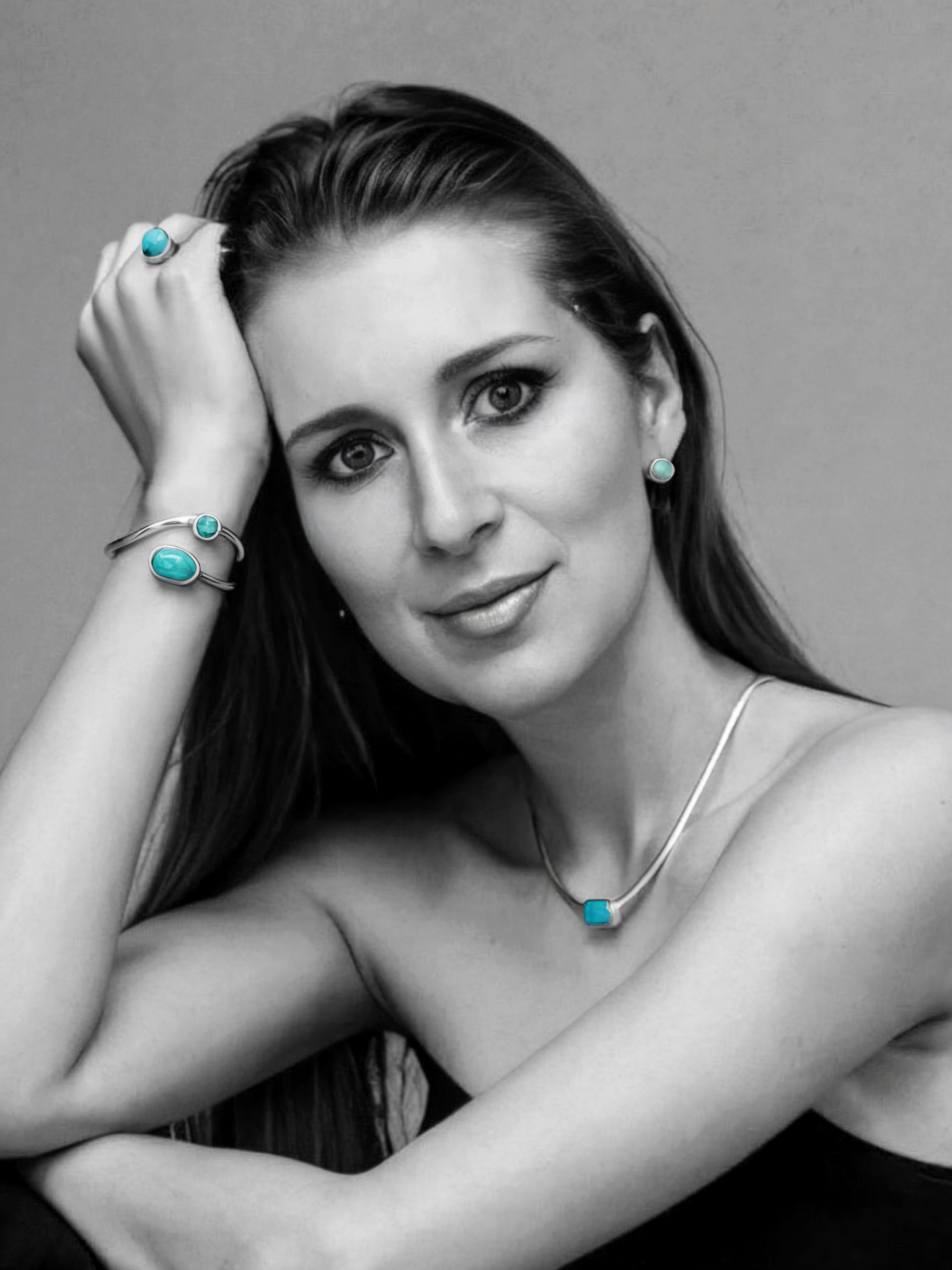
Article by
Kimberly Cordova
Kimberly Cordova is the founder and creative director of Wildflower Artisans, a handmade jewelry brand rooted in Santa Fe. Real turquoise, solid sterling silver, and a small line set in solid 14K gold. She built Wildflower around a simple belief: the best jewelry is the kind you actually reach for, not the kind you save for someday.
The collection is built three ways. Some pieces are made in-house, cut by her husband Greg from stones he sources himself, including rough from the family's King's Manassa Mine in Colorado and White Buffalo Mine in Nevada. Some are designed by Kimberly and fabricated by a trusted circle of Santa Fe silversmiths. And some are finished work she curates from artisan makers whose craft meets the same standard, because building a real collection means knowing when to make and when to look.
Turquoise leads, joined by White Buffalo, Wild Horse, Lapis Lazuli, Spiny Oyster, Black Onyx, Opal, and other genuine semi-precious stones. No shortcuts on the stone, the silver, or the story behind either.
Her writing covers everything she has learned along the way: how turquoise forms, how to tell natural from stabilized, what makes one mine different from another, how to read a bezel, and how to shop with confidence in a market that is not always straightforward. It is the kind of plainspoken information she wished someone had laid out for her when she was starting out.
Browse the collection at wildflowerartisans.com. Questions about a stone, a setting, or a specific piece are welcome any time.
0 comments