

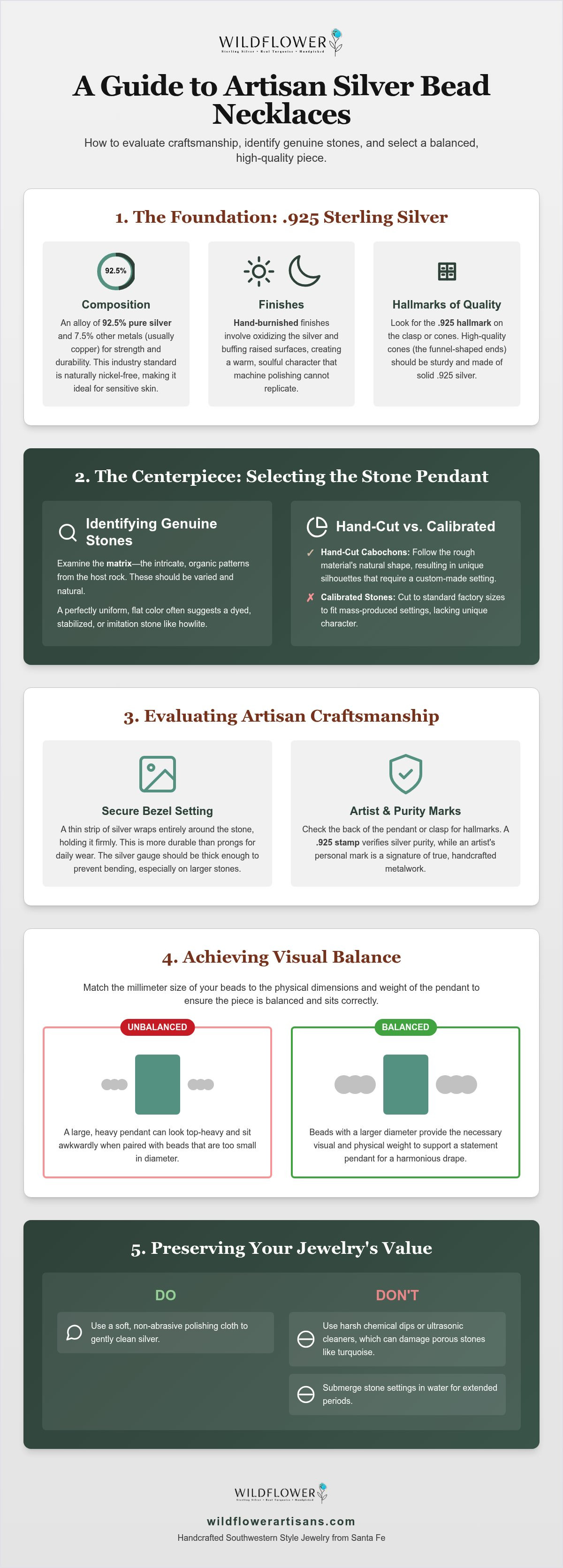
A silver bead necklace with pendant is a deliberate composition where the foundation must match the technical quality of the stone focal point. We understand the frustration of finding beautiful hand-cut cabochons paired with mass-produced metals or imitation stones. This guide from Wildflower Artisans will teach you how to evaluate artisan craftsmanship, select compatible bead sizes, and identify genuine stones for a high-quality piece.
Key Takeaways
- Identify the quality of .925 sterling silver beads by distinguishing between high-shine polished surfaces and hand-burnished oxidized finishes.
- Confidently choose a silver bead necklace with pendant by evaluating the stone matrix and ensuring the cabochon is genuine rather than dyed howlite or plastic.
- Learn to inspect the fine details of artisan craftsmanship, focusing on secure bezel settings and the smooth finish of hand-cut stones.
- Match the millimeter size of your beads to the physical dimensions of your pendant to ensure the piece is balanced and sits correctly on the neck.
- Preserve the value of your jewelry by using safe cleaning methods that avoid the harsh chemicals and ultrasonic cleaners that can damage genuine turquoise.
Understanding the Foundation of Sterling Silver Beads
A high-quality silver bead necklace with pendant relies on the structural integrity and aesthetic finish of .925 sterling silver beads. These beads serve as the canvas for the artisan's work, providing the necessary weight and durability to support a heavy stone pendant. Sterling silver is an alloy consisting of 92.5% pure silver and 7.5% other metals, usually copper, to increase strength. This specific sterling silver composition is the industry standard for fine jewelry because it balances the natural beauty of pure silver with the resilience needed for daily wear.
The shape of the beads influences how the piece rests against your skin. Round beads provide a traditional, fluid drape that follows the curve of the collarbone, while saucer beads (flatter, disc-like shapes) create a more textured, Southwestern style. Choosing the right shape is about more than just looks; it's about the physical movement of the piece as you move. Solid silver is non-negotiable for longevity. Plated or filled metals eventually wear away, exposing base metals that can irritate the skin or turn green. A solid .925 foundation ensures the piece can be polished and restored for generations.
The Craft of Hand-Burnished Silver
Many mass-produced pieces feature a high-shine, mirror-like finish that can feel cold or sterile. In our studio, we often prefer hand-burnished beads for their depth and warmth. This process involves intentionally oxidizing the silver. Oxidation is a chemical treatment that darkens the metal, which we then buff away on the raised surfaces to leave a soft, satin glow in the recesses. This technique highlights the texture of the beads and gives the silver bead necklace with pendant a soulful, lived-in character that machine polishing cannot replicate. It's a celebration of the organic over the perfect.
Identifying Genuine .925 Quality
To verify you're holding a quality piece, look for the .925 hallmark on the clasp or the cones. Cones are the funnel-shaped silver components that secure the wire or thread at the ends of the necklace. High-quality cones should feel sturdy and be made of the same .925 silver as the beads. Genuine sterling silver is also naturally nickel-free, making it a safe choice for women with sensitive skin who are wary of the alloys found in cheaper costume jewelry. While a machine-made chain might look uniform, an artisan-finished strand has a weight and texture that feels intentional. It's a difference you'll notice the moment you pick it up.
Selecting a Focal Pendant for Your Beaded Chain
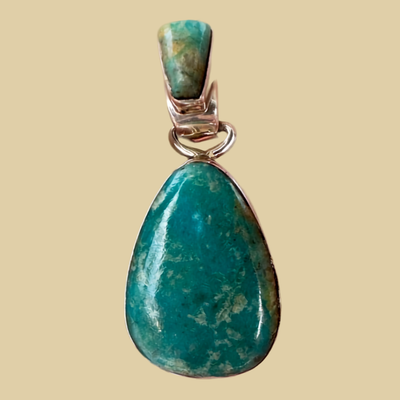
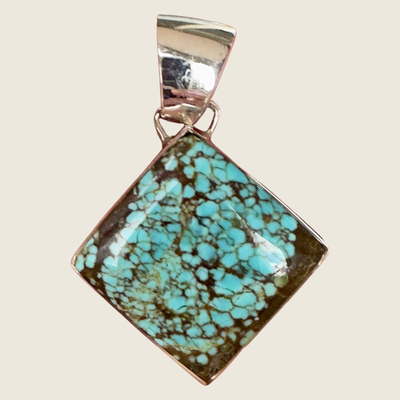
The pendant serves as the narrative center of your silver bead necklace with pendant. It's the piece that draws the eye and anchors the visual weight of the jewelry. When evaluating a stone, look at the matrix. The matrix refers to the host rock remnants that create the intricate patterns often seen in turquoise. In genuine stones, these patterns are organic and varied. Consistency in color is important, but a perfectly uniform blue often suggests a stabilized or treated stone rather than a natural one.
We prioritize hand-cut cabochons over calibrated stones. Calibrated stones are cut to standard factory sizes to fit mass-produced settings. Hand-cut stones follow the natural shape of the rough material, resulting in unique silhouettes that require a custom-made bezel. This ensures your piece has a character that mass-market jewelry simply can't provide. Balancing the visual scale is also key; a large pendant requires beads with a larger diameter to ensure the necklace doesn't look top-heavy or sit awkwardly on the chest.
Stone Varieties in Southwestern Style
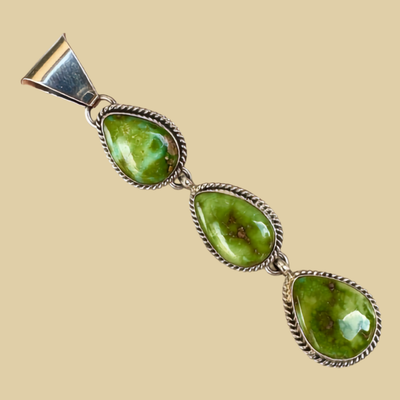
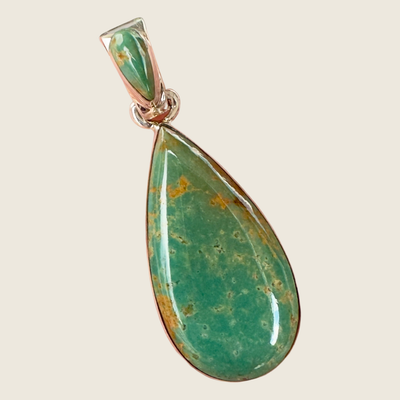
The character of your piece changes with the stone you choose. King Manassa turquoise often features a rich green hue with a golden-brown matrix, while Kingman stones provide that classic sky blue. For those who prefer high contrast, White Buffalo and Wild Horse are excellent choices. White Buffalo is a white stone with a black chert matrix, while Wild Horse is a magnesite with deep brown patterns. If you want a pop of saturated color, Lapis Lazuli or Spiny Oyster offer deep blues and vibrant oranges. You can explore these and more in our collection of artist-made jewelry.
Evaluating the Bezel and Setting
A bezel setting is a thin strip of silver that wraps entirely around the stone, holding it firmly in place. This is more durable than a prong setting for daily wear. When inspecting a pendant, look at the gauge of the silver. A thick gauge is necessary for larger statement pieces to prevent the metal from bending or warping. Also, check the back of the pendant for hand-stamped details or the artist's hallmark, which are signs of true artisan metalwork. Caring for Your Handcrafted Silver and stone settings correctly will ensure these fine details remain crisp over time.
Our studio takes pride in matching these distinctive pendants with the right foundation for a balanced aesthetic. You can explore our curated handcrafted pendants to find a focal stone that speaks to your style and pairs seamlessly with sterling silver beads.
Evaluating Craftsmanship in Artisan-Made Pendants
Artisan craftsmanship is visible in the fine details of the metal and stone, distinguishing a high-quality silver bead necklace with pendant from mass-produced alternatives. When you hold a piece in your hand, the weight should feel substantial and the construction should feel deliberate. We look for a smooth, high-polish finish on the stone and a bezel that wraps the cabochon without any visible gaps. A cabochon is a stone that has been shaped and polished into a smooth, rounded form rather than faceted like a diamond. This traditional cut allows the natural beauty of the stone's matrix to remain the primary focus.
The bail is another critical area where quality becomes apparent. A bail is the loop or hardware that allows the pendant to slide onto the silver beads. While mass-market pieces often use a simple, thin wire loop, an artisan piece frequently features a decorative bail. These may include hand-stamped patterns, silver raindrops, or intricate wirework that mirrors the design of the pendant itself. A wider bail is also more functional, as it allows you to swap the pendant between different sizes of beaded chains without the metal binding or catching.
Collectors of Southwestern style jewelry often seek out untreated stones. Untreated means the stone has not been stabilized with resins or enhanced with dyes to alter its color. These stones are prized for their natural hardness and the authentic way they interact with light. Because untreated stones are more difficult to source and cut, they are almost exclusively found in small-batch, artisan-made jewelry rather than in large retail chains.
Technical Markers of Quality
A clean solder join where the bail meets the pendant is a hallmark of a skilled silversmith. You shouldn't see any messy overflow of metal or dark pits at the connection points. The stone should sit perfectly level within its silver housing. If the cabochon is tilted or loose, it suggests the bezel was not custom-fitted to that specific stone. Additionally, a professional lapidary artist will cut the stone to preserve the matrix. This host rock pattern should flow naturally across the surface, providing a unique fingerprint that proves the stone's origin.
Product Bridge: Studio Selection
Our studio focuses on pairing hand-cut stones with traditional metalwork to create pieces that last for generations. You can browse our current selection of handcrafted turquoise pendant necklaces to see these combinations in person. Every piece is evaluated for structural integrity and stone quality before it leaves our hands.
Pairing Bead Size and Pendant Weight for Balance
A silver bead necklace with pendant requires a mechanical harmony to drape correctly against the body. If the beads are too delicate for a heavy cabochon, the strand will "V" at the center, creating a sharp angle that puts unnecessary stress on the interior wire. Conversely, oversized beads can overwhelm a petite pendant, making the focal stone look lost in the metal. Achieving the right balance is about more than just looks; it's about the physical comfort and longevity of the piece. Proper weight distribution ensures the necklace moves with you rather than pulling or sitting awkwardly.
The length of the strand also dictates how the pendant is perceived. A 16 or 18 inch necklace typically rests near the collarbone, making it ideal for smaller, everyday pendants that frame the face. Longer strands, such as 20 or 24 inches, create a vertical line that draws the eye downward, which is often preferred for larger statement pieces. When a pendant has significant weight, a longer chain allows it to anchor the necklace, preventing the beads from shifting or rotating during wear. It's a deliberate choice that changes the entire silhouette of your outfit.
Millimeter and Weight Guidelines
Millimeter (mm) is the standard unit of measurement for the diameter of silver beads, and choosing the right size is essential for a balanced look. For smaller, lightweight pendants, we recommend pairing them with 4mm to 6mm beads. These thinner diameters provide a refined foundation that doesn't compete with the stone. However, if you're wearing a large statement piece, such as a heavy Kingman or Royston turquoise pendant, you'll need 8mm to 10mm beads to provide the necessary visual and physical support. These larger beads create a "U" shape drape that looks intentional and grounded.
The bail opening is the most important technical spec to check before purchasing. To ensure the pendant slides freely without catching, the bail opening should be at least 1mm larger than the bead diameter. If you have 6mm beads, your bail needs an interior clearance of at least 7mm. This small gap allows the pendant to move naturally as you walk, preventing the silver from grinding or binding against the beads. Ignoring this measurement is a common mistake that can lead to scratched silver or a pendant that sits crookedly on the strand.
Product Bridge: Finding the Right Match
Finding the right balance between a stone and its chain is a core design process in our studio. Explore our one-of-a-kind jewelry collection for pieces featuring unique artisan-cut cabochons that have been carefully paired with the correct metal weight. We offer various bead diameters to ensure your pendant sits perfectly and remains a cherished part of your collection for years to come.
Caring for Your Handcrafted Silver and Stone Jewelry
Proper maintenance preserves the finish of the .925 sterling silver and the integrity of the genuine stones in your collection. Regular attention ensures your silver bead necklace with pendant remains a durable vessel for your personal narrative.
Tarnish is a natural layer of corrosion that forms on silver when it reacts with sulfur in the air. While this darkening is inevitable for .925 sterling silver, the way you remove it determines the life of your jewelry. Many commercial cleaners are too aggressive for Southwestern style pieces. Chemical dips and ultrasonic cleaners must be avoided, especially for turquoise. Ultrasonic cleaners are devices that use high-frequency sound waves in a liquid bath to remove dirt. These vibrations can shatter the delicate matrix of an untreated stone. Because turquoise is a porous stone, it contains microscopic openings that can absorb liquids and chemicals. These absorbed substances often lead to permanent discoloration or structural weakening over time.
Safe Cleaning Practices
A soft polishing cloth is your best tool for maintaining silver components without damaging the stone. Gently rub the silver beads to restore their luster, but be careful around intentional oxidation. If you use a liquid cleaner on the silver, it may strip away the hand-burnished depth we discussed earlier in this guide. To clean the stone itself, use only a damp cloth and mild, scent-free soap. Always apply perfumes, lotions, and hairsprays before putting on your silver bead necklace with pendant. These substances contain oils and alcohols that can dull the surface of your cabochons and eventually seep into the stone settings.
Long-Term Storage Solutions
Storing your jewelry correctly prevents physical damage and slows down the oxidation process. Airtight bags are highly effective at reducing the amount of sulfur that reaches the metal. When you aren't wearing your piece, store it flat in a lined drawer or jewelry box. Storing a beaded chain flat maintains the tension and shape of the strand, preventing the wire from kinking or the beads from bunching. This practice also ensures the weight of the pendant doesn't stretch the internal wire over months of storage. For more specific advice on maintaining different stone types, you can review our jewelry care and repair guide. Consistent, gentle care is the only way to protect the value and beauty of a handcrafted artisan piece.
Investing in Authentic Southwestern Artistry
Owning a silver bead necklace with pendant is an invitation to appreciate the organic relationship between metal and stone. You've learned that a high-quality piece begins with a foundation of guaranteed .925 sterling silver beads, hand-finished to provide depth that machine polishing can't match. By understanding the mechanical requirements of balance, such as matching bead millimeters to the physical weight of a hand-cut cabochon, you can ensure your jewelry drapes comfortably for a lifetime.
Authenticity is found in the details of the matrix and the security of a custom-fitted bezel. Our independent jewelry studio remains dedicated to sourcing authentic untreated turquoise stones that tell a story of the earth's natural, fleeting beauty. When you prioritize artisan craftsmanship over mass-produced uniformity, you aren't just buying an accessory; you're preserving a piece of Southwestern style tradition. We invite you to explore our work and find the focal stone that speaks to your own narrative.
We're honored to share these pieces with you and help you find a combination that feels like a true reflection of your spirit.
Frequently Asked Questions
How do I choose the right bead size for a silver bead necklace with pendant?
You should match the bead diameter to the physical scale of your focal stone to ensure a balanced drape. Smaller, everyday pendants usually pair best with 4mm to 6mm beads for a refined look. Larger statement pieces require 8mm to 10mm beads to provide the necessary visual and structural support. Choosing the correct size ensures your silver bead necklace with pendant maintains a soft "U" shape rather than a sharp "V" angle that stresses the internal wire.
How can I tell if a turquoise pendant is authentic or dyed howlite?
Authentic turquoise features an organic matrix with varied patterns and feels cool and substantial in the hand. Dyed howlite often has dark dye concentrated unnaturally in the cracks of the stone, which you can sometimes detect by rubbing a hidden spot with a damp cotton swab. Genuine stones have a distinct weight and a surface texture that feels like a natural mineral. We only use genuine stones in our studio to ensure every piece is authentic and durable.
What is the difference between .925 sterling silver beads and silver-plated beads?
Sterling silver beads are made of a solid .925 alloy that is durable and nickel-free for sensitive skin. Silver-plated beads consist of a base metal, such as copper or brass, covered in a thin layer of silver that eventually wears away. Solid sterling can be polished and restored for decades, while plated pieces eventually expose mystery metals that can turn green. This solid foundation is essential for supporting the weight of a handcrafted artisan pendant and ensuring long-term wear.
Why should I avoid ultrasonic cleaners for my stone and silver jewelry?
You must avoid ultrasonic cleaners because the high-frequency vibrations can shatter the delicate matrix of untreated stones like turquoise. These machines use sound waves in a liquid bath to remove dirt, but the intense energy can cause porous stones to crack or discolor. Instead, use a soft polishing cloth for the silver and a damp cloth with mild soap for the stone. This gentle approach preserves the structural integrity and natural beauty of your handcrafted jewelry for generations.
Article by
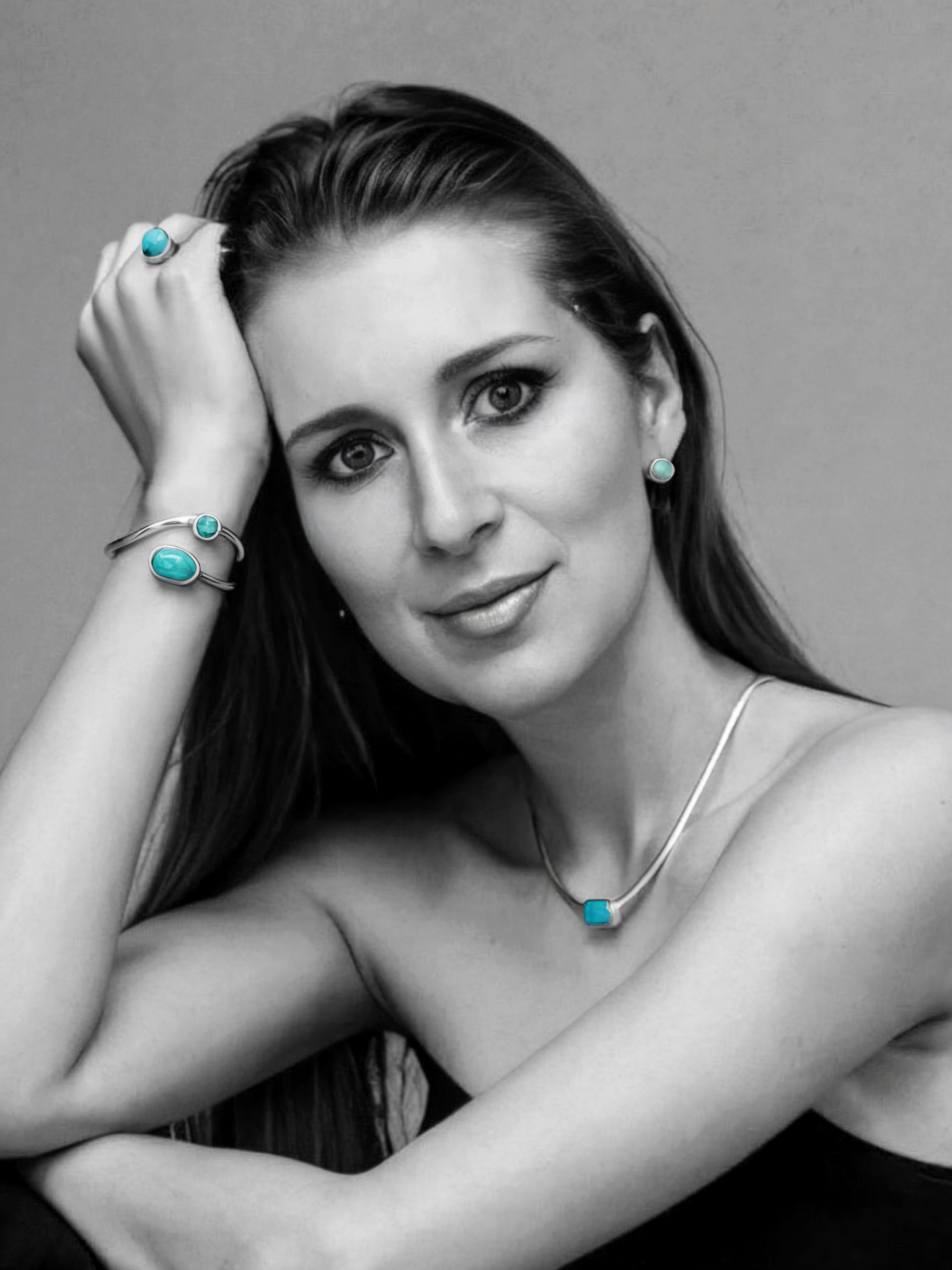
Kimberly Cordova
Kimberly Cordova is the founder and creative director of Wildflower Artisans, a handmade jewelry brand rooted in Santa Fe. Real turquoise, solid sterling silver, and a small line set in solid 14K gold. She built Wildflower around a simple belief: the best jewelry is the kind you actually reach for, not the kind you save for someday.
The collection is built three ways. Some pieces are made in-house, cut by her husband Greg from stones he sources himself, including rough from the family's King's Manassa Mine in Colorado and White Buffalo Mine in Nevada. Some are designed by Kimberly and fabricated by a trusted circle of Santa Fe silversmiths. And some are finished work she curates from artisan makers whose craft meets the same standard, because building a real collection means knowing when to make and when to look.
Turquoise leads, joined by White Buffalo, Wild Horse, Lapis Lazuli, Spiny Oyster, Black Onyx, Opal, and other genuine semi-precious stones. No shortcuts on the stone, the silver, or the story behind either.
Her writing covers everything she has learned along the way: how turquoise forms, how to tell natural from stabilized, what makes one mine different from another, how to read a bezel, and how to shop with confidence in a market that is not always straightforward. It is the kind of plainspoken information she wished someone had laid out for her when she was starting out.
Browse the collection at wildflowerartisans.com. Questions about a stone, a setting, or a specific piece are welcome any time.
0 comments