

A piece of jewelry should never feel like a costume; it should feel like an anchor. Many of us have felt the disappointment when a piece of Santa Fe style silver jewelry reveals itself as dyed howlite or a thin, mass-produced shell. You're likely searching for something that carries the physical weight of the high desert and the intentional hand of the maker. At Wildflower Artisans, we understand that desire for a connection to the earth that feels both ancient and remarkably current. Wildflower operates as a working studio where the mineral always dictates the design.
In this guide, we'll show you how modernist principles are reshaping Southwestern design by focusing on clean lines and the raw narrative of the stone. You will learn to recognize the value of heavy-gauge sterling silver (.925). Gauge refers to the thickness of the metal. We'll also explore the beauty of a natural matrix and the smooth polish of an untreated, hand-cut cabochon. A cabochon is a stone that has been shaped and polished into a smooth, rounded form. By demystifying technical details like the hand-fitted bezel, we'll help you find artisan-made pieces that reflect your personal style. A bezel is the metal rim that secures a gemstone in its setting.
Key Takeaways
- Understand how modernist Southwestern design pairs clean, geometric lines with heavy-gauge sterling silver to create a bold, grounded aesthetic.
- Learn to identify high-quality Santa Fe style silver jewelry by evaluating the physical weight of the metal and the precision of the hand-fitted bezel.
- Discover the importance of choosing genuine, untreated stones and how a hand-cut cabochon can highlight the natural narrative of the earth.
- Gain confidence in distinguishing between mass-produced items and artisan-made pieces by examining construction details like the seamless fit of the stone within its setting.
- Find out how to curate a versatile collection by balancing large statement pieces with everyday sterling silver essentials that reflect your personal style.
Defining Modernist Santa Fe Style Silver Jewelry
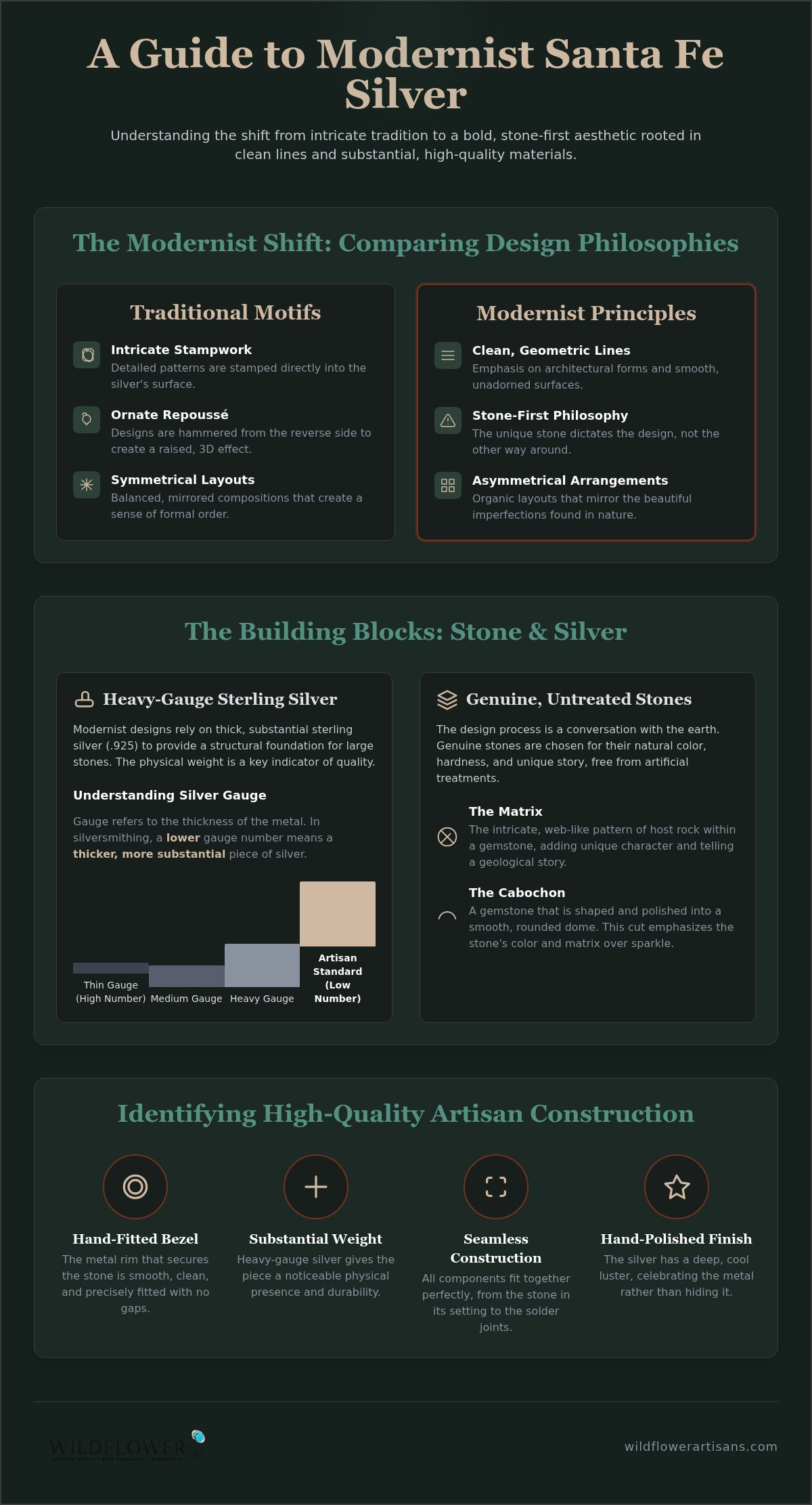
Modernist Santa Fe style silver jewelry is a design philosophy that favors clean, geometric lines and heavy-gauge metal over the intricate stampwork of the past. Gauge refers to the thickness of the silver sheet, with lower numbers indicating a thicker, more substantial feel. This aesthetic lets the stone lead the way, using architectural frames to highlight the unique character of each mineral.
At the heart of this work is sterling silver. Sterling silver is a metal alloy containing 92.5 percent silver and 7.5 percent other metals, usually copper, to ensure durability for daily wear. While pure silver is too soft for structural jewelry, sterling silver (.925) provides the strength needed for the bold, thick settings common in modernist designs. Collectors often seek out these pieces because they offer the physical weight and presence of high-end Southwestern silver without the busy ornamentation that can sometimes feel overwhelming. It's a quiet strength that centers on the material itself, focusing on the tactile quality of the metal and the narrative of the stone.
The Evolution of Southwestern Silversmithing
To understand the modernist shift, we have to look at the history of Southwestern Native American jewelry and the techniques that built the region's reputation. Early silverwork was defined by heavy stamping and ornate repousse. Repousse is a technique where the silversmith hammers the metal from the reverse side to create a design in relief. By the middle of the 20th century, new influences began to arrive in the high desert, bringing abstract forms and a minimalist eye to the workbench. Today, modernist artisans find a balance between these eras. We keep the substantial feel of the heavy-gauge silver but simplify the surface, allowing the luster of the metal to speak for itself.
Identifying Modernist Design Characteristics
When you're looking for a modernist piece, focus on the relationship between the silver and the stone. You'll see smooth, hand-polished surfaces that celebrate the cool glow of the silver rather than hiding it under patterns. The settings are often minimalist bezel designs. A bezel is a metal rim that surrounds a gemstone to hold it securely in place. These clean borders ensure nothing distracts from the stone's matrix. A matrix is the host rock that appears as a web-like pattern within a stone. Modernist pieces also frequently use asymmetrical arrangements. These uneven, organic layouts mirror the rambling growth of the natural world, making each one-of-a-kind piece feel like a discovery rather than a product. By moving away from perfect symmetry, the artisan acknowledges the beautiful imperfections found in nature.
The Essential Materials of Modernist Southwestern Design
High-quality modernist design relies on substantial materials that honor the stone's raw beauty. A cabochon is a gemstone that has been shaped and polished into a smooth, rounded convex shape rather than being faceted. By choosing these smooth forms, modernist Santa Fe style silver jewelry emphasizes the organic texture and color of the mineral over artificial sparkle.
The Stone-First Philosophy
In our studio, the design process is a conversation with the earth. We practice a stone-first philosophy, which means we select a unique cabochon before the silverwork begins. This allows the stone's natural dimensions to dictate the final setting. We prioritize untreated stones to preserve the natural color and hardness of the mineral. Many mass-produced pieces use dyed howlite or stabilized block turquoise, but these lack the depth of a natural stone. The character of the piece is often found in the matrix. Matrix refers to the host rock remains found within a gemstone, creating the intricate web-like patterns in turquoise. You'll see this in the deep greens of King's Manassa or the snowy landscapes of White Buffalo. If you want to dive deeper into the differences between various mines, you can explore our turquoise buying guide.
Understanding Silver Gauge and Quality
Modernist pieces rely on heavy-gauge sterling silver to provide a structural foundation for large stones. Gauge refers to the thickness of the silver sheet or wire used in construction. In silversmithing, a lower gauge number means a thicker piece of metal. While high-volume retailers often use thin, flexible silver, we use lower gauge sheets to ensure the piece feels substantial and durable. Sterling silver (.925) must be properly hallmarked to ensure its purity and value. This commitment to material integrity is a hallmark of high-quality artisan work. Institutions like the Center for the Study of Southwestern Jewelry highlight these standards when documenting the evolution of regional silversmithing. Sometimes, we incorporate solid 14K gold as a bezel or accent. A bezel is the metal band that wraps around the stone to hold it in place. The gold provides a warm contrast to the cool tones of the silver. If you're looking for a starting point for your collection, you can shop all jewelry to see these materials in practice.
Every stone we select has its own narrative, waiting for the right setting to tell its story. You can find these hand-fabricated designs in our collection of one-of-a-kind artisan pieces, where no two stones are ever alike.
Comparing Traditional Motifs with Modernist Silversmithing
Traditional and modernist styles both celebrate the heritage of the high desert, but they differ significantly in their visual language and ornamentation. While traditional designs use intricate metalwork to tell stories, modernist Santa Fe style silver jewelry relies on bold forms and the raw character of the stone.
Both styles share a deep commitment to handmade quality and regional heritage. Whether a piece is heavy with stampwork or stripped down to its geometric essentials, it carries the signature of the working studio. You won't find the sterile perfection of mass-produced items here; instead, you find the intentional marks of a silversmith who understands the tension between metal and mineral.
Traditional Ornamentation vs Modernist Minimalism
Traditional Southwestern jewelry is often defined by its density. You'll see heavy stamping, delicate wirework, and clusters of small stones that create a rich, textured surface. These pieces often focus on cultural storytelling through symbols and intricate patterns. Modernist silversmithing takes a different path. It prioritizes an architectural relationship between the metal and the stone, often featuring a single, large statement piece or clean geometric groupings. This minimalist aesthetic makes modernist pieces particularly versatile. They pair easily with contemporary fashion, from a simple white linen shirt to a structured blazer, without competing for attention.
Setting Techniques and Visual Impact
The way a stone is secured speaks volumes about the style of the piece. Traditional settings frequently use serrated bezels. A serrated bezel is a metal strip with a saw-tooth edge that is crimped over the stone. These are often paired with heavy oxidation to create visual depth. Oxidation is a chemical process that darkens the silver to give it an antique look. In contrast, modernist settings favor clean, smooth bezels. These settings act as a quiet frame, emphasizing the stone's silhouette and matrix. The finish on modernist pieces is rarely oxidized; instead, you'll find a high-polish or a soft brushed satin that highlights the natural luster of the sterling silver (.925). The visual impact comes from the purity of the form and the quality of the raw materials rather than applied decoration.
- Traditional: Multiple small stones, serrated edges, and antique finishes.
- Modernist: Single focal stone, smooth edges, and high-polish or satin finishes.
Choosing between these styles is often a matter of how you want to tell your own story. If you're looking for a piece that anchors an outfit with bold, clean lines, our turquoise jewelry collection offers a variety of modernist designs that let the stone take center stage.
How to Identify High-Quality Artisan Construction
Identifying high-quality artisan construction requires an eye for the small, intentional details that mass production simply cannot replicate. High-quality Santa Fe style silver jewelry is defined by the physical weight of the metal and the precision of the hand-fitted settings.
Examine the bezel for a seamless fit around the stone. A bezel is the metal band that secures the gemstone in place. There should be no gaps or uneven edges where the silver meets the mineral. You should also notice the weight of the piece. Because modernist designs use heavy-gauge silver, they feel grounded and substantial in your hand. This thickness prevents the piece from warping or bending over time. Inspect the finish for smooth edges and a consistent polish across all metal surfaces. Finally, verify the presence of a sterling silver (.925) hallmark. A hallmark is an official mark stamped on metal to certify its purity. High-quality artisan work will also feature the silversmith's unique signature or hallmark, which serves as a promise of craftsmanship.
Spotting the Difference Between Hand-Cut and Mass-Produced
Hand-cut stones carry the story of the maker and often have slight asymmetries. These subtle variations indicate that the stone was shaped by an artisan's hand rather than a machine. In a working studio, the bezel is hand-fitted to the specific dimensions of the stone to ensure a secure hold. Mass-produced jewelry often uses standardized settings that can leave the stone feeling loose or poorly framed. You can learn more about our commitment to authenticity and our use of genuine, untreated materials. Choosing hand-cut stones ensures that your jewelry remains as unique as the stone itself.
Evaluating the Integrity of the Metalwork
Evaluating the integrity of the metalwork involves looking at the solder joints. A solder joint is the point where two pieces of metal are fused together using heat and a filler metal. In high-quality modernist pieces, these joints are nearly invisible to the eye. The silver should be thick enough to resist bending or denting under normal wear conditions. Artisan pieces prioritize the longevity of the jewelry through these careful construction choices. We focus on creating a structural foundation that protects the stone and maintains the form of the silver for years to come.
If you are ready to find a piece that demonstrates this level of craftsmanship, explore our one-of-a-kind artisan pieces. Each ring and cuff is hand-fabricated in our studio to ensure the highest structural integrity.
Curating a Modernist Southwestern Jewelry Collection
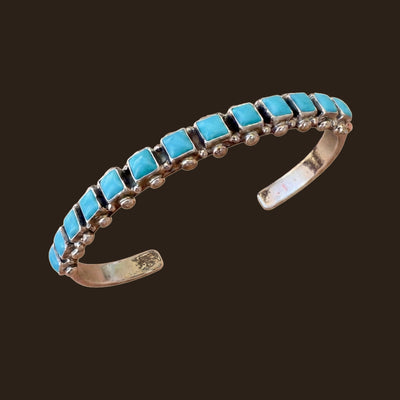
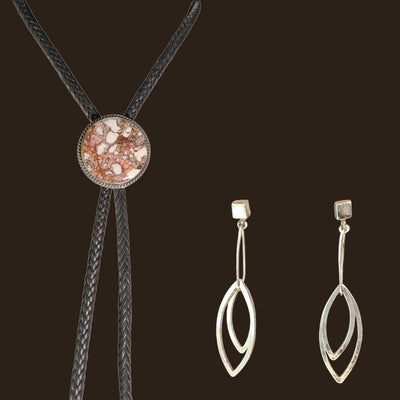
A collection of Santa Fe style silver jewelry should grow like a garden, starting with a strong foundation and expanding through intentional choices. We recommend beginning with a signature piece that carries enough visual weight to serve as a focal point for your wardrobe. A large turquoise ring or a substantial cuff bracelet provides this anchor, grounding your style in the raw textures of the high desert. These pieces aren't just accessories; they're reflections of the landscape and the artisan's hand.
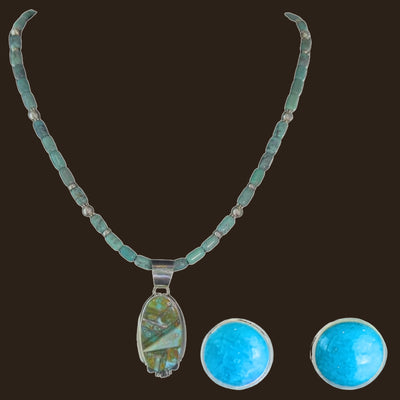
Once you've found your focal piece, you can begin to incorporate everyday essentials. Simple sterling silver studs or minimalist pendant necklaces add layers of versatility without overwhelming your look. We believe in choosing one-of-a-kind pieces that resonate with your personal narrative rather than following the frantic pace of fashion trends. There's a deep satisfaction in wearing a stone that was selected and set specifically for its unique character. Look for pieces that feature different minerals, such as the snowy patterns of White Buffalo or the deep blues of Lapis, to add variety and depth to your jewelry box.
Mixing Metals and Stones
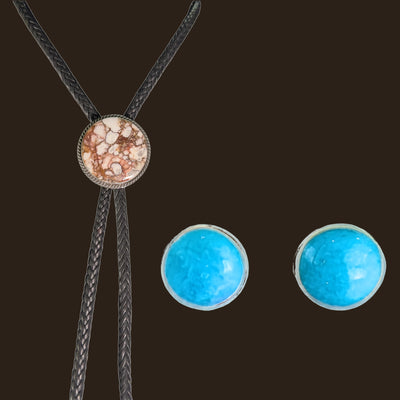
The modernist aesthetic encourages a playful yet sophisticated approach to materials. You don't have to choose between cool and warm tones. Many modernist designs mix sterling silver (.925) with solid 14K gold accents to create a rich, multi-tonal look. This combination highlights the luster of the silver while adding a touch of golden warmth. You can also experiment with stone pairings. Pairing vibrant blue turquoise with neutral minerals like White Buffalo or Black Onyx creates a refined palette that works across all seasons. You can explore our full range of turquoise jewelry to find coordinating pieces that speak to this architectural style.
Investment Pieces and Longevity
Artisan-made jewelry is an investment in creative heritage and high-quality materials. Unlike mass-produced items that lose their luster, these pieces are built to last for generations. Each piece carries the material value of heavy-gauge silver and genuine stones. To protect this investment, proper care is vital. Regular cleaning with a soft cloth and safe storage in a dry place will preserve the metal's finish. We also suggest collecting pieces from various artists over time. This allows you to appreciate the diverse interpretations of the modernist aesthetic, from sharp geometric forms to softer, organic silhouettes. By focusing on quality over quantity, you build a collection that feels deeply personal and enduring.
Building Your Legacy in Silver and Stone
Modernist design invites us to appreciate the quiet strength of clean lines and the raw narrative held within the earth. By focusing on heavy-gauge sterling silver (.925) and the structural integrity of a hand-fitted bezel, you move beyond the clutter of mass-produced trends toward something deeply intentional. Choosing Santa Fe style silver jewelry is an act of selecting a piece that carries the physical weight of the high desert and the soulful touch of the maker's hand. It's about finding an anchor that feels as grounded as it is elegant.
In our working studio, we prioritize a stone-first philosophy to ensure the mineral's natural character dictates the final form of every design. We take pride in the fact that every piece is handcrafted in our workshop using guaranteed genuine untreated stones that celebrate the beautiful asymmetries of the natural world. These creations are designed to be focal points for your personal style, offering a sophisticated presence that endures even as the seasons shift and change.
We invite you to find the signature piece that resonates with your own story and reflects the harmonious coexistence of the organic and the refined. It's a joy to share these fleeting, natural beauties with collectors who value authenticity above all else.
Frequently Asked Questions
What is the difference between sterling silver and silver plated jewelry?
Sterling silver (.925) is a solid alloy consisting of 92.5 percent pure silver and 7.5 percent copper for strength. In contrast, silver plated jewelry uses a base metal like brass or copper that is covered in a microscopically thin layer of silver. Over time, this plating wears away to reveal the dark metal underneath. Because sterling silver is solid throughout, it maintains its value and can be polished back to its original luster for a lifetime.
How can I tell if the turquoise in my Santa Fe style jewelry is real or fake?
Real turquoise features unique matrix patterns and slight color variations that reflect its mine of origin. Matrix refers to the host rock remains found within the gemstone. You should be wary of stones that look too perfect or have a uniform, plastic like color. Fake turquoise is often dyed howlite or plastic block. Genuine Santa Fe style silver jewelry feels substantial, and the stone should always feel cool to the touch.
What does heavy-gauge silver mean in modernist jewelry construction?
Gauge refers to the thickness of the silver sheet used by the silversmith. In the jewelry industry, a lower gauge number indicates a thicker, more durable piece of metal. Modernist construction often utilizes 12 or 14 gauge silver to provide a structural foundation for large cabochons. A cabochon is a stone shaped and polished into a smooth, rounded convex form. This heavy metal ensures the piece resists bending and carries a grounded, high-quality weight.
Is modernist Southwestern jewelry suitable for everyday wear?
Modernist Southwestern jewelry is exceptionally well-suited for daily wear because of its structural integrity. The use of heavy-gauge sterling silver (.925) and hand-fitted bezel settings protects the stones from the rigors of a busy life. A bezel is the metal rim that secures the stone in place. While you should avoid wearing your jewelry during heavy labor or swimming, these pieces are designed to be lived in rather than tucked away in a box.
Why do artisan-made silver pieces cost more than mass-produced jewelry?
Artisan-made pieces require more investment because they involve labor-intensive hand-fabrication and premium raw materials. Unlike mass-produced items cast from a mold, each of our pieces is hand-cut and soldered in a working studio. We use untreated, mine-specific stones and substantial amounts of sterling silver rather than thin shells or mystery metals. This process ensures you receive a one-of-a-kind piece with superior durability and a direct connection to the silversmith's creative heritage.
How should I clean and store my modernist sterling silver jewelry?
You should clean your sterling silver jewelry using a soft, non-abrasive polishing cloth to remove tarnish. Avoid chemical dips or ultrasonic cleaners, as these can damage the natural matrix or surface of stones like turquoise. For storage, keep your pieces in a dry, cool place, preferably in individual pouches to prevent scratches. Keeping your Santa Fe style silver jewelry away from humidity and direct sunlight helps preserve the metal's finish and the stone's natural color.
Article by
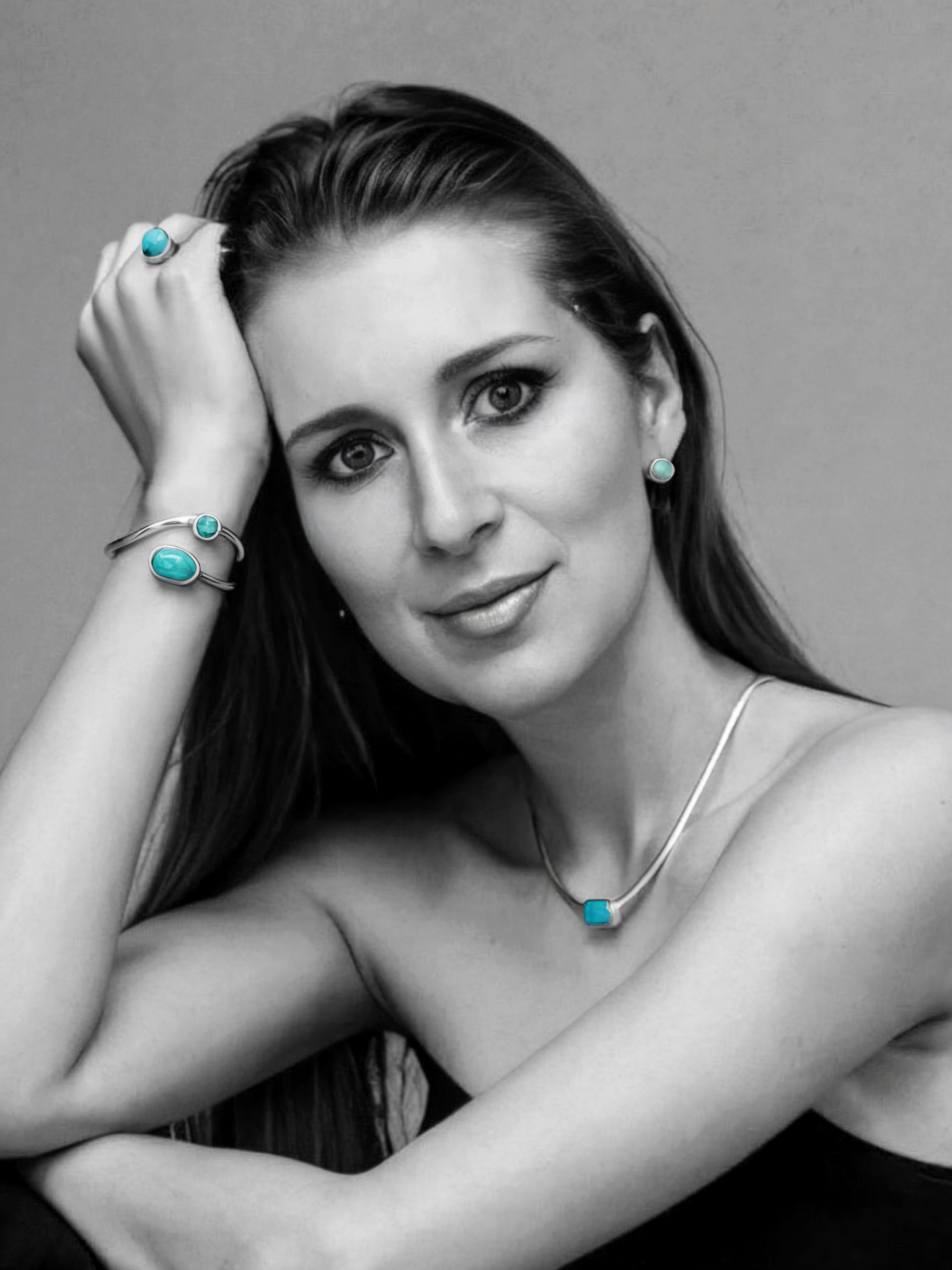
Kimberly Cordova
Kimberly Cordova is the founder and creative director of Wildflower Artisans, a handmade jewelry brand rooted in Santa Fe. Real turquoise, solid sterling silver, and a small line set in solid 14K gold. She built Wildflower around a simple belief: the best jewelry is the kind you actually reach for, not the kind you save for someday.
The collection is built three ways. Some pieces are made in-house, cut by her husband Greg from stones he sources himself, including rough from the family's King's Manassa Mine in Colorado and White Buffalo Mine in Nevada. Some are designed by Kimberly and fabricated by a trusted circle of Santa Fe silversmiths. And some are finished work she curates from artisan makers whose craft meets the same standard, because building a real collection means knowing when to make and when to look.
Turquoise leads, joined by White Buffalo, Wild Horse, Lapis Lazuli, Spiny Oyster, Black Onyx, Opal, and other genuine semi-precious stones. No shortcuts on the stone, the silver, or the story behind either.
Her writing covers everything she has learned along the way: how turquoise forms, how to tell natural from stabilized, what makes one mine different from another, how to read a bezel, and how to shop with confidence in a market that is not always straightforward. It is the kind of plainspoken information she wished someone had laid out for her when she was starting out.
Browse the collection at wildflowerartisans.com. Questions about a stone, a setting, or a specific piece are welcome any time.
0 comments