

What if the weight of a stone and the temperature of the metal were the only clues you needed to distinguish a handcrafted treasure from a factory-made imitation? It's a common worry for those drawn to the santa fe jewelry style, especially when shops use vague marketing buzzwords to hide stabilized stones or plated alloys that lack the soul of a working studio. At Wildflower Artisans, we promise to teach you the hallmarks of genuine Southwestern style jewelry by exploring the technical details of the lapidary process, the importance of a hand-fitted bezel, and the stories told through a stone's unique matrix. We'll preview everything from identifying specific turquoise mines like Kingman or Royston to selecting everyday essentials that reflect your values, giving you the expertise to build a collection of sterling silver (.925) and solid 14K gold with absolute certainty.
Key Takeaways
- Learn to identify the santa fe jewelry style by focusing on the unique matrix of untreated stones and the intentional marks of artisan silversmithing.
- Recognize the difference between high-quality sterling silver (.925) and mystery metals by observing the weight and temperature of genuine materials.
- Discover how the lapidary process transforms raw material into a hand-cut cabochon, ensuring every piece respects the natural character of the stone.
- Build a foundational collection with everyday essentials like turquoise stud earrings and stacked cuff bracelets that celebrate Southwestern style.
- Protect your investment by learning to spot common imitations like dyed howlite through careful inspection of color concentrations and stone texture.
Defining the Santa Fe Jewelry Style Aesthetic
Santa Fe jewelry style is a handcrafted aesthetic that emphasizes the natural relationship between raw semi-precious stones and sterling silver (.925). This style prioritizes the unique matrix of a stone, which refers to the host rock patterns found within a cabochon (a stone polished into a smooth, domed shape with a flat back), rather than seeking uniform color.
When you hold a piece of this jewelry, you'll immediately notice the weight of heavy-gauge metal and the texture of hand-stamped details that reflect a studio-made origin. The aesthetic balances bold statement designs with small, wearable pieces. It's common to see a dramatic squash blossom pendant worn alongside a simple pair of turquoise stud earrings. This versatility makes the style approachable for those who appreciate the organic beauty of the Southwest but need pieces that fit into a modern life.
The Role of the Artisan Silversmith
Artisan-made jewelry is constructed one piece at a time, often starting with the stone as the primary inspiration. In our working studio, we focus on hand-cut stones, which are shaped by an artist on a lapidary wheel rather than being pre-formed by a machine to follow the natural strength and beauty of the rough material. This process differs significantly from mass-production where pieces are cast in large batches from a single mold. Silversmiths use hand-tools to cut, shape, and polish the metal, leaving behind subtle markers of human craftsmanship. These tiny variations aren't flaws; they're the signature of a person's hands at work on a bench.
Southwestern Style Design Elements
The design language draws from the deep history of Native American jewelry, utilizing motifs that have been refined over generations. One of the most recognizable elements is the naja, a crescent-shaped pendant that often serves as the centerpiece for larger necklaces. To create depth and contrast, artists frequently use oxidized silver, where the metal is treated to create a darkened patina in the recessed areas. We also rely heavily on bezel settings to securely encase our stones. A bezel is a thin band of silver that is hand-fitted around the perimeter of a stone to hold it in place while highlighting its natural edges. This grounded feel pairs well with natural fibers and works just as well with a white t-shirt as it does with a formal dress.
The Character of Genuine Turquoise and Sterling Silver
Authentic Southwestern style relies on the integrity of its raw components, specifically sterling silver (.925) and genuine untreated stones. In the santa fe jewelry style, the value of a piece is found in the story written within the stone rather than in mass-market perfection.
We look for the matrix, which refers to the spiderweb or blotchy patterns of host rock found within a cabochon, to verify a stone's origin. This matrix serves as a natural fingerprint, proving the stone's formation over millions of years and distinguishing it from the flat, plastic appearance of synthetic alternatives. While blue is the traditional choice, many collectors now seek out White Buffalo Jewelry or Wild Horse magnesite. These white and brown stones are often set with the same artisan care as turquoise, offering a neutral palette that highlights the intricate silverwork.
Understanding Sterling Silver Grades
Sterling silver is a specific alloy containing 92.5 percent pure silver and 7.5 percent other metals, typically copper, to ensure the piece is durable enough for daily wear. You should always look for the .925 hallmark stamped on the interior of rings or the back of pendants to verify metal quality. Artisans often use an oxidation process to create a dark patina in the recessed areas of the metal. This technique honors the evolution of Diné (Navajo), Pueblo, and Zuni silver jewelry, where contrast is used to make hand-stamped details stand out against high-polish surfaces. If you're ready to start your journey with these natural materials, you can explore our full range of handcrafted artisan pieces to find a stone that speaks to you.
Mine-Specific Turquoise Varieties
Turquoise is a living history of the earth, and its character is defined by the specific mine where it was found. Kingman turquoise is a favorite in our studio for its wide range of blues and its frequent black or silver-colored matrix. In contrast, stones from the Royston mine often display a stunning transition from deep forest green to light sky blue within a single hand-cut stone. For those who prefer a clean look, Sleeping Beauty turquoise remains highly prized for its clear blue color and lack of heavy matrix patterning. Understanding these variations helps you appreciate the intentionality behind every bezel and stamp.
Finding the right stone often starts with a single, striking ring that anchors your daily look. You can browse our collection of authentic turquoise jewelry to see how different mine origins change the personality of each handcrafted piece.
Artisan Silversmithing and Lapidary Techniques
The lapidary and silversmithing techniques used in santa fe jewelry style focus on hand-shaping raw materials to highlight their natural character. The making of a piece is where the raw earth and the artist's vision finally meet. In this tradition, the lapidary process is the first act of transformation. Lapidary involves the careful cutting and polishing of raw stone into a finished cabochon. A cabochon is a smooth, domed stone with a flat back, designed specifically to be cradled by silver. We prioritize hand-cut stones because they follow the natural strength and beauty of the rough material. An artist can see where a vein of matrix is most stable, ensuring the finished piece lasts for generations.
Foundational silversmithing skills like sawing and filing are used to create the intricate borders and shapes that define this look. These aren't just aesthetic choices. They are the physical evidence of time spent at the bench. Every curve is intentional.
The Importance of Bezel Setting
A hand-fitted bezel setting uses a thin strip of silver to secure a stone without glue, ensuring durability and a custom fit. A bezel is a thin strip of sterling silver (.925) that is wrapped around the stone and pushed over the edges to hold it in place. This hand-fitted approach ensures that irregular or uniquely shaped stones are held securely. Glue is a shortcut we don't take in a professional studio.
The choice of bezel also changes the personality of the piece:
- Serrated bezels add a decorative, jagged texture that catches the light.
- Smooth bezels offer a clean and modern look that lets the stone's color lead.
This technique requires extreme precision. The stone must sit perfectly flush against the silver backing to prevent any movement or "rattle" over time. You can see this dedication to craftsmanship in our one-of-a-kind artisan pieces, where every setting is built specifically for the stone it holds.
Hand-Stamping and Texturing
Hand-stamping involves using steel tools to impress geometric designs into silver, creating a textured signature unique to the artisan. Pattern is the visual language of the santa fe jewelry style. Artisans use steel stamps and hammers to impress geometric patterns directly into the silver. These patterns are often passed down through generations of makers and serve as a signature of the studio's heritage. The depth and regularity of the stamping are immediate indicators of a silversmith’s level of skill.
The Heard Museum history of Southwest silverwork details how these techniques evolved from early experimental pieces into the sophisticated designs we see today. In our own work, we follow a stone-first philosophy, meaning the stamping and silverwork are designed to complement, never overshadow, the natural beauty of the cabochon. It's a balance of discipline and creative intuition.
Southwestern Style Pieces for Everyday Wear
Integrating the santa fe jewelry style into your daily wardrobe begins with choosing pieces that feel like a second skin while maintaining the weight and texture of artisan-made silver. This aesthetic is defined by its versatility, moving seamlessly from casual morning routines to formal evening gatherings without losing its grounded character.
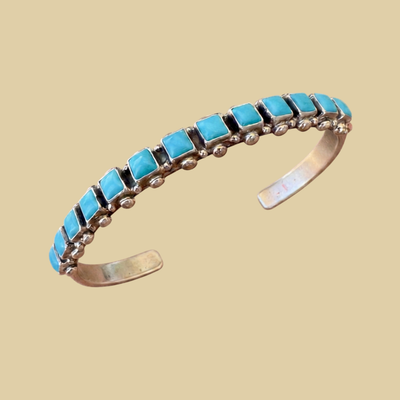
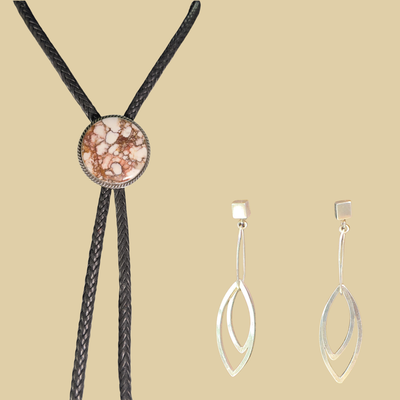
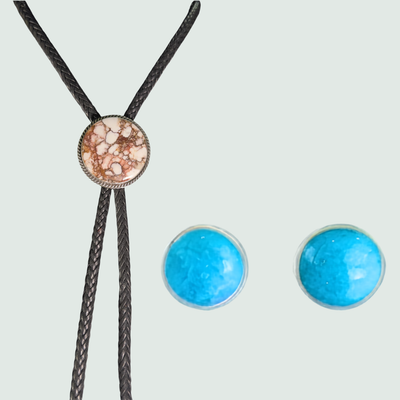
Cuff bracelets are a foundational staple of this look. They are often worn as a single, bold piece or stacked with other sterling silver (.925) bangles to create a rhythmic, textured effect on the wrist. Similarly, a bolo tie is a surprisingly versatile accessory. While traditionally worn with a collared shirt, many women wear them as long pendant necklaces over a simple knit sweater or a linen dress to add a vertical line to their silhouette. Statement rings featuring large cabochons are designed to be the focal point of an outfit, drawing attention to the unique matrix and color of the stone with every gesture.
Starting with Everyday Essentials
For daily use, small pops of color are often enough to anchor an outfit and provide a sense of personal style. Simple stud earrings in solid 14K gold or sterling silver (.925) are ideal because they don't catch on hair or scarves but still showcase a hand-cut stone. We recommend thin silver bands for stacking, as they allow the wearer to mix different stone varieties to reflect a specific mood or season. You might pair deep blue lapis with the vibrant, banded greens of malachite or the warm oranges found in spiny oyster. These everyday pieces should be comfortable and lightweight while maintaining the intentional, handmade feel of a working studio.
Choosing a Statement Piece
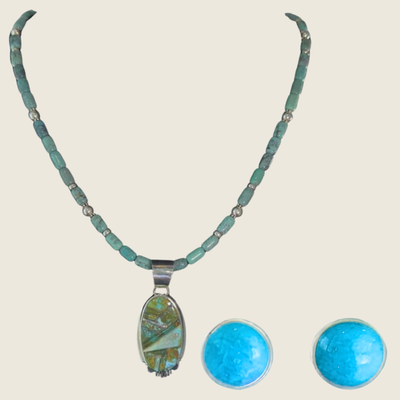
While essentials provide the foundation, a statement piece serves as the heart of an artisan collection. These are typically larger items, such as a necklace featuring a significant pendant on a hand-wrought silver chain, designed to anchor a look for special events. When selecting a statement ring or necklace, look for high-grade stones with a complex matrix and signs of advanced silverwork, such as twisted wire details or deep, heavy stamping. A well-chosen statement piece isn't just an accessory; it's a vessel for emotion that can be handed down as a family heirloom due to the rarity of the untreated stones and the skill involved in the silversmithing.
Finding the right balance between artisan detail and daily comfort is the key to mastering the santa fe jewelry style. Our Everyday Essentials collection offers hand-cut stones and sterling silver (.925) designs that are lightweight enough for all-day wear. These pieces serve as the perfect starting point for anyone looking to build a collection of authentic Southwestern style.
Identifying Real Materials in Artisan Jewelry
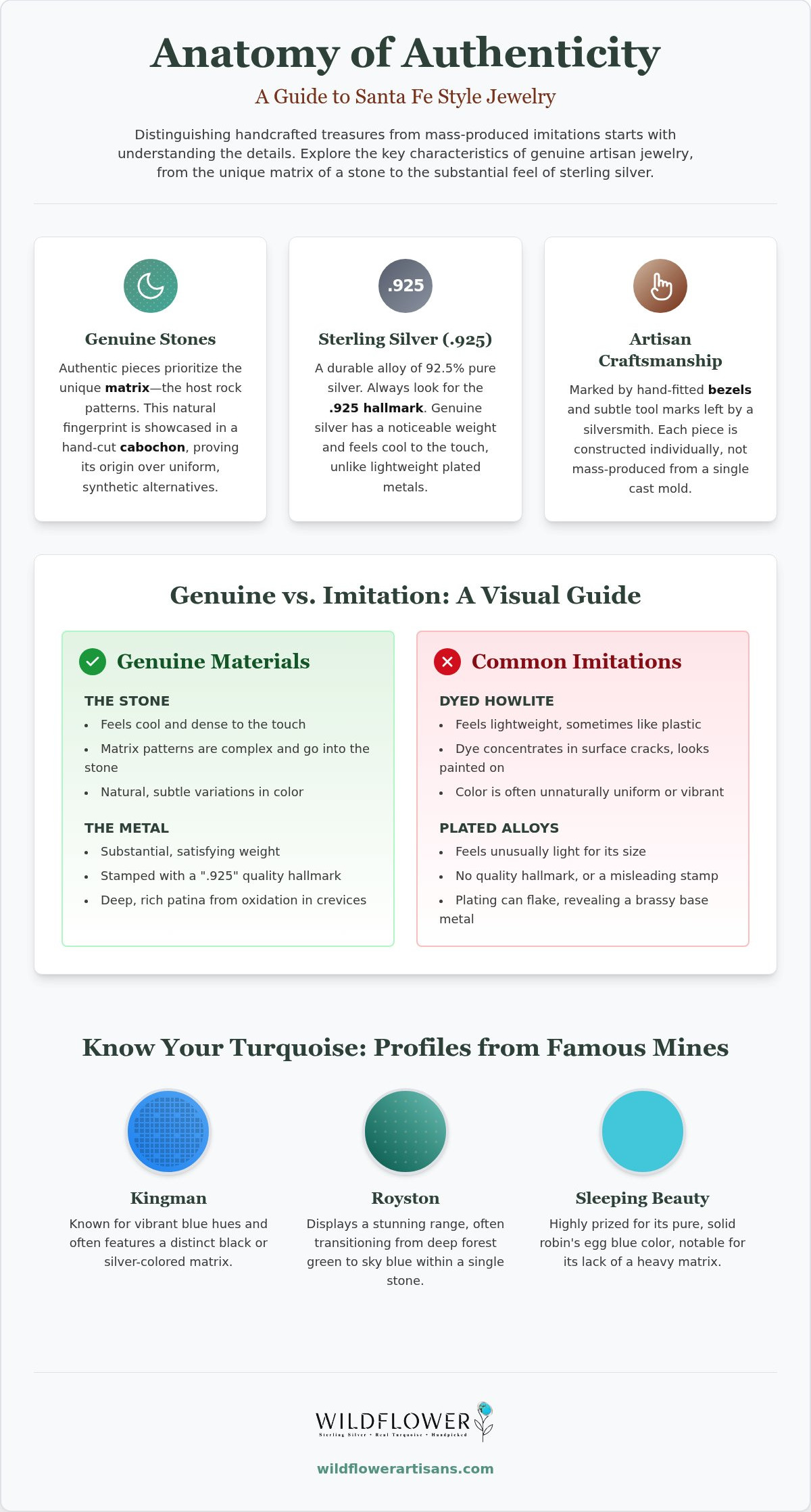
Identifying genuine materials in the santa fe jewelry style requires a sensory approach, focusing on the weight, temperature, and physical hallmarks of the piece. A hallmark is a small mark stamped into metal to certify its purity or origin. Real turquoise feels cold to the touch and has a weight similar to a pebble, whereas plastic imitations feel warm and light. You can often spot dyed howlite, a common fake, by looking for dark dye concentrations in the cracks of the stone. Mystery metals or plated jewelry will often show wear on the edges, revealing a copper or brass color underneath that indicates it isn't solid. Authentic artisan jewelry will always be marked with a .925 stamp or the maker’s hallmark to guarantee the metal content.
The Problem with Mystery Metals
Mystery metals are undisclosed alloys that can cause skin irritation or green staining, making them an unreliable choice for a permanent collection. An alloy is a metal made by combining two or more metallic elements to give greater strength or resistance to corrosion. Wildflower strictly uses sterling silver (.925) and solid 14K gold to ensure longevity and safety for the wearer. Unlike plated items which have a limited lifespan, solid metals can be polished and repaired over time. If a piece is plated, the thin layer of gold or silver will eventually rub off, exposing the base metal. We believe in pieces that last, which is why we've detailed the differences in our Wildflower vs Etsy turquoise comparison to help you understand the value of solid construction.
Testing for Stone Authenticity
Authentic stones possess a natural texture and origin story that synthetic block materials cannot replicate. Block turquoise is a material made by mixing crushed stone scraps with plastic resin and pouring it into a mold. Examine the matrix carefully. A genuine matrix should be slightly recessed or have a different texture than the turquoise itself, as it is the host rock where the stone was formed. Reputable artisans usually know exactly where their material was sourced. If you're unsure about a piece, check our authenticity page for more visual examples of what to look for in a genuine cabochon. Always ask the seller for the specific mine origin of the stone, as this transparency is a hallmark of the true santa fe jewelry style.
Cultivating Your Personal Artisan Gallery
Understanding the santa fe jewelry style is about more than recognizing a specific aesthetic; it's about valuing the slow, intentional process of the working studio. You now have the tools to look past the surface of mass-produced imitations and find the beauty in hand-cut cabochons and hand-fitted bezels. By focusing on genuine materials like sterling silver (.925) and mine-specific stones, you ensure that every piece in your collection is a celebration of natural, fleeting beauty.
As an independent studio based right here in Santa Fe, we're dedicated to this level of transparency. We strictly exclude dyed howlite or mystery metals, ensuring that every stone we set is as authentic as the high desert landscape. Every artist-made piece we offer is a vessel for emotion, built to be worn and appreciated for a lifetime.
We hope this guide helps you feel confident as you begin or grow your collection. There is a deep, quiet joy in wearing a piece that carries its own story from the earth.
Frequently Asked Questions
Is Santa Fe jewelry style only made with turquoise?
Turquoise is the most recognized stone in this style, but Southwestern jewelry also features lapis lazuli, spiny oyster, malachite, and white buffalo. The santa fe jewelry style is defined more by the handcrafted silverwork and the use of genuine semi-precious stones than by a single color. Artisans often choose stones based on their unique matrix and natural character. This diversity allows us to build pieces around the specific cabochon that captures our eye in the studio.
How can I tell if my silver is real sterling silver?
Genuine sterling silver (.925) is marked with a .925 hallmark which indicates it is 92.5 percent pure silver. You can also use a small magnet to test the piece because pure silver and sterling silver are not magnetic. If the magnet sticks to your jewelry, it's likely made of a base metal like iron or nickel with a thin silver coating. We always suggest looking for the maker's signature stamp alongside the metal purity mark for authenticity.
What is the difference between stabilized and treated turquoise?
Stabilized turquoise has been treated with a clear resin to make the stone harder and prevent the color from changing over time. This is a common and accepted practice for many mines to ensure the stone is durable enough for a bezel setting. Treated or dyed turquoise involves adding artificial color to low-quality stones to make them look more valuable. We focus on high-quality stones that maintain their natural integrity and unique matrix patterns without artificial dyes.
Can I wear my turquoise jewelry every day?
You can wear your turquoise jewelry daily, but you should take care because turquoise is a relatively soft stone. It ranks between 5 and 6 on the Mohs scale, which measures mineral hardness. We recommend removing your pieces before swimming, showering, or using harsh chemicals. To clean your santa fe jewelry style items, use a soft damp cloth and avoid ultrasonic cleaners or steam which can damage the stone and the silver patina.
Article by
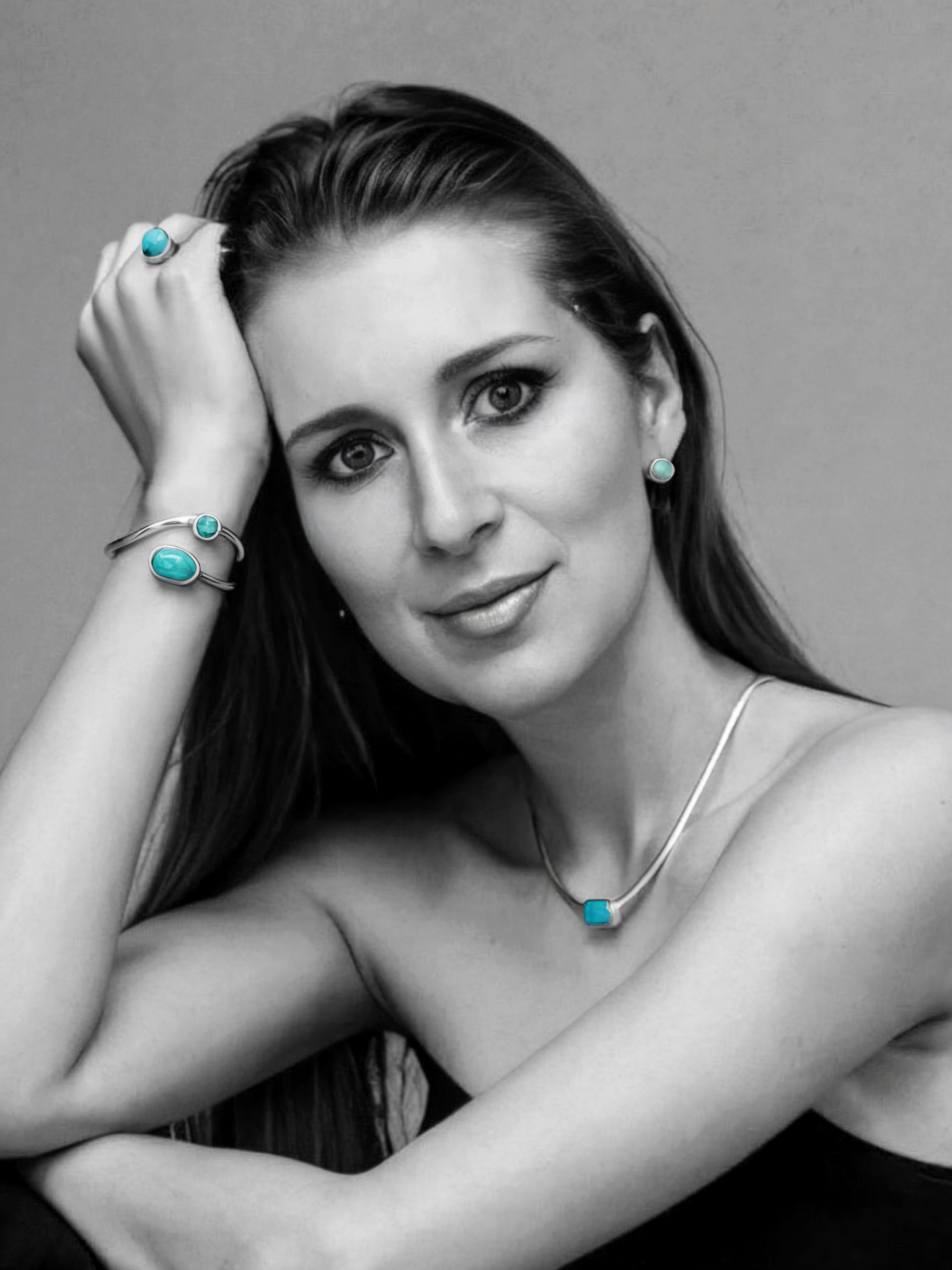
Kimberly Cordova
Kimberly Cordova is the founder and creative director of Wildflower Artisans, a handmade jewelry brand rooted in Santa Fe. Real turquoise, solid sterling silver, and a small line set in solid 14K gold. She built Wildflower around a simple belief: the best jewelry is the kind you actually reach for, not the kind you save for someday.
The collection is built three ways. Some pieces are made in-house, cut by her husband Greg from stones he sources himself, including rough from the family's King's Manassa Mine in Colorado and White Buffalo Mine in Nevada. Some are designed by Kimberly and fabricated by a trusted circle of Santa Fe silversmiths. And some are finished work she curates from artisan makers whose craft meets the same standard, because building a real collection means knowing when to make and when to look.
Turquoise leads, joined by White Buffalo, Wild Horse, Lapis Lazuli, Spiny Oyster, Black Onyx, Opal, and other genuine semi-precious stones. No shortcuts on the stone, the silver, or the story behind either.
Her writing covers everything she has learned along the way: how turquoise forms, how to tell natural from stabilized, what makes one mine different from another, how to read a bezel, and how to shop with confidence in a market that is not always straightforward. It is the kind of plainspoken information she wished someone had laid out for her when she was starting out.
Browse the collection at wildflowerartisans.com. Questions about a stone, a setting, or a specific piece are welcome any time.
0 comments