

The quickest silver-cleaning trick isn’t always the kindest to a fine chain. Tarnish can dull a necklace that once caught the light, but learning how to clean a silver chain necklace safely means accounting for its delicate links and any attached stone, not just the metal.
If the metal content is unclear or the pendant includes a porous stone such as turquoise, a strong dip or rough scrub can put the piece at risk. Sterling silver is .925, but necklaces differ in construction and finish. Choose a cleaning method for the piece in front of you.
This guide walks through a gentle at-home process, compares common cleaning methods, and covers habits that help limit tarnish and tangles. A little patience and a soft touch can help preserve the chain’s shape and finish.
Key Takeaways
- Match your cleaning method to the chain’s material and construction, especially when a pendant or stone is attached.
- Clean a suitable silver chain gently with mild soap, lukewarm water, and careful support for its links.
- Use a soft cloth, soapy water, or a silver cleaner only when it suits the piece; stronger products can put delicate links or stones at risk.
- Limit tarnish and tangles by wiping the chain after wear and storing it dry, separately from other jewelry.
- Stop if you find damage or an uncertain finish instead of polishing repeatedly.
Why Silver Chain Necklaces Tarnish, and What to Check Before Cleaning
Choose a cleaning method that suits the chain’s material and construction. Before you begin, check whether the necklace is sterling silver, silver-plated, or made from another metal, and note whether it has an attached stone. Dullness alone does not mean a chain is damaged, but the wrong cleaner can harm a delicate finish or setting.
Tarnish is a surface change on silver, not automatically a sign that the necklace is ruined. It forms as silver reacts with sulfur compounds in the air, creating a thin layer of silver sulfide that can make the metal look gray or dark. Routine surface tarnish is different from visible damage, such as a broken link, a deep kink, a loose setting, or worn plating. If a dark area looks uneven or the surface seems to be wearing away, don’t assume more polishing will solve it.
How to tell what kind of silver chain you have
A .925 mark identifies sterling silver, which contains 92.5% silver; Wildflower Artisans’ sterling silver jewelry is .925. Look near the clasp or on a small tag, and check the purchase details for the metal description. Not every silver-colored chain is sterling, so don’t choose a silver-specific cleaner based on color alone. If the material remains uncertain, use only a soft, clean cloth and avoid stronger products until you know more.
Why a chain needs gentler handling than a flat silver piece
A chain has many small links, narrow spaces, and clasp details where cloth fibers or cleaning residue can catch. Support the chain as you handle it rather than pulling it taut, and take care around any pendant. A stone may respond differently to moisture or cleaner than the silver around it. Turquoise and other porous stones call for particular caution with chemical dips. The jewelry care and repair guidance focuses on caring for the whole piece, not just its metal.
Before cleaning, lay the necklace on a soft surface and look closely at the links, clasp, pendant setting, and finish. A little dullness across the silver may be ordinary tarnish. A chain that catches on itself, has a sharp bend, or shows a gap at a setting needs a different response. So does plating that appears thin or rubbed through, since repeated polishing can wear the surface further.
- If you see a .925 mark: Treat the chain as sterling, while still accounting for attached stones and delicate construction.
- If the chain is plated or uncertain: Skip silver dips and abrasive polishing; start with a dry, soft cloth.
- If links or settings look damaged: Stop before cleaning, since handling may worsen the problem.
That inspection is the first step in deciding how to clean a silver chain necklace without putting its links, finish, or pendant at unnecessary risk. If you can’t tell whether a dark patch is tarnish or a worn surface layer, pause rather than scrubbing until the mark changes.
How to Clean a Silver Chain Necklace Gently at Home
For a plain sterling silver chain in sound condition, start with lukewarm water, a little mild dish soap, and a soft cloth. Handle the links just as carefully as you choose the cleaner: support the chain so it can rest naturally, without pulling it taut or twisting it.
The simple soap-and-water cleaning sequence
Set out a clean, shallow bowl and a soft, lint-free cloth. Use this approach only if the chain’s material and any attached stone are suitable for water and mild soap. If you’re unsure how a pendant should be cared for, keep it out of the solution and clean only the chain with a barely damp cloth.
- Mix a mild solution. Add a small amount of mild dish soap to lukewarm water in the bowl. Avoid hot water and concentrated soap, which can make rinsing harder.
- Wet the chain gently. Lay the necklace in the solution and move it slowly through the water. Let the soapy water reach the links; don’t scrub, stretch, or vigorously swish the chain.
- Work along the links. Lift one section at a time and use your fingertips or a soft cloth to wipe lightly. If a spot remains, give it another gentle pass rather than pressing harder.
- Rinse with care. Rinse the chain in clean lukewarm water, guiding it through the water so soap washes from between the links and around the clasp. Keep a hand beneath it, and check that no suds remain in the small spaces.
- Dry completely. Lay the chain on a clean, soft surface and pat it with a dry cloth. Leave it spread out until the links and clasp are fully dry, including the narrow crevices, before putting it away.
How to clean a fine chain without stretching its links
Before adding water, lay the chain out and let it settle into its natural shape. Don’t tug on knots or pull a snagged section through a link. Use a soft cloth to work from one end toward the other with light, controlled strokes, turning the chain gently as needed. If a link catches, bends, or looks damaged, stop rather than forcing it.
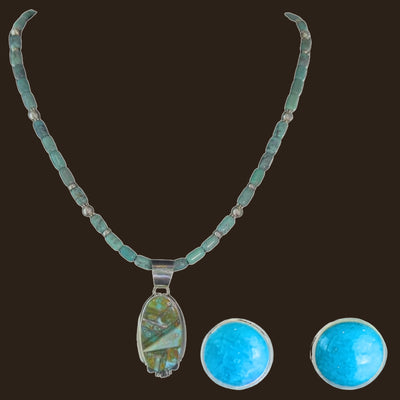
If you’re considering another handcrafted necklace with a stone pendant, Wildflower Artisans’ collection of sterling silver and genuine-stone jewelry includes pendant necklaces. Look for a design that suits how you like to wear jewelry, then care for the pendant and its silver setting as separate materials.
Wildflower Artisans’ collection also includes handmade rings, earrings, cuff bracelets, and bolo ties crafted with genuine stones. Browse the handcrafted sterling silver and genuine-stone jewelry collection to find a piece that fits your style.
Which Silver-Chain Cleaning Method Is Safe for Your Necklace?
The safest method depends on the chain’s metal, finish, construction, and any attached stones. Choose the least aggressive option that suits the piece, and don’t treat a stone-set or fragile necklace like a plain, sturdy silver chain.
| Method | Best suited to | Use with care |
|---|---|---|
| Soft, clean cloth | Light surface dust or dullness; a good first step when the metal is uncertain | Use gentle strokes and avoid catching fine links or rubbing an attached stone |
| Mild soap and lukewarm water | A known sterling silver chain in sound condition, without a water-sensitive stone | Rinse thoroughly and dry every link and crevice before storage |
| Silver-cleaning products | Only pieces whose material and construction suit the product directions | Dips and stronger cleaners may affect stones, finishes, or delicate details |
When deciding how to clean a silver chain necklace, begin with the gentlest option that can reasonably address the dullness. Avoid abrasive scrubbing and unverified household recipes. Powders and rough pastes can scratch or wear a finish, while improvised mixtures may be unsuitable for the metal, soldered details, or stones. A dramatic cleaning trick isn’t worth risking a piece you value.
When a polishing cloth may be enough
A silver polishing cloth can help with light surface dullness on a chain you know is sterling silver. Work with light pressure, following the chain’s shape rather than pulling it straight, and take special care around the clasp and any attached stone. A polishing cloth won’t repair a broken link or restore worn plating. Stop if the surface looks uneven or the cloth catches.
Why attached stones change the cleaning decision
Stones and silver don’t always respond to the same care. Water, chemicals, or abrasion that seem suitable for metal may affect a stone or its setting differently. If a pendant is attached, avoid silver cleaner on the whole necklace. Turquoise should not be treated with silver cleaner or harsh household methods. If you clean exposed silver, use a barely damp soft cloth and keep it away from the stone.
Silver dips are a poor default for stone-set or delicate jewelry because the liquid can reach places that are difficult to isolate, including the setting and chain links. Ultrasonic cleaners are not a safe all-purpose choice for fragile pieces; vibration can be unsuitable for a loose setting, delicate links, or certain stones. If you can’t tell whether the chain or pendant can tolerate a method, stick with gentle, localized wiping and stop if anything catches, shifts, or appears damaged.
How to Keep a Silver Chain Necklace Clean Between Wearings
A simple after-wear routine helps remove surface residue and keeps a chain ready for its next outing. Wipe it gently, let it dry, and store it separately. These habits can help limit buildup and tangles, though no routine can prevent tarnish completely.
Small habits that help reduce tarnish
Put your necklace on after applying lotion, perfume, or other personal-care products, and remove it before bathing. At the end of the day, check the links and clasp for visible residue, then wipe the chain with a soft, clean cloth. Support the chain as you work so the cloth glides rather than pulls at the links.
- After wearing: Wipe away fingerprints, skin oils, or visible product residue before putting the necklace away.
- Before dressing: Give lotions and other personal-care products time to settle before you put on the chain.
- Before bathing: Remove the necklace rather than leaving it on around water and bath products.
- Before storage: Make sure the chain is dry. If it has become damp, let it dry fully before closing it away.
Keep the routine modest. A quick wipe is for everyday surface residue, not an invitation to polish the chain each time you wear it. If the necklace has a stone pendant, avoid rubbing the stone as you clean the silver; the materials may need different care.
How to store chains without tangling or scratching
Store each chain dry and separately from other jewelry. Shared storage can let fine links wind around neighboring pieces or rub against them. Fasten the clasp, then lay the chain flat in its own space, guiding it into a loose line rather than coiling it tightly. If you’re storing a pendant necklace, let the pendant rest without pressing against another piece.
Before lifting the necklace, check that the clasp and chain are free rather than pulling a loop loose by force. If the links have settled into a tangle, ease them apart with your fingers on a soft surface.
These small choices won’t keep silver bright forever, but they can reduce residue and friction between cleanings. They’re especially useful for a necklace worn often, where the chain and any attached pendant move together throughout the day.
For a pendant made to be worn and cared for thoughtfully, browse Wildflower’s collection of handcrafted sterling silver jewelry with genuine stones. It includes pendant necklaces, with silver settings and stones that call for gentle care.
When to Stop Cleaning a Silver Chain and What to Do Next
Stop cleaning if you find a broken link, a loose setting, a severe kink, or a surface finish you can’t identify. Cleaning can address ordinary surface dullness, but it won’t mend a chain or secure a stone. Repeated polishing may remove silver without solving the problem.
Signs that cleaning is not the real problem
Look closely at the chain before trying another pass. A dark area that remains after gentle cleaning may need a different assessment, but a bent, split, or insecure link is a structural concern, not just discoloration. If an attached stone moves in its setting, stop handling the necklace and don’t try to clean around the looseness.
Pause, too, if you can’t tell whether the chain is sterling silver, plated, or finished in another way. Polishing can gradually remove a thin surface layer, so applying more pressure to a worn patch may make the finish less even. Don’t use a stronger cleaner simply because a mark hasn’t lifted. Leave the piece alone until you understand what you’re seeing.
- Broken or split link: Don’t pull the chain straight or keep wearing it as usual.
- Severe kink: Don’t force the bend flat or work a cloth through it.
- Loose stone or setting: Avoid soaking, polishing, or pressing on the setting.
- Uncertain finish: Stop before using silver-specific products or abrasive methods.
A sensible next step for a delicate or stone-set necklace
For a fragile chain or a necklace with an attached stone, stop home cleaning rather than escalating to dips, scrubbing, or repeated polishing. Note what you observed, such as a link that catches or a setting that shifts, and store the necklace safely until you choose a suitable next step. Wildflower’s jewelry care and repair guidance offers direction for looking after delicate pieces.
Knowing how to clean a silver chain necklace also means knowing when not to continue. If the chain is sound and the metal is known, gentle care may be enough for ordinary dullness. If something looks bent, loose, worn, or uncertain, let the cleaning cloth rest. Preserving the necklace matters more than chasing a perfectly even shine.
For another handcrafted piece to wear and care for thoughtfully, explore Wildflower’s collection of sterling silver and genuine-stone jewelry.
Let Care Make Room for the Next Story
A necklace can carry the memory of a day, a gift, or a small ritual of getting dressed. Now that you know how to clean a silver chain necklace with care, bring that same thoughtfulness to the pieces you choose next. Give each one room to become part of your own story.
Wildflower Artisans offers handcrafted sterling silver and genuine-stone jewelry, including pendant necklaces. A stone pendant can make a familiar chain feel newly personal. Browse the collection of handcrafted sterling silver and genuine-stone jewelry for a piece that draws your eye and suits how you like to wear jewelry.
May the next piece you reach for bring a little meaning to an ordinary day.
FAQs
Can I clean a silver chain necklace with baking soda?
It’s best not to scrub a chain with baking soda, since its gritty texture can scratch the metal or catch between fine links. Recipes that combine baking soda with other materials can also be difficult to control on a necklace with a clasp or pendant. If you’re unsure how the chain will respond, avoid experimenting on the whole piece and stick to a method intended for its known materials.
Can toothpaste clean a silver chain necklace?
No. Toothpaste isn’t made for jewelry and may contain ingredients that are too abrasive for a delicate chain. It can also leave residue around the clasp or inside links, where rinsing may be difficult. Check the chain’s material and finish first, then choose a method suited to those details.
How often should I clean a silver chain necklace?
Clean it when you notice visible residue or dullness, rather than following a rigid calendar. A necklace worn often may need attention sooner than one kept for occasional use. Between cleanings, a brief wipe after wearing can help you notice changes early, such as a clasp that feels different or a link that no longer lies smoothly.
Can I clean a silver chain necklace while a pendant is attached?
Yes, but care for the necklace as a combination of materials, not as silver alone. Avoid immersing an attached pendant if you don’t know how its stone or setting responds to water and cleaning products. For turquoise, keep silver cleaners and household mixtures away from the stone. If you can’t clean the chain without exposing the pendant, pause rather than risk it.
How do I clean a tangled silver chain without breaking it?
Place the chain on a smooth, light-colored surface and open the clasp to release tension. Use your fingertips to ease apart the outer loops, shifting the necklace rather than pulling its ends. A loose loop may open as you gently widen it. If a knot feels tight or a link starts to bend, stop instead of forcing it, since the chain may need careful repair.
When you’re ready to choose another piece to wear and care for, explore Wildflower Artisans’ handcrafted sterling silver and genuine-stone jewelry.

Article by
Kimberly Cordova
Kimberly Cordova is the founder and creative director of Wildflower Artisans, a handmade jewelry brand rooted in Santa Fe. Real turquoise, solid sterling silver, and a small line set in solid 14K gold. She built Wildflower around a simple belief: the best jewelry is the kind you actually reach for, not the kind you save for someday.
The collection is built three ways. Some pieces are made in-house, cut by her husband Greg from stones he sources himself, including rough from the family's King's Manassa Mine in Colorado and White Buffalo Mine in Nevada. Some are designed by Kimberly and fabricated by a trusted circle of Santa Fe silversmiths. And some are finished work she curates from artisan makers whose craft meets the same standard, because building a real collection means knowing when to make and when to look.
Turquoise leads, joined by White Buffalo, Wild Horse, Lapis Lazuli, Spiny Oyster, Black Onyx, Opal, and other genuine semi-precious stones. No shortcuts on the stone, the silver, or the story behind either.
Her writing covers everything she has learned along the way: how turquoise forms, how to tell natural from stabilized, what makes one mine different from another, how to read a bezel, and how to shop with confidence in a market that is not always straightforward. It is the kind of plainspoken information she wished someone had laid out for her when she was starting out.
Browse the collection at wildflowerartisans.com. Questions about a stone, a setting, or a specific piece are welcome any time.


0 comments