

What if the traditional test for a gemstone's durability is the exact thing guaranteed to scar it forever? When collectors ask how is turquoise hardness measured, they often imagine a gemologist scraping sharp steel picks across the face of a finished, sky-blue cabochon. In professional lapidary studios, we know that scratching a finished piece is the last thing an artisan or collector ever wants to see.
It is completely natural to feel cautious before investing in a handcrafted ring or cuff, especially when you are weighing the fear of accidental chips against confusing terms like porosity, hardness, and structural toughness. You deserve absolute clarity about whether a stone is genuine, untreated earth or merely dyed chalk. In this guide from Wildflower Artisans, you will learn how lapidaries evaluate mineral resistance along the Mohs scale, how non-destructive bench tests expose artificial imitations, and how protective sterling silver bezels shelter these natural treasures for generations of daily wear.
Key Takeaways
- Understand how is turquoise hardness measured using the ten-point Mohs scale to evaluate surface scratch resistance against daily contact.
- Discover why untreated natural turquoise ranks between 5 and 6, requiring dense mineral structure to accept a clean, lapidary hand-polish.
- Differentiate surface scratch hardness from porosity and structural toughness to distinguish genuine earth-mined gems from dyed chalk imitations.
- Learn why protective, handcrafted sterling silver bezels shield cabochon edges far better than exposed prong mountings for everyday wear.
- Master studio-tested care routines that protect cryptocrystalline mineral bonds from ultrasonic vibrations, steam, and household chemicals.
What the Mohs Scale Is and How Turquoise Hardness Is Tested
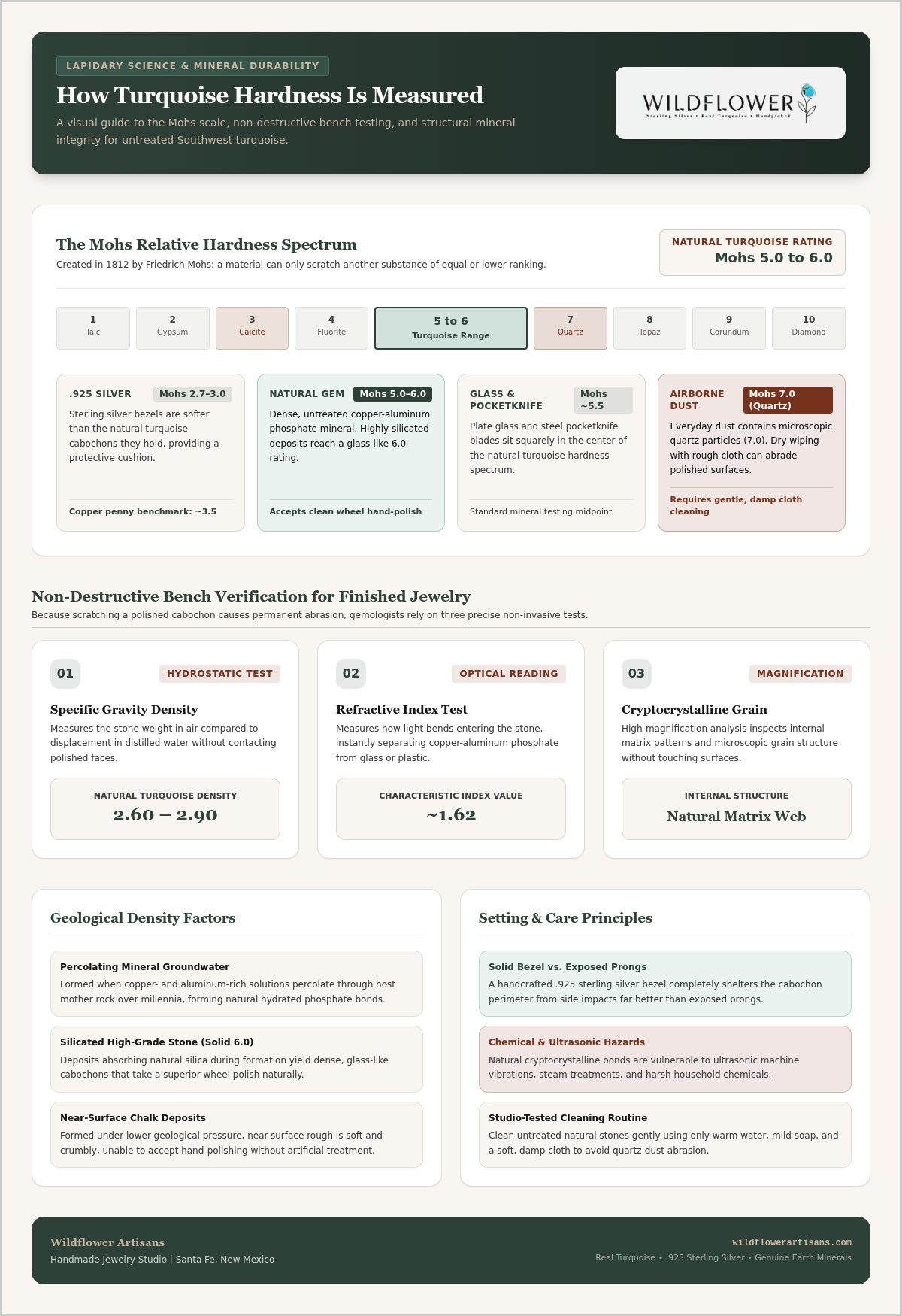
Lapidaries evaluate how turquoise hardness is measured by assessing its resistance to surface scratching against a standardized scale of ten reference minerals. Created in 1812 by Friedrich Mohs, this relative mineral scale ranks comparative scratch resistance from talc at 1 up to diamond at 10. Under this system, a mineral can only scratch another material of equal or lower ranking, giving stone cutters a tangible benchmark when shaping raw rough at the bench.
The Mechanics of Relative Scratch Testing
To determine where unworked rock sits on this spectrum, mineralogists use calibrated brass styluses tipped with specific reference minerals. Lapidaries test rough stone exclusively on an unsanded corner or a discarded matrix backing rather than on clean gem material. A matrix is the host rock or web of residual mother stone that weaves naturally through a gem. If a point tipped with apatite (level 5) leaves no groove, but an orthoclase feldspar pick (level 6) creates an indentation, the rough stone falls cleanly between 5 and 6.
Non-Destructive Testing Methods for Finished Jewelry
Reputable jewelers never perform scratch tests on a finished cabochon. A cabochon is a gemstone that has been shaped and polished into a smooth, rounded dome rather than cut with faceted faces. Dragging a hardened stylus across a polished dome causes permanent, irreparable abrasion. When authenticating finished pieces or guiding clients through our turquoise buying guide, gemologists use non-destructive methods to verify density and mineral structure:
- Hydrostatic Specific Gravity Testing: Measuring the stone's weight in air against its displacement in distilled water reveals its density without touching the polished face. Natural turquoise registers between 2.60 and 2.90.
- Refractometer Readings: Optical refractometers measure how light bends as it enters the stone, revealing a characteristic refractive index near 1.62. This quickly separates genuine copper-aluminum phosphate minerals from dyed glass or plastic imitations.
- Microscopic Inspection: High magnification displays natural cryptocrystalline grain and internal matrix patterns, confirming structural authenticity without risking a single scratch.
Understanding how turquoise hardness is measured allows Wildflower Artisans to source rough responsibly, ensuring every hand-shaped stone preserves its natural integrity long before setting.
Where Natural Turquoise Ranks on the Hardness Spectrum
Natural, untreated turquoise officially ranks between 5 and 6 on the Mohs mineral scale, giving it a moderate surface resilience comparable to window glass. When considering how turquoise hardness is measured across geological formations, this ranking means raw stone can resist accidental rubbing against softer metals, yet it remains vulnerable to harder silica-based materials found in ordinary environment dust.
Comparing Turquoise to Common Reference Materials
To picture where turquoise sits in everyday life, consider the common objects around us. A copper penny rates around 3.5, while our .925 sterling silver sits near 2.7 to 3, meaning the silver bezel cupping your stone is actually softer than the gem it holds. A standard steel pocketknife blade or a pane of plate glass measures approximately 5.5, which falls directly in the center of the turquoise range. Common airborne dust, however, consists primarily of microscopic quartz particles registering at hardness 7. Wiping a dusty, dry stone with a rough cloth can drag those tiny grains across its surface, dulling its natural luster over time.
Why Hardness Varies by Deposit and Silicate Content
Geological conditions create subtle variances in density across different southwest mines. Natural turquoise forms when mineral-rich groundwater percolates through host rock, depositing hydrated copper and aluminum phosphate over millennia. This mineral hydration and crystalline formation cause untreated turquoise hardness to vary naturally between 5 and 6. When deposits absorb excess silica during formation, the stone becomes dense, silicated, and naturally glass-like, claiming a solid 6. Conversely, near-surface chalk turquoise formed under lower pressure yields a soft, crumbly structure that cannot take a wheel polish without artificial chemical stabilization.
That balance between natural hardness and crystalline density is why we hand-select raw stones directly from historic American mines. It is why our turquoise jewelry collection features untreated cabochons shaped on the lapidary wheel and matched with protective sterling mountings. For an overview of how we shape both hard silicates and gentler gems across our bench, explore our full gallery of handcrafted jewelry.
Scratch Hardness vs. Porosity: Understanding Real Stone Toughness
Scratch resistance reveals only one facet of stone endurance, measuring mineral surface density rather than resistance to fracturing or internal absorption. While learning how turquoise hardness is measured explains why a gem resists daily scuffs, it cannot predict how that same stone reacts to a sudden sharp impact or a spill of hand lotion.
The Difference Between Hardness and Tenacity
Mineralogists separate scratch hardness from tenacity, which describes a stone's capacity to withstand fractures, chipping, and mechanical stress. Untreated turquoise carries a fair to good toughness rating, meaning a direct blow against a marble kitchen island or ceramic tile can easily cleave the stone in two. Intricate matrix webs, whether formed from golden limonite, quartz, or glistening iron pyrite, create natural variations along crystalline boundaries. These webbed lines give southwestern cabochons their soul, but they also introduce distinct structural planes where intense lateral pressure might cause a split. A solid strike cracks crystal lattices regardless of where a stone scores on the scale.
Porosity and the Living Nature of Untreated Turquoise
Beyond surface tenacity lies porosity, the microscopic void network that defines untreated gems. As geological mineral studies demonstrate, turquoise is a hydrated copper and aluminum phosphate containing natural crystalline spaces. Through natural capillary action, those microscopic spaces behave like fine earthen sponge work:
- Capillary Absorption: Natural pores pull in moisture, cosmetic creams, perfume, and environmental oils resting on the skin.
- Organic Maturation: Absorbed skin oils gradually interact with raw copper minerals, slowly darkening sky-blue hues into deep, mossy teal over years of wear.
- Chemical Attack: Harsh synthetic cleaners or chlorine break down these fragile cryptocrystalline bonds, permanently bleaching or pitting the polished face.
A cabochon registering 5.5 resists routine contact with sterling silver, yet it drinks in its surroundings like dry desert soil after rain. Understanding this distinction reshapes how turquoise hardness is measured in practical terms, shifting focus from mere abrasion resistance to the living, breathable essence of authentic earth.
How Mineral Hardness Dictates Protective Jewelry Settings
A stone's moderate Mohs rating demands jewelry architecture that physically shields its perimeter from daily abrasions and accidental strikes. Understanding how turquoise hardness is measured directly informs whether a silversmith mounts a cabochon in an exposed claw setting or wraps it safely inside a hand-burnished metal rim. A bezel is a supportive collar of metal shaped and folded over the outer edge of a gemstone to lock it in place.
Why the Solid Bezel Is the Gold Standard for Turquoise
Traditional prongs elevate gems to catch ambient light, yet this leaves the vulnerable girdle of a hand-cut cabochon exposed to side impacts. Because untreated turquoise registers between 5 and 6, a glancing blow against a granite counter can easily fracture an unshielded edge. Handcrafted .925 sterling silver is softer than the stone itself, meaning the metal collar behaves as a natural shock absorber that cushions blunt force before energy transfers to the mineral core. Smooth, solid bezels provide unbroken rim defense, staying close to the stone so they don't catch on woven fabrics or loose knitwear.
Matching Jewelry Placement to Stone Hardness
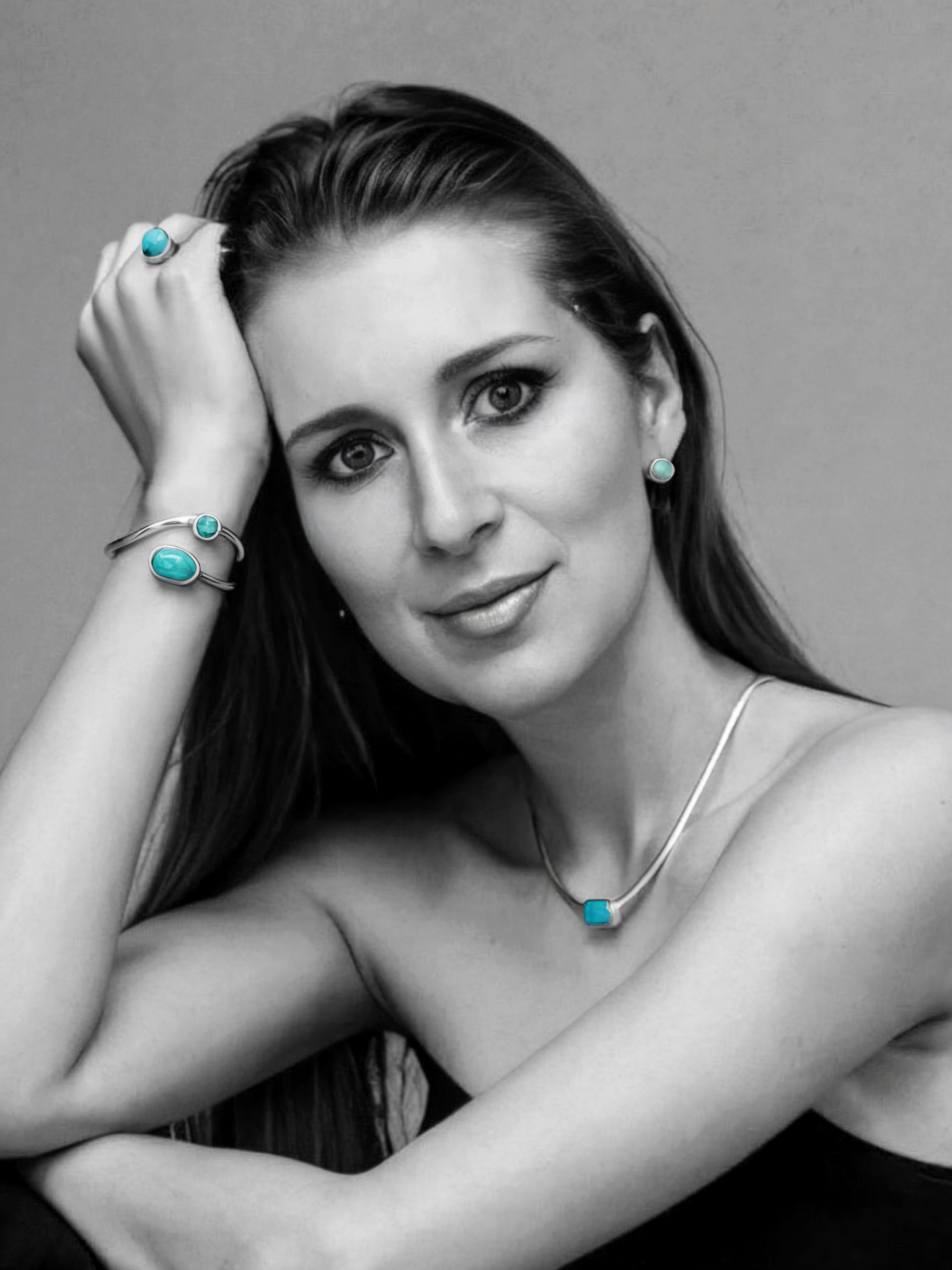
Different body placements subject jewelry to wildly different levels of physical contact throughout the day. Ear lobes and necklines remain low-impact sanctuaries, making turquoise stud earrings and drop pendants safe havens for delicate, webbed matrix stones. Conversely, hands endure relentless movement, collisions, and friction. Rings and cuff bracelets take the brunt of routine life, requiring heavy-gauge backplates and lower cabochon domes that sit close to the wrist or finger.
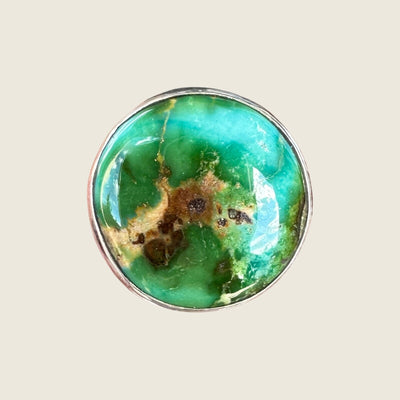
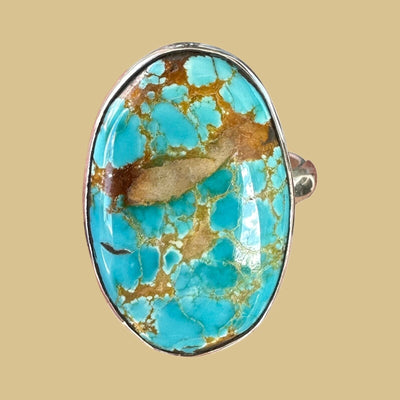
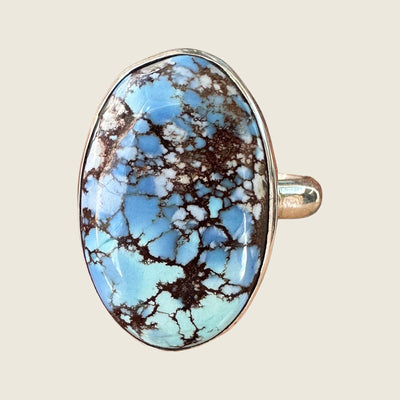
Carefully considering your daily routine alongside stone density helps prevent heartbreak before you make a selection. That structural relationship between mineral vulnerability and metalwork is central to how we design every piece. It is why our handcrafted turquoise rings feature thick .925 sterling silver bezels hand-burnished over natural American stones to weather daily wear.
Caring for Untreated Turquoise Based on Its Hardness Rating
Untreated turquoise demands mindful wear, mild surface cleaning, and thoughtful isolation from harder gemstones. Because of how turquoise hardness is measured at a mid-tier 5 to 6, subjecting an untreated cabochon to ultrasonic baths or high-heat steam cleaners is disastrous. Ultrasonic vibrations send high-frequency shockwaves through the stone, shattering delicate cryptocrystalline bonds, while steam heat abruptly vaporizes internal moisture and splinters matrix veins. A clean, soft, damp microfiber cloth is the only tool needed to lift dust and skin residue after a day of wear.
Chemicals, Heat, and Everyday Substances to Avoid
Porosity combined with moderate hardness makes untreated turquoise hypersensitive to common household products. Chlorine, commercial silver dips, bleach, perfumes, and hairsprays quickly seep into microscopic pores, causing irreversible discoloration and etching the stone's smooth face. Sudden shifts in temperature also invite trouble by expanding trapped moisture along internal matrix fissures. We always advise removing turquoise rings and cuffs before washing hands with antibacterial soap, applying sunscreen, or tackling domestic chores.
Storage Strategies to Prevent Surface Abrasions
Keeping jewelry safe when unworn requires keeping harder materials at a distance. When pieces tumble together loosely in a drawer, common gems like quartz (7), topaz (8), sapphire (9), and diamond (10) will easily gouge softer phosphate cabochons. To protect your collection, follow these simple bench habits:
- Individual Pouches: House each piece in its own soft cotton pouch or velvet-lined jewelry slot to eliminate metal-on-stone contact.
- Climate Control: Store silver pieces in a cool, low-humidity space alongside anti-tarnish strips to prevent oxidation without exposing stone bezels to chemical dips.
- Flat Rest: Lay heavy cuffs and statement pendants flat rather than hanging them, preventing accidental drops onto hard hardwood or tile floors.
Remembering how turquoise hardness is measured keeps daily preservation habits simple and intuitive. For detailed guidance on caring for heirloom settings or requesting studio service, read our care and repair guide.
Choosing and Cherishing Authentic Stone Jewelry
Understanding how turquoise hardness is measured transforms the way you appreciate genuine southwestern jewelry. Knowing that untreated natural turquoise rates between 5 and 6 gives you the confidence to distinguish authentic earth from fragile chalk or plastic imitations. That mid-tier hardness also highlights why thoughtful craftsmanship matters, ensuring you seek out secure mountings that honor the stone's physical nature.
At Wildflower Artisans, our studio lapidary artists shape genuine rough cut from historic American mines into enduring cabochons, upholding a strict ban on synthetic imitations. Paired with protective custom bezels shaped by hand in .925 sterling silver and solid 14K gold, each piece is built to accompany your daily rhythm while keeping the living stone secure.
Wear your favorite pieces often, treat them with gentle bench care, and let their changing character tell your personal story for years to come.
Frequently Asked Questions
Can you scratch genuine turquoise with a fingernail?
No, you cannot scratch genuine turquoise with a fingernail. Human fingernails measure approximately 2.5 on the Mohs scale, while untreated natural turquoise rates between 5 and 6. Because a softer substance cannot abrade a harder surface, your nail simply glides over authentic stone. If a blue gem scratches easily under light fingernail pressure, you are likely holding soft dyed gypsum, molded plastic, or compressed chalk rather than genuine earth-mined stone.
Is turquoise harder or softer than sterling silver?
Natural turquoise is harder than .925 sterling silver. Sterling silver typically registers between 2.7 and 3 on the Mohs mineral scale, whereas genuine turquoise sits between 5 and 6. This difference allows silversmiths to work a silver bezel firmly against the stone cabochon without scratching its polished dome. While the softer metal bezel cushions rim impacts, harder airborne quartz particles can still abrade both materials if handled roughly.
How do lapidaries test turquoise without destroying the cabochon?
Lapidaries evaluate finished cabochons using non-destructive specific gravity and optical refractometry tests rather than destructive scratch styluses. Understanding how is turquoise hardness measured guides bench artists to verify mineral identity safely. Hydrostatic scales measure water displacement to confirm a natural density between 2.60 and 2.90, while optical refractometers identify characteristic light bending near 1.62. Physical scratch picks are reserved exclusively for unshaped rough or discarded host rock.
Does a lower hardness rating mean turquoise is fake?
A lower hardness rating does not automatically mean turquoise is fake, but it indicates lower mineral density. Some natural deposits form near the earth's surface under reduced pressure, producing porous chalk stone that sits closer to 4.5. While genuine, this softer material cannot hold a wheel polish without chemical treatments. Mineral imitations like dyed howlite or plastic block are completely synthetic substitutes, which reputable studios exclude entirely.
Why is stabilized turquoise harder than natural untreated turquoise?
Stabilized turquoise is harder because clear acrylic or polymer resin is pressed deep into the stone's microscopic pores. In its raw form, lower-grade chalk turquoise is fragile and crumbles easily against a lapidary grinding wheel. Infusing liquid resin locks the cryptocrystalline grains together, elevating its surface toughness and preventing liquid absorption. Stabilized material suits mass manufacturing, whereas fine studios prioritize untreated stones naturally dense enough to polish cleanly.
Can a scratched turquoise stone be polished smooth again?
Yes, an experienced lapidary artist can re-polish a lightly scratched turquoise cabochon on a series of fine lapidary wheels. Knowing how is turquoise hardness measured allows the jeweler to select the right ultra-fine diamond compounds to buff out surface abrasions without altering the dome's symmetry. Deep fractures running through brittle matrix veins cannot always be erased, making protective bezel mountings and separate soft storage essential daily precautions.
Article by
Kimberly Cordova
Kimberly Cordova is the founder and creative director of Wildflower Artisans, a handmade jewelry brand rooted in Santa Fe. Real turquoise, solid sterling silver, and a small line set in solid 14K gold. She built Wildflower around a simple belief: the best jewelry is the kind you actually reach for, not the kind you save for someday.
The collection is built three ways. Some pieces are made in-house, cut by her husband Greg from stones he sources himself, including rough from the family's King's Manassa Mine in Colorado and White Buffalo Mine in Nevada. Some are designed by Kimberly and fabricated by a trusted circle of Santa Fe silversmiths. And some are finished work she curates from artisan makers whose craft meets the same standard, because building a real collection means knowing when to make and when to look.
Turquoise leads, joined by White Buffalo, Wild Horse, Lapis Lazuli, Spiny Oyster, Black Onyx, Opal, and other genuine semi-precious stones. No shortcuts on the stone, the silver, or the story behind either.
Her writing covers everything she has learned along the way: how turquoise forms, how to tell natural from stabilized, what makes one mine different from another, how to read a bezel, and how to shop with confidence in a market that is not always straightforward. It is the kind of plainspoken information she wished someone had laid out for her when she was starting out.
Browse the collection at wildflowerartisans.com. Questions about a stone, a setting, or a specific piece are welcome any time.
0 comments