

The most captivating stories in a jewelry collection aren't told through the artificial sparkle of a faceted diamond, but through the quiet, smooth surface of a hand-cut stone. You likely appreciate the weight and history of a piece of genuine turquoise, yet it's easy to feel overwhelmed by the technical language used in professional studios. If you've ever wondered, What Are Cabochons and How Do They Enhance Handmade Jewelry?, you're not alone. Many collectors find themselves wary of dyed howlite or confused by terms like matrix and bezel when they're simply looking for quality.
At Wildflower Artisans, we've seen how the right lapidary choice brings a stone to life. In this guide, you'll learn the technical definition of a cabochon and why this specific cut is the preferred choice for highlighting the natural character of stones like Kingman or Royston turquoise. We'll explain how a well-executed cut impacts the value of your jewelry and why we prioritize authenticity over mass production. From understanding the host rock patterns to identifying high-quality lapidary work, we'll provide the clarity you need to feel confident in your collection.
Key Takeaways
- Learn exactly What Are Cabochons and How Do They Enhance Handmade Jewelry by exploring how this smooth, domed cut reveals the intricate matrix within genuine stones.
- Understand the difference between calibrated and freeform cuts to better appreciate the unique, organic character of artisan-made jewelry.
- Discover how a professional bezel setting in sterling silver (.925) or solid 14K gold provides both security and a refined frame for your gemstones.
- Identify the hallmarks of high-quality lapidary work so you can feel confident when adding mine-specific turquoise or White Buffalo stones to your collection.
- Learn the proper care methods to preserve the polished surface and natural beauty of your hand-cut cabochons for years to come.
The Anatomy of a Cabochon: Defining the Domed Cut
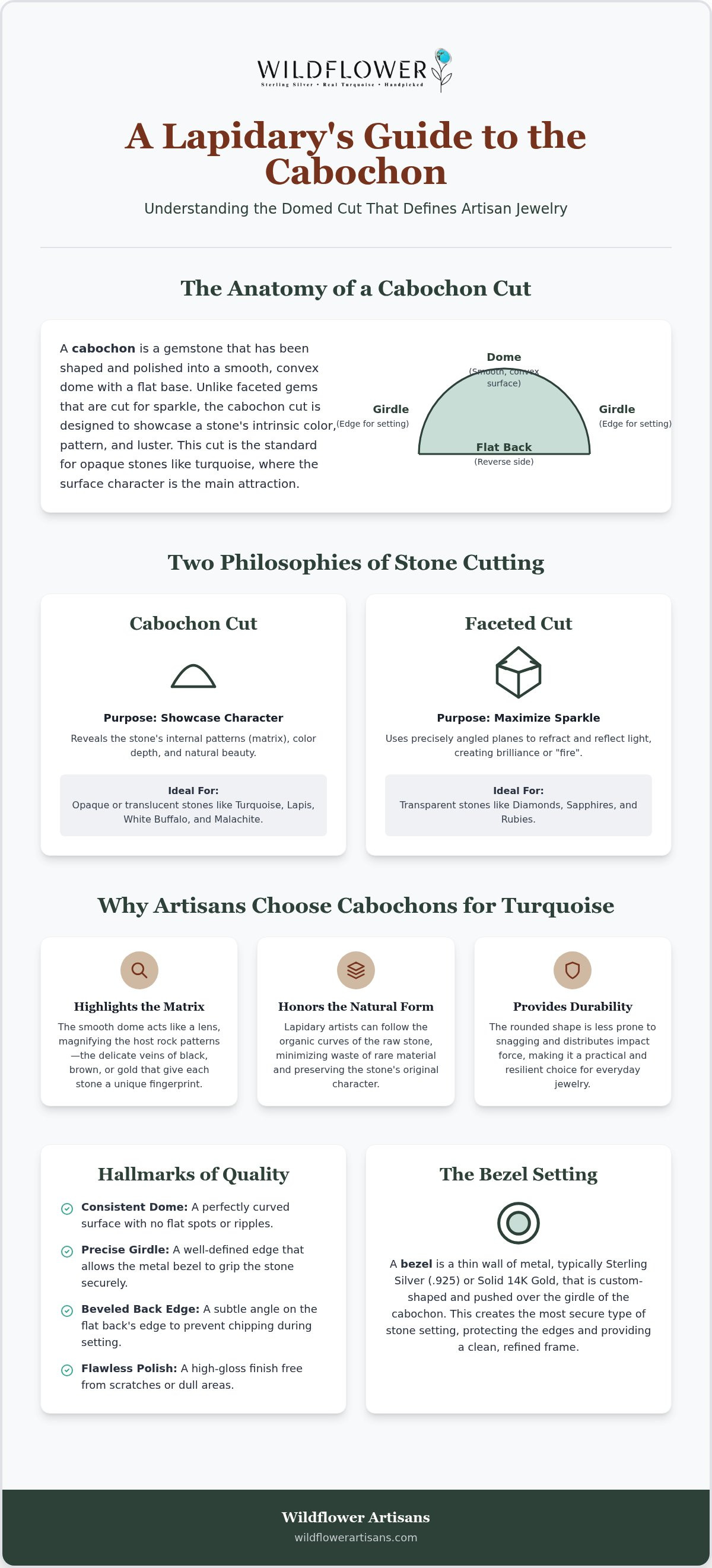
A cabochon is a gemstone that has been shaped and polished into a smooth, rounded dome with a flat reverse side. This form is the standard for opaque gemstones like turquoise where the internal patterns are the main attraction. The word itself comes from the French "caboche," which means head. It's a fitting description for the rounded profile that sits proudly above the metal setting. When you ask, What Are Cabochons and How Do They Enhance Handmade Jewelry?, the answer begins with this intentional shift away from the geometry of light and toward the soul of the stone.
Characteristics of a Professional Cabochon Cut
A quality cut isn't just about the shape. It's about the precision of the curve. A professional lapidary artist ensures the dome is consistent without flat spots or lingering scratches that could dull the finish. One critical feature is the girdle. This is the thin edge where the dome meets the flat back. It provides the necessary surface area for a sterling silver (.925) or solid 14K gold bezel to grip the stone securely. In our studio, we look for a slight bevel on the back edge. This small detail prevents the stone from chipping when the silversmith applies pressure to the metal during the setting process.
Cabochon vs Faceted Gemstones
Faceted stones like diamonds use carefully angled cuts to create sparkle through light refraction. While beautiful, faceting doesn't suit every material. Cabochons focus on surface beauty and depth. This makes them the perfect choice for stones with a complex matrix, like the spiderweb patterns found in Kingman turquoise, or for stones with chatoyancy, such as tiger eye. Understanding What Are Cabochons and How Do They Enhance Handmade Jewelry? helps you see why we skip the facets for our most precious turquoise finds.
The choice of a cabochon cut often relates to the physical properties of the gem. Many stones we work with have a specific hardness or cleavage that would make them prone to fracturing if they were faceted. By choosing a domed shape, the artisan protects the integrity of the gemstone while showcasing its natural, organic narrative. It's a design choice that prioritizes the stone's history over artificial brilliance.
Artisans choose cabochons for turquoise because this smooth, domed cut showcases the stone's complex internal patterns without the distraction of light-refracting facets. This specific method of cutting gemstones is essential for opaque materials that rely on surface color and texture for their aesthetic value. When you understand What Are Cabochons and How Do They Enhance Handmade Jewelry?, you begin to see why the world's finest turquoise is rarely faceted.
Transparent stones like diamonds or sapphires rely on light passing through them to create fire. Turquoise is different. It is entirely opaque. If you were to facet a piece of turquoise, the flat planes would often look dull or disjointed because there is no internal light to reflect. By using a rounded dome, the lapidary artist creates a continuous surface that acts as a wide canvas for the stone's natural beauty.
Working with high-quality rough material requires a respect for the stone's original form. When an artisan cuts a cabochon, they can follow the organic curves of the raw turquoise. This process minimizes waste, which is vital when dealing with rare material from depleted mines like Sleeping Beauty or Number 8. It's a stone-first philosophy that honors the earth's creation.
Highlighting the Matrix and Color
The matrix refers to the host rock patterns that web through a piece of turquoise, often appearing as delicate brown, black, or gold veins. A cabochon cut ensures these patterns remain unbroken and visible from multiple angles. This is a primary example of What Are Cabochons and How Do They Enhance Handmade Jewelry?, as the dome magnifies the color and provides a lens into the stone's history. For White Buffalo stone jewelry, this cut is particularly important to showcase the high-contrast black and white patterns that define the stone's character.
Durability and Everyday Wear
Beyond aesthetics, the cabochon shape is a practical choice for daily life. Smooth domes are much less prone to snagging on clothing or hair compared to the sharp points found in faceted cuts. Since turquoise is a relatively soft stone, the rounded surface helps distribute the force of any accidental impacts across a larger area. To further protect the piece, many hand-cut stones are finished with a thin layer of backing. This is a durable layer applied to the base of the stone to provide extra strength, ensuring the stone remains stable within its sterling silver (.925) setting for years.
Our collection of handcrafted turquoise jewelry utilizes traditional setting techniques to ensure each stone remains secure for years of wear. By focusing on the natural matrix and rich color of each piece, we ensure your jewelry remains a grounded reflection of the Southwestern landscape. If you appreciate the raw beauty of natural stones, you can explore our full artist-made collection to see these cuts in person.
Technical Settings: How Bezels and Backings Secure the Stone
Our collection of handcrafted turquoise jewelry utilizes traditional setting techniques to ensure each stone remains secure for years of wear. When we explore What Are Cabochons and How Do They Enhance Handmade Jewelry?, we must look past the stone itself to the metal that holds it. A bezel is a thin strip of sterling silver (.925) or solid 14K gold that is wrapped around the stone and pushed over the girdle. This girdle is the widest point of the stone, acting as the anchor where the metal meets the dome. This isn't just a decorative frame. It's a structural wall. Unlike mass-produced items that often rely on glue, a professional bezel uses physical pressure to keep the cabochon firmly in place.
The backplate provides a solid foundation, ensuring the stone does not shift or crack under pressure. By creating a custom metal seat for each hand-cut stone, the silversmith ensures that the piece can withstand the rigors of daily life. This technical marriage between stone and metal is what defines high-quality Southwestern style jewelry. It's a slow, deliberate process that honors the material. The result is a piece where the stone is protected from side impacts and the edges are shielded from the inevitable bumps of everyday use.
The Role of the Bezel in Southwestern Style
Artisans choose between different bezel styles to complement the unique personality of each stone. Plain bezels offer a clean, modern look that lets the intricate matrix of a Kingman or Royston stone be the primary focus. In contrast, serrated or decorative bezels add a layer of texture and detail to the metalwork, echoing the rhythmic patterns found in nature. A well-executed bezel should be smooth to the touch and flush against the stone's surface. This prevents the metal from snagging on delicate fabrics and ensures the stone's edges are protected from chips. The process of burnishing the metal over the stone requires a steady hand and a deep understanding of the gemstone's hardness.
Understanding Backing and Stone Support
While the bezel holds the sides, the backing provides the necessary internal support. Many high-quality cabochons are cut thin to highlight their color or to make a large piece more wearable. Following Cabochon cutting fundamentals, lapidary artists often attach these thinner stones to a durable backing. This backing is a standard industry practice that provides a flat, stable surface for the stone to sit against the silver backplate. It's a hidden layer of protection. We ensure the backing is completely hidden by the bezel for a professional finish. This ensures the stone remains the star of the show while the technical support remains invisible to the eye. This extra step is essential for softer stones, providing the structural integrity needed for a lifetime of wear.
Evaluating Cabochon Shapes from Calibrated to Freeform Cuts
The silhouette of a gemstone is the first element to define the character of a finished piece, often determining whether the jewelry feels mass-produced or uniquely artisanal. Calibrated stones are cut to standard sizes, such as 10x8mm or 12x10mm, specifically to fit factory-made settings without the need for custom metalwork.
On the other hand, freeform cabochons are hand-cut to follow the unique, organic outline of the raw gemstone. This distinction is central to understanding What Are Cabochons and How Do They Enhance Handmade Jewelry?, as the shape itself dictates whether a piece feels mechanical or soulful. When you look at how a cut respects the stone's original narrative to understand What Are Cabochons and How Do They Enhance Handmade Jewelry?, you see the difference between a simple product and a piece of wearable art.
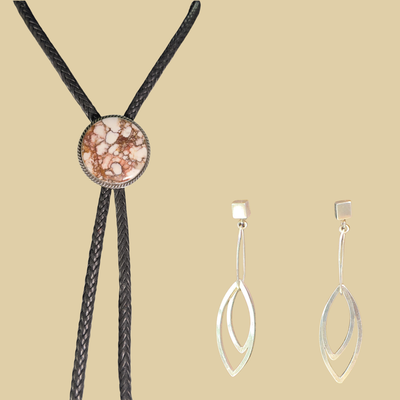
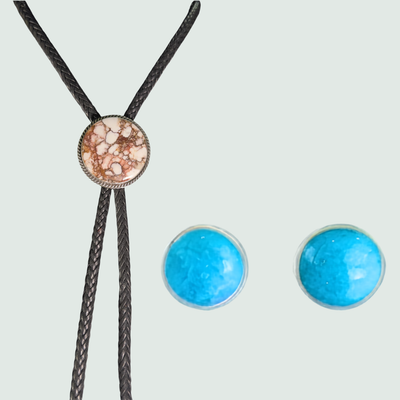
The shape of the cabochon significantly influences the overall silhouette of the jewelry piece. Common shapes include ovals, teardrops, rounds, and squares, and each offers a different aesthetic energy. A teardrop might elongate the appearance of a pendant, while a square cut provides a grounded, architectural feel to a bolo tie. Every choice is a deliberate step in the visual storytelling of the studio's work.
The Beauty of Freeform and Organic Shapes
Freeform stones are the hallmark of one-of-a-kind artisan jewelry. These cuts don't force the stone into a pre-set mold. Instead, the lapidary artist observes the raw turquoise and carves away only what is necessary to reveal its best features. We often choose these shapes to preserve the most beautiful parts of a rare stone like King's Manassa turquoise, where the host rock patterns might be concentrated in an asymmetrical corner. These pieces require a custom-built bezel for every single stone. This increases the labor and the value of the jewelry, as the silversmith must hand-forge the metal to match the stone's specific, rambling edges.
Symmetry and Proportion in Traditional Shapes
In round or oval cuts, symmetry is a key indicator of a skilled lapidary artist. While freeform cuts celebrate the irregular, traditional shapes demand a perfect balance. The height of the dome, whether high or low, changes how the stone catches the light and sits against the skin. High domes are often used to create a bold statement in sterling silver rings or pendants. A tall, polished dome acts like a lens, drawing the eye into the depths of the stone's color. Lower domes offer a more subtle, understated profile that works well for everyday earrings. This intentionality in proportion ensures that the jewelry feels balanced and intentional.
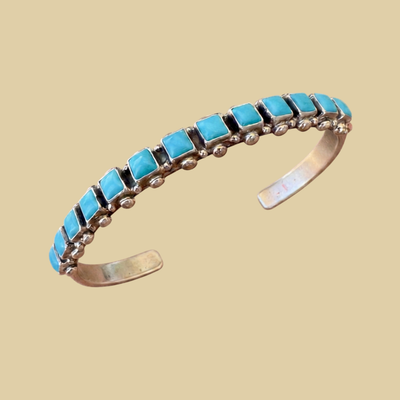
Proper maintenance ensures your turquoise cuff bracelets maintain their luster across generations of wear. By understanding the specific shape and cut of your stones, you can better care for these artisanal treasures.
Maintaining the Luster and Integrity of Your Hand-Cut Jewelry
Proper maintenance ensures your turquoise cuff bracelets maintain their luster across generations of wear. When we discuss What Are Cabochons and How Do They Enhance Handmade Jewelry?, we must also talk about preserving that enhancement. A hand-cut stone is a living part of your collection. You should clean your cabochons with a soft, dry cloth to remove oils and dust without scratching the high-polish surface. This simple habit prevents the buildup of residue that can dull the stone's natural glow over time.
You should avoid ultrasonic cleaners at all costs. The high-frequency vibrations in these machines can loosen the stone from its sterling silver (.925) bezel or, even worse, damage the delicate backing that provides structural support. Chemicals found in everyday items like perfumes, lotions, and hairsprays are also a threat. Because stones like turquoise are porous, these substances can penetrate the surface and permanently change the color of your gem. We recommend putting your jewelry on last, after your beauty routine is complete.
Inspecting Your Settings Regularly
A professional bezel is designed to be a permanent home for your stone, but metal can shift with years of wear. You should check the bezel periodically to ensure the silver or gold has not pulled away from the stone's girdle. If you notice the stone rattles or moves within the setting, it's time to take it to a professional for tightening. This is a common part of owning artisan-made jewelry. We also suggest avoiding wearing your cabochon jewelry during heavy physical activity. A direct impact to the dome can crack the stone or deform the metal setting, compromising the piece's integrity.
Safe Storage Practices
Storing your jewelry correctly is just as important as how you wear it. You should store each piece in a separate pouch to prevent harder stones from scratching the surface of your softer cabochons. Keep your collection in a cool, dry place away from direct sunlight. Constant exposure to UV rays can cause the color in certain stones to fade or shift over time. For more detailed instructions on keeping your collection in studio-quality condition, refer to our care and repair guide. Understanding What Are Cabochons and How Do They Enhance Handmade Jewelry? means respecting the materials enough to provide the care they deserve.
Curating Your Collection with Artistic Intention
We've explored how the smooth, domed surface of a cabochon acts as a window into the natural history of a gemstone. By prioritizing the stone's matrix and color over artificial sparkle, you choose a piece that is as unique as the raw material it came from. Understanding What Are Cabochons and How Do They Enhance Handmade Jewelry? allows you to look past the surface and appreciate the technical skill involved in securing these gems within their settings. In our studio, we focus on guaranteed authentic stones that are hand-cut by skilled lapidary artists. These treasures are then set in heavy-gauge sterling silver (.925) or solid 14K gold to ensure they remain secure for generations of wear. This commitment to quality over mass production means your collection remains a grounded reflection of the natural world. We invite you to carry these stories forward with pieces that respect both the earth and the artisan's steady hand.
Choosing jewelry with a hand-cut cabochon is an investment in authenticity. When you understand the labor behind the bezel and the intention behind the shape, you can wear your collection with a deep sense of confidence and connection.
Frequently Asked Questions
What is the difference between a cabochon and a faceted gemstone?
A cabochon is polished into a smooth, rounded dome with a flat bottom, while a faceted gemstone features many flat, angled faces cut into the surface. We typically use cabochons for opaque stones like turquoise to showcase the intricate matrix and deep color. Transparent stones like diamonds use faceted cuts to maximize light reflection. This distinction is vital when asking, What Are Cabochons and How Do They Enhance Handmade Jewelry?, as the cut dictates how the stone interacts with light.
Why is turquoise almost always cut as a cabochon?
Turquoise is an opaque stone that does not benefit from the light-refracting properties of facets. The smooth, curved surface of a cabochon provides the best canvas for displaying the unique matrix and vibrant color of the stone. Additionally, the cabochon shape is more durable for a relatively soft stone. It protects the gem from the chipping that often occurs on sharp, faceted edges, making it ideal for daily wear in rings or cuff bracelets.
Does a cabochon require glue to stay in the setting?
In high-quality artisan jewelry, a cabochon is held in place by a metal bezel rather than glue. The jeweler wraps a strip of sterling silver (.925) or solid 14K gold around the stone and carefully presses the metal over the edge of the dome. While some makers use glue as a secondary reinforcement, the mechanical tension of a well-fitted bezel is the primary method for securing the stone. This ensures the stone remains stable without relying on adhesives that can degrade.
What does a freeform cabochon mean?
A freeform cabochon is a stone that has been cut into an organic, non-standard shape that follows the natural outline of the raw gemstone material. Unlike calibrated stones, which are cut to standard dimensions like 12x10mm, freeform stones are one-of-a-kind. These shapes are highly valued in the artisan world because they prioritize the beauty of the stone over mass-production convenience. This approach is central to What Are Cabochons and How Do They Enhance Handmade Jewelry? by celebrating natural asymmetry.
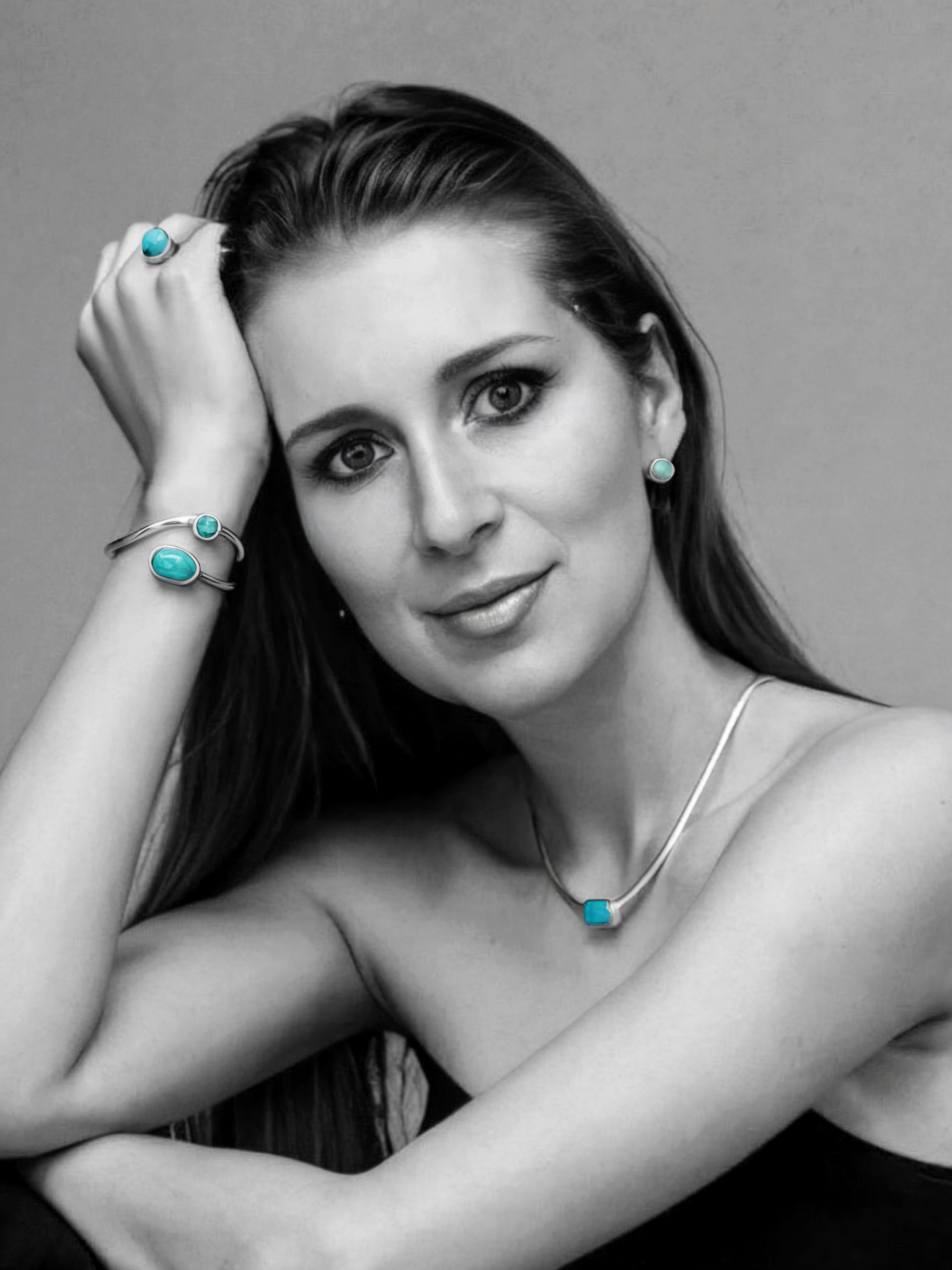
Article by
Kimberly Cordova
Kimberly Cordova is the founder and creative director of Wildflower Artisans, a handmade jewelry brand rooted in Santa Fe. Real turquoise, solid sterling silver, and a small line set in solid 14K gold. She built Wildflower around a simple belief: the best jewelry is the kind you actually reach for, not the kind you save for someday.
The collection is built three ways. Some pieces are made in-house, cut by her husband Greg from stones he sources himself, including rough from the family's King's Manassa Mine in Colorado and White Buffalo Mine in Nevada. Some are designed by Kimberly and fabricated by a trusted circle of Santa Fe silversmiths. And some are finished work she curates from artisan makers whose craft meets the same standard, because building a real collection means knowing when to make and when to look.
Turquoise leads, joined by White Buffalo, Wild Horse, Lapis Lazuli, Spiny Oyster, Black Onyx, Opal, and other genuine semi-precious stones. No shortcuts on the stone, the silver, or the story behind either.
Her writing covers everything she has learned along the way: how turquoise forms, how to tell natural from stabilized, what makes one mine different from another, how to read a bezel, and how to shop with confidence in a market that is not always straightforward. It is the kind of plainspoken information she wished someone had laid out for her when she was starting out.
Browse the collection at wildflowerartisans.com. Questions about a stone, a setting, or a specific piece are welcome any time.
0 comments