

In the quiet corners of our studio, we often find that the most profound beauty emerges from what is taken away. A finished piece of Hopi silver overlay jewelry isn't just a single sheet of metal, but a structural conversation between light and shadow where the negative space tells as much of a story as the silver that remains. At Wildflower Artisans, we understand the hesitation you feel when looking at Southwestern style pieces, wondering if the weight in your hand is true .925 sterling silver or a cast imitation made of mystery metals. It's a common concern for those who value authenticity over the frantic pace of mass production. This article invites you to discover the technical precision and cultural history behind the distinctive silver overlay method used in high-quality Southwestern jewelry. Wildflower is dedicated to preserving this appreciation for the handmade. We'll explore the delicate dance of the jeweler's saw, the intentional darkening of the bottom plate, and the symbolic narratives that make these pieces vessels for emotion. By the end, you'll have the confidence to identify a genuine two-sheet overlay and appreciate the grounded, artisanal sophistication that defines this enduring craft.
Key Takeaways
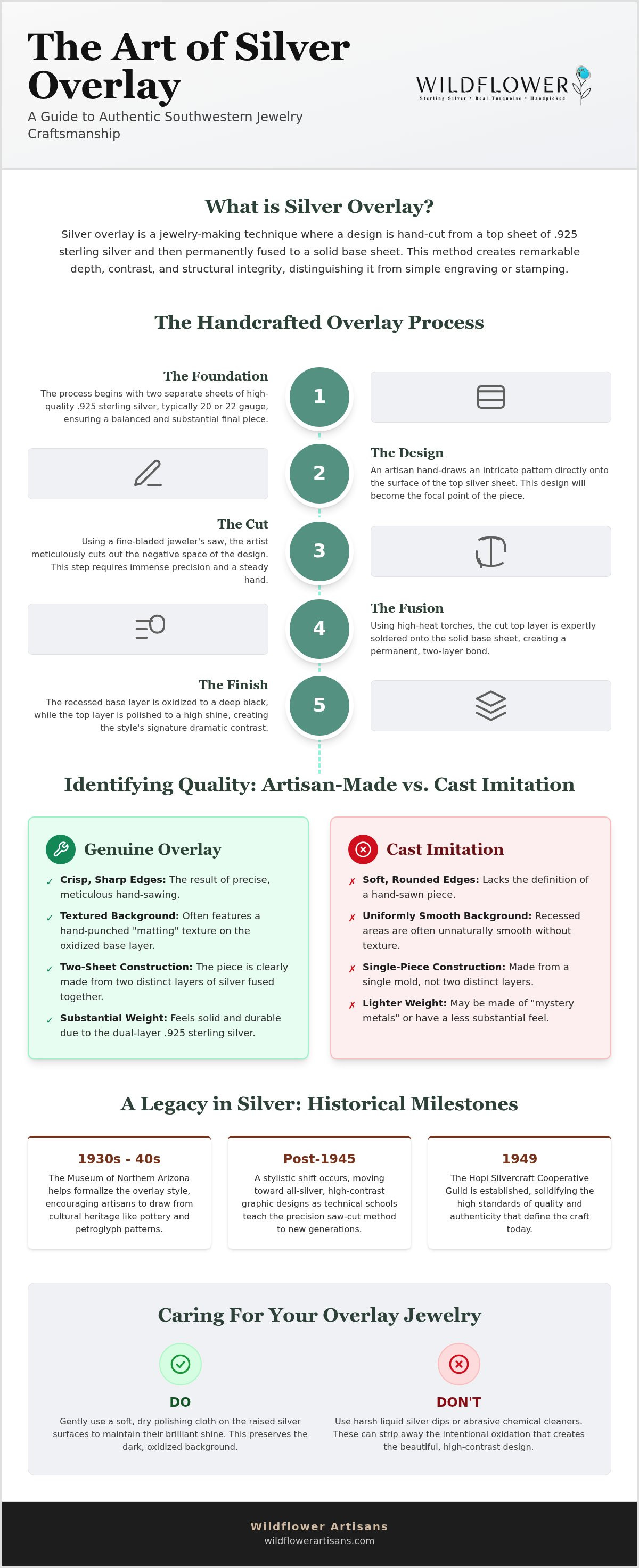
- Learn how Hopi silver overlay jewelry is constructed by hand-sawing intricate designs into a top layer of .925 sterling silver before it is soldered to a solid base sheet.
- Master the ability to identify artisan-made quality by looking for the hand-punched matting texture and crisp edges that distinguish genuine pieces from cast imitations.
- Understand the mid-20th century history of this Southwestern style and how it evolved as a distinctive method for artisans to share their cultural narratives.
- Discover the stories behind common motifs like the Man in the Maze and water symbols, which add a layer of personal meaning to every piece.
- Gain practical knowledge on maintaining the intentional oxidation of your jewelry by avoiding harsh liquid cleaners that can strip away the artistic contrast.
Understanding the Technical Silver Overlay Process
Silver overlay is a structural jewelry-making technique where a design is hand-cut into a top sheet of .925 sterling silver and then fused to a solid base sheet. This method creates the distinctive look of Hopi silver overlay jewelry, offering a sense of depth and permanence that distinguishes it from standard etched pieces.
The journey of a piece of Hopi silver overlay jewelry begins with two separate sheets of .925 sterling silver. Gauge refers to the thickness of the metal sheet; artisans typically select 20 or 22 gauge silver for this work. Using sheets of equal thickness ensures that the finished piece has a balanced weight and a substantial feel in the hand. It's a deliberate choice. The silver must be thick enough to withstand the heat of the torch, yet thin enough for the artist to navigate with a saw. This creates a canvas that is both sturdy and refined. The process is slow and rhythmic, mirroring the steady pace of the studio.
The Role of the Jeweler's Saw
A jeweler's saw is a hand-held frame holding a fine, hair-thin blade that serves as the primary tool for creating the negative space in overlay jewelry. The artisan begins by hand-drawing an intricate pattern directly onto the silver surface. Every curve and sharp angle requires a steady vertical stroke of the saw. It's a physically demanding task. One small slip can ruin the entire sheet of silver, requiring the artist to start again from a fresh piece of metal. This precision is a hallmark of the Hopi silver overlay technique, where the crispness of the cut defines the soul of the design.
Soldering the Two Sheets
Soldering is the process of using high heat to fuse two or more metal components together using a filler metal called solder. Once the top design is cut, the jeweler uses high-heat torches to bond the cutout layer to the solid bottom sheet. This requires the artisan to guide a clean flow of silver solder between the two layers with expert timing. If the heat isn't perfectly distributed, air bubbles or gaps can form between the sheets. This dual-layer construction makes overlay jewelry significantly more durable than standard pieces. It creates a structural bond that lasts for generations, ensuring the piece remains a vessel for the stories it carries.
Historical Evolution of Southwestern Silver Overlay
The evolution of silver overlay represents a deliberate movement in the mid-20th century to create a visual language distinct from other Southwestern styles. This transition moved away from heavy stamping toward a refined, high-contrast graphic aesthetic that defines modern artisan-made pieces.
While silverwork has deep roots in the high desert, the specific method of Hopi silver overlay jewelry gained prominence as a way to distinguish specific artisan groups from Navajo and Zuni traditions. During the 1930s and 40s, the Museum of Northern Arizona played a vital role in formalizing this style. They encouraged artists to draw inspiration from their own heritage, specifically the intricate pottery patterns and petroglyph symbols found on ancient canyon walls. This was a soulful departure from the heavy, turquoise-laden pieces common in the early 20th century. It celebrated the silver itself. This movement helped transition the craft into the high-contrast graphic style we appreciate today, where the story is told through precision and shadow rather than just the weight of the metal.
The Post-War Style Shift
The years following 1945 marked a profound turning point for artisan-made silver designs. Technical schools began teaching the precision saw-cut method to new generations of silversmiths, providing them with the tools to translate complex narratives into metal. The establishment of the Hopi Silvercraft Cooperative Guild in 1949 further solidified these standards of quality. Modern collectors of Hopi silver overlay jewelry often look for these specific historical markers to verify the age and origin of a piece. We saw a shift from using turquoise settings to a focus on all-silver designs where the contrast between polished .925 sterling silver and dark oxidation provided the visual impact. Oxidation is the intentional darkening of silver using a chemical solution to create high-contrast shadows within a design. This wasn't merely a change in fashion. It was a technical maturation that allowed for a more lyrical expression of the artist's vision.
Cultural Significance of the Designs
In this style, motifs are never merely decorative. They are whispers of the landscape and the seasons. Common symbols include clouds, rain, and corn, representing the vital rhythms of life in an arid environment. These patterns are a celebration of natural, fleeting beauty, connecting the wearer to a specific sense of place. Modern artisans continue to use these traditional themes in handcrafted artisan jewelry that feels both ancient and contemporary. Every line cut into the silver is a deliberate choice, ensuring that these one-of-a-kind pieces remain vessels for emotion. By focusing on these organic narratives, the jewelry becomes more than an accessory. It's a grounded reflection of a living culture.
If you find yourself drawn to the deep history and structural beauty of these artisan designs, our collection of authentic turquoise jewelry offers a stunning way to see how traditional motifs and natural stones come together. Each piece is selected for its connection to these enduring Southwestern styles and superior craftsmanship.
Identifying Quality in Artisan-Made Overlay
High-quality overlay is defined by technical precision in the saw work and the intentional depth of the textured background. Recognizing these markers ensures you are investing in a genuine artisan-made piece rather than a cast imitation.
In our studio, we believe that the true soul of a piece is found in the details that most eyes might miss. When evaluating Hopi silver overlay jewelry, the first indicator of quality is the absolute crispness of the cut edges. Because an artisan uses a fine-toothed saw to manually remove the silver, the lines should be sharp and intentional. If the edges look soft, rounded, or slightly blurred, it is likely a cast piece made from a mold rather than a hand-cut sheet. Inspect the borders where the two sheets of .925 sterling silver meet. In a high-quality piece, these edges are filed and polished until the seam disappears, creating a single, seamless border that feels smooth to the touch. This level of finish is a hallmark of dedicated craftsmanship.
The Oxidation and Matting Process
Oxidation is the controlled use of chemicals, such as liver of sulfur, to darken the recessed silver and create a deep black contrast. This is not a permanent paint but a chemical reaction on the surface of the .925 sterling silver. To ensure this dark patina adheres properly, artisans use matting tools. Matting is a fine texture applied with a hand-held punch tool to the bottom sheet of silver. These tiny, rhythmic indentations catch the light and hold the oxidation. If you see a recessed background that is perfectly smooth or shiny, it often indicates a lower-quality cast piece. Genuine artisan work shows a consistent, matte darkness that makes the polished top layer appear to float. This contrast is vital for verifying authenticity in Southwestern style jewelry.
Hallmarks and Metal Purity
A piece of jewelry should always carry its own signature. Look for the .925 stamp, which guarantees that the metal is solid sterling silver rather than a plated mystery metal. Beyond the purity mark, artisan hallmarks are typically found on the back of pendants or the inside of cuff bracelets. These small, stamped symbols are the artist's personal signature. We always recommend holding a piece to judge its weight. Genuine two-sheet overlay has a substantial feel because it uses two distinct layers of metal. Pieces that feel suspiciously light or tinny may be made of inferior materials. Authenticity in Hopi silver overlay jewelry is found in this weight and the quiet evidence of the artist's hand.
Common Symbols in Southwestern Silverwork
The motifs used in Hopi silver overlay jewelry are a visual language that translates cultural narratives and natural elements into metal. These symbols, ranging from life cycles to weather patterns, provide a deep layer of meaning to every artisan-made piece.
Every mark made by an artisan's saw is a word in a silent language. In our studio, we see these symbols as a bridge between the wearer and the grounded, artisanal sophistication of the high desert. One of the most frequent motifs is the Man in the Maze, which represents the winding journey of life and the intricate choices we make along the way. The figure at the entrance of the labyrinth reminds us that while the path is complex, the center is a place of peace and reflection. You will often find this design on handcrafted cuff bracelets where the negative space flows with a rhythmic, almost meditative quality.
In an arid climate, water is the most precious of all elements. Water symbols, including rolling waves and tadpoles, reflect the vital importance of moisture and the hope for a bountiful season. Animal figures like the bear or badger are also common, signifying strength and healing in Southwestern folklore. These figures are rendered with bold, clean lines to emphasize their spirit. Geometric patterns often mimic the intricate weaving found in traditional textiles or the delicate painting on ancient pottery shards found in the desert. These patterns create a visual composition that feels both organic and structured, ensuring every piece remains a vessel for emotion.
The Kokopelli Figure
Kokopelli is the flute player, a symbol of fertility and the arrival of spring. He is usually depicted in a hunched position with a distinctive headdress, often dancing across the silver surface. In Southwestern style jewelry, he is recognized as a messenger of joy and a celebration of natural, fleeting beauty. Artisans use the precision of the overlay technique to capture his movement, making him a popular choice for those who value the whimsy and wonder of the landscape.
Celestial and Weather Motifs
The sun is a source of life and warmth, often centered in a design to represent growth and the rhythms of the seasons. Lightning bolts and clouds are used to evoke the power of the summer monsoon, a time of renewal and vital rain. Modern artisan designs also incorporate stars and moon symbols, reflecting the vast, quiet desert sky at night. These celestial motifs add a layer of poetic depth to Hopi silver overlay jewelry, connecting the wearer to the eternal movements of the natural world.
As you explore the deep meanings behind these motifs, you may feel a pull toward the stories they tell. Our collection of one-of-a-kind artisan pieces features many of these traditional symbols, each hand-cut into .925 sterling silver with technical precision. These pieces are more than jewelry; they are vessels for the enduring spirit of the Southwest.
Care and Maintenance for Sterling Silver Overlay
Proper maintenance of .925 sterling silver ensures that the structural contrast of the design remains vibrant for generations. Avoiding harsh chemicals is the most important step in protecting the intentional oxidation that defines the style.
Patina is the natural darkening of silver over time due to exposure to air and moisture. While many value this aged look, Hopi silver overlay jewelry requires a specific approach to cleaning to preserve its unique two-sheet architecture. We often see pieces where the deep black shadows have been accidentally stripped away by liquid silver dips. These chemical baths are too aggressive. They remove the intentional oxidation from the recessed areas, leaving the design looking flat and lifeless. Instead, use a treated polishing cloth to gently brighten the raised, high-shine surfaces. This keeps the polished silver gleaming while leaving the dark story in the shadows untouched. It's a simple act of preservation that honors the artist's original vision.
Cleaning the Recessed Areas
Keeping the textured background free of dust allows the high-contrast design to remain sharp and intentional. A gentle touch is always better than force when handling artisan-made metalwork.
Dust and oils can settle into the matted textures over time, dulling the visual impact. To clean these areas, we recommend using a soft-bristled brush with a drop of mild, phosphate-free soap. Gently work the bristles into the design to lift away debris without disturbing the metal. Keeping the oxidation intact is crucial, as this dark layer provides the necessary depth for the overlay. Never use abrasive cleaners or stiff brushes. These can mar the smooth surface of the top sheet or scratch the delicate matting underneath. It's a slow, rhythmic process that mirrors the steady pace of the studio.
Long-Term Preservation
Storing your jewelry in a dry, dark environment prevents accelerated tarnishing and protects the polished finish from environmental damage. Humidity is the quiet enemy of silver, so keeping pieces in a soft pouch or a lined jewelry box is a wise choice.
Regular wear is actually one of the best ways to keep your jewelry looking its best. The natural contact with your skin helps keep the raised surfaces polished, while the recessed areas remain dark and protected. When you aren't wearing your piece, ensure it is tucked away in a dry place to slow the tarnishing process. If a piece requires a deeper refresh or professional attention, visit our care and repair page for expert maintenance advice. Treating these pieces with respect ensures they remain vessels for emotion and a celebration of natural beauty for a lifetime.
Embracing the Narrative of Southwestern Silver
The journey through the history and mechanics of Hopi silver overlay jewelry reveals a craft where every saw stroke is an intentional act of storytelling. We have explored how the precision of the jeweler’s saw creates structural depth, transforming two sheets of .925 sterling silver into a single, cohesive vessel for emotion. By understanding the importance of hand-punched matting and the delicate balance of oxidation, you now possess the knowledge to distinguish a genuine artisan-made piece from a mass-produced imitation.
At Wildflower, we remain in awe of these traditional methods. Every piece we offer is handcrafted by skilled artisans, ensuring that the symbols of the high desert are preserved with the respect they deserve. We guarantee that our jewelry is made with solid .925 sterling silver, strictly excluding fake or mystery metals from our studio. This commitment to quality means your jewelry will endure as a grounded reflection of the natural world.
We invite you to find a piece that resonates with your own narrative. Let the light and shadow of these Southwestern designs bring a sense of whimsical wonder to your everyday essentials.
Frequently Asked Questions
Is Hopi silver overlay jewelry made of solid silver?
Yes, authentic artisan Hopi silver overlay jewelry is constructed from two layers of .925 sterling silver. This structural choice results in a piece that is thicker and more substantial than standard silver jewelry. At Wildflower, we ensure that no plated, filled, or mystery metals are ever used in our collection. This dual-layer construction provides a grounded weight that you can feel in your hand, reflecting the durability of high-quality artisan craftsmanship.
What is the black background in silver overlay jewelry?
The dark color in the recessed areas is a layer of oxidation created by a controlled chemical reaction on the silver surface. This is an intentional design choice used to provide a deep, high-contrast shadow against the polished top layer. While this patina is durable, it is sensitive to harsh cleaning chemicals. We recommend avoiding liquid silver dips to keep this narrative contrast intact, as they can strip away the artist's carefully applied darkening.
How can I tell if a piece is handmade overlay or a cast imitation?
Genuine handmade Hopi silver overlay jewelry will show slight, rhythmic irregularities in the saw-cut lines and hand-stamped matting in the background. Cast imitations often have a uniform, rounded look to the edges and a perfectly smooth recessed area because they are made from a mold. Always look for the artisan's hallmark stamped on the back. This personal signature is a sign of a studio-made piece that values authenticity over mass production.
Does silver overlay jewelry contain turquoise?
While many designs focus on all-silver patterns, some artisans incorporate genuine turquoise cabochons to add a touch of natural color. In these instances, the stone is usually held in a silver bezel that is soldered onto the top sheet. Wildflower specializes in genuine stones like Kingman or Royston turquoise, ensuring every piece remains a vessel for the landscape's beauty. These additions are always handled with technical precision to complement the structural overlay design.
Can silver overlay rings be resized?
Resizing these rings can be difficult because the high heat from a jeweler's torch may disrupt the solder bond between the two silver layers. If the sheets separate, the structural integrity and the dark oxidation of the design are compromised. It is often better to find a ring that fits correctly at the time of purchase. Always consult a professional silversmith who understands this specific technique before attempting any repairs on your jewelry.
Article by
Kimberly Cordova
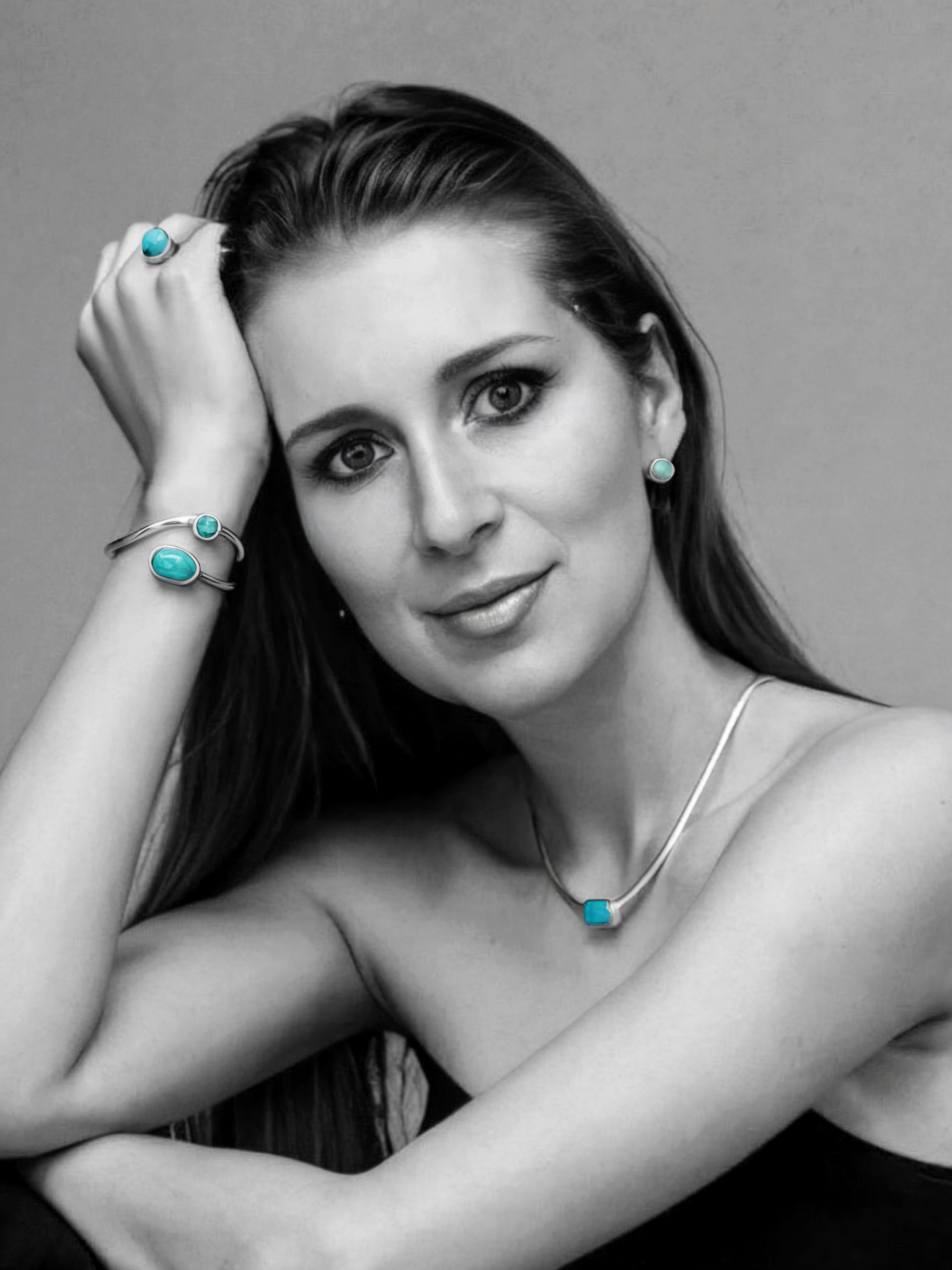
Kimberly Cordova is the founder and creative director of Wildflower Artisans, a handmade jewelry brand rooted in Santa Fe. Real turquoise, solid sterling silver, and a small line set in solid 14K gold. She built Wildflower around a simple belief: the best jewelry is the kind you actually reach for, not the kind you save for someday.
The collection is built three ways. Some pieces are made in-house, cut by her husband Greg from stones he sources himself, including rough from the family's King's Manassa Mine in Colorado and White Buffalo Mine in Nevada. Some are designed by Kimberly and fabricated by a trusted circle of Santa Fe silversmiths. And some are finished work she curates from artisan makers whose craft meets the same standard, because building a real collection means knowing when to make and when to look.
Turquoise leads, joined by White Buffalo, Wild Horse, Lapis Lazuli, Spiny Oyster, Black Onyx, Opal, and other genuine semi-precious stones. No shortcuts on the stone, the silver, or the story behind either.
Her writing covers everything she has learned along the way: how turquoise forms, how to tell natural from stabilized, what makes one mine different from another, how to read a bezel, and how to shop with confidence in a market that is not always straightforward. It is the kind of plainspoken information she wished someone had laid out for her when she was starting out.
Browse the collection at wildflowerartisans.com. Questions about a stone, a setting, or a specific piece are welcome any time.
0 comments