

A silver bezel that follows a stone’s edge can tell you more about a piece than a polished product photo alone. Look for details such as the shape of the setting, the stone’s visible pattern, and a clear description of the materials and maker. New Mexico silversmiths work in varied styles, so these specifics help you understand the piece in front of you.
When choosing jewelry, it helps to know whether a piece was made in a studio or curated from an artisan maker. In this guide, we’ll look at how silver and stone shape a design, what to check in a materials description, and how to read cultural attribution without making assumptions. You’ll come away with a practical way to compare craftsmanship and choose jewelry for yourself or as a gift.
Key Takeaways
- See how silversmiths link stone selection, setting, and finishing choices.
- Compare New Mexico silversmiths’ work by checking material descriptions, visible construction, and specific maker information.
- Use a practical checklist to narrow your choice based on how you plan to wear or give the piece.
- Understand how studio-made jewelry and curated artisan pieces can appear in one collection without assuming they share a maker.
- See how a stone’s shape and character can guide the silver design, and which details help you shop with confidence.
What New Mexico Silversmiths Make, and What Defines the Craft
Silversmiths shape and finish silver into wearable forms, often setting stones as part of the design. Their work ranges from simple everyday pieces to expressive jewelry built around a central stone.
The craft shows in how metal is formed, joined, and finished, but the maker’s choices matter too. Some jewelry is made in a studio; other pieces are curated from artisan makers. Wildflower Artisans brings together studio work and curated artisan pieces, with descriptions that identify the materials and maker details for each item. For more about the makers whose work is featured, visit our silversmiths page.
What does a silversmith do when making jewelry?
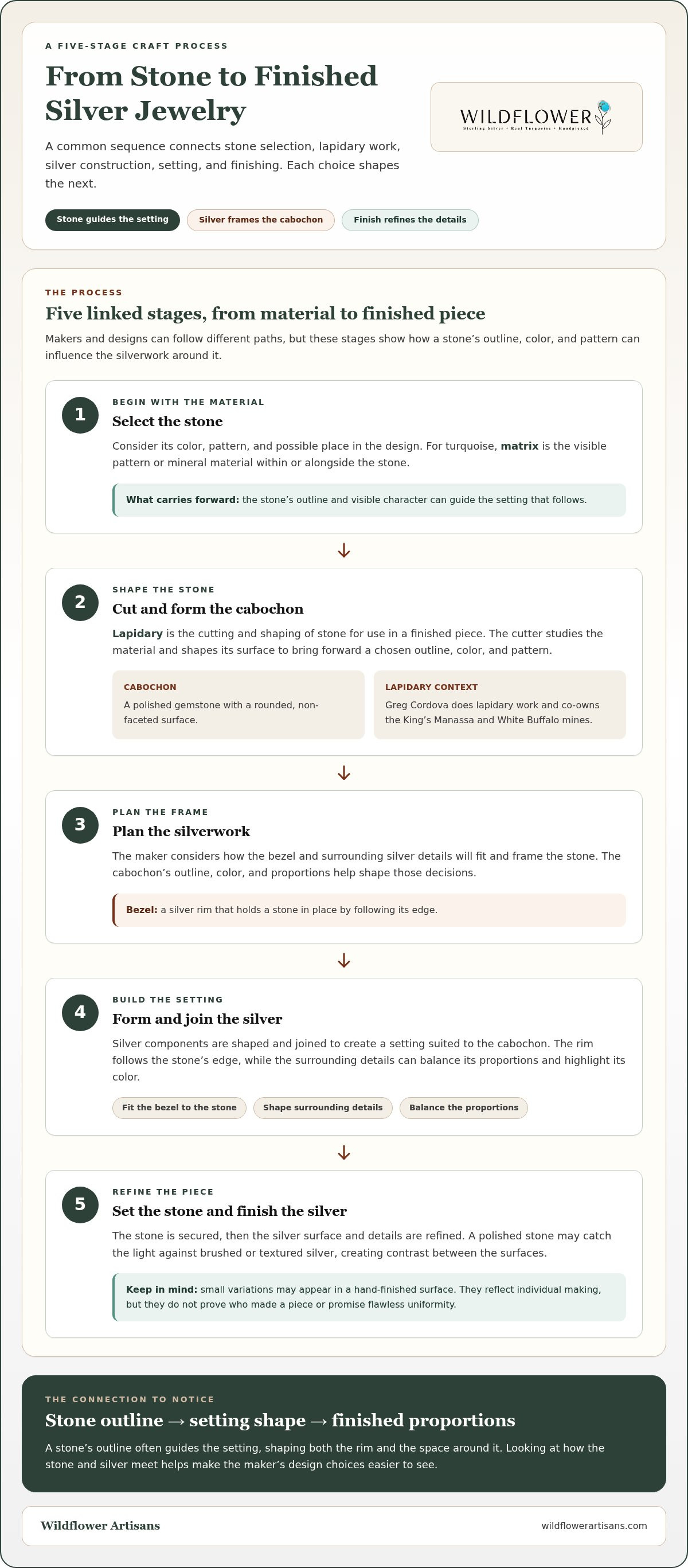
A silversmith forms silver components, shapes and joins them to suit the design, then finishes the surface. The process may begin with an idea for the metalwork or with a stone whose outline and color suggest the shape of the piece. A bezel is a silver rim that holds a stone in place by following its edge.
How do silver and stone shape a finished design?
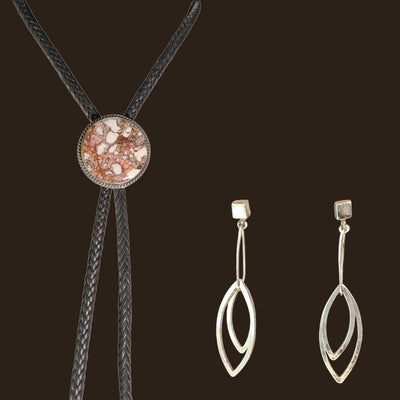
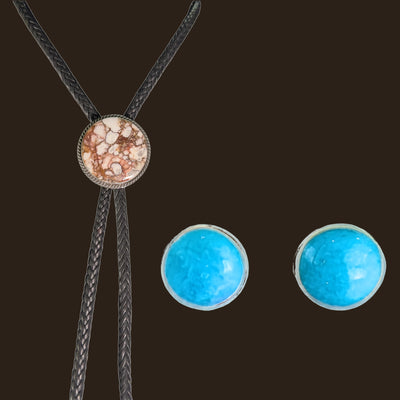
A cabochon is a polished gemstone with a rounded, non-faceted surface. Its outline can guide the bezel and surrounding silver, while its color, pattern, and texture influence the finished piece. A softly curved stone may suit a close-fitting rim; an irregular outline may call for silver shaped to follow its contours.
Look closely at how the elements meet. A polished stone may catch the light against brushed or textured silver, creating contrast between the surfaces. A hand-cut stone also affects the setting’s proportions because the silver must be shaped around the cabochon. That relationship between stone and metal is one of the clearest ways to see a silversmith’s design choices.
A regional label alone doesn’t identify who made an individual piece. Clear maker information and material descriptions give you a more useful picture of the jewelry you’re considering.
How Silversmiths Turn Silver and Stone into Handmade Jewelry
Handmade jewelry develops through linked decisions about the stone, silver, setting, and finish. A common sequence moves from selecting and shaping a stone to building its setting and refining the piece, though makers and designs can follow different paths.
Each decision affects the next. A stone’s outline, color, and matrix can guide the setting, while the setting’s proportions determine how much silver frames the stone and where decorative details fit.
How does lapidary work prepare a stone for jewelry?
Lapidary is the cutting and shaping of stone for use in a finished piece. The cutter studies the material, then shapes its surface to bring out a chosen outline, color, and pattern. Matrix is the visible pattern or mineral material within or alongside turquoise. Greg Cordova does lapidary work and co-owns the King’s Manassa and White Buffalo mines. When a piece is identified as King’s Manassa turquoise, mine information adds context about the stone’s origin.
How are bezels and finishing details made?
A bezel is shaped to fit a specific cabochon rather than serving as a one-size-fits-all frame. The silver rim follows the stone’s edge, while other silver details can highlight its color or balance its proportions. Small variations may be visible in a hand-finished surface. They reflect individual making, but they don’t prove who made a piece or promise flawless uniformity.
A typical sequence may include:
- Select the stone. Consider its color, pattern, and possible place in the design.
- Cut and shape it. Lapidary work establishes the cabochon’s outline and brings its visible features forward.
- Plan the silverwork. The maker decides how the bezel and surrounding details will fit and frame the stone.
- Form and join the setting. Silver components are shaped and joined to create a setting suited to the cabochon.
- Set and finish the piece. The stone is secured, then the silver surface and details are refined.
A stone’s outline often guides the setting, shaping both the rim and the space around it. To see these choices in finished designs, explore Wildflower Artisans’ handmade jewelry collection, including genuine turquoise set in sterling silver. Browse handmade jewelry across the collection to compare stones, settings, and finishes.
How to Compare New Mexico Silversmiths’ Work Without Making Assumptions
Compare each piece by its disclosed materials, visible construction, and specific maker information. These details help you assess the jewelry without treating a style, stone, or regional label as proof of who made it.
Silversmiths work in varied styles, so focus on what the description says about the individual piece. A useful listing names the metal and stone, explains how the stone is set, and identifies the maker or describes the relationship between the studio and artisan.
| What to compare | Useful details |
|---|---|
| Material description | Look for sterling silver, genuine turquoise, or another specifically named stone. Stabilized turquoise has been treated with resin to improve its stability. It is genuine turquoise, but it should not be described as natural or untreated. |
| Setting | Notice whether the bezel follows the stone’s outline and whether the setting appears to hold it securely. |
| Finish | Check for described or visible surface details, such as a polished or textured finish, and how they frame the stone. |
| Attribution | Look for a specific maker or a clear description of who made or curated the piece. |
Which details help identify genuine materials?
Look for direct wording, not just a color or style name. “Sterling silver” means .925 silver, and a stone description should name turquoise or another material clearly. A hallmark may offer another detail when it’s shown or described, but don’t assume an unmentioned stamp or use appearance alone as proof of composition. For a closer look at turquoise terminology and stone descriptions, read our turquoise buying guide.
How should maker and cultural attribution be described?
Use Navajo or Zuni attribution only when it appears in that individual piece’s own title or description, and repeat it as written. A visual resemblance, technique, or collection name isn’t enough to establish cultural origin. Attribution belongs to a specific documented piece, not automatically to a maker’s entire body of work or a seller’s full collection.
Maker descriptions can also distinguish different relationships. Artist-made identifies work made by an artisan; studio-made describes work created in a studio; curated means a seller has selected a piece made by an artisan. These terms aren’t interchangeable, and a seller may offer more than one kind of work.
Once the material and maker details are clear, compare pieces on their own merits. Explore our handmade jewelry collection to see how stones, silver settings, and finishes come together across different designs.
How to Choose a Silversmith-Made Piece You Will Wear and Keep
Choose a piece based on how you plan to wear it, then compare its scale, stone, and silver details. A design that works for everyday wear may be different from one you choose when you want the jewelry to take the lead.
Consider how each form draws the eye. Earrings frame the face, rings bring a stone into view with each gesture, and cuffs create a broad line at the wrist. Pendants center attention near the neckline, while bolo ties make a distinctive focal point over clothing. The right form depends on your habits, comfort, and preferred scale.
The scale you prefer can point you toward the form you’ll reach for most, from understated earrings to a stone-centered cuff or pendant.
Which jewelry form suits your everyday style?
For regular wear, consider the clothes you reach for, how noticeable you want the piece to be, and whether its form feels comfortable in your routine. Smaller earrings and understated designs can sit easily alongside daily outfits; a larger cabochon and detailed silverwork may feel more expressive. Think about how often you’ll wear it, not just how it looks in a photograph.
- Daily wear: Consider familiar forms, comfortable scale, and details that work with clothes you wear often.
- Statement styling: Look for a larger stone or silver composition that creates a clear focal point.
- Gifting: Take cues from the recipient’s usual metal, favorite jewelry form, and preferred scale.
- One-of-a-kind preference: Notice the stone’s particular outline, matrix, and relationship to the surrounding silver.
What makes a one-of-a-kind piece feel personal?
A one-of-a-kind piece can feel distinctive because of how a particular stone’s shape and visible pattern meet the silver around it. You don’t need an invented backstory to appreciate those details. Read the individual product description for its materials and maker information. For a gift, the recipient’s familiar choices are often the most useful guide.
Wildflower Artisans brings together jewelry from studio work and curated artisan makers, so maker details belong to each piece rather than every design as a whole. Caring for the silver and stone can help you enjoy your choice over time. For practical care and repair guidance, see our jewelry care and repair information.
A stone’s shape and pattern can make a one-of-a-kind design feel especially personal. Explore the handmade jewelry collection to see individual designs and their materials.
Explore Wildflower Artisans’ Handmade Sterling Silver and Turquoise
Wildflower Artisans brings together handmade sterling silver and genuine-stone jewelry, including studio work and pieces curated from artisan makers. The selection reflects the varied approaches of New Mexico silversmiths, while each piece has its own materials, design, and maker context.
Kimberly Cordova is the designer and creative director for Wildflower Artisans. Her role is part of the studio’s story, but it doesn’t mean every piece in the selection was designed or made by her. Some pieces come from studio work, while others are curated from artisan makers. The description for each design is the best guide to who made it.
What can shoppers explore in the Wildflower Artisans jewelry selection?
Jewelry forms include rings, earrings, cuffs, pendants, and bolo ties, with designs ranging from everyday pieces to one-of-a-kind artisan work. Stone options include genuine turquoise, King’s Manassa turquoise, White Buffalo, and other genuine stones. Materials vary by piece, so a turquoise ring won’t necessarily share the same stone or silver details as a cuff or pendant.
Greg Cordova’s lapidary work and co-ownership of the King’s Manassa and White Buffalo mines add direct context when a piece is described with one of those stones. Lapidary work brings a stone’s cut and shape into the design process, while mine information clarifies the named origin when it applies. These details belong to the relevant stone and piece, not automatically to every item in a category.
How does Wildflower Artisans describe authenticity and maker context?
Clear material descriptions matter. Wildflower Artisans identifies sterling silver, which is .925, and names the genuine stones used in individual designs. Wildflower Artisans excludes fake turquoise, dyed howlite, and mystery metals. For more about the studio’s material standards, read our authenticity information.
Maker details are specific to each piece, too. Artist-made, studio-made, and curated describe different relationships between the maker and the jewelry. If a particular piece carries a Navajo or Zuni attribution, that description applies to the individual piece, not a full collection or Wildflower Artisans as a whole. Read the item’s description for its stated materials and maker information.
Look at the details that help you choose: how the stone meets its silver setting, which shape draws your eye, and what the material description tells you. Browse the Wildflower Artisans handmade jewelry collection.
Carry the Craft Into Your Next Jewelry Choice
When comparing silversmith-made jewelry, look beyond style to the stone, silver setting, finish, and maker details. Wildflower Artisans brings together sterling silver and genuine turquoise jewelry, along with pieces made with other genuine stones, and excludes fake turquoise, dyed howlite, and mystery metals. Explore the handmade jewelry collection to find a design whose materials and details suit you or someone you love.
Frequently Asked Questions
What does a silversmith do?
A silversmith shapes, joins, and finishes silver to create wearable pieces, sometimes incorporating stones. The work may involve forming a setting to fit a cabochon, then refining the surface with a chosen finish or silver details. Designs can begin with an idea for the metalwork or with a stone whose outline and color guide the composition. Each maker’s process and finished style can differ.
How can I assess turquoise jewelry and choose a well-described piece?
Read the material description carefully, since color and appearance alone can’t confirm what a stone is. Look for turquoise to be named clearly, and check whether the description says it’s stabilized or untreated. Stabilized turquoise is genuine turquoise treated to improve stability, but it shouldn’t be called natural unless confirmed untreated. Also consider whether the listing identifies sterling silver, the setting, and the maker details for that specific piece.
What is the difference between a cabochon and a bezel?
A cabochon is a polished gemstone with a rounded, non-faceted surface. A bezel is the rim, often made of silver, that holds a stone in place. The cabochon is the stone, while the bezel is part of its setting. A well-fitted bezel follows the stone’s edge, bringing the silver and stone together as parts of one design.
Are all New Mexico silversmiths Native American artists?
No. The term New Mexico silversmiths describes a broad group of makers, and a regional style or location doesn’t establish an individual artist’s cultural identity. Read attribution at the piece level: use Navajo or Zuni only when that wording appears in the specific item’s title or description. Don’t infer cultural origin from a stone, technique, appearance, or collection name.
Does Wildflower sell jewelry made by silversmiths?
Yes. Wildflower Artisans offers artist-made sterling silver and genuine turquoise jewelry, including studio work and pieces curated from artisan makers. Kimberly Cordova is the designer and creative director, but that doesn’t mean every piece is hers. Each item’s own description is the place to look for its materials and maker details.
Article by
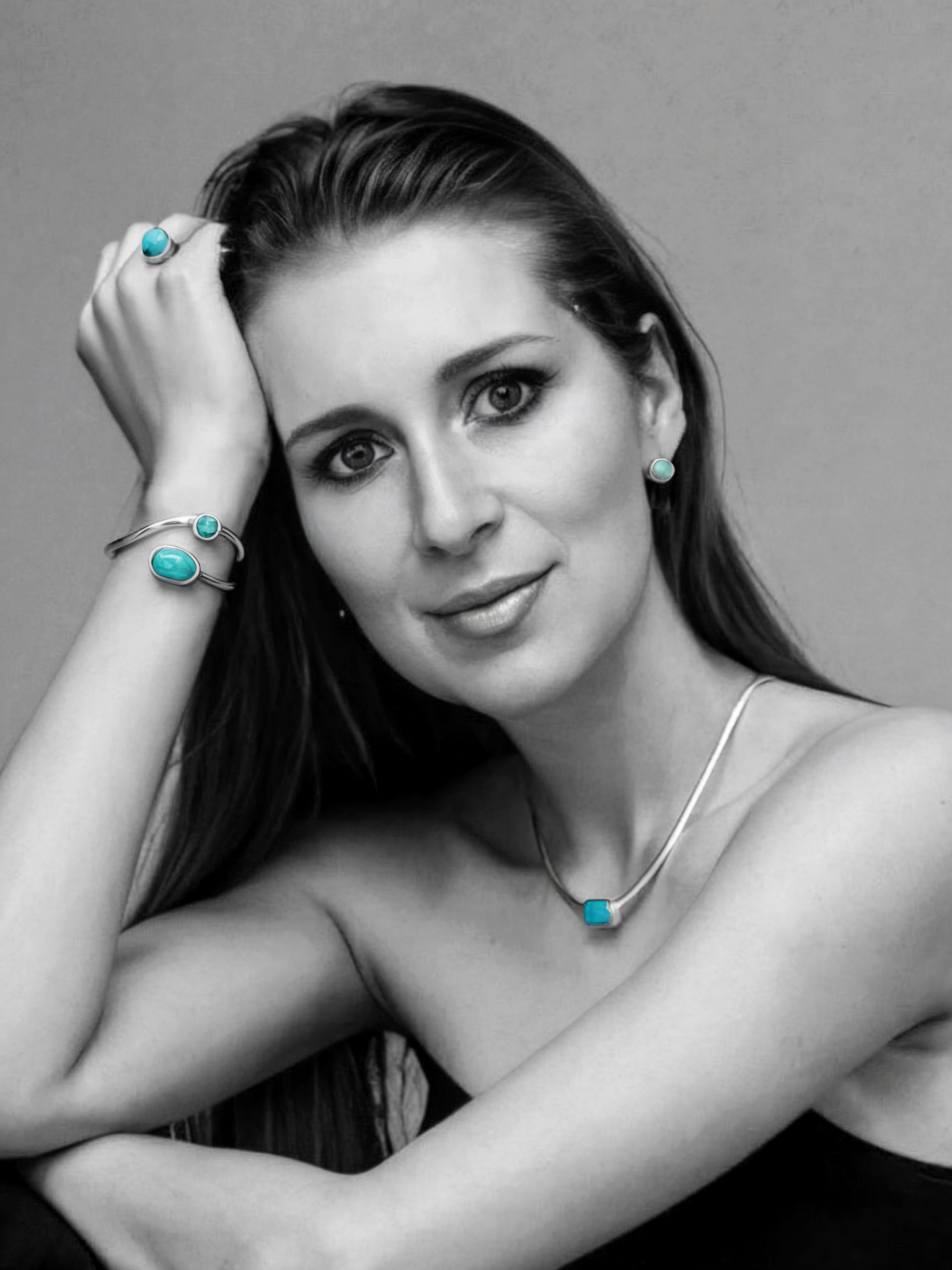
Kimberly Cordova
Kimberly Cordova is the founder and creative director of Wildflower Artisans, a handmade jewelry brand rooted in Santa Fe. Real turquoise, solid sterling silver, and a small line set in solid 14K gold. She built Wildflower around a simple belief: the best jewelry is the kind you actually reach for, not the kind you save for someday.
The collection is built three ways. Some pieces are made in-house, cut by her husband Greg from stones he sources himself, including rough from the family's King's Manassa Mine in Colorado and White Buffalo Mine in Nevada. Some are designed by Kimberly and fabricated by a trusted circle of Santa Fe silversmiths. And some are finished work she curates from artisan makers whose craft meets the same standard, because building a real collection means knowing when to make and when to look.
Turquoise leads, joined by White Buffalo, Wild Horse, Lapis Lazuli, Spiny Oyster, Black Onyx, Opal, and other genuine semi-precious stones. No shortcuts on the stone, the silver, or the story behind either.
Her writing covers everything she has learned along the way: how turquoise forms, how to tell natural from stabilized, what makes one mine different from another, how to read a bezel, and how to shop with confidence in a market that is not always straightforward. It is the kind of plainspoken information she wished someone had laid out for her when she was starting out.
Browse the collection at wildflowerartisans.com. Questions about a stone, a setting, or a specific piece are welcome any time.
0 comments