

Most of the legendary American turquoise mines that defined the twentieth century have fallen silent, leaving collectors to search for new sources of that classic sky-blue hue. It's an unsettling feeling to hold a piece of jewelry and wonder if the vibrant color is a gift from the earth or merely dyed howlite. We understand that hesitation. Choosing a piece of jewelry is an act of trust, a way to connect with the raw beauty of the natural world through the hands of a skilled maker. By understanding the nuances of campitos and sonoran turquoise, you can move past the confusion of mine names and stabilization methods with confidence.
In this guide, we'll explore the unique history of the Campitos mine in Mexico, where stones often grow as free-form nuggets in clay rather than veins in rock. You'll learn to identify the telltale pyrite inclusions that give these stones their characteristic sparkle and discover why artisan-made sterling silver (.925) settings are the best home for these gems. From recognizing matrix patterns to mastering proper care, we want to help you celebrate the authentic story held within every hand-cut cabochon.
Key Takeaways
- Identify the distinct origins of Campitos turquoise from the Pino Solo mine in Sonora, Mexico, and its role in artisan-made jewelry since the 1980s.
- Learn to recognize the vibrant sky-blue hues and subtle pyrite sparkles that characterize campitos and sonoran turquoise in handcrafted pieces.
- Compare the visual profiles of Campitos and Sleeping Beauty stones to understand why collectors value the delicate matrix patterns found in Mexican turquoise.
- Discover how professional bezel settings and hand-cut cabochons ensure the longevity of genuine stones when set in high-quality sterling silver (.925).
- Master the proper care techniques for porous stones and sterling silver (.925) to prevent discoloration and maintain a beautiful finish over time.
Origins and Discovery of Campitos Turquoise in Sonora
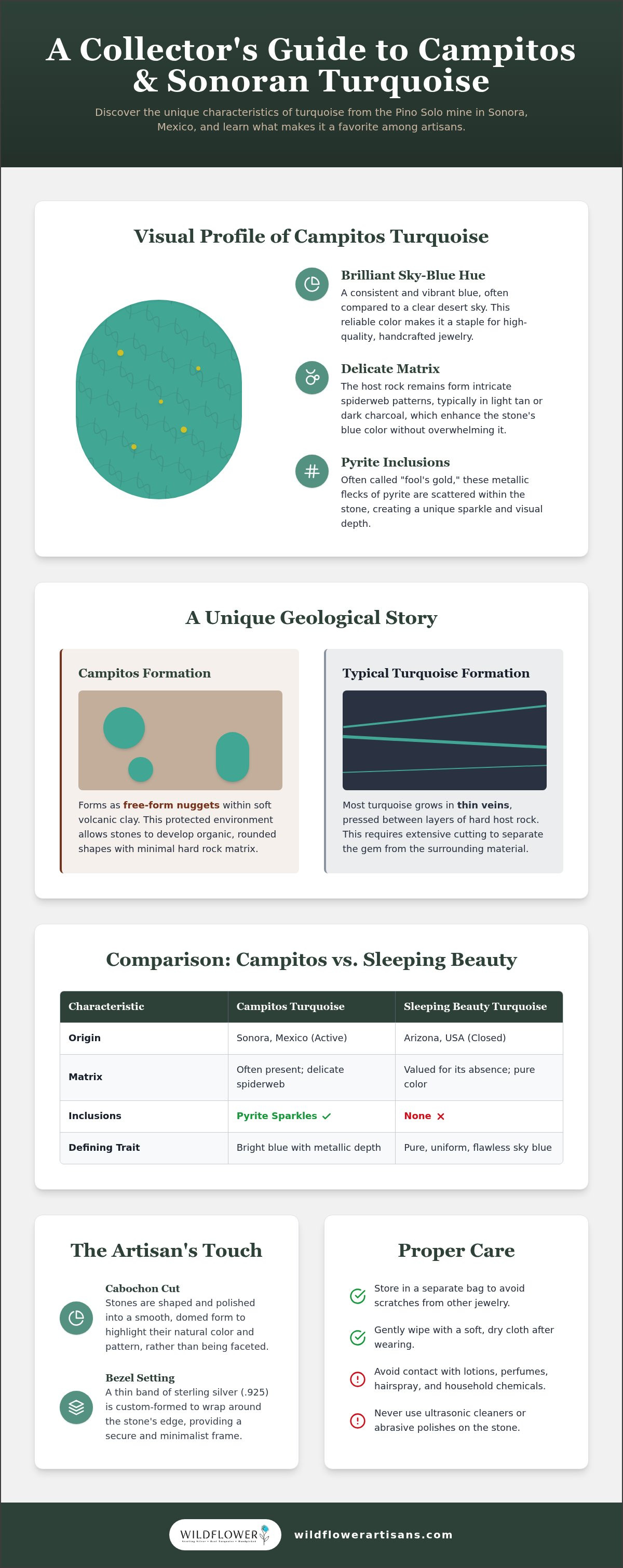
Campitos turquoise is primarily sourced from the Pino Solo mine located in Cananea, Sonora, Mexico, where it has been pulled from the earth for over four decades. This specific region is famous for producing stones with a brilliant sky-blue clarity that rivals the most famous American deposits. When we discuss campitos and sonoran turquoise, we're looking at a stone that supported the handcrafted jewelry market during a time when many historic U.S. mines were beginning to sunset their operations. Significant commercial production began in the 1980s, and since then, it has become a staple for artisans who value consistency and character.
The geological birth of these stones is what captures the imagination of the working studio. In most turquoise deposits, the mineral forms in thin veins, pressed between layers of hard host rock. However, at the Pino Solo mine, the turquoise often forms as free-form nuggets within soft volcanic clay. This unique environment allows the stones to develop their own organic, rounded silhouettes. Understanding Turquoise mineralogy and properties helps us appreciate how the surrounding clay protects the stone, resulting in the high-quality, hand-cut cabochons we see today. A cabochon is a stone that has been shaped and polished into a smooth, rounded form rather than being cut with facets. These natural nuggets often contain very little matrix, which refers to the host rock remains that create intricate patterns and webbing within a finished stone.
The Pino Solo Mine Environment
Miners extract these stones from a landscape defined by desert mountains and deep mineral deposits that have simmered for millennia. The extraction process is intentional, focusing on preserving the natural nugget texture that artists favor for bold statement pieces. Because the turquoise isn't trapped in rigid rock, it retains a sculptural quality that feels alive. This region of Mexico has earned a reputation for vibrant color profiles that stay true even after the stone is polished and set in a bezel. A bezel is a thin band of metal, usually sterling silver (.925), that wraps around the edge of a stone to hold it securely in place.
Historical Significance in Artisan Jewelry
Artisans have utilized Sonoran stones for decades to complement intricate sterling silver (.925) work. When major Arizona mines closed, the accessibility of the Pino Solo mine helped sustain the market for authentic, high-grade material. It provided a reliable source for silversmiths who refused to compromise on quality or turn to synthetic alternatives. Today, collectors recognize campitos and sonoran turquoise as a bridge between traditional Southwestern style and contemporary design. For more details on the history of our materials, you can explore our stone origins guide to see how these pieces fit into the larger landscape of artisan jewelry.
Visual Characteristics: Matrix, Pyrite, and the Sky Blue Hue
The most striking feature of Campitos turquoise is its brilliant sky-blue color which remains consistent throughout the stone. This hue is often compared to the clear desert sky at midday, possessing a vibrancy that draws the eye without feeling artificial. When we work with campitos and sonoran turquoise in the studio, we look for that steady, reliable blue that serves as a perfect canvas for more intricate details. Understanding turquoise formation and quality helps us see why this consistency is so prized among collectors and silversmiths alike.
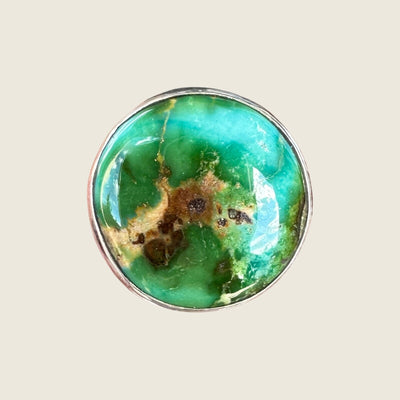
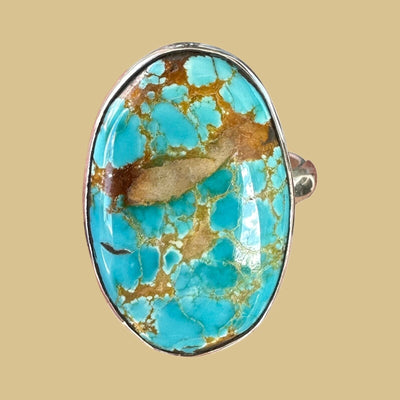
Matrix refers to the host rock remains found within a cut stone, and in Campitos, this often appears as delicate spiderwebbing. In many stones, matrix can be overwhelming, but here it typically enhances the blue rather than distracting from it. Perhaps the most captivating detail is the presence of pyrite inclusions. Often called fools gold, these metallic flecks appear as tiny, shimmering anchors within the blue stone. This combination of bright blue and metallic pyrite creates a visual depth rarely found in other mines, giving the stone a three-dimensional quality that seems to shift as it catches the light.
Identifying the Unique Campitos Matrix
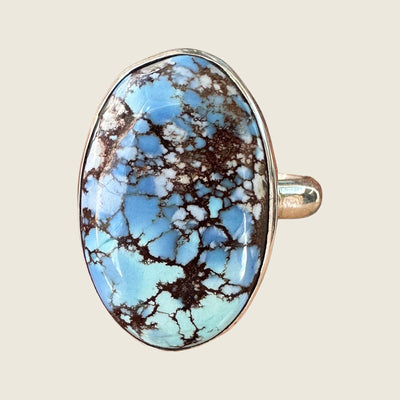
Matrix is the organic web-like patterns formed by the surrounding host rock. While some mines produce stones with heavy, dark host rock, matrix colors in Sonoran stones typically range from light tan to dark charcoal. These patterns provide a grounded contrast to the ethereal blue of the stone itself. The presence of pyrite is a key diagnostic feature for distinguishing this stone from its competitors. If you see a sky-blue stone with subtle, metallic glints, there is a very high probability you are looking at genuine campitos and sonoran turquoise.
Texture and Luster in Finished Pieces
When polished into a cabochon, the stone exhibits a waxy to sub-vitreous luster. This means it has a smooth, slightly oily feel that can reach a glass-like shine under the right hands. The density of the stone is high enough to allow for a deep polish that truly highlights those metallic pyrite inclusions. We often leave our hand-cut stones with a slight organic asymmetry. This choice isn't about a lack of skill; it's a deliberate way to emphasize the stone's natural origin and the fact that it hasn't been mass-produced in a factory. If you're looking for a piece that captures this specific dance of light and color, you can see how we've used these stones in our artist-made jewelry collection.
If you feel a pull toward these celestial blues and golden flecks, you might enjoy browsing our current selection of handcrafted turquoise jewelry. Each piece is chosen for its unique character and set in sterling silver (.925) to last a lifetime.
Comparing Campitos to Sleeping Beauty and Other Southwestern Stones
Collectors often compare Campitos to Sleeping Beauty turquoise because they share a rare, electric blue profile that seems to glow from within. While they may look similar at a distance, the two stones tell very different stories when you look closer at their composition. Understanding these differences helps you choose a piece that resonates with your personal style, whether you prefer the quiet calm of a clear stone or the lively character of a matrix-rich cabochon.
When we look at the broader landscape of Southwestern style, Kingman turquoise often leans more toward a green-blue tint compared to the pure sky blue of Sonoran stones. This distinction is vital for collectors who are searching for that specific, saturated blue that doesn't drift into teal or forest tones. Because the Pino Solo mine is still actively producing, the price point of campitos and sonoran turquoise often provides a better value for large statement pieces, such as a bold turquoise cuff bracelet or a heavy pendant, without sacrificing the high-grade color quality found in more expensive, closed mines.
Campitos vs. Sleeping Beauty
The primary aesthetic difference is that Sleeping Beauty is typically a solid, uniform blue while Campitos features those metallic pyrite flecks we've discussed. Many collectors view Sleeping Beauty as the standard for clean turquoise, but the mine is currently closed, which has driven prices to a point that can feel prohibitive. You can learn more about this on our stone origins Sleeping Beauty page. In contrast, campitos and sonoran turquoise remains a more sustainable choice for new designs, offering a similar color profile with the added charm of natural inclusions. Both stones are highly sought after for their ability to contrast beautifully with the cool, bright tones of sterling silver (.925).
Evaluating Value and Rarity
In the world of lapidary arts, rarity is often determined by the clarity of the blue and the complexity of the matrix webbing. Sonoran stones are prized for their durability and consistent hardness on the Mohs scale, which measures a mineral's resistance to scratching. This hardness ensures that a hand-cut stone will hold its polish through years of daily wear. When we select pieces for our one-of-a-kind collection, we look for stones that balance these technical qualities with an undeniable soul. Choosing between these mines often comes down to a preference for organic detail versus stark uniformity. If you want to dive deeper into the specific characteristics of other regions, our stone origins Kingman guide offers a helpful comparison.
The Art of the Cabochon: Cutting and Setting Mexican Turquoise
A cabochon is a stone that has been shaped and polished into a smooth, rounded form rather than being cut with facets. While transparent gems like diamonds are often faceted to reflect light, turquoise relies on its surface area to showcase its color and matrix. For campitos and sonoran turquoise, the cabochon cut is essential to display the metallic pyrite flecks that make this stone so special. Artisans typically use a bezel setting to secure these stones. A bezel is a thin band of sterling silver (.925) that wraps around the entire perimeter of the stone to hold it firmly in place.
Many collectors are wary of treated stones, but the role of stabilization in the lapidary world is often misunderstood. Stabilization is a common process where a clear, pressurized resin is used to harden the stone and prevent it from changing color over time. Because turquoise is naturally porous, it can absorb oils from the skin or chemicals from perfumes. This resin seals the pores, ensuring the brilliant blue remains as vibrant as the day it was cut without altering the natural beauty of the mineral.
The Significance of Hand-Cut Stones
Mass-produced stones are often cut by machines into perfect, identical calibrated shapes that lack the soul of the original material. In our working studio, we value the character found in an artisan-made cabochon cut from campitos and sonoran turquoise. Hand-cutting requires a deep understanding of the stone's grain to avoid fracturing during the lapidary process. By following the natural flow of the matrix, the artist can ensure that the most vibrant pyrite clusters are positioned prominently on the face of the stone. This intentional approach means that no two pieces of jewelry are ever truly identical; each piece becomes a singular expression of the earth's history.
Setting Stones in Sterling Silver (.925)
Sterling silver (.925) provides a cool-toned frame that makes the sky-blue color of the turquoise pop with clarity. This metal is the traditional choice for Southwestern style pieces because it balances the warmth of the matrix without competing for attention. Bezel settings do more than just look beautiful; they protect the edges of the turquoise from daily wear and accidental impact. While silver is our primary medium, we occasionally use solid 14K gold for high-contrast accents in premium pieces. These gold bezels or prongs add a touch of warmth that mirrors the golden glint of the pyrite inclusions found within the stones.
Our studio focuses on highlighting the individual narrative of every stone through careful metalwork. If you appreciate the specific marriage of hand-cut stones and high-quality settings, you may want to explore our collection of artisan-made turquoise rings.
Caring for Handcrafted Sterling Silver and Turquoise Jewelry
Turquoise is a porous stone that requires gentle handling to prevent discoloration from oils or chemicals. Because the mineral structure of campitos and sonoran turquoise contains tiny microscopic openings, it can absorb substances from its environment. This is why we often suggest being mindful of the surroundings your jewelry inhabits. Sterling silver (.925) naturally tarnishes over time due to oxidation, but this is a surface change that can be easily restored with a soft polishing cloth. Maintaining the vibrancy of your hand-cut cabochons is a simple process of avoidance and intentional storage.
Avoid wearing turquoise jewelry while swimming or using household cleaners. Chlorine and harsh detergents can strip the luster from the stone and potentially damage the surface of the silver. When you aren't wearing your pieces, store them in a cool, dry place away from direct sunlight. Excessive heat or light can sometimes cause the blue hue to fade or shift over long periods. Think of your jewelry as a living piece of the earth that appreciates a stable environment. Proper storage prevents the delicate matrix from being compromised by moisture or extreme temperature swings.
Cleaning Your Sterling Silver (.925)
Use a dedicated silver polishing cloth rather than liquid dips which can be too harsh for the stone. These dips often contain chemicals that can seep into the pores of the turquoise, leading to permanent staining or a change in the stone's chemical composition. Gently buff the metal around the bezel, taking care not to rub the turquoise directly with abrasive materials. If you have pieces with intricate matrix patterns, a soft cloth is the safest way to bring back the shine without disturbing the natural character of the stone. Interestingly, regular wear actually helps prevent tarnish. The natural oils of your skin interact with the silver in a way that slows down the oxidation process, making your favorite everyday essentials easier to maintain over time.
Long-Term Stone Preservation
Remove jewelry before applying lotions, perfumes, or hairsprays to avoid chemical buildup. These products are the primary culprits for stones turning green or losing their waxy luster. If the stone becomes dirty after a long day, use a damp cloth with mild soap and dry it immediately with a soft towel. Never soak your jewelry. Water can find its way behind the bezel and weaken the setting or the stone's integrity. For more detailed guidance, visit our care and repair page to keep your collection pristine. By following these small, rhythmic habits, you ensure that the story of your campitos and sonoran turquoise pieces continues for generations.
Embracing the Narrative of Mexican Turquoise
Choosing a piece of jewelry is about more than aesthetics; it's an investment in a story that began deep in the volcanic clay of Sonora. By learning to recognize the shimmer of pyrite and the clarity of the matrix, you can select campitos and sonoran turquoise with the confidence of an expert. These stones offer a bridge to the past while providing a sustainable path for modern artisans who refuse to compromise on authenticity.
At Wildflower, we remain dedicated to the stone-first philosophy. Every piece we offer features guaranteed authentic stones, set by hand in high-quality sterling silver (.925). We take pride in expertly curating our materials from reputable mines to ensure that what you wear is as genuine as the land it came from.
We invite you to find a piece that speaks to your own journey and celebrates the organic, fleeting beauty of the natural world.
Frequently Asked Questions
Is Campitos turquoise real or treated?
Campitos turquoise is a genuine mineral that is often stabilized with a clear resin to preserve its integrity and color. This process isn't the same as creating a fake stone; it's a standard lapidary technique to protect the naturally porous material. Stabilization ensures that your jewelry doesn't absorb oils or moisture, which could cause it to darken or turn green. At Wildflower Artisans, we focus on stones that maintain their natural, untreated appearance while providing long-term durability.
What are the metallic flecks inside Sonoran turquoise?
The metallic flecks found within campitos and sonoran turquoise are pyrite inclusions, which are naturally occurring iron disulfide minerals. Often referred to as fools gold, these tiny clusters create a subtle sparkle that contrasts beautifully against the sky-blue background of the stone. Unlike the dark host rock matrix found in other mines, these pyrite glints are a signature characteristic of the Pino Solo mine. They add a layer of visual depth to every hand-cut cabochon.
How can I tell the difference between Campitos and Sleeping Beauty turquoise?
You can distinguish the two by looking for the presence of matrix and pyrite, as Sleeping Beauty is typically a uniform blue while Campitos celebrates its inclusions. While both mines produce a similar electric blue hue, Campitos often features a light tan or charcoal matrix alongside its signature pyrite flecks. Sleeping Beauty stones are prized for being matrix-free. Since the Sleeping Beauty mine closed in August 2012, many collectors now turn to Sonoran stones as a sustainable alternative.
Does Mexican turquoise change color over time?
Genuine turquoise can change color if it's untreated, but most stones used in jewelry are stabilized to prevent this transition. Natural turquoise is chemically sensitive to oils, perfumes, and even sweat, which can turn the stone from blue to a dull green. Stabilization seals the pores of the cabochon, locking in that vibrant shade. If you own a piece of campitos and sonoran turquoise, its color should remain consistent for decades as long as you follow basic care routines.
What is the best way to clean sterling silver (.925) turquoise jewelry?
The safest method is to use a dry, soft silver polishing cloth to buff the sterling silver (.925) around the bezel setting. You should avoid liquid jewelry dips or ultrasonic cleaners, as these can strip the stone's finish or damage the resin used in stabilization. If the stone itself looks dusty, a quick wipe with a damp, lint-free cloth is sufficient. Always dry the piece immediately. Regular wear is also beneficial, as your skin's natural oils help slow tarnish.
Is Campitos turquoise considered high-quality for collectors?
Yes, Campitos turquoise is highly regarded by collectors for its rare color clarity and unique pyrite inclusions. It's often categorized as a collector grade stone because it offers the same saturated blue profile as legendary Arizona mines that are no longer in production. The fact that it forms as natural nuggets in volcanic clay gives each hand-cut stone a distinct personality. For those who value authenticity, these stones represent a significant piece of North American lapidary history.

Article by
Kimberly Cordova
Kimberly Cordova is the founder and creative director of Wildflower Artisans, a handmade jewelry brand rooted in Santa Fe. Real turquoise, solid sterling silver, and a small line set in solid 14K gold. She built Wildflower around a simple belief: the best jewelry is the kind you actually reach for, not the kind you save for someday.
The collection is built three ways. Some pieces are made in-house, cut by her husband Greg from stones he sources himself, including rough from the family's King's Manassa Mine in Colorado and White Buffalo Mine in Nevada. Some are designed by Kimberly and fabricated by a trusted circle of Santa Fe silversmiths. And some are finished work she curates from artisan makers whose craft meets the same standard, because building a real collection means knowing when to make and when to look.
Turquoise leads, joined by White Buffalo, Wild Horse, Lapis Lazuli, Spiny Oyster, Black Onyx, Opal, and other genuine semi-precious stones. No shortcuts on the stone, the silver, or the story behind either.
Her writing covers everything she has learned along the way: how turquoise forms, how to tell natural from stabilized, what makes one mine different from another, how to read a bezel, and how to shop with confidence in a market that is not always straightforward. It is the kind of plainspoken information she wished someone had laid out for her when she was starting out.
Browse the collection at wildflowerartisans.com. Questions about a stone, a setting, or a specific piece are welcome any time.
0 comments