

Most of the bright blue stones found in standard retail displays are actually dyed plastic or compressed chalk held together with synthetic resins. It's a frustrating reality for anyone using a turquoise jewelry gift guide to find a gift that feels as honest and enduring as the person receiving it. You likely want something more than a mere accessory. You're looking for a piece of the high desert, shaped by an artist's hands and set in sterling silver that will only grow more beautiful with time. Finding that perfect balance between raw nature and refined craft shouldn't feel like a gamble.
At Wildflower Artisans, we believe a gift should be a vessel for emotion and a celebration of natural, fleeting beauty. We've designed this guide to simplify your search by teaching you how to identify genuine stones and understand the unique character of a hand-cut bezel. We'll walk through the distinct personalities of mines like Royston and Kingman, explain why the matrix in a stone is its fingerprint, and help you choose a handcrafted piece that carries a story worth telling. By the end, you'll have the confidence to select a legacy gift that will be cherished for decades.
Key Takeaways
- Learn how to distinguish genuine minerals from plastic imitations using this turquoise jewelry gift guide to ensure your gift carries real meaning.
- Identify quality markers like the .925 sterling silver standard and the hand-cut bezel that secures each unique stone cabochon.
- Explore how the host rock, known as the matrix, reveals the story and specific mine origin of stones from Kingman or Royston.
- Find the right balance between subtle accents like stud earrings and bold artisan pieces based on the recipient's daily rhythm.
- Protect the longevity of your investment by learning how to properly store and clean porous stones to prevent discoloration or tarnish.
Selecting Genuine Stones for Meaningful Gifts
Authentic turquoise is a natural mineral formed through a unique sedimentary process involving copper and aluminum, often characterized by its host rock patterns called the matrix. Understanding these geological signatures is the first step in using a turquoise jewelry gift guide to find a piece that honors the earth's slow, beautiful artistry.
The history and properties of turquoise reveal a stone that is porous and relatively soft, which is why its geological context matters so much. Matrix refers to the host rock patterns found within the stone. These dark or metallic veins tell the story of the specific environment where the mineral grew over millions of years. In our studio, we look for these signatures of life. Real stones are rarely a flat, uniform blue. Mass-produced blocks of plastic or dyed howlite often fail to replicate the subtle depth of a natural stone. If you look closely at the crevices of a suspicious piece, you might see white spots or concentrated pools of dye. This is a clear sign the material was artificially colored to mimic the real thing. We value the authenticity of the stone above all else, ensuring that the gift you give is as genuine as the sentiment behind it.
Natural stones also possess slight surface irregularities. These aren't flaws; they're the thumbprints of nature. A cabochon is a stone that has been shaped and polished into a smooth, rounded form rather than faceted. A hand-cut cabochon will have a unique silhouette that a machine cannot replicate, giving the piece a grounded, artisanal soul.
Identifying Real vs. Reconstituted Materials
Reconstituted turquoise is a composite made from dust and scraps bonded with resin and plastic. While it looks like stone from a distance, it lacks the weight and temperature of the genuine mineral. Natural turquoise feels cold to the touch and has a distinct heft. When Wildflower selects a stone, we ensure it is set in a crisp bezel. A bezel is the silver ribbon holding the stone in place. A quality bezel follows the organic shape of the cabochon perfectly, indicating that the silver was built around the stone rather than the stone being ground down to fit a pre-made mold.
The Role of Stabilization in Gift Longevity
Stabilization is a process where clear resin is introduced into the stone to improve its durability for daily wear. Because turquoise is naturally porous, many wearable pieces require this treatment to prevent them from absorbing oils or changing color. It's important to differentiate between this necessary stabilization and deceptive dyeing practices. Stabilization preserves the stone's natural beauty and ensures it lasts for decades, making it a reliable choice for a meaningful gift.
Evaluating Craftsmanship and Sterling Silver Standards
Quality artisan jewelry relies on .925 sterling silver for structural integrity and a lasting luster that develops a beautiful patina over time. This turquoise jewelry gift guide emphasizes that the metalwork is just as vital as the stone it cradles, providing the necessary frame to ensure a gift lasts for generations.
When you hold a piece from a working studio, the first thing you should notice is the weight and balance. Sterling silver (.925) is an alloy of 92.5% pure silver and 7.5% copper, which offers the hardness needed for daily wear while maintaining the brilliance of precious metal. Examine the bezel, which is the silver ribbon of metal that wraps around the stone to secure it. A well-executed bezel is pushed tight against the cabochon with no visible gaps or jagged edges. This precision ensures the stone won't wiggle or trap debris. Turn the piece over to check the underside. The back of a ring or pendant should be polished to a smooth finish, free of tool marks or sharp edges that could snag clothing or irritate the skin.
Hallmarks and Metal Authenticity
Look for the .925 stamp on the interior of a ring band or the back of a pendant as a guarantee of silver content. While silver is the traditional choice, solid 14K gold offers a warm, high-contrast frame for high-grade stones. We avoid plated finishes because they eventually wear away to expose base metals. For those seeking pieces with specific cultural origins, The Indian Arts and Crafts Act provides the legal framework that ensures jewelry marketed as Native American is truly handcrafted by enrolled tribal members. These standards protect both the buyer and the artisan.
The Artist's Hand in the Final Design
Small batch production ensures that each piece has its own rhythm and soul. You might see slight variations in hand-stamped details, which are patterns impressed into the silver using manual steel tools and a hammer. This intentional asymmetry is a hallmark of one-of-a-kind artisan creations rather than a flaw. These subtle marks are evidence of the artist's hand at work in the studio. You can find these unique details across our artist-made jewelry collections, where every setting is built to protect the stone for decades of wear.
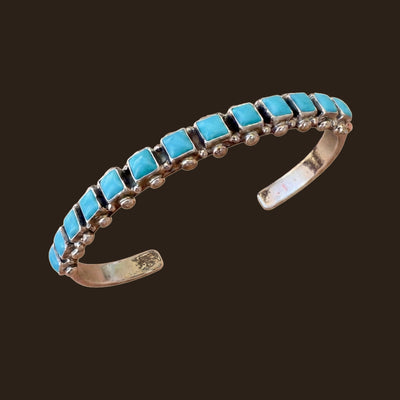
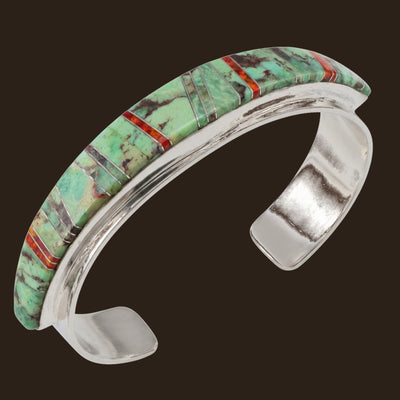
After finding a piece with the right structural integrity, you may want to look at specific styles that highlight these silversmithing techniques. Our collection of handcrafted turquoise cuff bracelets showcases heavy-gauge sterling silver and intricate stamp work that truly honors the artisan tradition.
Matching Jewelry Styles to Personal Aesthetic
Choosing the right piece requires looking beyond the stone to the recipient's daily rhythm and personal style. This turquoise jewelry gift guide helps you navigate whether a subtle accent or a bold statement piece best honors their unique spirit.
We often ask our studio visitors about the recipient's hands. Do they work in a garden? Are they always at a keyboard? A turquoise ring is a constant visual companion for the wearer, while earrings frame the face and offer a more effortless way to wear color. Pendant necklaces sit close to the heart and offer incredible versatility because they can be layered with other metals or different stones. Understanding these small habits helps you find a gift they will actually wear every day.
Everyday Essentials for the Minimalist
For those who prefer a quiet elegance, look for clean lines and smooth textures. Simple silver bands featuring a small cabochon provide a pop of color without feeling heavy. A cabochon is a stone that has been shaped and polished into a smooth dome rather than faceted. Lightweight dangle earrings are comfortable enough for all-day wear and move gracefully with the wearer. You can find these approachable designs in our Everyday Essentials collection, where the focus is on the raw beauty of the stone rather than complex ornamentation. Small, hand-cut studs from our Everyday Stud Edit are perfect for those who like to build a stack of multiple piercings without feeling overwhelmed.
Bold Pieces for the Collector
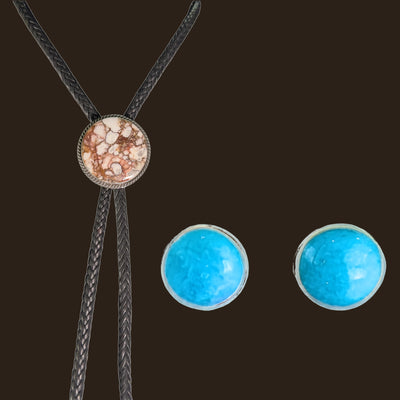
Some individuals carry a larger presence and appreciate jewelry that matches that energy. Large rings with heavy matrix patterns serve as natural conversation starters. Matrix refers to the host rock veining found within the turquoise. Each stone is a tiny, unique landscape that tells a geological story. Statement turquoise cuff bracelets are ideal for those who value bold artistry and the weight of heavy-gauge sterling silver (.925). These larger pieces often feature mine-specific stones like Royston or Kingman, which we select for their distinct color profiles and hardness. For a classic Southwestern style, artisan-made bolo ties remain a sophisticated choice that bridges the gap between traditional and modern wardrobes. Layering multiple pieces from this turquoise jewelry gift guide allows a collector to create a personal narrative that feels both intentional and storied.
Understanding the Rarity of Specific Turquoise Mines
A stone's origin is more than a geographical fact; it is the source of its personality, color, and value. When you consult a turquoise jewelry gift guide, you begin to see that the mineral's appearance is a direct result of the specific copper and iron levels in the soil where it formed over millions of years.
In our studio, we often work with Kingman turquoise, which is sourced from one of the oldest and most productive mines in the American Southwest. It typically displays a classic sky blue hue punctuated by a dark, often black, matrix. For those who prefer a more organic, earth-toned palette, Royston turquoise is prized for its stunning transitions from deep forest greens to light, watery blues within a single cabochon. We also receive many questions about White Buffalo jewelry. While often grouped with turquoise because of its similar matrix and rarity, White Buffalo is actually a distinct white mineral with black chert, offering a striking monochromatic alternative for a meaningful gift.
The Appeal of Rare and Closed Mines
Gifting a piece from a closed mine adds a layer of historical narrative and investment value to the gesture. The Sleeping Beauty mine officially ceased operations in 2025, which means the clear, robin's egg blue stones from this location are becoming increasingly difficult to find. Similarly, stones from King's Manassa are cherished for their rich greens and golden host rock. Selecting a mine-specific piece allows you to share the unique history of the American West with the person you love.
Matrix Patterns and Visual Texture
The matrix acts as a fingerprint, proving the stone is natural rather than a factory-made imitation. A spiderweb matrix occurs when thin, delicate lines of host rock weave through the blue or green mineral in a tight, lace-like pattern. While some collectors seek out clear stones without any visible matrix for their high-contrast look, many prefer the visual texture that these natural inclusions provide. These patterns ensure that no two hand-cut stones are ever identical, making each turquoise jewelry gift guide pick a truly individual treasure.
Once you understand the rarity of these specific mines, you can appreciate the intentionality behind each setting. Our one-of-a-kind artisan pieces feature mine-specific stones that we have carefully selected for their exceptional matrix and color depth.
Ensuring the Longevity of Your Gift with Proper Care
Proper maintenance of artisan jewelry involves protecting the porous stone from chemicals and moisture to preserve its natural color and structural integrity. Because turquoise is a phosphate mineral, it's naturally absorbent, meaning it can drink in the oils, perfumes, and hairsprays of daily life. This turquoise jewelry gift guide aims to ensure that the piece you choose today remains a vibrant heirloom for decades to come.
We recommend a "last on, first off" rule for all authentic turquoise jewelry. This simple habit prevents the stone from coming into direct contact with cosmetics or household cleaners that can cause the color to shift from a crisp blue to a duller green over time. When you aren't wearing your jewelry, store it in a cool, dry place. Moisture is the primary catalyst for tarnish, which is the dark film that forms on silver when it reacts with sulfur in the air. A lined jewelry box or a small airtight pouch can significantly slow this natural process and keep the metal bright.
Safe Cleaning Practices
Cleaning your jewelry doesn't require specialized equipment, just a gentle hand and a bit of patience. Use a soft, damp cloth with a drop of mild, additive-free soap to wipe down the silver setting. You should avoid the stone's surface as much as possible during this process. We strongly advise against using ultrasonic cleaners. These machines use high-frequency sound waves that can create micro-fractures in a delicate stone or loosen the bezel, which is the silver frame holding the cabochon in place. Always ensure the piece is completely dry before you tuck it away in storage.
Maintaining the Luster of Sterling Silver
Regular wear is actually one of the best ways to keep your turquoise rings and pendants looking their best. The natural friction of your skin against the .925 sterling silver acts as a gentle polish, preventing heavy tarnish from taking hold. For deeper cleaning of the metal, use a dedicated silver polishing cloth, but be careful to stay away from the stone. Over the years, we suggest a quick check of the setting. A professional can ensure the bezel remains tight and secure, protecting your investment from accidental loss. For more detailed instructions, you can always visit our care and repair guide to keep your collection in studio-quality condition.
Finding a Gift with a Lasting Story
Choosing a gift that honors both the recipient and the earth's slow artistry requires a discerning eye for detail. We've explored how identifying the natural matrix and a hand-cut bezel ensures you're giving a piece of genuine history rather than a mass-produced imitation. This turquoise jewelry gift guide serves as your companion in finding a treasure that balances grounded, artisanal sophistication with raw, natural beauty.
At Wildflower, we take the uncertainty out of your selection by offering guaranteed authentic stones that are hand-cut by skilled silversmiths. Every piece is set in .925 sterling silver or solid 14K gold to ensure it withstands the passage of time. We provide national shipping with secure packaging to ensure your gift arrives safely, ready to be cherished as a vessel for emotion and shared creative passion.
Whether you choose a subtle pair of studs or a bold statement cuff, the right piece will eventually carry its own narrative. It's a joy to help you find a gift that will grow more beautiful with every year of wear.
Frequently Asked Questions
How can I tell if turquoise jewelry is real?
Real turquoise typically features a varied matrix and feels cold to the touch. You should look for color inconsistencies in the crevices of the stone, as dyed howlite or plastic imitations often show pools of concentrated dye. A genuine cabochon will have the heft and temperature of a natural mineral rather than the lightweight, warm feel of resin composites.
Is sterling silver or gold better for turquoise gifts?
Both are excellent choices, but sterling silver (.925) is the traditional standard for a turquoise jewelry gift guide because it offers the strength needed for daily wear. Solid 14K gold is also a beautiful option that provides a warm, sophisticated contrast to the blue and green hues of the stone. We always recommend avoiding plated or filled metals, as they eventually wear away and can irritate the skin.
What is the difference between stabilized and natural turquoise?
Natural turquoise is untreated stone that remains exactly as it was pulled from the earth, whereas stabilized turquoise has been infused with a clear resin. This stabilization process is essential for many softer stones to prevent them from absorbing skin oils or fracturing during the silversmithing process. Most wearable artisan pieces use stabilized stone to ensure the gift remains vibrant for decades.
Does turquoise jewelry have special meaning as a gift?
Folklore and tradition often associate turquoise with protection and a deep connection to the natural world. Many traditions view the stone as a bridge between the earth and the sky, making it a thoughtful choice for a meaningful gift. It is a stone that carries a story, often becoming a family heirloom that passes down through generations.
How should I clean a turquoise gift without damaging the stone?
You should clean the silver setting with a damp cloth and mild soap, being careful to avoid the stone itself. Because turquoise is porous, it can be damaged by harsh chemicals or the intense vibrations of ultrasonic cleaners. Simply wiping the sterling silver with a dedicated polishing cloth will maintain its luster without risking the integrity of the hand-cut stone.
What is White Buffalo jewelry and is it real turquoise?
White Buffalo is a rare white mineral with black chert that is often included in a turquoise jewelry gift guide despite being chemically distinct from turquoise. It is mined in Tonopah, Nevada, and is prized for its stark, monochromatic appearance. While it is not technically turquoise, it is handled with the same artisan care and set in high-quality sterling silver.
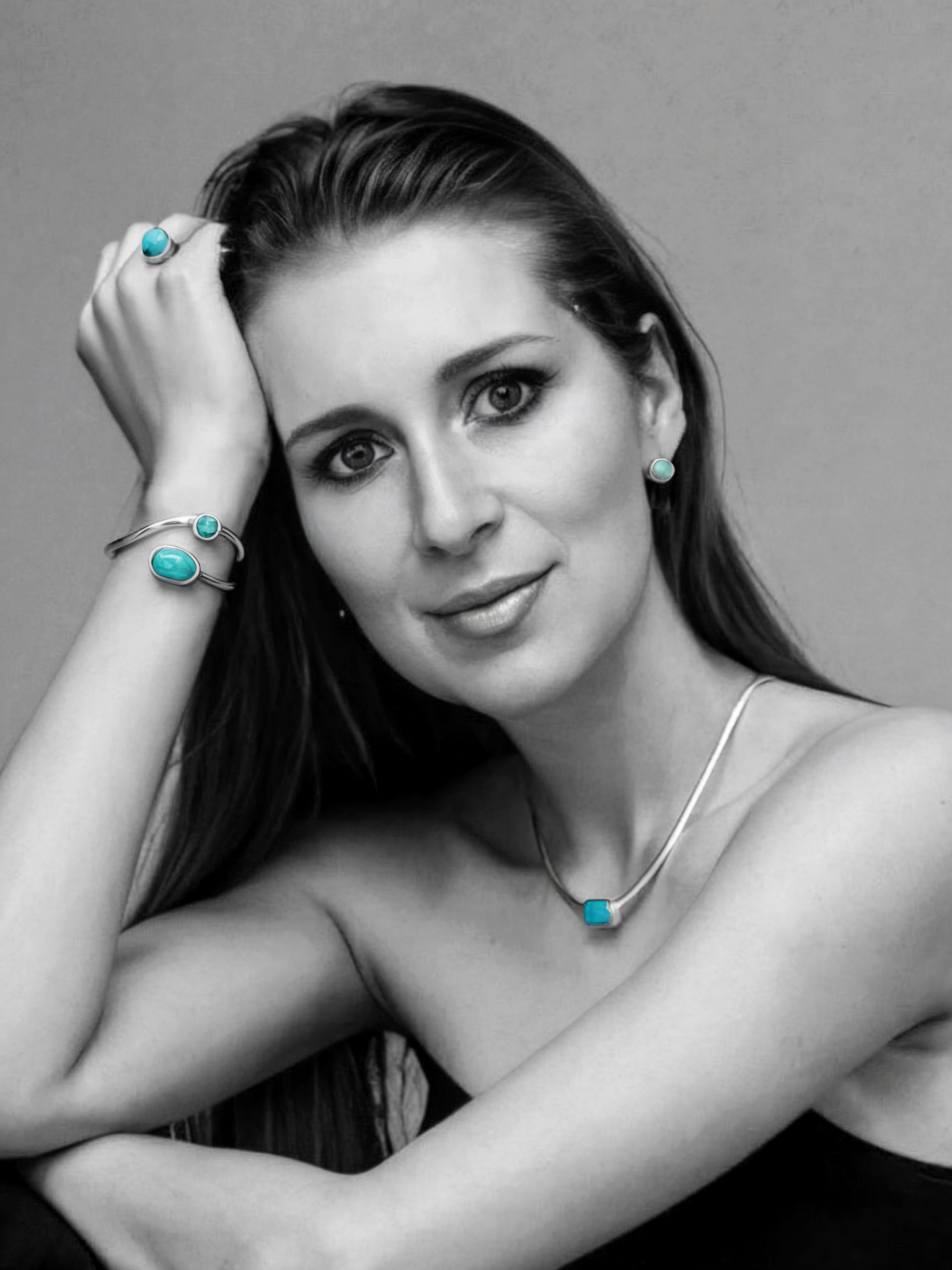
Article by
Kimberly Cordova
Kimberly Cordova is the founder and creative director of Wildflower Artisans, a handmade jewelry brand rooted in Santa Fe. Real turquoise, solid sterling silver, and a small line set in solid 14K gold. She built Wildflower around a simple belief: the best jewelry is the kind you actually reach for, not the kind you save for someday.
The collection is built three ways. Some pieces are made in-house, cut by her husband Greg from stones he sources himself, including rough from the family's King's Manassa Mine in Colorado and White Buffalo Mine in Nevada. Some are designed by Kimberly and fabricated by a trusted circle of Santa Fe silversmiths. And some are finished work she curates from artisan makers whose craft meets the same standard, because building a real collection means knowing when to make and when to look.
Turquoise leads, joined by White Buffalo, Wild Horse, Lapis Lazuli, Spiny Oyster, Black Onyx, Opal, and other genuine semi-precious stones. No shortcuts on the stone, the silver, or the story behind either.
Her writing covers everything she has learned along the way: how turquoise forms, how to tell natural from stabilized, what makes one mine different from another, how to read a bezel, and how to shop with confidence in a market that is not always straightforward. It is the kind of plainspoken information she wished someone had laid out for her when she was starting out.
Browse the collection at wildflowerartisans.com. Questions about a stone, a setting, or a specific piece are welcome any time.
0 comments