

Step into our Santa Fe studio on a Tuesday morning and you might find Kimberly Cordova sorting through a new batch of hand-cut cabochons. She looks for the specific character in a spiderweb matrix that makes a piece feel quietly timeless. You are likely here because you want to know what is stabilized turquoise and is it valuable before you invest in your next piece of jewelry. It is common to feel a bit of hesitation when you hear that a stone has been treated. You want to ensure you aren't overpaying for something that isn't authentic.
At Wildflower, we believe that transparency is the only way to build a real collection. We will walk you through the technical reality of stabilization and how it differs from the rare, untreated stones Greg Cordova brings in from the mines. You will learn how to justify a purchase based on both durability and price. By the end of this guide, you will have the confidence to identify stone quality and choose a piece that fits your life.
Key Takeaways
- Understand how pressure-treated resin transforms porous "chalk" into a durable gemstone that can be cut and polished for a lifetime of wear.
- Learn why stabilized stones are often preferred for daily jewelry because they maintain their color against lotions, soaps, and skin oils.
- Gain clarity on what is stabilized turquoise and is it valuable for modern collectors who prioritize durability and honest disclosure in their jewelry.
- Discover the history of the Kingman stabilization process and how it has shaped the market for Southwestern style artisan-made pieces since the 1950s.
- Identify the specific factors that determine the price of a stone, including its mine of origin and the complexity of the hand-cut bezel.
Defining What Is Stabilized Turquoise in the Modern Studio
Walking into the studio, you might see a tray of rough stone that looks more like pale, brittle chalk than the deep blue cabochons set in our silverwork. Most material pulled from the earth lacks the density to survive the high-speed friction of a lapidary wheel. To make this stone wearable, it must undergo a permanent structural change rather than a simple surface coating. This involves a pressurized infusion that fills the stone's microscopic voids with clear resin.
The Turquoise stabilization process is a vital tool for the modern jeweler, as nearly 90% of the turquoise on the market requires this help to become a finished gem. When collectors ask what is stabilized turquoise and is it valuable, we focus on its role in creating durable, everyday jewelry. It is a genuine mineral that has been given the strength to last a lifetime without crumbling or fading.
To better understand the physical transformation of the stone, watch this helpful video:
The Difference Between Stabilized and Natural Stones
Natural turquoise is a rare find because it is stone hard enough to take a high polish without any chemical intervention. These untreated pieces are often reserved for small batch artisan pieces due to their scarcity and higher cost. Stabilized stones provide a different kind of beauty, characterized by a consistent, locked-in color. While natural stones are prized by investors, stabilized pieces are the practical choice for those who want their jewelry to maintain its original hue through years of wear.
Why Stabilization Is Not the Same as Synthetic Stone
It is important to distinguish stabilized mineral from "block" or reconstituted turquoise, which is often just plastic and stone dust. A stabilized stone is still 100% genuine mineral from a specific mine. The process simply uses clear resin to bind the existing stone together. A lapidary identifies which pieces of rough require this help by observing how the material reacts to water and diamond grit during the initial cut. This ensures that only authentic, mine-specific stones make it into a finished bezel.
The Kingman Process and the History of Stone Treatment
The history of modern turquoise jewelry changed forever in the 1950s at the Kingman mine in Arizona. Before this era, miners often discarded large quantities of softer stone because it simply couldn't be cut without shattering. The introduction of high pressure autoclaves changed the landscape of the industry. These machines use intense pressure to force clear resins deep into the stone matrix, filling the microscopic voids that make the mineral porous. This technical breakthrough was the catalyst for the growth of Southwestern style jewelry, making vibrant blue stones accessible to a much wider audience. It also solved a significant problem for jewelry owners: the tendency of untreated stone to absorb perfumes and skin oils, which eventually turns a bright blue stone into a dull, muddy green.
When you hold a finished cabochon, you're seeing the result of a scientific process documented by the Gemological Institute of America. This treatment isn't a surface level fix or a temporary coating. It is a permanent fusion that hardens the stone. For those wondering what is stabilized turquoise and is it valuable, the answer is often found in the longevity of the piece. A stone that stays vibrant for fifty years holds a functional value that natural stone sometimes lacks. You can explore our latest one of a kind artisan pieces to see how these treated stones retain their brilliance in finished silverwork.
The Role of the Lapidary in the Studio
In our working studio, the process begins with the raw material. Greg Cordova spends hours sorting through rough rock to determine which pieces are dense enough to remain natural and which require stabilization to survive the wheel. The lapidary shop is a constant environment of dust, water, and vibration. Greg watches how the stone reacts to the diamond grit of the saw. Some veins from a single mine are naturally hard, while others are "vuggy" or full of air pockets. Choosing the right path for each stone is a skill earned through decades of hands-on experience. Once the stones are cut, Kimberly Cordova takes over the curation, selecting specific cabochons that fit the aesthetic of our handmade designs.
Color Locking and the Matrix
Stabilization plays a critical role in how the matrix, or host rock, interacts with the turquoise. The resin binds the different minerals together, creating a smooth surface that takes a high polish without pitting. It is important to know that clear resin doesn't add fake color. Instead, it deepens the existing mineral hue by filling the air pockets that normally make the stone look pale or chalky. Clear resin stabilization was perfected to keep blue stones blue for decades. This "color locking" ensures the stone origins remain visible and true to the mine where they were found, preserving the natural spiderweb patterns for the life of the jewelry.
Comparing Natural vs. Stabilized Turquoise for Daily Jewelry
Choosing between natural and stabilized stones often comes down to how you plan to wear the piece. Natural turquoise is rare. It is stone that came out of the ground hard enough to take a high polish without any help from resin or chemistry. However, because it is porous, it acts like a sponge. Over time, it absorbs skin oils, soaps, and lotions, which causes a permanent color shift from sky blue to a deep, often mottled green. Stabilized turquoise is the workhorse of the jewelry world. It is the material we use for pieces meant to be lived in because it stays exactly as the artist intended.
There is a significant difference in durability. Most stabilized turquoise reaches a 7 on the Mohs scale, making it comparable to quartz in hardness. Natural turquoise that hasn't been treated can be much softer, sometimes sitting at a 3 or 4. This makes untreated stones more prone to cracking or chipping if they are knocked against a hard surface. When people ask what is stabilized turquoise and is it valuable, we have to look at the price gap. High grade natural stone can cost ten times more per carat than its stabilized counterpart. You are paying for rarity and the prestige of an untreated mineral.
When to Choose Natural Turquoise
We recommend natural stones for collectors who are looking for investment grade heirloom pieces. These are the stones you wear for special occasions or keep as part of a curated collection. Mines like King's Manassa are famous for producing these high quality, untreated specimens that collectors prize for their unique matrix and history. Kimberly Cordova often selects these rare cabochons for our more intricate, one of a kind designs. If you want to dive deeper into the specific mines we source from, you can visit our stone origins page for more details.
When Stabilized Turquoise Is the Better Choice
For everyday essentials like rings and cuffs, stabilized turquoise is almost always the better choice. Rings face constant impact and moisture from hand washing. A stabilized stone won't change color or degrade when it gets wet. It also allows for larger, more affordable statement pieces that wouldn't be possible with natural material. There is a specific peace of mind in knowing your favorite blue pendant will still be that same shade of blue twenty years from now. Greg Cordova processes much of this material at the wheel to ensure every cabochon is structurally sound before it ever reaches a silver bezel.

Determining if Stabilized Turquoise Is Valuable and Worth Buying
Many collectors get caught in the trap of thinking that natural is the only path to value. When you ask what is stabilized turquoise and is it valuable, you have to look past the investment spreadsheets and consider the reality of owning jewelry. Stabilized stone holds immense functional value because it allows you to wear a vibrant, sky-blue gem every single day without worry. Much of the actual worth in a piece of authentic turquoise jewelry comes from the weight of the sterling silver and the hours a silversmith spent hand-stamping the band or soldering the bezel. A stone is only as good as the metal that secures it. We always warn against "mystery metals" like nickel or silver-plated brass. These base metals devalue even the finest turquoise. The value of stabilized turquoise is found in its longevity and the skill of the silversmith.
Market Pricing and Resale Reality
It is a plain truth that stabilized stones do not usually appreciate in price like a rare, untreated Bisbee or Number 8 specimen. Those untreated stones are finite resources from closed mines, which drives their resale price higher for investors. However, when you look at a price tag in a shop, you are paying for the total package of the artisan's labor. A $500 ring should feature either a high-grade natural stone or a very large, expertly cut stabilized stone set in heavy, high-quality silver. Always ask for clear disclosure about treatments before you buy. In New Mexico, the Indian Arts and Crafts Sales Act requires sellers to tell you if a stone is natural or treated. This transparency is essential for any serious buyer.
The Aesthetic Value of a Hand-Cut Cabochon
Jewelry is a medium for personal storytelling, not just a line item in a bank account. Kimberly Cordova curates our stones based on their visual soul rather than a technical grading report. She looks for a deep spiderweb matrix or a specific hue of teal that catches the light in a way that feels right. Whether the stone was stabilized to survive the lapidary saw doesn't change the fact that it is a genuine piece of the earth. A hand-cut cabochon has a character that mass-produced, factory-cut stones can never replicate. It is meant to be worn, enjoyed, and passed down as a quietly timeless piece of the Southwest. If you are ready to find a piece that speaks to you, you can browse our artisan-made collection to see these stones in their finished settings.
Curation and Craftsmanship at Wildflower
The Wildflower philosophy is built on a foundation of honest disclosure. We believe that when you understand what is stabilized turquoise and is it valuable, you can make an informed choice that fits your lifestyle and your budget. Our studio focuses on Southwestern style pieces that prioritize the artist’s hand over mass production. We work in small batches, ensuring that every piece of authentic turquoise jewelry we release meets our standards for durability and beauty. This means we have a strict prohibition against using dyed howlite, synthetic block turquoise, or plated mystery metals. You can explore these curated stones in our one-of-a-kind collection where each stone tells a specific story of its origin.
Handcrafted Silver Meets Quality Stone
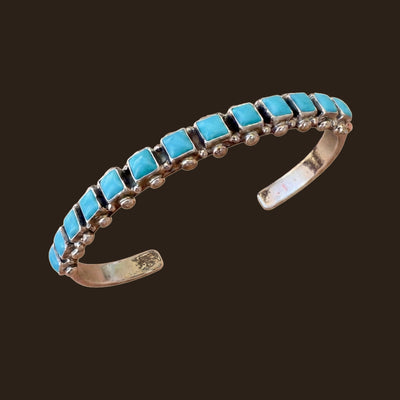
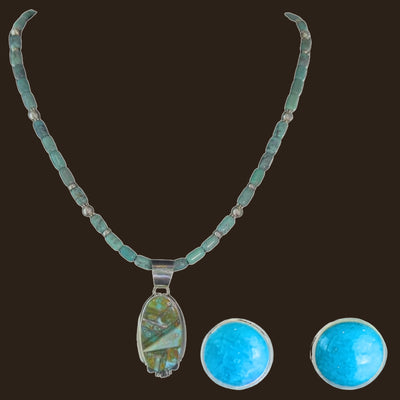
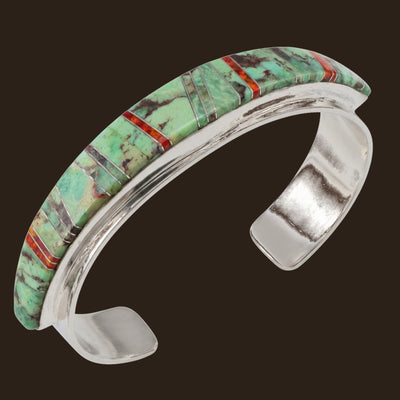
A quality cabochon deserves a setting that matches its integrity. We pair our stones with heavy-gauge sterling silver to create jewelry that feels substantial and grounded. Every bezel is hand-cut and perfectly fitted to the stone’s unique footprint. Kimberly Cordova leads this curation in our Santa Fe studio, selecting stones for their visual movement and character. The lapidary work performed by Greg Cordova ensures the stones are cut to heights that allow for a secure, clean bezel wall. Whether it is a simple pair of turquoise stud earrings or a complex cuff, the focus remains on the marriage of metal and mineral.
Care and Longevity for Your Collection
Stabilized turquoise is remarkably resilient, but it still benefits from thoughtful care. Because the resin has already filled the stone's pores, you don't have to worry about the dramatic color shifts from skin oils that affect untreated stones. However, you should still avoid harsh chemicals, perfumes, or ultrasonic cleaners. A gentle wipe with a soft cloth and mild soap and water is all you need to keep the silver and stone looking their best. For a deeper look at maintaining your pieces, our care and repair guide offers specific studio tips for both silver and stone. Understanding the technical reality of your jewelry helps you appreciate why these pieces are built to last for generations.
Choosing Your Next Piece with Confidence
A piece of jewelry should be more than a stone in a setting. It is a quiet narrative of the earth and the artist. Stabilization remains a functional choice that ensures your turquoise stays as vibrant as the day you bought it. Whether you choose a rare, natural specimen for a collection or a durable, hand-cut cabochon for daily wear, the real worth lies in the honesty of the studio. We believe that understanding what is stabilized turquoise and is it valuable allows you to shop without the fear of overpaying or being misled. Value is not just a price tag. It is the peace of mind that comes with quality materials and expert lapidary work.
Every stone in our studio is hand-selected by Kimberly Cordova for its unique matrix and movement. Greg Cordova handles the lapidary work with a focus on structural integrity, ensuring each stone is ready for a life of wear. We use only high-quality sterling silver and guaranteed authentic materials. No mystery metals. No shortcuts. Just small batch, artisan-made jewelry that honors the mineral's origin. We hope this knowledge helps you find a piece that feels right for your collection.
Explore our curated collection of handcrafted turquoise jewelry today.. We look forward to helping you find a piece that speaks to your own story.
Frequently Asked Questions
Is stabilized turquoise considered real turquoise?
Stabilized turquoise is 100% genuine mineral that has been pressure-treated with clear resin to improve its structural integrity. It is not a synthetic imitation or a "block" stone made from dust and plastic. This process simply allows lapidaries to work with softer material that would otherwise be too brittle to cut. Because it is a real stone from a documented mine, it remains a standard choice for high-quality Southwestern style jewelry.
Does stabilized turquoise change color over time?
Stabilized turquoise will not change color because the resin fills the stone's pores and creates a permanent seal. Unlike natural stones that absorb skin oils, perfumes, and lotions, treated stones are color-locked and stay vibrant for decades. This makes them a practical choice for pieces you plan to wear every day. You won't have to worry about your favorite sky-blue ring turning a muddy green after a few years of use.
Can I shower with my stabilized turquoise jewelry?
You should avoid wearing your jewelry in the shower to protect the sterling silver and the stone's polished finish. While the stabilization process makes the stone water-resistant, constant exposure to soaps and hair products can dull the luster of the cabochon over time. It is always better to remove your pieces before bathing or swimming. This simple habit preserves the hand-cut detail and prevents the silver from tarnishing prematurely in a humid environment.
How can I tell if my turquoise is natural or stabilized?
Telling the difference often requires a trained eye, though color consistency and price are the most common indicators. Natural stones often show subtle color shifts and can feel cooler to the touch, while stabilized pieces have a very uniform, locked-in appearance. If you are wondering what is stabilized turquoise and is it valuable, remember that natural stones usually cost ten times more per carat. Always ask for a written disclosure as required by New Mexico law.
Is stabilized turquoise less expensive than natural turquoise?
Stabilized turquoise is generally more affordable than natural, untreated material because it is more abundant. Since approximately 90% of the turquoise pulled from the ground is too soft to cut without treatment, natural high-grade stone is much rarer. This rarity drives the price of untreated specimens significantly higher for collectors. However, a stabilized stone still holds value when it is hand-cut by a lapidary like Greg Cordova and set in heavy sterling silver.
What happens if I drop a stabilized turquoise stone?
A dropped stone can still crack or chip, even though the stabilization process increases its hardness to about a 7 on the Mohs scale. The resin makes the stone much tougher than untreated "chalk," but it is not indestructible against impact on tile or concrete. If your stone does break, it's best to have a professional assess if it can be recut. We prioritize durability in our studio, but all gemstones require a gentle hand to last a lifetime.
Is all turquoise from the Kingman mine stabilized?
Not all Kingman turquoise is stabilized, but the vast majority of the mine's output undergoes this treatment to ensure it is wearable. While Kingman does produce some of the most famous natural "high blue" stones in the world, those specimens are rare and reserved for high-end artisan pieces. Most of the rough material is processed in autoclaves to provide a steady supply of durable stones. This allows us to offer a wide variety of mine-specific jewelry for different budgets.
Why do some people avoid stabilized turquoise?
Some collectors avoid stabilized turquoise because they prioritize the rarity and investment potential of untreated minerals. They view natural stones as a pure form of the gemstone that is more likely to appreciate in value over time. However, many jewelry wearers prefer stabilized stones for their resilience and consistent color. It really comes down to whether you are buying a piece for an investment portfolio or for the joy of wearing it every day without worry.

Article by
Kimberly Cordova
Kimberly Cordova is the founder and creative director of Wildflower, a handmade Turquoise and sterling silver jewelry brand based in Santa Fe. She built Wildflower around a simple belief: the best jewelry is the kind you actually reach for, not the kind you save for someday.
Kimberly designs pieces made by hand with a trusted circle of Santa Fe silversmiths, works alongside her husband Greg on in-house lapidary pieces cut from stones including the family's King's Manassa Mine in Colorado and White Buffalo Mine in Nevada, and sources finished work from artisan makers whose craft meets the same standard. The result is a collection with real range and no shortcuts on the stone, the silver, or the story behind either.
Her writing covers everything she has learned along the way: how Turquoise forms, how to tell natural from stabilized, what makes one mine different from another, how to read a bezel, and how to shop with confidence in a market that is not always straightforward. It is the kind of plainspoken information she wished someone had laid out for her when she was starting out.
Shop the Wildflower collection at wildflowerartisans.com, or find us on Etsy at wildflowersantafe.etsy.com. Questions about a stone, a setting, or a specific piece are welcome any time.
0 comments