

A piece of turquoise is more than just a splash of blue. It is a fragment of the high desert's long memory, held in place by silver that has been moved and shaped by a human hand. You might find yourself scrolling through endless listings of turquoise rings, feeling a nagging worry that the vibrant stone you see is actually dyed howlite or a mass-produced resin imitation. It is a common hesitation, especially when the market is flooded with mystery metals and stabilized stones that lack the character of the earth.
We want to help you move past that uncertainty and find a piece that truly resonates with your spirit. You will learn how to evaluate natural stones and handcrafted silver settings to find a turquoise ring that carries a genuine story. We will explore the nuances of the cabochon, the intricate beauty of a spiderweb matrix, and the durability of a well-crafted bezel. By the end of this guide, you will have the confidence to choose a piece that fits your personal style, alongside the knowledge of how to care for these handmade treasures so they remain as vibrant as the day they left the studio.
Key Takeaways
- Identify the essential parts of a handcrafted ring, from the smooth cabochon stone to the secure silver bezel that holds it in place.
- Distinguish between various mine origins to ensure you are investing in authentic turquoise rings that carry a genuine story.
- Verify the quality of your jewelry by checking for the .925 sterling silver hallmark and the unique maker's mark of the artisan.
- Compare the visual characteristics of different stones, such as the deep greens of King's Manassa and the high contrast of White Buffalo.
- Master the nuances of sizing and care, including why wider bands often require a slightly larger fit for daily comfort.
Understanding the Anatomy of a Handcrafted Turquoise Ring
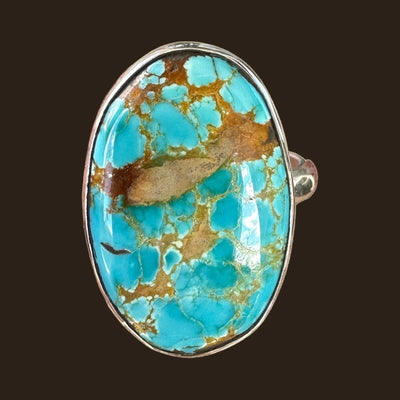
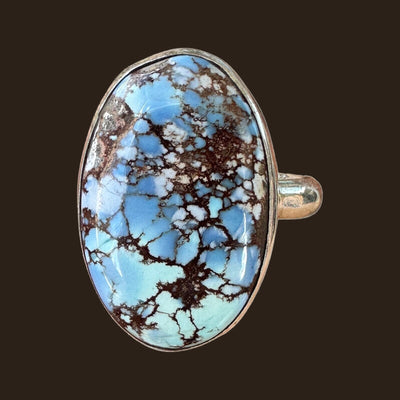
To choose a piece that resonates with your personal story, you must first understand how it is built. At the center of most turquoise rings is the cabochon. This is a stone that has been shaped and polished into a smooth, rounded form rather than being cut with facets like a diamond. Because turquoise is an opaque phosphate of copper and aluminium, its beauty relies on its surface color and texture rather than light refraction. Understanding turquoise mineral properties helps you appreciate why it is treated with such care in the studio. Each stone is a small batch creation of nature, often displaying a matrix of host rock that serves as a unique fingerprint.
To better understand how to spot a genuine piece from the earth, watch this helpful video on identifying real stones:
Unlike mass-produced cast jewelry, where a machine pours metal into a pre-made mold, handcrafted pieces are built around the specific stone. An artisan-made ring is a one-of-a-kind construction. In our Santa Fe studio, we see the difference daily. A cast ring often feels hollow or light, while a handmade silver setting has a grounded weight. This process ensures that the silver follows the natural, often asymmetrical, curve of the stone's origin.
The Role of the Bezel and Setting
The bezel is the thin silver rim that wraps around the cabochon to hold it in place. You will see two main styles: smooth and serrated. A smooth bezel offers a clean, minimalist look, while a serrated bezel has small teeth that add a decorative edge. In high-quality work, the bezel is hand-pressed tightly against the stone. This physical tension is what secures the gem. Commercial settings often rely on hidden glue, which eventually fails. A well-made bezel protects the edges of the turquoise from daily impact and ensures the piece lasts for generations. It is the marriage of form and function.
Matrix Patterns and Visual Texture
The matrix is the web-like pattern of host rock seen within the turquoise. These variations are caused by minerals like iron, which creates brown or golden tones, or copper, which often results in black or gray lines. These patterns are generally categorized into three types:
- Spiderweb: Fine, thin lines that crisscross the stone in a delicate web.
- Calico: Larger, more irregular patches of host rock.
- Water Web: Soft, rippling patterns that look like light reflecting on a pool.
When evaluating turquoise rings, look for stones where the matrix is flush with the polished surface. If the matrix feels pitted or recessed, it may indicate a lower-grade stone or one that hasn't been finished with a master's eye. A smooth, even finish is the hallmark of a stone that has been cut and polished with intention.
Comparing Natural Stones and Mine Origins
The color of a stone tells the story of the earth it came from. When you look at turquoise rings, you're seeing the specific mineral composition of a single geographic point. Natural stones are those that have reached the studio exactly as they were pulled from the ground. They haven't been stabilized by resins or altered by chemical dyes. This purity is what many collectors seek, as it preserves the authentic texture and nuance of the material. Evaluating turquoise quality often begins with understanding these raw, untreated characteristics.
Kingman turquoise from Arizona is perhaps the most recognizable for its bright, sky-blue hues. Compare this to the deep, mossy greens of King's Manassa from Colorado, and you'll see how varied this mineral can be. White Buffalo stones offer a different kind of beauty. It is technically a distinct mineral, not turquoise. Ours comes from our family's claim at the White Buffalo mine near Tonopah, Nevada, and its stark white surface and black matrix create a high-contrast look that is rare and highly sought after. These visual differences are reflections of the copper, iron, and aluminum levels present in the soil millions of years ago. Finding a stone that matches your energy is part of the joy of collecting.
The Significance of Mine Specificity
Knowing the mine of origin adds a layer of provenance to your jewelry. Collectors often look for mine-specific pieces because each location produces a distinct visual signature. Royston turquoise is famous for its swirling greens and heavy brown matrix, while the now-closed Sleeping Beauty mine produced the clear, "robin's egg" blue that defined an era of Southwestern style. Carico Lake stones are prized for their unique apple-green color. You can explore these differences in detail in our stone origins guide to see which landscape speaks to you.
The Skill of the Lapidary
A stone only reveals its full character under the hand of a master lapidary. This artisan must look at a piece of rough rock and decide exactly where to cut to highlight the best matrix or the most vibrant pocket of color. Greg Cordova cuts many of the stones we use in our studio, bringing decades of experience to every cabochon. His work ensures that the natural beauty of the stone is the focal point of the design. For those who want to see the raw materials before they are set into silver, you can view Greg Cordova's lapidary work at his dedicated site. If you're ready to see these finished stones in person, you might enjoy browsing our collection of artist-made pieces.

Evaluating Sterling Silver Craftsmanship and Settings
When you hold a piece of quality jewelry, the weight of the metal speaks first. Authentic Southwestern style pieces are built with solid .925 sterling silver. This is the professional standard because it balances the softness of pure silver with the strength of alloyed metals, ensuring your turquoise rings can withstand the bumps of daily life. Avoid "mystery metals" or plated options often sold as "SilveryCopper." These base metals can irritate the skin, turn your finger green, or simply degrade over time. Solid sterling silver is a living metal; it develops a character of its own as you wear it.
Always check the interior of the band for quality markers. A genuine piece will carry a '925' stamp, but a truly artisan-made ring often features a second mark: the artist hallmark. This signature is a source of pride for the maker. It distinguishes a small batch, hand-forged piece from a mass-cast shank that was popped out of a mold. A hand-wrought band is hammered and filed into its final shape, resulting in a denser, more durable structure than a cast ring. You can feel this difference in the balance of the piece on your hand.
Artisan Details and Finishing
Artisans use specific techniques to tell a story through the silver work. Stampwork involves using handmade steel punches to press intricate patterns into the metal. You might also see wire wrapping or silver raindrops, which are small, molten beads of silver carefully soldered onto the setting. To highlight these details, we often apply a patina. This intentional darkening of the silver's recessed areas creates a visual depth that mirrors the ancient Turquoise History and Lore found throughout the Southwest. The interior finish should be smooth and polished, ensuring the ring feels as good as it looks.
Sourced vs. In-House Creations
In our Santa Fe studio, we take two paths to bring these treasures to life. Some pieces are created entirely in-house. For these, Greg Cordova cuts the stone from rough material, and Kimberly designs the setting to match that specific cabochon's shape. Other pieces are sourced. These are curated from a small circle of trusted Southwestern artisans whose work meets our strict standards for material and craftsmanship. Whether a piece is an in-house original or a curated find, we ensure the silver is solid and the stone is exactly what we claim it to be. If you already own a piece that needs attention, you can learn more about our care and repair services. We believe every piece of Southwestern style jewelry should be built to last a lifetime.
Standout Designs in the Wildflower Ring Collection
Every stone we select suggests its own destiny. Some call for a quiet setting that lets a single cabochon speak, while others demand a chorus of silver and stone. In our Santa Fe studio, you'll find turquoise rings that range from subtle daily companions to pieces that command the room. We believe a ring should be more than an accessory; it's a small piece of sculpture that travels with you throughout your day. Choosing a design is a personal process that involves finding a balance between the weight of the silver and the vibrancy of the stone's color.
Whether you're drawn to the bright blues of a Kingman solitaire or the dark, moody matrix of a Royston cluster, each piece is finished with intentional care. We don't believe in mass-producing a look. Instead, we let the natural asymmetrical shape of the stone guide the silver work. This ensures that every piece in our collection remains as unique as the person who wears it.
Solitaire and Minimalist Rings
A single, high-quality stone can easily anchor a simple sterling band. These minimalist designs are ideal for those who prefer an everyday look or are just beginning to build a collection of Southwestern jewelry. We focus on the quality of the bezel and the comfort of the shank. Many of our smaller rings feature a split-shank band. This design divides the silver as it meets the stone, which increases the surface area against your skin. It provides better stability and prevents the ring from sliding side to side during wear. It's a practical detail that ensures your stone stays front and center, even during a busy day. These pieces are often part of our Everyday Essentials, designed for comfort and longevity.
Statement and Cluster Rings
If you want a piece with significant visual impact, cluster rings are the answer. These designs reflect a traditional Southwestern aesthetic where multiple stones are arranged in a specific composition, often resembling a flower or a starburst. They frequently feature hand-stamped details and silver raindrops that fill the spaces between the gems. We also offer several pieces featuring White Buffalo stone. Its stark white color and black matrix provide a modern, monochrome aesthetic that stands out against the traditional blue and green varieties. These larger pieces are often the heart of our one-of-a-kind collection. Each one is built around the specific dimensions of the stones Greg cuts, ensuring the proportions are perfect for the hand.
To see our current availability and find a piece that speaks to your style, you can browse our full collection of turquoise rings today.
Choosing Your Size and Caring for Your Ring
Finding the perfect fit for your turquoise rings is the final step in bringing a piece home. Your finger size changes throughout the day based on temperature and activity. We recommend measuring your finger at the end of the day when it is typically at its largest. This ensures the band won't feel restrictive when you are most active. Because many Southwestern designs feature wider bands, you should consider choosing a half-size larger than your standard measurement. A wide band covers more surface area on the finger, creating a tighter feel than a thin, minimalist wire. It's a small adjustment that makes a significant difference in how the piece wears over time.
Finding the Right Fit
For the most accurate results, use a professional metal ring sizer rather than a paper strip or string. Handmade rings are built with intention around a specific stone, which makes them difficult to resize once the bezel is set. Applying heat to the silver to adjust the band size can damage or discolor a natural stone. Every listing in our studio includes specific size notes to help you decide. If you are between sizes, the larger option is usually the most comfortable for daily wear. We want your ring to feel like a natural extension of your hand, not a burden.
Long-Term Care for Natural Stones
Turquoise is a porous mineral that can absorb oils, soaps, and perfumes. This absorption can gradually change the color of the stone, moving it toward a darker green or dulling its luster. To prevent this, keep your jewelry away from harsh chemicals and avoid wearing it while swimming or showering. Never use ultrasonic cleaners or steamers on turquoise rings. These machines use vibrations and heat that can fracture the delicate structure of the stone or loosen the hand-pressed bezel. A gentle approach is always best for artisan-made jewelry.
For maintenance, use a soft polishing cloth on the sterling silver portions only. Avoid rubbing the stone itself with the cloth, as some polishing compounds can be abrasive. If your piece needs a deeper cleaning or a professional check of the setting, visit our care and repair page for long-term maintenance advice. Taking these small steps ensures your artisan piece remains a vibrant vessel for your story for years to come. Proper care honors the work of the lapidary and the silver smith alike.
Carrying a Piece of the High Desert
You've now gained the tools to look past the surface of a polished stone and see the hand of the maker. From understanding the grip of a hand-pressed bezel to recognizing the unique matrix of a specific mine, you can choose a piece that is truly authentic. Remember that natural turquoise is a living material that requires a gentle touch to maintain its character over the years. Solid sterling silver and genuine stones are investments in a story that began long before the metal was forged in our Santa Fe studio. Whether you're drawn to a minimalist solitaire or a bold cluster, your choice should reflect the grounded beauty of the Southwest.
Finding a piece that resonates with you is a discovery of both art and nature. We invite you to browse our full collection of handcrafted turquoise rings to find your next piece. Every selection is guaranteed to be artist-made with the highest standards of craftsmanship and materials. If you prefer to shop on a different platform, you can also explore our work at the Wildflower Etsy shop. We look forward to helping you find a ring that carries your story for a lifetime.
Frequently Asked Questions
How can I tell if a turquoise ring is real?
You can identify genuine turquoise by looking for natural variations in the stone's color and the presence of a mineral matrix. Real stones are cold to the touch and won't melt or smell like burning plastic when tested with a hot needle. Authentic turquoise rings are typically set in solid sterling silver and feature a hand-pressed bezel rather than a stone that has been glued into a pre-cast mold. Check the back of the band for an artist's hallmark as an additional sign of artisan craftsmanship.
What is the difference between blue and green turquoise?
The color of the stone is determined by the minerals present in the soil during its formation. Copper creates the vibrant blue hues seen in Kingman or Sleeping Beauty stones, while iron or aluminum results in the deep greens characteristic of the Royston or King's Manassa mines. Both colors are natural and authentic. The choice between them is a matter of personal style and the specific story of the landscape where the stone was found.
Can turquoise rings be worn every day?
You can wear your ring daily if the setting is designed to protect the stone from impact. Turquoise is a relatively soft mineral, measuring between 5 and 6 on the Mohs scale, so it's prone to scratching if it hits a hard surface. It's a good habit to remove your jewelry before doing heavy manual labor, gardening, or using household chemicals. This ensures the hand-cut cabochon stays secure in its bezel and retains its polished finish.
What makes White Buffalo stones different from turquoise?
White Buffalo is technically a distinct mineral, often classified as a type of calcite or magnesite, because it lacks the copper that gives turquoise its blue color. Ours comes from our family's claim at the White Buffalo mine near Tonopah, Nevada, and it is prized for its stark white surface and dark, webbed matrix. Because it's found in the same regions and shaped by the same lapidary processes, it's a staple in Southwestern style jewelry. It offers a modern, monochrome look that complements traditional blue stones.
How should I clean my sterling silver and turquoise ring?
Clean your ring by using a dry, soft polishing cloth on the silver portions only. Don't use ultrasonic cleaners, steamers, or chemical dips, as these can permanently damage the stone. Turquoise is a porous material that can absorb oils, soaps, and perfumes, which often leads to a shift in color over time. Keeping the stone dry and away from harsh liquids is the best way to maintain its natural luster and vibrancy for a lifetime.

Article by
Kimberly Cordova
Kimberly Cordova is the founder and creative director of Wildflower, a handmade Turquoise and sterling silver jewelry brand based in Santa Fe. She built Wildflower around a simple belief: the best jewelry is the kind you actually reach for, not the kind you save for someday.
Kimberly designs pieces made by hand with a trusted circle of Santa Fe silversmiths, works alongside her husband Greg on in-house lapidary pieces cut from stones including the family's King's Manassa Mine in Colorado and White Buffalo Mine in Nevada, and sources finished work from artisan makers whose craft meets the same standard. The result is a collection with real range and no shortcuts on the stone, the silver, or the story behind either.
Her writing covers everything she has learned along the way: how Turquoise forms, how to tell natural from stabilized, what makes one mine different from another, how to read a bezel, and how to shop with confidence in a market that is not always straightforward. It is the kind of plainspoken information she wished someone had laid out for her when she was starting out.
Shop the Wildflower collection at wildflowerartisans.com, or find us on Etsy at wildflowersantafe.etsy.com. Questions about a stone, a setting, or a specific piece are welcome any time.


0 comments