

What if the silver circling your wrist was less of a fashion choice and more of a quiet, weighted conversation between the earth and the artist? Many collectors feel a deep pull toward the raw beauty of Southwestern style, yet the fear of ending up with a mystery metal or a piece of dyed howlite often stalls the heart. You deserve to know that the piece you choose is as authentic as the high-desert landscape that inspired it.
This guide helps you move past that uncertainty so you can confidently select Native American cuff bracelets that reflect true craftsmanship. We will show you how to evaluate the quality of a silver bezel, identify genuine stones from specific mines, and find your exact fit without the guesswork of a bangle. By the end, you will understand the difference between a mass-produced item and an artisan-made treasure that honors its own natural narrative.
Key Takeaways
- Learn to identify quality markers like heavy gauge sterling silver and hand-set bezels that ensure structural integrity and long-term comfort.
- Distinguish between the deep greens of King’s Manassa and the stark contrast of White Buffalo stone to find a cabochon that fits your aesthetic.
- Master simple measurement techniques to find your perfect size for Native American cuff bracelets, including how to determine the ideal gap for your wrist.
- Understand what spiderweb matrix patterns reveal about a stone's origin and how to spot authentic artisan-made details.
- Explore the functional differences between slim everyday stackers and bold statement pieces to select a cuff that suits your lifestyle.
Evaluating Quality in Native American Cuff Bracelets and Southwestern Jewelry
Holding a piece of silver should feel like holding a piece of the earth's history. When you pick up high-quality Native American cuff bracelets, there is a distinct, grounding weight that mass-produced items simply cannot replicate. Small batch, artisan-made jewelry relies on the physical integrity of the metal rather than the hollow efficiency of a factory mold. It's a difference you can feel the moment the silver touches your skin.
Authentic Southwestern style often begins with heavy gauge sterling silver. While commercial pieces might use thin sheets that bend under the slightest pressure, a handcrafted cuff is built to endure. This durability is deeply rooted in the history of Native American jewelry, where silver was treated as both a canvas and a protective vessel for rare stones. We avoid mystery metals or plated finishes because they lack this permanence. Instead, look for the subtle irregularities of hand-stamped details. These marks show the strike of a hammer rather than the sterile precision of a machine press. With the spot price of silver reaching over $76 per ounce in May 2026, a substantial sterling piece is a significant investment in both material and craft.
To see the tactile details of a hallmarked piece in motion, watch this studio overview:
The Weight of Authenticity
The gauge of the silver is one of the most reliable markers of quality. In our Santa Fe studio, we prioritize thickness because it affects how the piece sits against your wrist and how it retains its shape over years of wear. A substantial weight usually indicates that the artist used a lower gauge number (which means thicker metal) to provide a sturdy foundation for the stone. You should also run your thumb along the inner band. A quality cuff is polished to a smooth, comfortable finish on the inside, ensuring there are no sharp edges or rough casting marks left behind. It's about finding beauty in the structural integrity of the work.
Hallmarks and Maker Marks
Every intentional piece of jewelry carries a signature. Look for the .925 stamp, which confirms the metal is sterling silver. Beyond the metal purity, artist hallmarks provide a window into the piece's origin. These small stamps or initials document the lineage of the work and help collectors identify specific creators. When you explore our one of a kind collection, you'll notice these markers of hand-applied care. Researching these marks is a practical way to ensure you're investing in a genuine artisan piece rather than a generic replica. Authentic work will always prioritize the integrity of the material, so avoid stones like dyed howlite which are often used in lower-quality jewelry to mimic the look of natural turquoise.
The Anatomy of a Quality Sterling Silver Cuff
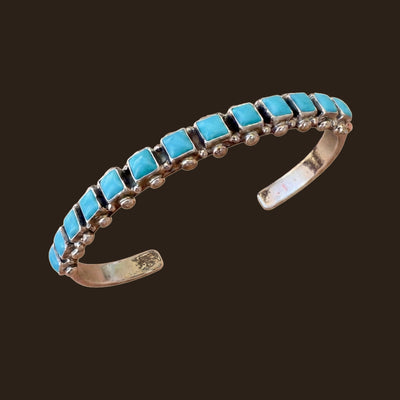
A quality cuff is more than a band of silver; it's a structural home for a stone. The bezel is the most critical part of this architecture. In our Santa Fe studio, we use a hand-fitted bezel to wrap tightly around a cabochon. This creates a mechanical bond that doesn't rely on excessive adhesives, which are common in mass-produced items. Whether it's a smooth bezel for a clean look or a serrated edge for added texture, the goal is security and longevity. This level of craftsmanship is what distinguishes authentic Native American cuff bracelets from factory replicas that often fail under daily wear.
When you look at natural turquoise, you see the history of the earth written in the matrix. Spiderweb patterns occur when the turquoise fills small cracks in the host rock, creating a delicate, dark network across the blue or green surface. Because these patterns are unique to each stone, the silverwork must be designed to follow the stone's lead. The silver architecture supports the stone while allowing the band just enough flexibility to be put on without stressing the setting. Understanding these technical details helps you navigate the market with confidence. The Indian Arts and Crafts Act provides a legal framework to protect buyers from misrepresentation, but recognizing quality construction is your best defense against lower-quality Southwestern style jewelry.
Lapidary Excellence and Stone Cutting
The journey of a cuff often begins at the lapidary wheel. We believe that the way a stone is shaped determines the comfort of the final piece. Hand-cutting stones to fit a specific silver design is a labor-intensive process that ensures a seamless fit. When we use lapidary work by Greg Cordova, we know the cabochon has been cut to highlight the best of the matrix while maintaining a profile that won't snag or feel bulky. A well-proportioned stone makes the bracelet feel like a natural extension of your arm rather than an awkward weight.
Silverwork Techniques in our Santa Fe Studio
In our studio, Kimberly designs each piece to highlight the specific character of the stone. We use traditional techniques like stamping and repousse to create texture and movement in the metal. Stamping involves using hand-carved steel tools to strike patterns directly into the silver, while repousse is the process of hammering the metal from the back to create a raised relief. To add depth to these patterns, we use a controlled oxidation process that darkens the recessed areas. This contrast makes the silverwork pop and gives the piece its distinctive character. If you're ready to find a piece that speaks to you, you can explore our handcrafted cuffs and bangles to see these techniques in practice.

Choosing Your Stone: From King’s Manassa to White Buffalo
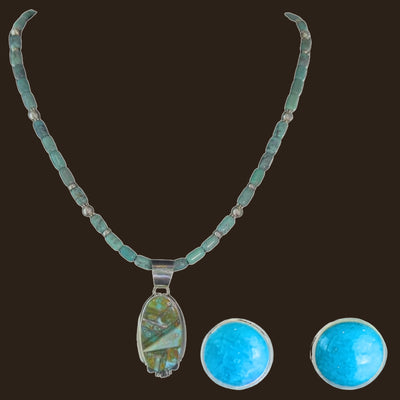
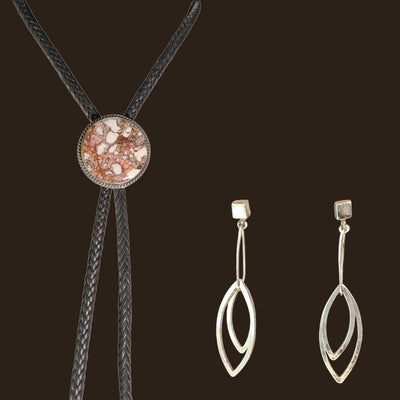
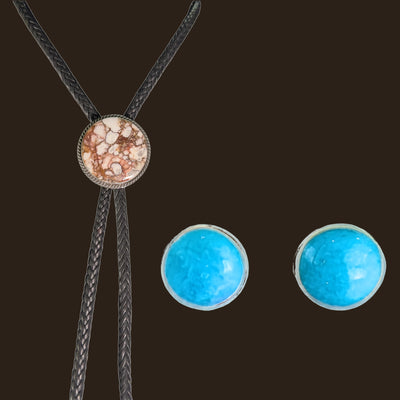
The stone is the soul of the piece. Selecting a cabochon for Native American cuff bracelets is an exercise in finding a fragment of the earth that mirrors your own story. Each mine offers a distinct palette that dictates the mood of the jewelry. King’s Manassa turquoise, sourced from the historic mountains of Colorado, is cherished for its rich, forest greens and striking golden matrix. It feels grounded and rooted in the landscape. In contrast, White Buffalo stone jewelry provides a sharp, modern clarity. Its stark white surface and deep black chert matrix create a dramatic visual that stands out against sterling silver.
Choosing between natural and stabilized stones is a matter of both lifestyle and intention. Natural turquoise remains untreated; it's exactly as it was pulled from the earth. Because it's porous, it can subtly change color over decades as it absorbs oils from your skin, a process many collectors view as a beautiful evolution of the piece. Stabilized stones have been infused with a clear resin to increase their hardness and durability. This makes them a practical choice for daily wear if you have an active lifestyle. However, for those seeking a true heirloom, natural stones represent the pinnacle of rarity in Southwestern style.
The Story of the Mine
Mine-specific turquoise is highly valued because many of the most famous locations are now closed or produce very little material. When a mine stops producing, the stones already in circulation become finite treasures. You can explore our detailed guide to stone origins to see the specific characteristics of mines like Royston or Sleeping Beauty. In our Santa Fe studio, we often feature lapidary work by Greg Cordova to ensure the stones are cut to preserve their natural narrative. Finding untreated, natural turquoise in the modern market requires a discerning eye, as high-grade material is increasingly rare.
Color and Texture Preferences
Your choice of stone should harmonize with your wardrobe and your environment. Bright, clear blues often feel like everyday essentials, pairing easily with casual denim or summer whites. Darker turquoise with a heavy matrix or the striking contrast of White Buffalo can anchor a more formal, sophisticated look. Consider how light affects the stone's appearance. A cabochon with a deep spiderweb matrix might look subtle in a dim room but reveal incredible complexity under the high-noon sun. There is no wrong choice. Some prefer the quiet elegance of a clear stone, while others find beauty in the asymmetrical, organic patterns of a heavy matrix.
How to Find Your Perfect Fit and Size
A cuff should feel like a second skin, a weighted reminder of the artisan's hands and the quiet desert mornings where it was shaped. When selecting Native American cuff bracelets, the most common mistake is guessing. Because sterling silver has a specific tensile strength, a cuff is not meant to be a one-size-fits-all accessory. It's a structured piece of art. Getting the fit right ensures that the stone stays centered and the silver doesn't pinch or rotate uncomfortably during your day. Unlike a bangle that must slide over your hand, a cuff is designed to slip over the narrowest part of your wrist, just above the bone.
Finding that balance requires understanding the relationship between the inner circumference of the metal and the gap. The gap is the open space between the two ends of the silver. If the gap is too wide, the piece might feel insecure and risk falling off. If it's too narrow, you'll struggle to put it on, which can eventually fatigue the metal. For wide statement cuffs, a more precise fit is necessary because the silver covers more surface area and won't be as forgiving of a mismatched size as a slim stacker might be.
The Three-Step Measurement Process
Start by wrapping a flexible measuring tape or a simple piece of string around your wrist, exactly where you plan to wear the bracelet. Mark where the ends meet and measure that length against a ruler to find your foundational circumference. Next, consider your preference for movement. A snug fit is ideal for pieces with large cabochons to prevent them from sliding. If you prefer a bit of play, add about 1/4 inch to your total. Finally, compare your number to the measurements in our descriptions. A cuff with a 5.25 inch interior and a 1 inch gap is designed for a 6.25 inch wrist. Always ensure your total wrist measurement matches the sum of the inner circumference and the gap.
Adjusting and Caring for Your Cuff
Once your piece arrives, you might feel the urge to squeeze the silver for a tighter fit. You must be gentle. Never bend the silver at the center point where the stone is set. Putting pressure on the stone's housing can loosen the bezel or even crack a natural stone. If you need a minor adjustment, place the cuff in the palm of your hand and use your thumb to apply very slight pressure to the ends of the silver arms only. This preserves the structural integrity of the piece. For long-term maintenance, follow our best practices for caring for your sterling silver jewelry to keep the silver bright and the oxidation looking intentional. If a piece requires a significant size change, it's always safer to consult a professional studio rather than risking the silver's memory by over-bending. If you're ready to find your next heirloom, you can browse our collection of artisan-made cuffs to see our current sized offerings.
Standout Pieces from the Wildflower Collection
Choosing between different styles of Native American cuff bracelets often comes down to how you move through the world. If you're just beginning your journey into Southwestern style, slim everyday stackers offer a gentle entry point. These pieces are designed for comfort and versatility, allowing you to layer different textures or stones without feeling weighed down. For those who want the jewelry to be the center of the conversation, bold statement cuffs featuring large, one-of-a-kind cabochons provide a dramatic anchor for any outfit. The weight of the silver in these larger pieces serves as a grounding reminder of the artisan's handiwork.
Our collection also explores the intersection of tradition and modern artisan aesthetics. We often incorporate mixed metals or heavily textured silver to highlight the natural irregularities of the stones. When pairing a new cuff with your existing rings or necklaces, look for common threads in the matrix or the silver finish. A cuff with a heavy spiderweb matrix might pair beautifully with a simple sterling silver band; a clean, bright blue stone can balance a more intricate necklace. The goal is to create a cohesive look that feels personal rather than over-styled.
Curated for the Collector
In our Santa Fe studio, Kimberly curates every piece with a focus on narrative and character. Many of our one-of-a-kind pieces feature lapidary work by Greg Cordova, ensuring that each stone is cut to its best advantage within the bezel. Small batch production means that once a piece is gone, it can't be exactly replicated. This ensures your jewelry remains as unique as the stone it holds. There's a specific, tactile satisfaction in wearing a hand-finished sterling silver band that's been polished and smoothed to fit the human form comfortably. We believe that authentic Native American cuff bracelets should feel like they've always belonged on your wrist.
Start Your Collection Today
Whether you're looking for a gift-ready essential or a personal heirloom, we invite you to explore our work. You can browse our full selection of artisan-made cuffs and bangles to find a piece that resonates with your personal style. To see our most recent studio releases, you can view our new arrivals which are updated as pieces come off the bench. Join our community of collectors for updates on studio stories and fresh finds from the heart of Santa Fe. We're here to help you find a piece that honors the natural beauty of the Southwest.
Choosing Your Next Heirloom
Selecting a piece of jewelry from the Southwest is about finding a balance between weight, stone origin, and physical comfort. You now understand how to look for the structural markers of quality and how to measure for a fit that feels secure. Native American cuff bracelets are more than adornment; they're a connection to the landscape and the maker. It's a choice that honors both the earth and the hands that shaped the silver.
In our Santa Fe studio, every creation is rooted in transparency. We use only guaranteed authentic sterling silver and natural turquoise. Greg Cordova hand-cuts each stone to highlight its unique matrix; Kimberly designs the silver architecture to ensure a lifetime of wear. This commitment to small batch, artisan-made work ensures your piece remains a distinct treasure. We don't believe in cutting corners when it comes to the integrity of the materials.
Browse our collection of artisan-made cuffs and bangles to find your next heirloom. We invite you to join our community of collectors who appreciate the intentional craft behind every hammer strike. We look forward to sharing our latest studio works with you and helping you find a piece you'll cherish for years.
Frequently Asked Questions
How do I know if a Native American style cuff bracelet is authentic?
Authenticity is verified through hallmarks and the structural integrity of the piece. Look for a .925 stamp to confirm the metal is sterling silver and an artist's hallmark, which acts as a professional signature. High-quality Native American cuff bracelets feature hand-cut stones and bezels that wrap tightly around the cabochon. Avoid pieces where stones appear glued into place or where the silver feels thin and easily bent, as these are markers of mass production.
Can I adjust the size of my turquoise cuff bracelet at home?
You can make minor adjustments to a cuff at home, but you must only bend the side arms. Never apply pressure to the center of the bracelet where the stone is set, as this can crack the cabochon or loosen the bezel. If the piece requires a significant change in shape, it is best to seek professional help. Over-bending can fatigue the sterling silver and eventually cause the metal to snap at the stress point.
What is the difference between a cuff and a bangle?
The primary difference lies in how you put the jewelry on and how it sits on the arm. A cuff has an opening or gap that allows it to slip directly over the narrow part of your wrist bone. A bangle is a continuous, solid circle that must be large enough to slide over your widest knuckles. Cuffs generally offer a more tailored fit and are easier to wear if you prefer your jewelry to stay centered rather than sliding up and down the arm.
How should a cuff bracelet fit on my wrist?
A well-fitted cuff should sit comfortably above your wrist bone without rotating or pinching the skin. It should be snug enough that the stone remains centered on top of your arm but loose enough that you can slide one finger between the silver and your skin. The gap should be wide enough to slip on easily but narrow enough that the bracelet feels secure. When sized correctly, Native American cuff bracelets shouldn't feel heavy or restrictive during daily movement.
Why is some turquoise more expensive than others?
Pricing is determined by the rarity of the mine, the stone's grade, and whether it is natural or stabilized. Natural turquoise from closed mines like Sleeping Beauty is more expensive because the supply is finite and the material is untreated. Stones with intricate spiderweb matrix patterns or rare color variations also command higher prices. High-quality lapidary work, such as pieces featuring stones cut by lapidary Greg Cordova, adds value due to the skill required to preserve the stone's narrative.
Is it safe to wear my turquoise cuff every day?
It is safe to wear your cuff daily, provided you take a few simple precautions to protect the materials. Sterling silver is durable, but natural turquoise is a porous stone that can absorb oils, perfumes, and household chemicals. Remove your jewelry before swimming, showering, or applying lotion to preserve the stone's original color. With intentional care, a handcrafted piece will withstand years of regular use while developing a beautiful, natural patina on the silver surface.

Article by
Kimberly Cordova
Kimberly Cordova is the founder and creative director of Wildflower, a handmade Turquoise and sterling silver jewelry brand based in Santa Fe. She built Wildflower around a simple belief: the best jewelry is the kind you actually reach for, not the kind you save for someday.
Kimberly designs pieces made by hand with a trusted circle of Santa Fe silversmiths, works alongside her husband Greg on in-house lapidary pieces cut from stones including the family's King's Manassa Mine in Colorado and White Buffalo Mine in Nevada, and sources finished work from artisan makers whose craft meets the same standard. The result is a collection with real range and no shortcuts on the stone, the silver, or the story behind either.
Her writing covers everything she has learned along the way: how Turquoise forms, how to tell natural from stabilized, what makes one mine different from another, how to read a bezel, and how to shop with confidence in a market that is not always straightforward. It is the kind of plainspoken information she wished someone had laid out for her when she was starting out.
Shop the Wildflower collection at wildflowerartisans.com, or find us on Etsy at wildflowersantafe.etsy.com. Questions about a stone, a setting, or a specific piece are welcome any time.
0 comments