

Last Tuesday, a collector visiting our Santa Fe studio noticed a faint, cloudy scratch across the face of a high-grade Bisbee turquoise cabochon she had worn daily for three years. It's a heavy realization when a cherished piece shows the wear of a life well-lived. While we often think of stone as something permanent and unyielding, the mohs scale provides a different narrative, ranking minerals by their ability to withstand the quiet friction of the world. Understanding this scientific hierarchy is essential for anyone who collects handcrafted jewelry, as it dictates how a stone interacts with everything from household dust to the silver bezel that holds it.
You want to wear your jewelry with a sense of ease, yet the worry of damaging a soft stone like turquoise or variscite can feel restrictive. We'll help you move past that uncertainty by providing a practical look at mineral hardness to help you protect and cherish your collection. This guide, drawing on the lapidary expertise of Greg Cordova and Kimberly’s eye for curation, covers the vital difference between hardness and toughness. We'll explore safe cleaning methods for delicate matrices and identify which stones are best suited for the rigors of everyday wear.
Key Takeaways
- Learn the history of the mohs scale and how this ordinal ranking helps us identify and handle minerals in our Santa Fe studio.
- Understand the vital distinction between a stone's hardness and its toughness to prevent accidental chips or cracks in your jewelry.
- Gain practical insight into where Southwestern stones like turquoise rank so you can make informed decisions about your collection.
- Explore specific cleaning and storage methods designed to protect softer gemstones from being scratched by harder materials.
- Discover how Kimberly Cordova curates stones and uses secure bezels to balance natural beauty with long-term wearability.
Understanding the Mohs Scale in the Jewelry Studio
Dust settling on a workbench might seem harmless, but for a jeweler, it represents a microscopic threat to every finished piece. Much of this grit is composed of quartz, which sits at a 7 on the Mohs scale of mineral hardness. Friedrich Mohs developed this qualitative ordinal scale in 1812 to help mineralogists identify specimens based on their ability to scratch one another. It remains the standard for lapidaries and designers because it provides a practical guide for how a stone will behave in the real world. In our studio, Greg Cordova approaches every hand-cut stone with an understanding of these physical limits, ensuring that the material chosen matches the life of the wearer.
To better understand this concept, watch this helpful video:
The mohs scale is not a measure of how hard you can hit a stone with a hammer without it shattering. That quality is toughness or tenacity. Hardness refers specifically to scratch resistance. While a diamond is the hardest natural substance at a 10, it can still chip if struck at the right angle. Understanding this distinction is vital for anyone who values the longevity of their collection. We focus on these details to create pieces that are quietly timeless and structurally sound.
How Scratch Resistance is Measured
Why Hardness Matters to the Collector
For the collector, the mohs scale serves as a roadmap for jewelry care and maintenance. Stones that fall below a 7, such as turquoise or opal, require more intentional handling. Because quartz is a primary component of common house dust, any stone softer than a 7 can eventually lose its polished finish just from improper cleaning. Wiping a dusty, soft stone with a dry cloth can leave behind microscopic scratches that dull the surface over time.
When Kimberly Cordova curates our collections, she considers how the hardness of a cabochon dictates its final setting. Stones like turquoise (5-6) or variscite are better suited for low-impact pieces.
- Rings: These face the most daily friction and should ideally feature stones with a hardness of 7 or higher, or be protected by a heavy bezel.
- Earrings: These are rarely bumped or scratched, making them the perfect home for softer, more delicate minerals.
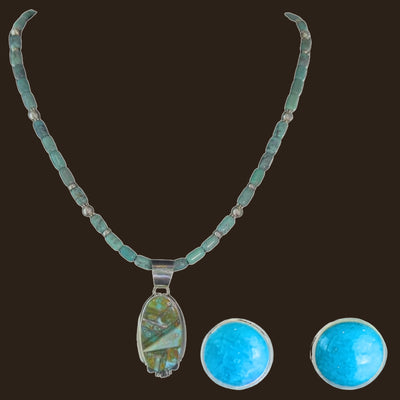
- Necklaces: Pendants sit against the body or clothing, offering a safe environment for stones with mid-range hardness.
By matching the stone to the jewelry type, we ensure the natural beauty of the material remains vibrant for years to come.
To find a piece that fits your lifestyle, browse our latest work at wildflowerartisans.com or visit the Wildflower Etsy shop for more of our handcrafted designs.
Where Common Southwestern Stones Rank on the Hardness Scale
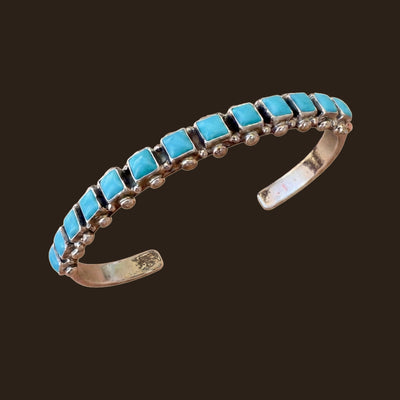
A tray of hand-cut cabochons resting on a jeweler's bench reveals a spectrum of color, but the mohs scale reveals their true character. In our Santa Fe studio, we balance the physical needs of the stone with the structural requirements of the silver. While a diamond sits at the peak of the scale with a rating of 10, the turquoise we handle typically falls between 5 and 6. This makes it durable enough for daily wear but soft enough to require a protective bezel setting. It is a common misconception that the metal provides the primary strength of a piece. Sterling silver actually ranks quite low, usually between 2.5 and 3 on the scale. This means the silver housing is technically softer than the stone it protects, which is why we focus so heavily on secure, intentional construction.
The density of a stone often dictates how it will age over decades of use. For a practical look at how these ratings compare to common objects like a copper penny or a steel file, the National Park Service Mohs Scale Guide offers a helpful baseline for understanding mineral resistance. When we select stones for our small batch collections, we look for specimens that feel substantial in the hand. A stone that is too porous or soft may not hold its polish over time, which is why understanding these numerical rankings is vital for any collector.
Turquoise and Its Variations
Not all turquoise is created equal. Greg Cordova, who sources and cuts our stones through CuttingEdgeTurquoise.com, selects material based on its natural density and silicate content. Soft, chalky turquoise often lacks the structural integrity for high-quality jewelry unless it is heavily treated. We prefer high-grade specimens that naturally hit that 5 to 6 range on the mohs scale. For instance, Sleeping Beauty turquoise is known for its consistent, clear blue but can sometimes be on the softer side of the spectrum. In contrast, certain veins of Kingman or Royston turquoise are incredibly dense and hard.
The matrix, or the host rock that threads through a cabochon, introduces another layer of complexity. If a stone features a heavy iron or quartz matrix, those specific areas might be harder than the turquoise itself. This creates a varied surface that requires a skilled hand during the polishing process. You can learn more about how these geological differences influence our designs by exploring our stone origins page. Kimberly Cordova curates these varied palettes to ensure that the visual story of the stone matches its physical durability.
White Buffalo and Wild Horse Magnesite
White Buffalo and Wild Horse are often sought after for their striking monochromatic and earthy tones, but they require different handling than standard turquoise. White Buffalo is primarily composed of dolomite or calcite, while Wild Horse is a magnesite. These minerals generally rank between 3.5 and 4.5 on the scale. Because they are softer than turquoise, they are more susceptible to scratches from everyday contact with harder surfaces.
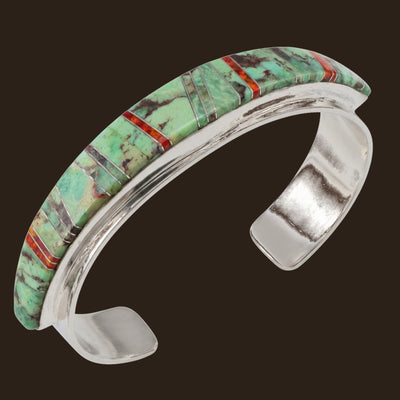
Wearing a White Buffalo ring or cuff requires a bit more mindfulness. We often design these pieces with thicker bezels or recessed settings to provide a buffer against the world. The goal is to create a piece that is quietly timeless while acknowledging the physical limitations of the mineral. If you plan to wear a magnesite stone in a ring, consider how often your hands come into contact with abrasive materials. These stones are beautiful and grounded, but they lack the quartz-like resilience of harder gems.
Explore our latest collection of handcrafted jewelry at wildflowerartisans.com to find a piece that speaks to you. You can also browse our curated selections and read customer stories on the Wildflower Etsy shop.
The Critical Difference Between Hardness and Toughness
Imagine a heavy steel hammer striking a clear diamond resting on an anvil. Most collectors assume the diamond survives because it sits at the top of the mohs scale. In reality, that diamond will likely shatter into a dozen sharp fragments. Hardness only measures how well a mineral resists being scratched by another object. It doesn't account for impact. We define a stone's resistance to chipping, cracking, or breaking as toughness, or tenacity. Understanding Gem Durability involves looking at the entire physical profile of a mineral, not just its surface resistance. A stone can be difficult to scratch but very easy to break.
Tenacity and Mineral Structure
The way atoms bond inside a crystal determines how it reacts to a sudden blow. Diamonds have perfect cleavage, which means they have specific internal planes where the atomic bonds are weaker. A strike at the right angle splits them instantly. This is the "brittleness" factor that often surprises new collectors. Conversely, nephrite jade ranks much lower on the mohs scale, usually between 6 and 6.5. However, jade is composed of a dense, felted web of interlocking fibers. This structure makes it incredibly difficult to break. While a diamond is hard, jade is tough. When we design a heavy cuff or a ring meant for daily wear, we have to consider these structural realities. A heavy blow against a door frame can damage a brittle stone regardless of its hardness ranking.
Stabilization and the Lapidary Process
Turquoise is a hydrous phosphate, and its structural integrity varies depending on how it formed in the earth. Much of the turquoise pulled from the ground is relatively soft and porous. This material can absorb skin oils or change color over time, and it often lacks the strength to survive the pressure of being set into a silver bezel. Greg Cordova at CuttingEdgeTurquoise.com evaluates the density and matrix of every stone before the cutting process begins. If a stone is too soft to be stable, it undergoes a process where clear resin is pressured into the pores.
This stabilization isn't about aesthetics or changing the color. It's a practical step that improves the workability of the stone. It allows a lapidary artist to create a durable, hand-cut cabochon that won't crumble under a jeweler's saw. While we value natural, untreated stones for their rarity, stabilized stones provide an accessible and sturdy option for Southwestern style jewelry that sees a lot of action. Kimberly Cordova then curates these finished stones, ensuring each one meets our standards for both visual character and physical durability. You can find more details on how to care for different stone types on our care and repair page.
Protecting Your Collection Based on Mineral Hardness
A crowded jewelry box is a landscape of potential collisions. When a diamond ring rests against a turquoise cuff, the harder stone acts as a silent blade against the softer one. This isn't just a theory. It's a physical reality governed by the mohs scale. Because diamonds sit at a 10 and turquoise typically ranges from 5 to 6, the diamond will inevitably leave its mark on the softer cabochon. Even common house dust presents a risk. Much of the grit found in our homes contains tiny particles of quartz, which ranks at a 7. If you wipe a soft stone with a dry cloth that has captured this grit, you are essentially sanding away its finish. We see these micro-abrasions often in the studio, and they can be avoided by simply respecting the mineral hierarchy.
Safe Storage Solutions
Isolation is the most effective way to preserve the integrity of your collection. We recommend using individual pouches or lined compartments for every piece. This prevents the clinking that leads to microscopic fractures and surface dulling. Soft, lint-free cloths are essential for a gentle wipe-down of sterling silver and stones after wear. These quietly timeless pieces deserve dedicated space to ensure they remain as vibrant as the day Kimberly Cordova first curated them. Keeping your jewelry separated doesn't just prevent scratches. It also keeps chains from tangling and silver from making unnecessary contact with air, which slows down the oxidation process. It's a simple habit that pays off in the long run.
Cleaning and Maintenance Tips
Preserving the luster of your stones requires a gentle hand and a bit of patience. You should avoid ultrasonic cleaners and harsh chemicals for any stone sitting below an 8 on the mohs scale. The high-frequency vibrations in an ultrasonic machine can shatter stones with internal inclusions or natural fractures. To polish sterling silver without abrading a set gemstone, use a treated polishing cloth only on the metal surfaces. Be careful to avoid the bezel and the stone itself. If a piece loses its shine or a setting feels loose, it is best to consult a professional for care and repair services. Our studio handles these delicate processes with the same precision Greg Cordova uses when hand-cutting a new cabochon. We prefer a mild soap and a soft-bristled brush for most cleaning tasks, as it's the safest way to maintain the stone's integrity without risk.
Explore our latest handcrafted designs at Wildflower Artisans or browse our full collection on Etsy.

Our Approach to Selecting and Setting Gemstones
Fine silver dust settles on the jeweler's bench in our Santa Fe studio as we sort through a tray of freshly cut turquoise. Choosing a stone is more than an aesthetic exercise. It is a calculation of physics and wear. Kimberly Cordova curates every mineral for our collections by looking at the interplay between color and the reality of the mohs scale. A beautiful stone is only as good as the setting that protects it from the world. We build pieces that are meant to be lived in, not tucked away in a velvet box.
Curation and Design Philosophy
We don't put delicate stones in high-impact places. Rings take the most abuse, so we reserve harder materials like jasper or high-grade turquoise for those pieces. For softer cabochons, we use heavy-gauge sterling silver to create a protective frame. This bezel setting wraps around the edges of the stone, shielding it from the inevitable bumps of daily life. When designing one-of-a-kind pieces, Kimberly considers the mineral's specific limits. A stone with a lower rating on the mohs scale might become a pendant, where it rests safely against the chest, rather than a ring that hits a granite countertop. Our goal is a quietly timeless design that honors the stone's origin while ensuring it lasts for decades.
The Artisan Connection
Our process is a constant conversation between the lapidary wheel and the soldering torch. Greg Cordova brings decades of experience to the cutting process, often sourcing material directly from the mines he owns or manages. You can see his specialized lapidary work and mine-specific cuts at CuttingEdgeTurquoise.com. This collaboration ensures that every hand-cut stone is shaped to maximize both its visual matrix and its structural integrity. We prioritize small batch production over the speed of a factory. Handcrafting allows us to adjust the thickness of a bezel or the height of a seat to fit the exact dimensions of a specific cabochon. This attention to detail ensures the stone stays secure even after years of wear. You can explore our new arrivals to see how these geological considerations translate into wearable art.
Browse our current collection of artisan-made jewelry at wildflowerartisans.com. If you prefer to shop through a marketplace or want to read our latest customer reviews, you can also visit the Wildflower Etsy shop.
Building a Collection That Endures
Understanding the mohs scale is more than a technical exercise. It's a way to honor the physical reality of the earth. When you know the difference between hardness and toughness, you can wear your turquoise or variscite with the confidence that comes from knowledge. Every piece we create starts with stones hand-cut by master lapidary Greg Cordova, who brings decades of experience to every bezel and cabochon. We never use dyed howlite or mystery metals, focusing instead on authentic materials that stand the test of time. By selecting stones based on their specific mineral properties, we ensure that our jewelry remains quietly timeless and resilient.
Taking care of your collection involves simple, intentional habits that protect the matrix and polish of your favorite pieces. We invite you to explore our curated collection of artisan-made jewelry at Wildflower Artisans to see how we translate these lapidary principles into wearable art. For those who prefer to read verified reviews, you can also visit our Wildflower Etsy shop to see how our work lives out in the world. We look forward to helping you find a piece that resonates with your personal style and stands up to the rhythms of your daily life.
Frequently Asked Questions
What is the Mohs scale of hardness?
The mohs scale is a qualitative tool used by lapidaries and jewelers to measure the scratch resistance of minerals on a scale from 1 to 10. Developed by Friedrich Mohs in 1812, it ranks minerals based on their ability to scratch softer materials. A diamond sits at 10, while talc is a 1.
Can turquoise be scratched easily?
Turquoise typically ranks between a 5 and 6 on the mohs scale, making it relatively soft compared to stones like sapphire or quartz. It can be scratched by steel files or harder gemstones, so it requires mindful care. In our Santa Fe studio, Greg Cordova often stabilizes softer specimens to improve their durability for artisan-made jewelry. This process ensures the stone maintains its structure when set into a bezel.
What is the hardest gemstone on the Mohs scale?
Diamond is the hardest naturally occurring substance on the mohs scale, holding a perfect rank of 10. This rating means only another diamond can scratch its surface. While diamonds are incredibly durable, they can still chip if struck at the right angle. For our Southwestern style pieces, we often focus on stones in the middle of the scale, which offer a different kind of earthy character and unique matrix.
Is a higher Mohs scale number always better for jewelry?
A higher number isn't always better, as the ideal hardness depends on how you plan to wear the piece. These softer stones offer unique spiderweb patterns and colors that harder gems lack. We choose stones for their visual storytelling and character rather than just their numerical hardness.
How does the Mohs scale help in identifying fake stones?
The mohs scale helps identify imitations by revealing if a specimen's hardness matches its supposed mineral identity. For instance, common glass has a hardness of about 5.5, while many plastic fakes are much softer and can be scratched by a copper penny. If a stone marketed as a hard sapphire is easily scratched by a steel knife, it's likely a synthetic or a different mineral entirely. It's a practical test for any collector.
Does sterling silver scratch turquoise?
Sterling silver won't scratch turquoise because silver typically ranks between 2.5 and 3 on the mohs scale, while turquoise is a 5 or 6. A material can only scratch something of equal or lesser hardness. This means your silver bezel won't damage the stone during the setting process. However, the turquoise can technically scratch the silver if they rub together with enough force. We use this knowledge to ensure our settings are both secure and safe.
Why does dust scratch some jewelry?
Household dust often contains microscopic particles of silica or quartz, which ranks at a 7 on the mohs scale. Because quartz is harder than turquoise, opal, or polished silver, wiping a dry cloth over a dusty stone can leave tiny, permanent abrasions. We recommend rinsing your jewelry with warm water before wiping it. This simple step preserves the high-polish finish of the hand-cut stones Greg Cordova prepares for our small batch collections.
Is White Buffalo stone harder than turquoise?
White Buffalo stone, which is often a mix of dolomite and calcite, generally ranks between 3.5 and 5 on the mohs scale. This makes it notably softer than high-grade turquoise, which can reach a 6. Because it's more delicate, Kimberly Cordova carefully curates these stones for pendants or earrings rather than high-impact rings. Understanding these subtle differences helps us ensure your handcrafted jewelry lasts for generations.
Explore our latest collection of hand-cut stones and silver work at wildflowerartisans.com. If you prefer the convenience of a marketplace platform, you can also find our curated designs at the Wildflower Etsy shop.

Article by
Kimberly Cordova
Kimberly Cordova is the founder and creative director of Wildflower Artisans, a handmade jewelry brand rooted in Santa Fe. Real turquoise, solid sterling silver, and a small line set in solid 14K gold. She built Wildflower around a simple belief: the best jewelry is the kind you actually reach for, not the kind you save for someday.
The collection is built three ways. Some pieces are made in-house, cut by her husband Greg from stones he sources himself, including rough from the family's King's Manassa Mine in Colorado and White Buffalo Mine in Nevada. Some are designed by Kimberly and fabricated by a trusted circle of Santa Fe silversmiths. And some are finished work she curates from artisan makers whose craft meets the same standard, because building a real collection means knowing when to make and when to look.
Turquoise leads, joined by White Buffalo, Wild Horse, Lapis Lazuli, Spiny Oyster, Black Onyx, Opal, and other genuine semi-precious stones. No shortcuts on the stone, the silver, or the story behind either.
Her writing covers everything she has learned along the way: how turquoise forms, how to tell natural from stabilized, what makes one mine different from another, how to read a bezel, and how to shop with confidence in a market that is not always straightforward. It is the kind of plainspoken information she wished someone had laid out for her when she was starting out.
Browse the collection at wildflowerartisans.com. Questions about a stone, a setting, or a specific piece are welcome any time.

0 comments