

A single cabochon of deep, mossy green rests on our workbench, its surface etched with a delicate chocolate matrix that tells a story of iron and earth. You might have been told that a clear, sky-blue stone is the only true mark of quality, yet this earthy specimen holds a rarity that often commands a higher price among seasoned collectors. We often hear from visitors who feel a bit lost when asking is green turquoise more valuable than blue in today's shifting market. It is a quiet, complex beauty.
It's common to feel a sense of uncertainty when faced with conflicting grading scales or the fear of buying a stabilized stone disguised as natural. We believe your connection to a piece of jewelry should be rooted in clarity and trust. You'll discover how mineral rarity, specific mine origins, and shifting collector tastes determine whether a green or blue stone holds more value. We'll look at the lapidary details Greg Cordova focuses on at the wheel and how Kimberly Cordova curates these organic treasures to help you choose with confidence.
While sky-blue stones set the historical standard, modern collectors often seek the rare, mossy narratives found in green specimens from mines like Carico Lake. When asking is green turquoise more valuable than blue, the answer often lies in the specific mineralogy of the high desert. These vibrant, lime-green stones represent a shift in Southwestern style where rarity and mine origin often outweigh traditional color benchmarks.
Understand how copper creates vibrant blues while iron and zinc produce the sought-after greens and yellows found in high-grade Nevada deposits. It's a chemical dance that determines the stone's final character. Hardness and intricate spiderweb matrix are vital markers for valuing natural, untreated turquoise, ensuring the piece remains durable for generations of wear.
We combine the lapidary expertise of Greg Cordova with Kimberly Cordova's design and curation to help you find a piece that speaks to you. By focusing on the story of the mine and the integrity of the hand-cut cabochon, you can choose a stone that resonates with your personal style while holding its value over time.
The traditional hierarchy of blue and green turquoise
We often see people pause at our cases, their eyes drawn to a vibrant green stone even when they came in looking for blue. They often ask is green turquoise more valuable than blue, and the answer is more layered than a simple yes or no. For a long time, the jewelry world lived by a simple rule: the bluer the better. This preference for a clear, uniform sky-blue didn't happen by accident. It was shaped by centuries of trade in Persian stones and the early days of Southwestern style, where robin's egg blue was viewed as the pinnacle of purity. When we look at how the market traditionally graded these stones, anything leaning toward green was often dismissed as off-color or less mature. This rigid standard made it easy for buyers to understand value, but it overlooked the complex beauty found in the Turquoise mineralogy of the American West.
To better understand how these colors are viewed by experts, watch this helpful video:
The legacy of the sky-blue standard
The industry's historical obsession with blue was largely driven by consistency. Jewelry houses wanted stones that matched perfectly across a single necklace or a small batch of rings. This led to the Sleeping Beauty mine in Arizona becoming a global benchmark. Because its output was so consistently blue with little to no matrix, it set a high bar for what many considered the most valuable color. Even today, many people asking is green turquoise more valuable than blue are surprised to find that while high-grade blue remains a classic staple, the closure of mines like Sleeping Beauty in 2012 has shifted the market toward scarcity. Classic blue will always have a place, but it's no longer the only path to a high-value collection.
Emergence of the green turquoise collector
We've noticed a significant change in the studio over the last decade. Collectors are moving away from the manufactured look of uniform blue and toward stones that feel connected to the earth. Kimberly Cordova, who handles our design and curation, often selects stones that feature deep mossy greens or vibrant lime hues because they offer a character that blue simply cannot match. This shift isn't just about fashion; it's about the rarity of natural, untreated material.
Many of the green stones we work with come from specific Nevada mines that produce unique mineral profiles. When Greg Cordova cuts a one-of-a-kind cabochon from the Royston or Carico Lake mines, he's looking for that perfect balance of color and matrix. In many modern circles, a high-grade green stone with a tight spiderweb matrix is considered far more valuable than a plain blue cabochon. Personal preference is finally starting to outweigh the old grading systems, allowing collectors to appreciate the organic, quietly timeless nature of green turquoise.
The mineralogy of color: copper vs iron
When we're in the studio sorting through rough material, the first thing we notice is the chemical fingerprint of the earth. The question of is green turquoise more valuable than blue often comes down to the specific elements present in the soil when the stone formed millions of years ago. Turquoise is a hydrated phosphate of copper and aluminum. If the ground is rich in copper, you get those vibrant sky-blue hues that have defined the market for decades. When iron or zinc enters the mix, the stone shifts into the green and yellow spectrum, creating a completely different aesthetic narrative.
We've found that high-grade green stones are often more silicated, meaning they are harder and denser than many of the softer blue stones found in larger deposits. This natural hardness is a key factor in why we choose certain stones for our new arrivals. When Greg Cordova works the lapidary wheel, he can feel the difference in density. A hard, silicated green stone takes a higher polish and resists the oils of the skin better than a chalky blue specimen. This durability, combined with the rare presence of zinc, is a major reason why the modern market is starting to value green stones so highly.
How copper defines the blue spectrum
Copper is the primary coloring agent that gives turquoise its name. In mines like Sleeping Beauty, high copper levels create a stone that is consistently blue. This concentration dictates the initial color grade, as the industry has long viewed pure blue as the standard. While beautiful, these stones often lack the chemical complexity of greener varieties. You can see how these elements manifest in our stone origins guide.
The rare chemistry of green turquoise
Iron replaces aluminum to create green, while zinc produces the neon lime hues of Carico Lake. These combinations are rare in high-grade deposits. When collectors ask is green turquoise more valuable than blue, they are often looking for the rarity that only zinc can provide. Some prized greens are actually Faustite, a zinc-rich mineral. The turquoise quality factors show that value balances this rare chemistry with hardness. Kimberly Cordova looks for these traits during curation to ensure our collection reflects the earth's true diversity.
Rare green turquoise mines that command a premium
When we look at the geography of the American West, the value of a stone often comes down to the specific patch of earth it was pulled from. While a standard blue stone might be beautiful, a high-grade specimen from a rare Nevada deposit carries a weight of history and scarcity that changes the conversation. If you find yourself wondering is green turquoise more valuable than blue, the answer becomes a resounding yes when you look at certain mine-specific outputs. These aren't just colors. They're signatures of the land. The story of a stone begins long before it reaches our studio. It starts in the quiet, dusty corners of Nevada where small-batch mining still happens by hand. When Greg Cordova brings us a parcel of rough from his own mines or trusted sources, we see the raw potential that sets these green stones apart.
Carico Lake and the lime green market
Carico Lake is perhaps the most famous name in the world of high-value green stones. It produces a distinctive neon-green hue that collectors recognize instantly. This vibrant color is the result of high zinc content, a chemical rarity that doesn't occur in most turquoise deposits. Because the yield of this specific "apple green" material is so limited, it has become a gold standard for those who appreciate Southwestern style. When we set a Carico Lake cabochon in silver, we're working with a material that is often harder and more durable than its blue counterparts. You can explore the history of these specific locations in our stone origins guide to see why provenance matters so much in the grading process.
Complexity in Royston and Damele stones
While Carico Lake is known for its punchy brightness, the Royston mine offers a different kind of allure. A single Royston cabochon can transition from a deep forest green to a soft aquatic blue within the same stone. This natural gradient is highly sought after because it proves the stone is natural and untreated. Damele stones are equally prized for their rarity. Often found with a tight, dark matrix that looks like a delicate spiderweb, Damele is technically a neighbor to turquoise but is valued just as highly by serious collectors. When collectors ask is green turquoise more valuable than blue, they are often eyeing these complex patterns that tell a story of mineral shifts. We often feature these intricate stones in our one-of-a-kind jewelry pieces, where the unique matrix of the stone dictates the final design of the sterling silver bezel.
Factors that determine value beyond color
When we're sitting in the studio, the conversation often moves past the simple blue or green debate. While the question of is green turquoise more valuable than blue is a great starting point, the true value of a stone is found in its physical integrity and the story told by its matrix. Greg Cordova often mentions that the lapidary wheel is the ultimate truth-teller. A stone might look beautiful in the rough, but its density and hardness determine whether it can stand alone as a natural gem or if it requires help to stay together. A hard, silicated stone that takes a high polish without any treatment is the gold standard in our shop.
The importance of natural vs stabilized stones
Natural turquoise refers to a stone that is hard enough to be hand-cut and polished without the addition of resins or plastics. This is a rare find. In the broader market, much of what you see is stabilized, which means it has been treated to improve its durability. While stabilized stones have their place in mass-produced jewelry, they carry significantly less value than a natural specimen. Whether a stone is forest green or sky blue, its status as untreated is the most important factor in its pricing. We recommend checking our guide on care and repair to understand how to maintain the quiet beauty of these natural stones over time.
Evaluating matrix and visual character
The matrix is the host rock that remains within the turquoise, and it acts like a frame for the color. A plain blue stone can be stunning, but a green stone featuring a tight, intricate spiderweb matrix often commands a much higher premium. This delicate, web-like pattern of host rock is highly sought after by collectors who value the organic complexity of the earth. If you are weighing if is green turquoise more valuable than blue, remember that a rare matrix pattern can easily tip the scales in favor of the green stone. When Kimberly Cordova curates stones for our collection, she looks for this balance of character and color.
The skill involved in maximizing a stone's beauty cannot be overstated. When Greg Cordova cuts a stone, he is making decisions about height, curve, and polish that affect how light interacts with the mineral. This artisanal process ensures that every bezel we craft holds a stone of genuine worth. If you are ready to find a piece that resonates with your own story, you can explore our full range of authentic turquoise jewelry at our main studio shop.
Choosing the right stone for your jewelry collection
Selecting a stone is a deeply personal decision that goes beyond market trends. While we've discussed how mineral rarity and mine origins influence price, the final choice usually comes down to what resonates with your own story. You might find yourself still asking is green turquoise more valuable than blue when looking at two different pieces on the bench. The answer depends on whether you value the historical sky-blue standard or the modern rarity of a high-grade green specimen. Buying from a working studio means you aren't just getting a stone. You're getting a piece of the earth that was hand-selected and cut with intention.
Matching color to your aesthetic
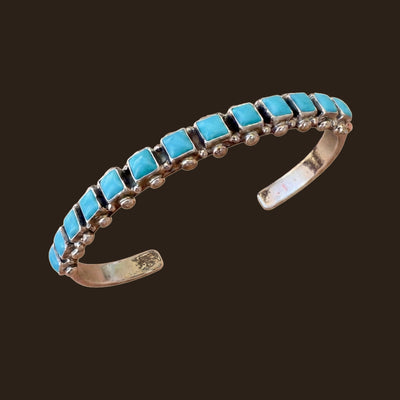
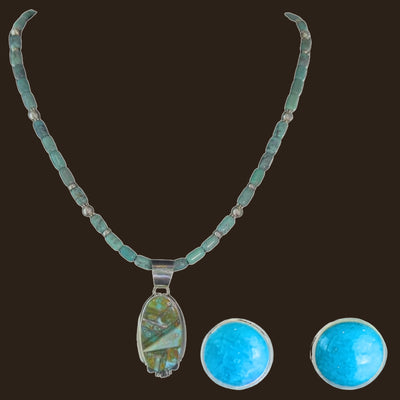
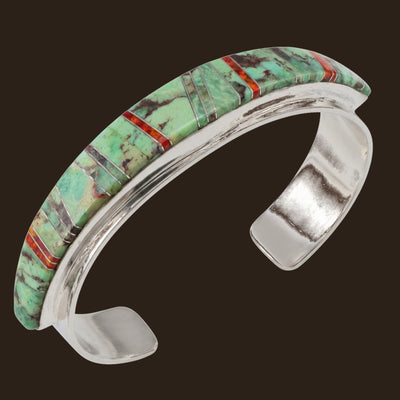
Classic Southwestern style often points toward the vibrant blues that have defined the region for generations. These stones pair beautifully with bright sterling silver and fit a traditional wardrobe with ease. Green turquoise offers a different path. It's for the collector who wants a small-batch statement piece that feels organic and rooted in the desert landscape. These earthy tones often feature complex matrix patterns that blue stones sometimes lack. To see how these colors look when set in silver, we recommend browsing our collection of rings to compare the different hues side by side. Seeing the stones in person or in detailed studio photos helps clarify which spectrum fits your personal style.
The value of the handmade process
A handcrafted bezel is more than just a setting. It's a protective frame designed specifically for that one cabochon. When Greg Cordova finishes a stone, he hands it to Kimberly Cordova, whose eye for curation ensures the stone's character is highlighted by the design. This artisanal process ensures that the metalwork matches the high quality of the stone. Authenticity is the most important factor for long-term value. A natural, untreated stone will always hold its worth better than a mass-produced alternative. By understanding the stone's journey from the mine to the bench, you can be confident that your jewelry is a quietly timeless investment. We believe that when the artist understands the mineralogy and the history of the mine, the final piece carries a weight of truth that mass-market jewelry cannot replicate.
Find your next favorite piece of handcrafted jewelry at wildflowerartisans.com.
Building a collection with intention
The choice between a sky-blue or mossy-green stone often comes down to the individual story you want your jewelry to tell. We've explored how mineral density and mine origin define a stone's worth far more than a simple color grade. While blue remains a classic standard, the modern shift toward rare, zinc-rich greens from places like Carico Lake has created a new benchmark for collectors. Deciding is green turquoise more valuable than blue depends largely on the scarcity of the specific deposit and the natural hardness of the stone.
Every cabochon we work with is hand-cut by Greg Cordova to ensure its natural beauty is preserved without the use of resins or stabilization. Kimberly Cordova then curates these stones into pieces that highlight their unique Southwestern style and structural integrity. By choosing natural, untreated stones, you're investing in a piece that will age gracefully and maintain its quietly timeless appeal for years to come.
Browse our collection of handcrafted turquoise jewelry to find a piece that resonates with you. You can also explore our latest work at the Wildflower Etsy shop.
Frequently Asked Questions
Is blue turquoise always more expensive than green?
Blue is not always the most expensive choice. While clear sky-blue has a long history as a market standard, a rare green stone from a specific Nevada mine can easily cost more. When asking is green turquoise more valuable than blue, you have to look at the hardness and the mine origin. A natural, untreated green stone from Carico Lake is often priced higher than a common blue stone from a larger, active mine.
Why does some turquoise turn green over time?
Color shifts happen because turquoise is a porous mineral. When natural stones come into frequent contact with skin oils, perfumes, or soaps, they can absorb those materials and turn green over time. This change is actually a sign that the stone is natural and untreated. High-grade, dense stones are less likely to change color, which is why we focus on silicated material that holds its original hue through years of wear.
What is the rarest color of turquoise in the world?
Rarity is often found in the extremes of the color spectrum. While the deep blue of the Lander Blue mine is a famous rarity, the neon lime green of Carico Lake is equally hard to find in high-grade deposits. These vibrant greens require specific amounts of zinc to form, making them a rare chemical occurrence in nature. The value of these stones is driven by their limited yield and unique, punchy appearance that stands out in any collection.
Does green turquoise have the same healing properties as blue?
We don't present metaphysical or healing claims as facts in our studio. Instead, we appreciate these stones for their geological history and artisan value. Both blue and green turquoise are copper-based minerals that offer a deep connection to the Southwestern landscape. Whether a stone is blue or green, its worth comes from its natural authenticity and the craftsmanship involved in the bezel setting. We treat every stone as a vessel for emotion and natural beauty.
How can I tell if my green turquoise is natural or dyed?
You can often spot a dyed stone by looking closely at the matrix. In dyed howlite or magnesite, the color tends to pool in the cracks, appearing much darker in the veins than on the surface. Natural green turquoise has a consistent color that runs through the entire mineral. If you're unsure, buying from a trusted source that guarantees natural, untreated stones is the only way to be certain of the stone's integrity and long-term value.
Which mines produce the best green turquoise?
Nevada is home to the most famous green turquoise mines in the world. Mines like Carico Lake, Royston, and Damele produce the high-grade material that Kimberly Cordova curates for our shop. These locations are known for producing hard, silicated stones with beautiful matrix patterns. Greg Cordova often works with rough from these specific mines because they take a superior polish and offer the durability needed for high-quality jewelry.

Article by
Kimberly Cordova
Kimberly Cordova is the founder and creative director of Wildflower, a handmade Turquoise and sterling silver jewelry brand based in Santa Fe. She built Wildflower around a simple belief: the best jewelry is the kind you actually reach for, not the kind you save for someday.
Kimberly designs pieces made by hand with a trusted circle of Santa Fe silversmiths, works alongside her husband Greg on in-house lapidary pieces cut from stones including the family's King's Manassa Mine in Colorado and White Buffalo Mine in Nevada, and sources finished work from artisan makers whose craft meets the same standard. The result is a collection with real range and no shortcuts on the stone, the silver, or the story behind either.
Her writing covers everything she has learned along the way: how Turquoise forms, how to tell natural from stabilized, what makes one mine different from another, how to read a bezel, and how to shop with confidence in a market that is not always straightforward. It is the kind of plainspoken information she wished someone had laid out for her when she was starting out.
Shop the Wildflower collection at wildflowerartisans.com, or find us on Etsy at wildflowersantafe.etsy.com. Questions about a stone, a setting, or a specific piece are welcome any time.
0 comments