

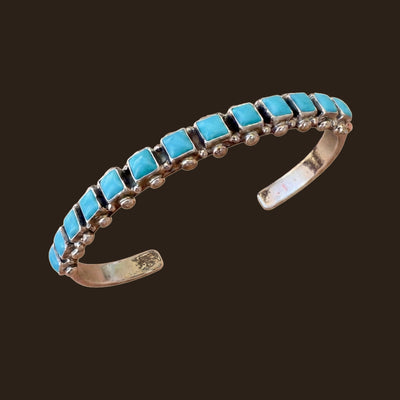
A silver bezel darkened by years of wear can frame a stone beautifully, yet there is a fine line where tarnish begins to dull the spirit of a vivid blue cabochon. Many collectors hesitate to clean their pieces because they fear the porous nature of the stone, but learning how to polish sterling silver turquoise jewelry at home is a simple, meditative process when you treat the metal and the stone as two distinct materials with different needs.
It's common to feel protective of your jewelry, worrying that a home remedy might accidentally change a stone's color or devalue a handcrafted piece by scrubbing away too much of its history. We want to give you the confidence to restore that original luster using the same gentle, intentional methods we employ in our Santa Fe studio. This guide covers the specific tools and techniques needed to achieve a clean silver finish while ensuring your turquoise remains vibrant and stable for years to come.
Key Takeaways
- Understand why sterling silver and porous turquoise require separate care methods to prevent permanent stone discoloration.
- Identify the specific professional tools that safely remove tarnish without the risks associated with ultrasonic cleaners or chemicals.
- Master the studio technique for how to polish sterling silver turquoise jewelry at home to restore a bright finish while protecting the stone's matrix.
- Avoid common household mistakes like using abrasive toothpaste or harsh baking soda baths that can scratch silver and devalue artisan pieces.
- Establish a long-term care routine and storage habits that keep your silver bright and your stones stable between cleanings.
Understanding the Delicate Balance of Silver and Stone
Dealing with sterling silver and turquoise is like managing two different worlds in one small object. One is a resilient metal that reacts to the air, while the other is a soft mineral that absorbs its environment. When you look at how to polish sterling silver turquoise jewelry at home, you have to remember that what helps the silver might hurt the stone. They have conflicting needs.
Tarnish isn't dirt. It's a layer of silver sulfide that forms when the metal meets sulfur in the atmosphere. This reaction is inevitable, but it becomes tricky when the silver is wrapped around a piece of turquoise. Liquid cleaners or chemical dips can easily seep behind the bezel, becoming trapped against the stone where they cause unseen damage over time. Because the stone is often set on a bed of sawdust or fine material to level it, moisture can linger for days.
The Porous Nature of Genuine Turquoise
Greg Cordova, who handles the lapidary work and sources stones from specific mines through CuttingEdgeTurquoise.com, often points out that hand-cut stones have microscopic pores. These openings act like tiny sponges. If you submerge a piece of natural turquoise in dirty water or harsh chemicals, those liquids can migrate deep into the stone. This often leads to permanent color shifts, turning a bright sky blue into a dull green. For a deeper look at the mineralogy, understanding the properties of turquoise reveals it as a hydrated phosphate of copper and aluminum. It sits quite low on the Mohs scale of hardness, making it susceptible to scratches and chemical erosion that can strip away the natural luster of a high-quality cabochon.
Why Antique Patina Matters
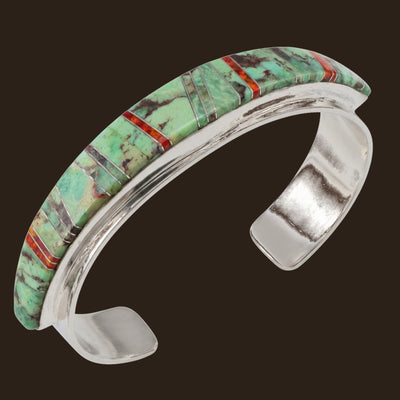
In many Southwestern style pieces, the dark oxidation in the deep grooves of the silver is intentional. It provides contrast and highlights the artisan-made details of the setting. Kimberly Cordova, who designs and curates our collections, often looks for ways to preserve this depth. If you remove every bit of tarnish, the jewelry can look flat and lose the character that makes it feel quietly timeless. The goal isn't just to make the piece shiny. It's to find a balance where the silver glows and the stone stays vibrant without erasing the story told by the patina. Learning how to polish sterling silver turquoise jewelry at home correctly ensures you don't strip away this valuable history.
The Best Tools for Polishing Antique Silver Jewelry with Stones
Walking into a professional studio, you won't see jars of liquid dip or high-frequency cleaning machines sitting near the turquoise bench. We keep it simple. The most important tool for knowing how to polish sterling silver turquoise jewelry at home is a specialized polishing cloth. These cloths allow you to control exactly where the cleaning agent goes, keeping it on the silver and away from the delicate stone. It's about precision. You want to avoid any tool that uses immersion or high-intensity energy.
Ultrasonic cleaners are a primary example of what to avoid. These machines use sound waves to create microscopic bubbles that scrub surfaces. While this works for diamonds, it's a disaster for Southwestern style jewelry. The vibrations can easily shatter a fragile stone or shake it loose from its bezel. Greg Cordova often sees stones that have developed internal fractures or bruising from these machines. Even a stone that looks solid can have hidden matrix lines that are vulnerable to high-frequency stress. Stick to manual methods that respect the physical limits of the mineral.
Choosing a Professional Polishing Cloth
Not all cloths are created equal. We recommend Sunshine cloths in our studio because they are consistent and gentle. A professional cloth usually has two parts. The inner layer is treated with a very fine jeweler's rouge. This compound chemically breaks down the tarnish without needing heavy pressure. Following professional guidelines for turquoise care means using this treated side only on the metal. The outer layer is a clean buffing cloth. It clears away any residue and leaves a bright, mirror finish on the silver. Microfiber is fine for daily dusting, but it won't have the grit needed to lift actual oxidation.
Why Liquid Dips Fail the Test
Liquid silver dips are often too aggressive for artisan-made pieces. Most of these solutions are acidic. If a drop touches a natural turquoise cabochon, it can etch the surface, leaving it dull and white. There is also a structural risk. Many older or handcrafted pieces use a layer of fine sawdust or cardboard under the stone to give it a proper seat in the bezel. If liquid seeps in, it saturates that bedding. This trapped moisture can lead to corrosion inside the setting or cause the stone to swell and pop out. Kimberly Cordova often notes that once a liquid dip ruins the finish of an antique piece, it's very difficult to restore that quietly timeless glow. If you're looking for more specific guidance, we offer additional jewelry care and repair tips to help you maintain your collection safely.

A Step-by-Step Guide to Polishing Sterling Silver Turquoise Jewelry at Home
Before you begin the actual polishing, take a moment to clear away the day. Use a clean, dry, soft cloth to gently wipe down the entire piece. This first step removes surface dust and loose oils that might otherwise be ground into the silver during the polishing process. It's a simple act of preparation that protects the metal from unnecessary micro-scratches. Once the surface is clear, you can begin the focused work of restoring the silver's glow.
When you start using the treated side of your polishing cloth, move in straight, back-and-forth motions rather than circular ones. This technique helps maintain the uniform grain of the metal. Focus your efforts on the smooth, raised surfaces of the silver. By doing so, you allow the deeper, oxidized shadows to remain in the recessed areas of the design. Following expert advice on jewelry care is essential because porous gems like turquoise are easily stained by the very lotions or perfumes we wear every day, and a controlled polishing motion keeps the cleaning compounds away from the stone.
For the tight spaces around the bezel or intricate silver wire work, a standard polishing cloth might be too bulky. This is where a cotton swab becomes a valuable tool in your studio kit. Rub the swab against the treated portion of your polishing cloth to pick up a small amount of the cleaning compound, then carefully work it into the small crevices. It's a precise way to manage how to polish sterling silver turquoise jewelry at home without risking contact with the stone's surface. Finish the process by buffing the entire piece with a fresh, untreated microfiber cloth to lift away any dark residue left behind by the oxidation.
Navigating the Bezel and Matrix
The bezel is the silver rim that Greg Cordova carefully folds over the stone to keep it secure. It requires the gentlest touch of all. Avoid rubbing your cloth directly over the stone, especially if it features heavy matrix or spiderweb patterns. These areas can be more physically irregular and prone to catching fibers. If you notice the stone feels loose or rattles during this process, stop immediately. A loose stone needs professional attention to prevent it from falling out or becoming damaged by trapped debris.
Restoring Luster to the Stone
While the silver needs a chemical lift, the stone usually just needs a light refresh. Use a slightly damp cloth, not a wet one, to gently wipe the surface of the cabochon. Turquoise is a thirsty mineral, so you must immediately follow this with a fresh, dry cloth to pull away any moisture before it can be absorbed. For more information on the specific characteristics of different mines and their stones, you can explore our stone origins page. This careful, two-step approach ensures your jewelry remains vibrant without compromising the integrity of the natural material.
The internet is full of shortcuts for cleaning silver, but most of these were designed for plain cutlery, not artisan-made jewelry. When you search for how to polish sterling silver turquoise jewelry at home, you will likely see suggestions for toothpaste or baking soda baths. We advise against these. They are often too aggressive for the delicate relationship between the metal and the mineral. These remedies can cause permanent damage that no amount of professional polishing can fix. Toothpaste contains abrasives like calcium carbonate or silicas. These are fine for tooth enamel but act like sandpaper on sterling silver. They leave behind microscopic scratches that actually make the silver tarnish faster in the future because there is more surface area for sulfur to cling to. Greg Cordova notes that for hand-cut stones, these pastes can also seep into the matrix and stay there. Once an abrasive paste dries inside a spiderweb pattern, it is nearly impossible to remove without specialized tools. Baking soda and aluminum foil baths are another common trap. This process uses an electrochemical reaction to strip tarnish instantly. While it is fast, it is also indiscriminate. It will remove the intentional patina in the deep grooves of your Southwestern style jewelry, leaving the piece looking flat and synthetic. Kimberly Cordova curates our collection specifically for the depth and character that only a proper patina provides. More importantly, the high alkalinity of the solution can chemically react with untreated turquoise, potentially turning a blue stone yellow or green.The Danger of Abrasive Pastes
Small batch jewelry often features delicate hand-stamped details or fine silver wire work. Pastes fill these tiny gaps and clog the design. Over time, this residue hardens and attracts more dirt. If you want to see how these details should look when they are properly maintained, you can view our collection of artist-made turquoise jewelry to see the depth and clarity we strive for in every piece.Avoiding Thermal and Physical Shock
Thermal shock is a silent killer for turquoise. Steam cleaners or boiling water cause the silver bezel to expand at a different rate than the stone. This pressure can cause a cabochon to crack or pop out of its setting. High heat also softens the resins or jeweler's sawdust used to seat stones in many handcrafted designs. Always work over a soft surface, like a folded towel. If a piece slips from your hands while you are learning how to polish sterling silver turquoise jewelry at homeLong-Term Care and Studio-Level Preservation
The life of a piece of jewelry doesn't end when it leaves the polishing bench. While the high desert air of Santa Fe is naturally dry, sulfur and moisture are present in every home, slowly working to dull the luster of your favorite cuff or pendant. Mastering how to polish sterling silver turquoise jewelry at home is a vital skill for any collector, yet the most effective care routine is one that prevents tarnish from forming in the first place. We view preservation as a daily practice of respect for the materials.
A simple wipe at the end of the day goes a long way. Use a clean, soft cloth to remove salts and acids from your skin before they have a chance to react with the silver. It's also important to follow the "last on, first off" rule. Perfumes, hairsprays, and lotions contain chemicals that can permanently discolor a porous cabochon. By applying these products first and letting them dry completely before putting on your jewelry, you create a barrier between your turquoise and potential damage. When you take your pieces off, store them in a cool, dry place away from direct sunlight, as prolonged exposure to heat and light can eventually affect the stability of some stones.
Anti-Tarnish Storage Solutions
Oxygen is the primary catalyst for oxidation. To slow this process down, store your small batch jewelry in small, airtight bags. Including an anti-tarnish strip in the bag can further neutralize the sulfur in the air. We strongly advise against keeping your jewelry in the bathroom. The high humidity from showers creates an ideal environment for rapid tarnish and can even affect the seating of stones in their bezels. Physical separation is just as important. Sterling silver is a relatively soft metal, and storing pieces together in a single bowl can lead to scratches on the silver or the stones. Give each piece its own space to breathe and remain protected.
When to Seek Professional Help
There are moments when home care reaches its limit. If a piece has deep scratches or heavy, black tarnish that a cloth won't budge, it may require a professional studio buffing to restore the surface. Structural issues are even more critical. If a stone feels wobbly or you notice the silver bezel is lifting away from the cabochon, stop wearing the piece immediately. Greg Cordova handles our lapidary repairs with a focus on maintaining the integrity of the original hand-cut stone. For design-related concerns or complex restoration, Kimberly Cordova ensures that every repair respects the artisan-made character of the piece. You can explore our care and repair guide for more information on handling complex issues.
To find your next quietly timeless piece of jewelry, visit our studio collection at wildflowerartisans.com. We are always available to help you choose a design that fits your daily rhythms.
Preserving the Spirit of Your Collection
Caring for your jewelry is a way to honor the hands that shaped it and the earth that produced the stone. By choosing precision over immersion, you protect the delicate matrix and ensure the silver glows without stripping away the history held in its patina. Mastering how to polish sterling silver turquoise jewelry at home isn't about achieving a factory shine. It's about maintaining a quietly timeless balance between metal and mineral. When you treat the silver and the stone as distinct elements with different needs, you ensure your pieces remain as vibrant as the day they left the studio.
If you're looking to grow your own collection of artist-made pieces, discover our latest batch of handcrafted silver and turquoise jewelry. Every piece features authentic stones curated by Kimberly Cordova with precision lapidary work handled by Greg Cordova. Your jewelry has its own narrative. With these gentle, studio-tested methods, you can help it tell that story for many years to come.
Frequently Asked Questions
Can I use soap and water to clean my silver turquoise jewelry?
It is best to avoid submerging your jewelry in water. While some collectors use a drop of mild soap on the metal, the porous nature of the stone means that any liquid can seep behind the bezel and stay trapped. This moisture can damage the setting or cause the stone to discolor over time. A dry, focused approach is always the safer choice for your collection.
Why did my turquoise stone turn green after cleaning?
This color shift usually happens when a stone absorbs chemicals, oils, or even too much water. Turquoise is a hydrated phosphate of copper, and when those copper elements react with harsh cleaning agents, the blue can turn to green. This change is almost always permanent. It is a clear reminder of why knowing how to polish sterling silver turquoise jewelry at home with dry tools is so important for the stone's stability.
How often should I polish my sterling silver jewelry?
You should only polish your silver when you see visible tarnish or a dulling of the metal's surface. Over-polishing can eventually wear down the fine details in handcrafted silver over many years. Interestingly, the best way to prevent tarnish is to wear your jewelry often. The gentle friction against your skin and clothing naturally keeps the raised surfaces of the silver bright.
Is it safe to use an ultrasonic cleaner for turquoise?
No, you should never place turquoise in an ultrasonic cleaner. The high-frequency vibrations that these machines use can cause a stone to shatter along its matrix or shake it loose from the bezel. These devices are built for hard gemstones like diamonds, but turquoise is a soft mineral that requires a more human, meditative touch during the cleaning process.
What is the best way to store silver jewelry to prevent tarnish?
Storing your pieces in small, airtight bags with anti-tarnish strips is the most effective way to slow down oxidation. Keep your jewelry in a cool, dry place and away from the bathroom. The high humidity from a shower is a catalyst for tarnish and can eventually compromise the material seating the stone inside its setting.
Can I use a silver polishing cloth on the turquoise stone itself?
No, the treated side of a polishing cloth should stay on the metal. The fine jeweler's rouge and chemicals embedded in the cloth can dull the surface of a cabochon or leave dark residue in the spiderweb patterns of the stone. If the stone itself looks a bit dusty, a quick wipe with a clean, untreated microfiber cloth is the only step you need to take.
What should I do if the stone in my ring becomes loose?
Stop wearing the ring immediately to avoid losing the stone or damaging the silver bezel further. A loose stone allows moisture and debris to collect in the setting, which can lead to long-term issues. You should seek out a professional studio to have the stone reset. Greg Cordova handles these structural repairs with a focus on preserving the original hand-cut stone.
Is baking soda safe for cleaning antique silver with stones?
Baking soda is much too abrasive for Southwestern style jewelry. It can leave microscopic scratches on the silver and permanently dull the finish of a natural stone. It also strips away the intentional patina that gives an antique piece its depth. Kimberly Cordova curates our pieces specifically for that quietly timeless look, and baking soda can erase the very character that makes the jewelry special.

Article by
Kimberly Cordova
Kimberly Cordova is the founder and creative director of Wildflower, a handmade Turquoise and sterling silver jewelry brand based in Santa Fe. She built Wildflower around a simple belief: the best jewelry is the kind you actually reach for, not the kind you save for someday.
Kimberly designs pieces made by hand with a trusted circle of Santa Fe silversmiths, works alongside her husband Greg on in-house lapidary pieces cut from stones including the family's King's Manassa Mine in Colorado and White Buffalo Mine in Nevada, and sources finished work from artisan makers whose craft meets the same standard. The result is a collection with real range and no shortcuts on the stone, the silver, or the story behind either.
Her writing covers everything she has learned along the way: how Turquoise forms, how to tell natural from stabilized, what makes one mine different from another, how to read a bezel, and how to shop with confidence in a market that is not always straightforward. It is the kind of plainspoken information she wished someone had laid out for her when she was starting out.
Shop the Wildflower collection at wildflowerartisans.com, or find us on Etsy at wildflowersantafe.etsy.com. Questions about a stone, a setting, or a specific piece are welcome any time.
0 comments