

You step into the shower or reach for the garden hose, only to realize your favorite ring is still on your finger. This instant of hesitation is familiar to anyone who treasures handcrafted silver, leading to the central question: can you get turquoise jewelry wet without causing permanent damage? Because turquoise ranks between a 5 and 6 on the Mohs scale, its porous nature makes it a living stone that reacts to its environment. It responds to the world around it.
It’s common to feel anxious about changing the color of a stone you love or worrying about the durability of a handmade bezel. We want you to feel confident wearing your pieces every day, so this guide explains how moisture affects various grades of stone. You’ll learn to identify high-risk natural stones, understand the January 1, 2026, GIA reporting changes regarding stone treatments, and master the simple cleaning routine Greg Cordova uses in our lapidary studio to protect both the silver and the cabochon. Simple care ensures a lifetime of beauty.
Key Takeaways
- Understand why the chemical makeup of turquoise makes it naturally porous and prone to absorbing liquids from its environment.
- Learn how pressure-infusing stones with resin creates a protective barrier against moisture that untreated natural turquoise lacks.
- Discover the final answer to can you get turquoise jewelry wet while identifying the specific risks posed by chlorine and salt water.
- Master a quick drying technique using a microfiber cloth to maintain the integrity of your jewelry after accidental water exposure.
- See how intentional design and secure bezel settings by Kimberly Cordova provide a first line of defense for your artisan-made pieces.
Why turquoise is naturally vulnerable to water
Turquoise is a stone that carries its own history of water within its chemical signature. Technically known as a hydrous phosphate of copper and aluminum, its very existence depends on the presence of moisture during its formation millions of years ago. However, this same composition makes it naturally porous. When you wonder if can you get turquoise jewelry wet, it helps to visualize the stone as a microscopic sponge. It contains tiny capillaries that can pull in liquids from the surface, allowing water to occupy the delicate spaces between mineral structures. This process can eventually lead to structural instability or subtle shifts in the stone's integrity as the water displaces the mineral's natural bonds.
On the Mohs scale of hardness, turquoise typically ranks between a 5 and 6. This makes it significantly softer than stones like diamonds or sapphires, which sit at 10 and 9 respectively. Because it is relatively soft and porous, the stone is susceptible to absorbing everything from tap water to skin oils and perfumes. Understanding these Turquoise mineral properties is the first step in protecting your collection. At our studio, we treat every cabochon as a living element that requires a dry, stable environment to remain beautiful for decades. We believe that caring for your jewelry is an act of respect for the earth it came from.
The role of the stone matrix in moisture absorption
The matrix refers to the host rock or the intricate veins of iron, copper, or rhyolite that create the spiderweb patterns in a cabochon. While these patterns add character, they also influence how a stone handles moisture. Matrix materials like pyrite or quartz react uniquely to dampness; pyrite, for instance, can oxidize or tarnish when exposed to water over time. A heavy matrix often provides more entry points for moisture to bypass the surface and settle deep within the stone. In our studio, Greg Cordova (who shares more about his process at CuttingEdgeTurquoise.com) observes how different mine locations produce varying matrix densities during the lapidary process, which directly impacts how the stone should be cleaned and stored.
How water changes the color of untreated stones
For a natural, untreated stone, water exposure can trigger a permanent chemical transformation. The vibrant blues and greens in turquoise come from its copper and iron content. When moisture and oils penetrate the pores, they interact with these minerals, often causing a shift from a bright sky blue to a duller, darker green. According to the Gemological Institute of America (GIA), which overhauled its gemstone reporting standards on January 1, 2026, identifying these natural vulnerabilities is crucial for collectors. In untreated stones, these color changes are rarely reversible. The stone effectively breathes in the environment around it, making it essential to keep your artisan-made pieces away from the sink or shower to maintain their quietly timeless appeal.
How stabilized stones differ from natural untreated turquoise in water
In our Santa Fe studio, the conversation often turns to the durability of a specific cabochon. When clients ask us, can you get turquoise jewelry wet, the answer depends heavily on whether the stone is natural or stabilized. Stabilization is a professional process where a stone is pressure-infused with clear, medical-grade resin. This resin fills the microscopic voids that define the porous nature of turquoise, creating a barrier that makes the stone significantly more water-resistant. Greg Cordova oversees these lapidary techniques at CuttingEdgeTurquoise.com to ensure every hand-cut stone is structurally sound before it reaches the studio. We only use the term natural for stones that have never undergone this resin process.
The distinction between these two types of stones is more than just technical. It dictates how your jewelry will age over the next twenty years. Under the GIA reporting overhaul effective January 1, 2026, transparency regarding these treatments is now an industry standard. While stabilization is a widely accepted practice for Southwestern style jewelry, it changes the stone's relationship with moisture. A stabilized stone is locked in its current color profile, whereas a natural stone remains an open, breathing element. This makes stabilized pieces ideal for those who want a quietly timeless look that won't shift when exposed to the occasional splash of water.
Identifying your stone type
You can often identify an untreated stone by its texture and how it reacts to the light. Natural stones sometimes have a slightly chalkier feel or a matte finish compared to the high-gloss, glass-like surface of stabilized pieces. If you notice a stone's color deepening or becoming more translucent after a humid day, it's likely untreated. To learn more about the specific characteristics of stones from the Kingman or Royston mines, you can explore our guide to stone origins. We believe that knowing the story of your stone makes the jewelry more meaningful.
The limits of stabilization
Even though stabilization provides a shield, it isn't a permit to submerge your jewelry. Stabilization has its limits. Prolonged exposure to hot water or harsh soaps can eventually begin to break down the resins used in lower-grade stones, leading to a cloudy appearance. Furthermore, most artisan-made cabochons feature a backing made of devcon or epoxy to provide strength during the cutting process. Water can seep into the seam between the stone and this backing, potentially weakening the bond over time. If you're looking for pieces designed for frequent wear, our everyday essentials collection features stones specifically curated for their resilience. Protecting the bezel and the stone ensures your investment remains as vibrant as the day it was forged.

The hidden dangers of chlorine, salt water, and household soaps
While plain rainwater might be a gentle visitor to a stone, the water found in swimming pools and oceans is far more aggressive. Chlorine acts as a powerful bleaching agent that can leach the copper and iron minerals right out of a cabochon, causing its color to fade or turn a sickly grey. It's not just the stone at risk; chlorine also causes a chemical reaction with sterling silver that can lead to deep tarnishing or even structural brittleness in a delicate bezel. When people ask us can you get turquoise jewelry wet, we usually tell them that a swimming pool is the one place where a quick dip can cause lasting harm.
Salt water presents a different set of problems for handcrafted jewelry. Beyond the corrosive nature of salt on silver, the microscopic salt crystals act as a liquid abrasive. This can slowly grind away the fine polish Greg Cordova achieves in our lapidary studio, leaving the surface of the stone looking dull and lifeless. While the stabilization of turquoise provides a layer of protection against simple humidity, it isn't designed to withstand the abrasive grit of the sea. These environmental factors can turn a quietly timeless piece into something that looks weathered and worn before its time.
Why the shower is a high-risk zone
The shower is perhaps the most common place where jewelry is accidentally damaged. It combines heat, steam, and chemical surfactants found in modern shampoos and body washes. Steam is particularly tricky because it can cause the sterling silver setting to expand slightly more than the stone itself. Over time, this repeated expansion and contraction can loosen the stone within its bezel. The surfactants in soap also leave behind a thin film that traps moisture against the stone's surface, effectively creating a damp micro-environment that can lead to discoloration. We always recommend a simple last on, first off rule for your artisan-made pieces to avoid these daily risks.
The impact of lotions and perfumes
Many people don't realize that their morning beauty routine is a minefield for turquoise. Alcohol-based perfumes and colognes can strip the surface luster of a stone almost instantly upon contact. Lotions are equally problematic because the oils and fats can seep behind the bezel and sit against the base of the stone for days. This trapped oil eventually saturates the pores of the turquoise, leading to the permanent green shift we discussed earlier. To keep your turquoise jewelry in studio-quality condition, apply all beauty products and let them dry completely before putting on your jewelry. This small change in habit protects the curation and design work Kimberly Cordova puts into every piece we offer.
Practical steps to take if your turquoise jewelry gets submerged
Accidents happen in the studio and at home. If your ring slips into the dishwater or stays on during a quick dip in the lake, your immediate response determines the stone's future. Start by removing the piece from the water as fast as you can. While you might wonder can you get turquoise jewelry wet, the real danger lies in how you handle the recovery. Use a soft, lint-free microfiber cloth to gently pat the stone and the silver setting. Don't rub the surface; just press the cloth against it to lift the moisture from the cabochon and the bezel.
Avoid the temptation to speed up the process. Never use a hair dryer or set the jewelry in direct sunlight to dry. High heat can cause the stone to crack or the surface to discolor as the internal moisture expands. Instead, let the piece air dry in a cool, ventilated area for at least 24 hours. This patience allows any moisture that seeped into the pores to evaporate naturally without stressing the mineral structure of the stone.
Drying the bezel and setting
Moisture trapped on the surface is a minor issue compared to water that gets behind the stone. In his lapidary work, Greg Cordova often uses a backing like devcon or epoxy to stabilize a cabochon during the hand-cut process, and you can see more of his techniques at CuttingEdgeTurquoise.com. Water can find its way into the tiny seam between the stone and the silver bezel, potentially weakening these bonds or the backing material. If the water was dirty or soapy, use a soft-bristled brush to gently clear away any residue from the edges of the setting. If you notice the stone feels loose or makes a clicking sound after it dries, it's time for a professional check-up. You can reach out to us through our contact page for guidance on repairs.
What not to do with wet turquoise
When you're worried about whether can you get turquoise jewelry wet, it's easy to reach for the wrong tools. Never use ultrasonic cleaners or steam cleaners on turquoise. The high-frequency vibrations and intense heat will almost certainly shatter the stone or strip its color. Similarly, avoid jewelry dips or harsh silver polishes. These chemicals are designed for metal, and because turquoise is porous, it will absorb the polish and develop permanent stains. Even paper towels should be avoided; their fibers are surprisingly abrasive and can leave fine scratches on a softly polished cabochon. Kimberly Cordova curates our pieces for their durability, but they still require this gentle, intentional care.
Stick to the basics of gentle air drying and careful observation. If you treat your artisan-made jewelry with this level of respect, it will remain a quietly timeless part of your collection for a lifetime. For more detailed instructions on maintaining your collection, visit our jewelry care and repair guide.
Maintaining the integrity of artisan-made silver and stone pieces
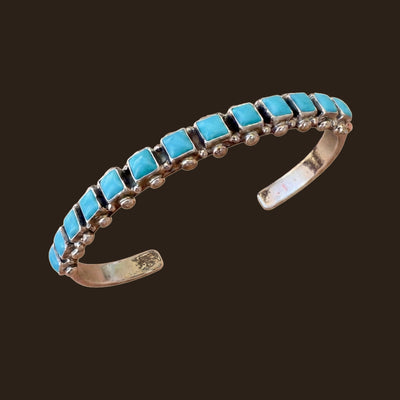
A piece of jewelry is only as resilient as the bond between the metal and the mineral. In our Santa Fe studio, Kimberly Cordova focuses on curation and design that prioritizes the longevity of every small batch collection. She ensures that each bezel is constructed with enough weight and height to offer a physical barrier against minor splashes. While the question of can you get turquoise jewelry wet often focuses on the stone, the silver setting plays an equal role in the survival of the piece. A hand-cut cabochon from Greg Cordova fits its setting with a level of precision that mass-produced jewelry simply cannot replicate. This tight fit minimizes the gaps where water and soap residue can hide.
Regularly inspecting your silver is a habit that prevents the loss of a precious stone. Check the edges of the bezel once a month to ensure the metal hasn't been pulled away or thinned by wear. If you hear a faint clicking sound when you touch the cabochon, the stone has become loose and is at a higher risk for moisture infiltration. Handcrafted, Southwestern style jewelry is built to last, but even the best silverwork requires an observant eye. Choosing artisan-made pieces over mass-produced items means you are investing in a setting designed to be repaired and maintained for a lifetime. We take pride in the structural integrity of our work, knowing it will be passed down through generations.
Cleaning your jewelry safely
Cleaning your jewelry safely is a matter of restraint. For the sterling silver parts, a simple polishing cloth is all you need to lift tarnish and restore the luster. If the stone itself has collected dust or skin oils, you can use a slightly damp cloth to wipe the surface, but never soak the piece. Avoid using any chemical cleaners that could penetrate the porous matrix of the stone. For more detailed instructions on keeping your collection in studio-quality condition, visit our care and repair page. Simple, consistent care is better than aggressive cleaning.
Storing your collection
Storing your collection in a dry, dark place is the best way to prevent the oxidation of the silver and the dehydration of the stone. We suggest using anti-tarnish strips in your jewelry box to protect the silver without the need for chemical dips that would harm the turquoise. Keep your pieces separate. Turquoise is a soft stone, ranking between 5 and 6 on the Mohs scale, and contact with harder metals or stones can cause fine scratches that dull the matrix over time. A dedicated jewelry pouch or a lined box provides the stable environment these stones need to retain their quietly timeless character.
Preserving the beauty of your Southwestern style collection
Caring for your artisan-made jewelry is about understanding the stone's journey from the mine to your hand. You now know that the mineral composition of turquoise makes it a living element that reacts to moisture, heat, and chemicals. While the question of can you get turquoise jewelry wet depends on the specific stabilization of your stone, the safest path is always to keep your pieces dry. By protecting the bezel and choosing high-grade stones, you ensure that your collection remains vibrant for generations. This intentional care preserves the quiet beauty of the matrix for years to come.
Greg Cordova meticulously prepares each cabochon at CuttingEdgeTurquoise.com, while Kimberly Cordova curates each design to balance beauty with daily wearability. This intentional process creates jewelry that is both durable and quietly timeless. If you're ready to add a new piece to your collection, we invite you to explore our collection of handcrafted turquoise jewelry. We look forward to helping you find a piece that tells your story.
Frequently Asked Questions
Can I wash my hands while wearing a turquoise ring?
You should remove your ring before washing your hands to avoid soap buildup and chemical exposure. While a splash of plain water won't immediately ruin a stabilized stone, the surfactants in hand soap leave a thin film behind. This film traps moisture against the bezel and the stone, which can lead to a dull appearance or discoloration over time. It's a simple habit that keeps your handcrafted silver looking studio-quality for years.
What happens if I wear my turquoise necklace in the rain?
A few drops of rain won't cause immediate damage, but you should dry the piece as soon as you get inside. Rainwater is relatively pure, but it can still find its way into the matrix of an untreated stone if left to sit. Use a soft microfiber cloth to gently pat the pendant dry, paying close attention to the area where the stone meets the silver. This prevents moisture from settling against the stone's backing or seeped into the setting.
Is it safe to go swimming in a lake with turquoise jewelry?
You should avoid wearing your jewelry in lakes or any body of open water. Even though lake water lacks the harsh chlorine found in a pool, it contains minerals and organic matter that can penetrate the porous stone. When people ask can you get turquoise jewelry wet, we remind them that submerged stones absorb liquids through microscopic capillaries. This exposure can permanently shift the color profile of a handcrafted piece and weaken the silver setting.
Why did my turquoise stone turn green after I wore it?
Your stone likely turned green because it absorbed skin oils, lotions, or water that reacted with the copper and iron minerals inside. This shift is common in natural, untreated stones that aren't protected by a resin barrier. Once the pores are saturated, the chemical change is usually permanent. Kimberly Cordova curates our collections to include both stabilized and natural stones, allowing you to choose the specific look and level of care that fits your lifestyle.
Can I use jewelry cleaner on my turquoise and silver pieces?
You should never use liquid jewelry cleaners or dips on turquoise. These chemicals are far too aggressive for a stone that ranks between 5 and 6 on the Mohs scale. The porous mineral will absorb the cleaner, which can lead to deep staining or structural breakdown of the stone. Instead, use a dry polishing cloth for the sterling silver and a barely damp cloth for the stone if it collects dust or residue.
How do I know if my turquoise is stabilized or untreated?
You can often tell by the stone's texture and how it reacts to the light. Stabilized stones typically have a glassier, more polished surface that remains consistent in color. Natural, untreated stones may feel slightly chalkier and might darken when exposed to humidity. Greg Cordova, who shares his expertise at CuttingEdgeTurquoise.com, ensures each stone is correctly identified during the lapidary process. The January 1, 2026, GIA reporting standards also require clear disclosure of these treatments to ensure transparency for every collector.
What should I do if my turquoise stone falls out of the setting?
You should stop wearing the piece immediately and save both the stone and the silver setting in a safe place. Do not attempt to glue the cabochon back into the bezel yourself. Superglue and other household adhesives can damage the stone's backing or seep into the pores. A professional artisan needs to inspect the silver bezel to see if it has thinned or stretched, ensuring a secure and lasting repair that maintains the piece's integrity.
Can I sleep in my turquoise jewelry?
It's best to remove your jewelry before bed to prevent physical stress and exposure to sweat. Perspiration is naturally acidic and can be absorbed by the stone, leading to the same green shift caused by lotions or soaps. Sleeping in rings or cuffs can also put unnecessary pressure on the silver bezel, potentially loosening the stone over time. Place your pieces in a dry, dark jewelry box to keep them safe and secure overnight.

Article by
Kimberly Cordova
Kimberly Cordova is the founder and creative director of Wildflower, a handmade Turquoise and sterling silver jewelry brand based in Santa Fe. She built Wildflower around a simple belief: the best jewelry is the kind you actually reach for, not the kind you save for someday.
Kimberly designs pieces made by hand with a trusted circle of Santa Fe silversmiths, works alongside her husband Greg on in-house lapidary pieces cut from stones including the family's King's Manassa Mine in Colorado and White Buffalo Mine in Nevada, and sources finished work from artisan makers whose craft meets the same standard. The result is a collection with real range and no shortcuts on the stone, the silver, or the story behind either.
Her writing covers everything she has learned along the way: how Turquoise forms, how to tell natural from stabilized, what makes one mine different from another, how to read a bezel, and how to shop with confidence in a market that is not always straightforward. It is the kind of plainspoken information she wished someone had laid out for her when she was starting out.
Shop the Wildflower collection at wildflowerartisans.com, or find us on Etsy at wildflowersantafe.etsy.com. Questions about a stone, a setting, or a specific piece are welcome any time.
0 comments