

A cool, heavy cabochon resting against your palm tells a quiet story of the earth that mass-produced imitations simply can't replicate. You might notice the intricate spiderweb matrix or the way the color shifts slightly in the light, details that emerge from a stone formed slowly over millions of years. Understanding the Turquoise Benefits of authentic stones starts with recognizing the difference between a natural mineral and a lab-created substitute. We understand it's frustrating to search for genuine Southwestern style jewelry only to be met with confusing labels like block or reconstituted that mask the true nature of the material.
We believe you deserve to feel confident that your investment is a real piece of the earth, not a dyed piece of howlite or plastic. This guide will help you understand the nuances of the market, from identifying the value of hand-cut stones to the technical differences between natural and stabilized turquoise. We will explore how artist-made pieces from our working studio provide a level of durability and character that mass-produced items lack. By the end, you'll have the practical knowledge needed to choose high-quality jewelry that reflects your personal style and stands the test of time.
Key Takeaways
- Learn why the unique matrix and color depth of authentic stones provide visual character that mass-produced imitations cannot match.
- Identify the Turquoise Benefits found in genuine stones, including how they serve as a durable foundation for handcrafted silver jewelry.
- Discover how closed mines like King's Manassa influence the rarity and collector value of specific artisan-made pieces.
- Understand why a bezel setting is superior to a prong setting for protecting the delicate edges of a hand-cut cabochon.
- Gain the confidence to choose between different color profiles and matrix styles to find a piece that suits your personal style.
Why does authentic turquoise remain a staple in Southwestern style?
Authentic turquoise remains a staple because it offers a depth of color and unique matrix patterns that mass-produced imitations simply can't match. These stones act as a durable, long-lasting foundation for handcrafted sterling silver jewelry designed to be worn for decades. While factory-made pieces often rely on plastic-based composites, genuine stones offer a tangible history written in copper and aluminum. Understanding the Turquoise Benefits of these minerals helps you appreciate why a single cabochon can be so captivating. A cabochon is a stone that has been shaped and polished into a smooth, rounded form rather than being faceted with flat surfaces.
Every stone we work with at Wildflower tells a specific geological story. The variations in hue, from robin's egg blue to deep mossy green, are determined by the specific Turquoise mineral properties found at the mine site. Choosing genuine stones supports the preservation of traditional Southwestern lapidary techniques that prioritize the stone's natural character over uniform perfection. It's a way to own a small, polished piece of the high desert.
To better understand the visual and structural characteristics of the stone, watch this helpful video:
The visual character of natural matrix
The matrix is the host rock or mother stone that creates the intricate patterns or veins seen within the turquoise. This host rock might appear as fine, delicate lines known as a spiderweb matrix, or as larger, earthy inclusions of brown, black, or gold. These patterns provide a significant benefit of uniqueness for one-of-a-kind jewelry. Because no two stones form with the exact same matrix layout, your piece is inherently different from any other in existence. This natural variation is the primary reason why Southwestern style remains so deeply personal and sought after by collectors.
Artisan-made vs. mass-produced jewelry
In our studio, we practice a stone-first philosophy where the silver setting is built to accommodate the unique shape of the hand-cut stone. Small batch production allows us to maintain the integrity of each cabochon, ensuring it is handled with the care it deserves. Mass-produced jewelry often uses calibrated stones, which are factory-cut to uniform sizes, sometimes sacrificing the most interesting parts of the rock to fit a pre-made mold. One of the greatest Turquoise Benefits of artisan-made jewelry is that the stone's natural beauty dictates the final design, resulting in a more balanced and intentional piece of wearable art.
What are the physical properties and durability of natural stones?
Turquoise is a hydrous phosphate of copper and aluminum, a mineral that forms through the percolation of water through host rock over millions of years. This chemical makeup gives the stone its characteristic blues and greens, but it also makes the material inherently porous. Porosity refers to the tiny, microscopic spaces within the stone that can absorb liquids, oils, or chemicals from the environment. One of the practical Turquoise Benefits of high-quality material is its ability to take a high polish, resulting in a smooth, lustrous cabochon that resists surface grime better than low-grade, chalky stones.
Maintaining the original color of your jewelry requires an understanding of this physical structure. Because the stone can absorb substances it comes into contact with, we recommend putting your jewelry on after you've applied perfumes or hairsprays. Over time, skin oils can darken a natural stone, often shifting a light blue toward a deeper, mossy green. While some collectors appreciate this "ripening" of the stone as a mark of its history, others prefer to keep the color as bright as the day it was cut. It requires gentle care. Simple habits ensure your pieces remain vibrant.
Understanding the Mohs scale for turquoise
The Mohs scale is a system used to measure the scratch resistance of minerals, ranging from 1 (talc) to 10 (diamond). Turquoise typically sits between a 5 and a 6 on this scale, making it roughly as hard as window glass. This mid-range hardness means the stone is durable enough for daily wear, but it needs a thoughtful setting. For example, a cabochon in a pendant will rarely encounter abrasive surfaces, while a stone in a ring needs a protective bezel to withstand the occasional bump against a hard surface. Hardness determines where a stone lives best on the body.
The reality of stone stability
There is often confusion regarding the terms natural, stabilized, and treated. At Wildflower, we only use the word natural for confirmed untreated stones that are hard enough to be cut and polished without any chemical intervention. However, only a small percentage of all turquoise mined is hard enough to remain natural. Most stones on the market are stabilized, which is a process where clear resin is pressured into the stone's pores to increase its hardness and lock in its color. This stabilization provides a significant Turquoise Benefit for everyday rings and cuffs, as it prevents the stone from absorbing oils and makes the material much more resistant to cracking.
If you're looking for a piece that balances structural integrity with artisanal character, you can browse our current jewelry collection to see how we utilize both natural and high-quality stabilized stones. We believe that whether a stone is natural or stabilized, it should always be a genuine mineral, never a plastic imitation. This commitment to authenticity ensures your jewelry remains a staple in Southwestern style for generations to come.
How do specific mine origins like King's Manassa impact value?
Mine-specific stones provide a significant benefit of rarity because many historic Southwestern locations have ceased operations. When a mine closes, the existing supply of its characteristic stones becomes finite, causing collectors to seek out these pieces for their distinct visual identities. Understanding the physical properties and durability of natural stones is a good starting point, but the specific geological conditions of a single mine site create the color and pattern "fingerprint" that defines a stone's value. These unique traits are one of the primary Turquoise Benefits for those who want a piece of jewelry that feels connected to a specific patch of earth.
Owning a piece from a renowned location like the Kingman or Sleeping Beauty mines adds historical depth to your collection. While Sleeping Beauty is famous for its solid, robin's egg blue, other mines are prized for their heavy matrix or unusual hues. This mine-to-market connection ensures that your jewelry is a tangible piece of history rather than a generic accessory. It's a way to appreciate the earth's diversity through a small, hand-cut cabochon.
The legacy of King's Manassa and White Buffalo
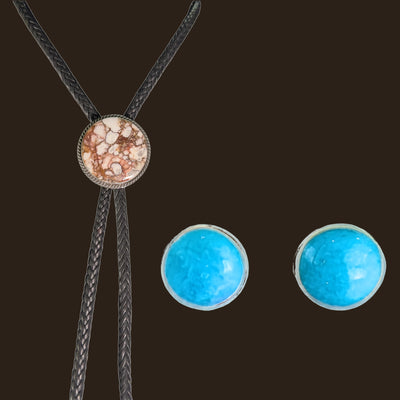
The King's Manassa mine in Colorado is celebrated for its rich, mossy greens and striking golden matrix. These stones have a warmth that contrasts beautifully with the cool tones of sterling silver. In contrast, White Buffalo is technically a dolomite rather than turquoise, but it is prized similarly for its stark white color and black or brown chert matrix. Because it is found in only one location near Tonopah, Nevada, it remains a favorite for those who love high-contrast jewelry. The character of these stones is brought to life through the expert lapidary work by Greg Cordova, whose decades of experience allow him to cut each cabochon to highlight its most interesting features. You can explore these variations in our White Buffalo stone jewelry collection.
The benefit of mine-to-market transparency
Knowing exactly which mine your stone came from is the most reliable way to ensure its authenticity. In a market flooded with generic trade turquoise, which is often a mix of stones from unknown sources, mine-specific stones stand out. We prioritize this transparency because it honors the narrative of the stone. You can learn more by reading about our mines and the specific characteristics of the areas where our material is sourced. Mine-run stones are those taken directly from a single mining operation, ensuring they haven't been blended with lower-quality material. This clarity is one of the key Turquoise Benefits we offer, as it gives you peace of mind that your jewelry is exactly what it claims to be.
What are the practical benefits of artist-made sterling silver settings?
A silver frame does more than just catch the light; it serves as a structural guardian for the stone it holds. Sterling silver is an alloy of 92.5 percent silver and 7.5 percent other metals, usually copper, which provides the strength needed to support a mineral. One of the key Turquoise Benefits of an artist-made setting is the physical protection it provides to the edges of the cabochon. Unlike mass-produced jewelry that might use thin, plated metals, our solid sterling silver settings are hypoallergenic and built to withstand the rigors of daily life. Because turquoise is a softer stone, the metal surrounding it must be substantial enough to act as a buffer against accidental impacts.
Handcrafted silver work allows for a custom fit that follows the unique, often asymmetrical contours of a hand-cut stone. In a small batch studio like Wildflower Artisans, we don't force a stone into a pre-made, factory mold. Instead, the silver is formed around the specific cabochon. This ensures there are no gaps where moisture or debris could collect, which is vital for maintaining the stone's health over time. Wildflower jewelry emphasizes this marriage of metal and mineral, creating a piece that feels like a single, cohesive object rather than a stone glued into a frame.
The security of the bezel setting
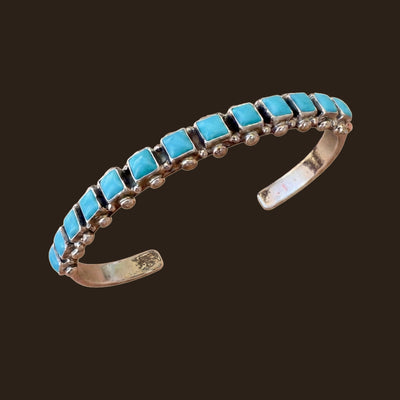
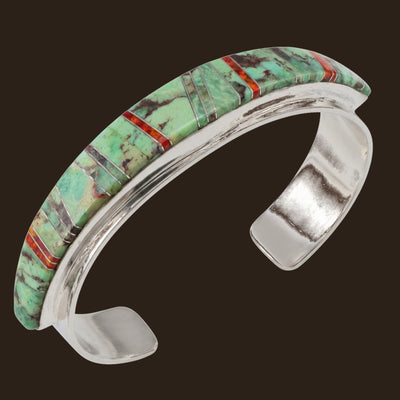
A bezel is a thin metal strip that wraps around the perimeter of a stone to hold it securely in place. We believe bezel settings are superior to prong settings for Southwestern style jewelry because they provide a continuous rim of protection. Prongs can snag on clothing or put uneven pressure on specific points of a stone, potentially leading to cracks. A well-crafted bezel distributes pressure evenly and shields the fragile edges of the cabochon from chipping. This structural integrity is a practical Turquoise Benefit that ensures your investment remains intact, especially in high-contact pieces like turquoise rings and cuffs.
Weight and balance in jewelry design
Comfort is a technical requirement, not an afterthought. Artist-made pieces are balanced to ensure they don't twist or pull uncomfortably during all-day wear. We use solid sterling silver because it has a satisfying weight that feels grounded on the body, unlike plated mystery metals that can feel flimsy or irritate the skin. This durability is why our everyday essentials are designed to be a permanent part of your jewelry rotation. A piece that is balanced correctly will sit properly on the neckline or wrist, reducing wear on the metal components over time.
Over the years, sterling silver develops a natural patina, which is a soft oxidation that settles into the recessed areas of the metalwork. This darkening adds a sense of depth and history to the piece, highlighting the artist's tool marks and the stone's matrix. It's a look that only improves with age. If you're ready to find a piece built for a lifetime of wear, you can browse our full collection of artist-made jewelry to see these settings in practice.

How to choose turquoise based on your personal style needs
Choosing turquoise based on your style requires identifying whether you prefer the traditional bright blues or the organic greens that characterize different mine sites. You should also consider your daily activity level to ensure the setting and stone cut provide the durability you need. One of the most practical Turquoise Benefits is the ability to select a stone that matches your specific aesthetic, whether that is a clean, uniform cabochon or one with a heavy, complex matrix. A matrix is the host rock that creates the dark or golden veins within the stone, and its presence can drastically change the mood of a piece from modern to rustic.
For those with an active lifestyle, we often recommend low-profile rings where the stone sits closer to the finger. This reduces the chance of the bezel catching on surfaces or the stone being subjected to unnecessary impact. Investing in one-of-a-kind pieces ensures your jewelry reflects a specific artisan's hand and the unique story of the stone rather than following mass-market trends that often rely on plastic imitations. When you choose a handcrafted piece, you are prioritizing the character of the natural material over factory-made perfection.
Matching stone color to your wardrobe
The versatility of Sleeping Beauty blue makes it an excellent choice for bright, modern outfits or crisp white shirts where you want the color to pop. In contrast, the earthy Royston greens and browns complement a neutral, grounded palette of tans, olives, and warm wood tones. We suggest looking at one-of-a-kind collections to find unique color pairings that resonate with your existing wardrobe. These stones often feature a spiderweb matrix that adds a layer of visual texture to a simple ensemble.
Building a collection with intention
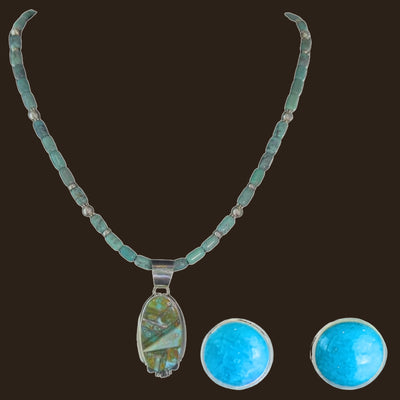
A thoughtful collection often begins with versatile, everyday pieces like small studs or simple pendants that can be worn regardless of the occasion. As you understand your preferences better, you can transition into bolder statement pieces like wide cuffs or bolo ties that showcase a larger cabochon. One of the Turquoise Benefits of building slowly is the ability to curate stones from different mines, creating a diverse geological map within your jewelry box. We encourage using a turquoise buying guide to help you identify which mine origins and lapidary styles best fit your long-term collection goals.
Finding a piece of the high desert to call your own
Investing in genuine jewelry is about more than just aesthetics. It's a commitment to preserving the heritage of Southwestern style and supporting the intentional work of a small batch studio. By prioritizing stones from specific locations like King's Manassa or Sleeping Beauty, you ensure your collection holds both historical and artisanal value. Understanding these Turquoise Benefits allows you to look past mass-produced imitations and find a cabochon that truly speaks to your journey. A well-crafted bezel setting and solid sterling silver frame will protect your stone, allowing it to develop a unique patina as you wear it through the years.
We invite you to explore our latest small-batch turquoise jewelry at Wildflower to find a piece that resonates with your personal style. Each item is handcrafted in our Santa Fe studio with guaranteed authentic stones from named mines, ensuring you never have to worry about mystery metals or fake stones. You can also find a curated selection of our Southwestern artisan pieces on Etsy for additional buyer protections. We look forward to helping you find a piece that reflects the organic beauty of the natural world.
Frequently Asked Questions
What are the main benefits of buying authentic turquoise instead of imitation stones?
Authentic stones possess a structural depth and unique matrix patterns that plastic imitations simply cannot replicate. When you invest in genuine material, you're getting a piece of the earth that holds its value and stands up to wear. One of the primary Turquoise Benefits of choosing real stones is the assurance that your jewelry won't peel or fade over time. These pieces are built to be passed down through generations as heirloom items.
Is natural turquoise durable enough for an everyday ring?
Natural, untreated stones are durable enough for daily wear if they are set in a protective bezel and handled with care. Because turquoise sits between 5 and 6 on the Mohs scale, it's roughly as hard as window glass. While it can withstand normal use, natural stones are porous and may absorb oils from your skin. For a ring that you never plan to take off, you might consider a stabilized stone for extra resilience.
How can I tell the difference between real turquoise and dyed howlite?
Real turquoise has color that is consistent through the mineral, while dyed howlite often reveals white patches if it's chipped or scratched. You should look closely at the matrix lines of the cabochon. In fake pieces, dye often pools in these crevices, making them look unnaturally dark or saturated. Genuine stones have a varied, organic appearance that lacks the uniform, flat look of mass-produced plastic or dyed substitutes.
What is the benefit of a stabilized turquoise stone?
Stabilization involves infusing the stone's pores with clear resin to increase its hardness and lock in its original color. This process is a significant Turquoise Benefit for those who want a low-maintenance piece for a ring or cuff. It prevents the stone from absorbing skin oils or chemicals from soaps and perfumes. This ensures the bright blues or greens you fell in love with stay that way for a lifetime of wear.
Why does the mine of origin matter when buying turquoise jewelry?
The mine of origin determines the rarity and the specific geological fingerprint of your stone. Collectors often seek out stones from closed locations like the King's Manassa or Sleeping Beauty mines because the supply is finite. Each mine produces a distinct combination of color and matrix style. Knowing the origin gives you confidence in the stone's authenticity and its place in the historical narrative of Southwestern style.
Can the color of my turquoise stone change over time?
Natural stones can shift in color because they are porous and absorb substances from their environment. Over years of wear, skin oils can cause a light blue stone to take on a deeper, mossy green hue. Many people view this change as a beautiful record of the jewelry's life and history. If you prefer a stone that remains exactly the same, look for high-quality stabilized turquoise which resists this type of absorption.
What are the benefits of sterling silver settings for turquoise jewelry?
Sterling silver is an ideal partner for turquoise because it is strong enough to hold a stone securely while being gentle on sensitive skin. The metal provides a sturdy buffer against the bumps and scratches of daily life. A handcrafted bezel setting wraps around the stone's edge to prevent chipping or loss. Over time, the silver develops a soft patina that highlights the textures of the artisan's work and the stone's matrix.
Is it better to buy turquoise with or without matrix?
Neither style is objectively better; it's a matter of personal preference and the specific mine's characteristics. A stone with a complex spiderweb matrix offers a benefit of absolute uniqueness, as no two patterns are ever the same. On the other hand, a clear, high-grade blue stone provides a modern, uniform look that many collectors prize for its purity. Both styles are staples of authentic Southwestern jewelry and hold their value well.

Article by
Kimberly Cordova
Kimberly Cordova is the founder and creative director of Wildflower Artisans, a handmade Turquoise and sterling silver jewelry brand rooted in Santa Fe. She built Wildflower around a simple belief: the best jewelry is the kind you actually reach for, not the kind you save for someday.
Kimberly designs pieces made by hand with a trusted circle of Santa Fe silversmiths, works alongside her husband Greg on in-house pieces with stones he cuts, both from the family's King's Manassa Mine in Colorado and White Buffalo Mine in Nevada and from rough he sources from other mines, and curates finished work from artisan makers whose craft meets the same standard. Turquoise leads the collection, joined by White Buffalo, Wild Horse, Lapis Lazuli, Spiny Oyster, and other genuine semi-precious stones. The result is a collection with real range and no shortcuts on the stone, the silver, or the story behind either.
Her writing covers everything she has learned along the way: how Turquoise forms, how to tell natural from stabilized, what makes one mine different from another, how to read a bezel, and how to shop with confidence in a market that is not always straightforward. It is the kind of plainspoken information she wished someone had laid out for her when she was starting out.
Browse the collection at wildflowerartisans.com. Questions about a stone, a setting, or a specific piece are welcome any time.
0 comments