

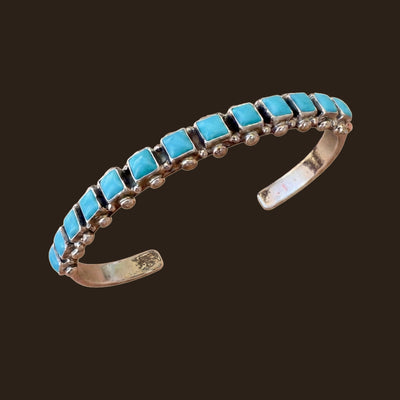
A favorite Southwestern style cuff sits on the dresser, its silver darkened by a layer of grey tarnish that obscures the vibrant blue of the hand-cut stone. Most collectors hesitate at this sight, caught between the desire for a bright shine and the fear that a harsh chemical might seep into the porous surface of the turquoise. Learning how to clean turquoise and silver jewelry requires a gentle hand and an understanding that these pieces are often designed with intentional oxidation to highlight the artisan's stamp work. We know the confusion that comes from conflicting online advice, especially when you want to protect a stone that Greg Cordova sourced from a specific mine or a design Kimberly Cordova carefully curated. Grounded care. Quietly timeless beauty.
This guide offers a studio perspective on restoring your jewelry's luster without risking the integrity of the stone. You'll learn why we avoid harsh dips like Tarn-X and instead reach for a simple Sunshine Polishing Cloth, which currently costs about $6.50 and offers a much safer alternative. We cover everything from identifying artistic patina to the proper way to handle a delicate cabochon so you can maintain your collection with total confidence. Our goal is to help you build a home care routine that honors the material and the maker.
Key Takeaways
- Understand why the porous nature of turquoise requires a dry, gentle touch to prevent permanent discoloration of the stone.
- Discover the specific studio steps for how to clean turquoise and silver jewelry using simple tools like a Sunshine Polishing Cloth to protect the bezel.
- Learn to identify intentional artistic oxidation so you don't accidentally polish away the deep contrast in Southwestern style stamp work.
- Establish an environmental control and storage routine that slows the formation of silver sulfide and keeps your collection bright.
Understanding why turquoise and sterling silver require gentle care
Turquoise is a hydrous phosphate of copper and aluminum. This specific chemical makeup is what creates the vibrant blues and greens we love, but it also means the stone is inherently fragile. When you are learning how to clean turquoise and silver jewelry, you have to remember that you're handling a porous material. It's a sponge for the world around it. Sterling silver has its own personality, reacting with sulfur in the air to create a dark layer of silver sulfide. This tarnish isn't a defect. It's a natural interaction between the metal and the atmosphere.
In our Santa Fe studio, we treat every bezel and cabochon with a specific level of respect. Handcrafted jewelry often has tiny gaps where the silver meets the stone. If you submerge a ring in a liquid cleaner, that fluid gets trapped behind the stone. It can't evaporate easily. Over time, that trapped moisture can rot the mounting or discolor the turquoise from the inside out. We focus on dry methods to keep the piece healthy for decades. Grounded care leads to lasting beauty.
To better understand these material properties, watch this helpful video on professional care techniques:
The porous nature of natural turquoise stones
There is a major difference between the natural, untreated stones Greg Cordova cuts and the mass-produced stabilized varieties found in most shops. Natural turquoise hasn't been impregnated with plastic resins. It remains breathable and open to the environment. Understanding Turquoise Properties is essential because these stones can absorb oils from your skin, perfumes, or even the minerals in tap water. If a stone absorbs enough foreign material, its color will shift permanently. A sky-blue stone might become a muddy green because of the chemicals in a common household cleaner. This is why we never suggest soaking your one of a kind turquoise pieces.
Why sterling silver tarnishes over time
Sterling silver is an alloy, usually 92.5 percent silver and 7.5 percent copper. The copper is what makes the metal strong enough for daily wear, but it's also what makes it reactive. Sulfur is the main culprit. It's found in the air, in certain foods, and even in the tissue paper used for gift wrapping. When sulfur meets silver, a chemical reaction occurs on the surface. It's purely cosmetic. Kimberly Cordova often utilizes this reaction in her designs, using a controlled patina to make the silver's texture pop. However, everyday items like hairspray, lotion, and high humidity will accelerate tarnish until the silver looks dull or black. Regular, gentle maintenance prevents this buildup from becoming difficult to remove.
Essential tools for cleaning handcrafted jewelry at home
Maintaining a collection doesn't require a professional studio setup. The most effective kit is often the simplest. When you're considering how to clean turquoise and silver jewelry, your primary goal is to remove surface oils and tarnish without disturbing the stone's seat in the bezel. We always prioritize dry cleaning methods over wet ones. This approach protects the matrix of the stone from absorbing unwanted moisture.
Avoid chemical 'dips' at all costs. These solutions are indiscriminate. They strip away the silver sulfide from the high points of the silver, but they also bleach out the intentional oxidation Kimberly Cordova uses to give her designs depth. A single dip can turn a richly textured Southwestern style piece into a flat, unnaturally white object that loses its soul. Preservation is always better than a total strip.
Safe materials for delicate silver work
A yellow Sunshine Polishing Cloth is our studio's first choice. These cloths are impregnated with a fine polishing compound and currently cost about $6.50 each. They allow for precision. You can polish the silver right up to the edge of the cabochon without touching the turquoise itself. For intricate stamp work, use a very soft, natural-bristle brush. We suggest a goat hair brush or even a very soft baby toothbrush. Avoid the stiff nylon brushes often found in grocery stores. Stiff bristles can actually create micro-scratches on both the silver and the stone surface.
What to avoid to protect the stone
The biggest risk to your jewelry often comes from high-tech tools. Ultrasonic cleaners are common in many jewelry shops, but they're dangerous for turquoise. The high-frequency vibrations can cause micro-fractures in the stone's matrix, eventually leading to a clean break. For a deeper look at professional standards, the GIA's turquoise guide confirms that heat and vibration are the enemies of these gems. Steam cleaners are equally problematic. The intense heat can cause the stone to expand or loosen the jeweler's epoxy used to secure the cabochon in its bezel.
Skip the household 'hacks' like toothpaste or baking soda. Toothpaste contains silica, which is far too abrasive for sterling silver. It will leave a hazy finish that requires professional buffing to fix. If you find your piece needs more than a simple polish, you can find more detailed advice on our jewelry care and repair page to help you decide when it's time for an expert's touch. Grounded care keeps your collection bright for a lifetime.
Step-by-step instructions for cleaning your turquoise pieces
Before you begin the physical process of how to clean turquoise and silver jewelry, find a workspace with excellent lighting. A desk lamp or a bright window helps you see into the tiny crevices where dust and tarnish hide. Your first step is always a structural assessment. Gently press on the stone with your thumb to ensure it isn't loose within its bezel. If the cabochon wiggles, skip the cleaning and head to a professional. Cleaning a loose stone can accidentally push moisture or debris into the setting, which makes a future repair more difficult.
We recommend starting with the least invasive method possible. You want to preserve the character of the piece while removing the dullness. If you're working with a one of a kind turquoise ring, remember that the stone's surface is relatively soft. It sits at a 5 to 6 on the Mohs scale. Aggressive scrubbing isn't just unnecessary; it's potentially damaging. Patience is your most valuable tool in the studio. Consistent, gentle care is the secret to a collection that looks beautiful for decades.
Removing light surface dust and oils
The best way to maintain your collection is to wipe each piece with a dry microfiber cloth after every wear. This simple habit removes skin oils and perfumes before they have a chance to react with the metal or penetrate the stone. If you notice a stubborn film of lotion or oil, you can use a slightly damp cloth. Ensure it's not dripping wet. According to the GIA's turquoise guide, avoiding chemicals and excessive water is the surest way to prevent permanent color changes in natural stones. Once you've wiped the piece, dry it immediately with a fresh, soft towel. Leaving it to air dry can cause unsightly water spots on the silver.
Addressing stubborn tarnish on silver bezels
When light wiping isn't enough, it's time for a dedicated silver polishing cloth. We use these in the studio to bring back the luster on Kimberly Cordova's curated designs without stripping the deep, dark patina in the recessed areas. Apply firm, steady pressure to the smooth silver surfaces. Try to avoid rubbing the turquoise stone directly with the treated cloth, as the polishing compound can sometimes leave a dull residue on the cabochon. For those hard-to-reach spots around the base of a bezel or inside stamp work, wrap a small section of the cloth around a wooden toothpick. This allows for surgical precision. You'll see the cloth turn black as it lifts the silver sulfide. This is a sign it's working. Finish by buffing the entire piece with a clean, untreated section of the cloth to ensure no residue remains.

Managing tarnish versus intentional artistic oxidation
In our studio, we often see jewelry that has been scrubbed until it loses its character. It's vital to understand the difference between accidental tarnish and intentional artistic oxidation. Many Southwestern style pieces rely on a dark, matte finish in the recessed areas to create a sense of depth. This contrast is what makes the spiderweb matrix of a Kingman stone or the intricate lines of a hand-cut bezel stand out. If you're wondering how to clean turquoise and silver jewelry without ruining this look, you have to be selective with your polishing. Cleaning too aggressively can strip away the soul of the piece.
Artisans frequently use liver of sulfur to achieve this darkened effect. It's a controlled chemical reaction that mimics centuries of aging in a matter of minutes. When you remove this shadow, the silver can look flat and mass-produced. We want to preserve the shadows that highlight the artisan's stamp work. Grounded care respects the maker's intent. It's about finding the balance between a bright shine and a deep history.
Recognizing the beauty of a natural patina
Silver naturally mellows. Over years of wear, it develops a soft, glowing grey hue that many collectors prefer over a mirror-like shine. This natural patina tells the story of the piece's life with you. It's a record of every mile traveled and every season changed. For many, this aged look is just as important as the mine origin Greg Cordova documents for our stones. A high-shine polish can sometimes feel sterile, while a grounded patina feels authentic and lived-in. Quietly timeless beauty often comes from letting the metal age gracefully.
Protecting the recessed details of artisan designs
To maintain the artisan's vision, only polish the high points of the silver work. Kimberly Cordova curates these designs specifically to highlight the play between light and shadow. Hold your polishing cloth flat against your finger and glide it across the surface. This prevents the cloth from dipping into the grooves where the dark oxidation lives. Intentional oxidation is a deliberate design choice by the artisan to enhance the visual texture of the silver. By leaving these shadows alone, you keep the piece looking handcrafted. If you're looking for a new piece to start its journey with you, explore our latest one of a kind turquoise jewelry.
Long-term storage and professional maintenance for your collection
The most efficient way to manage tarnish is to prevent it from settling in the first place. While we've discussed how to clean turquoise and silver jewelry at home, the best way to extend the time between those sessions is careful storage. Silver sulfide thrives in stagnant, humid air. By controlling the environment where your collection rests, you significantly reduce the chemical reactions that dull the metal and potentially affect the stone's hue. Grounded storage is the foundation of long-term preservation.
Storing jewelry to prevent environmental damage
Small, airtight plastic bags are surprisingly effective for protecting small batch jewelry. We suggest placing each piece in its own bag with an anti-tarnish strip. This prevents the silver from reacting with sulfur in the air and ensures that a hard silver edge doesn't scratch a softer turquoise cabochon. Bathrooms are the worst place for your collection. The constant cycle of steam and humidity can penetrate the matrix of natural stones and accelerate tarnish on the sterling silver. Keep your jewelry box in a dry, temperature-controlled area to maintain that quietly timeless luster Kimberly Cordova curates for our studio.
Knowing when to seek professional studio repair
Sometimes, a simple polish isn't enough to restore a piece. You should inspect your jewelry every few months for signs of structural wear. If you hear a stone rattle when you gently shake a ring, the bezel has likely stretched or taken a hit. A loose setting is a leading cause of lost stones. Cracked stones or deep silver gouges require specialized tools that go beyond a home cleaning kit. Greg Cordova, who manages our mine relationships and lapidary work at Cutting Edge Turquoise, handles the precision cutting and stone resets that keep these pieces secure.
If you notice a stone looks dull even after a light wipe, it may have absorbed oils that require a professional surface buff. Never try to glue a loose stone back into a bezel yourself. Modern adhesives can damage the back of a natural stone and make it impossible for a jeweler to perform a proper repair later. For more complex issues or to schedule a professional inspection, you can visit the Wildflower care and repair page for specialized assistance. Professional maintenance ensures your artisan-made pieces remain as vibrant as the day they left the studio.
Preserving the narrative of your collection
Stewardship is the final step in the artistic process. When you understand how to clean turquoise and silver jewelry using the gentle methods we've discussed, you aren't just removing tarnish. You're protecting a piece of the high desert. By choosing soft polishing cloths and avoiding the harsh vibrations of ultrasonic cleaners, you honor the structural integrity of the stone and the intentional shadows of the silver work. These small habits keep your collection vibrant for decades. Consistency is the key to longevity.
If you're looking to add a new chapter to your collection, we invite you to explore our studio's work. Every piece features hand-cut stones sourced or cut by Greg Cordova and artisan designs curated by Kimberly Cordova. We use only guaranteed authentic materials in every small batch release. Browse our latest collection of handcrafted turquoise and sterling silver jewelry at Wildflower. For those who prefer to shop through Etsy, you can also find our pieces and read customer reviews at the Wildflower Etsy shop. Wear your jewelry often and with confidence. It's designed to age as gracefully as the landscape that inspired it.
Common questions about jewelry maintenance
Can I use dish soap to clean my turquoise jewelry?
You should avoid using standard dish soap on natural stones. Many household soaps contain degreasers and harsh chemicals that can penetrate the porous matrix of a cabochon. This absorption often leads to a permanent shift in the stone's color. If you have a significant buildup of skin oils, use only a very mild, fragrance-free soap and a damp cloth rather than submerging the piece in a solution.
Is it safe to use an ultrasonic cleaner for silver and turquoise?
It is never safe to use an ultrasonic cleaner for these materials. The high-frequency vibrations can cause micro-fractures in the stone, leading to a clean break over time. The heat and chemical solutions used in these machines will also strip away the intentional oxidation that Kimberly Cordova uses to define the textures in her Southwestern style designs. Dry methods are always the studio standard.
How do I clean my silver without touching the turquoise stone?
Precision is the best way to handle how to clean turquoise and silver jewelry without risking the stone's luster. Wrap a small section of a treated polishing cloth around a wooden toothpick or a cotton swab. This allows you to buff the silver right up to the edge of the bezel while keeping the polishing compounds away from the face of the stone. It's a slow process that ensures the safety of the entire piece.
Why did my turquoise stone change color after cleaning?
Turquoise is a hydrous phosphate, which means it's naturally inclined to absorb liquids. If a stone changes from a bright blue to a dull green after cleaning, it has likely soaked up soaps, oils, or even minerals from tap water. This change is usually internal and permanent. This is why our studio emphasizes using dry microfiber cloths for daily maintenance rather than wet "hacks" found online.
What is the best cloth for polishing sterling silver?
A professional-grade Sunshine Polishing Cloth is the most effective tool for home care. These cloths are impregnated with a non-scratching micro-abrasive that removes silver sulfide without the need for liquid pastes. They currently cost about $6.50 for a single cloth and can be used until they are completely black. They give you total control over which parts of the silver you brighten and which parts you leave dark.
How often should I clean my handcrafted jewelry?
You should give your pieces a light wipe with a dry microfiber cloth after every wear. This simple habit removes skin salts and perfumes before they can react with the metal. A deeper polish with a treated cloth is typically only necessary every 90 to 120 days. Over-cleaning can be just as damaging as neglect, as it can wear down the fine details of the silver stamp work.
Can I use baking soda to remove tarnish from my silver?
You should not use baking soda on your jewelry. While it's a popular DIY suggestion, baking soda is an abrasive that creates micro-scratches on sterling silver. These scratches actually provide more surface area for sulfur to cling to, which causes the jewelry to tarnish faster in the future. It can also permanently dull the surface of a hand-cut stone, requiring a professional lapidary to restore the shine.
What should I do if my turquoise stone is loose in the silver setting?
Stop wearing the jewelry immediately if you feel the stone move or hear it rattle. A loose stone will eventually wear down the silver bezel, making it more likely to fall out and be lost. This is a structural issue that requires a professional studio repair. Greg Cordova can often tighten the bezel or reset the stone to ensure it stays secure for years of future wear.

Article by
Kimberly Cordova
Kimberly Cordova is the founder and creative director of Wildflower, a handmade Turquoise and sterling silver jewelry brand based in Santa Fe. She built Wildflower around a simple belief: the best jewelry is the kind you actually reach for, not the kind you save for someday.
Kimberly designs pieces made by hand with a trusted circle of Santa Fe silversmiths, works alongside her husband Greg on in-house lapidary pieces cut from stones including the family's King's Manassa Mine in Colorado and White Buffalo Mine in Nevada, and sources finished work from artisan makers whose craft meets the same standard. The result is a collection with real range and no shortcuts on the stone, the silver, or the story behind either.
Her writing covers everything she has learned along the way: how Turquoise forms, how to tell natural from stabilized, what makes one mine different from another, how to read a bezel, and how to shop with confidence in a market that is not always straightforward. It is the kind of plainspoken information she wished someone had laid out for her when she was starting out.
Shop the Wildflower collection at wildflowerartisans.com, or find us on Etsy at wildflowersantafe.etsy.com. Questions about a stone, a setting, or a specific piece are welcome any time.

0 comments