

The weight of a hand-cut turquoise cabochon resting in a hand-stamped sterling silver bezel carries a quiet, grounded gravity that mass-produced pieces from a factory mold can never quite achieve. You've likely felt that familiar sense of hesitation when browsing for native american jewelry, wondering if the stone's deep, saturated blue is a genuine gift from the earth or merely a piece of dyed howlite or plastic.
At Wildflower Artisans, we understand that frustration. We believe that choosing a piece of jewelry should feel like a thoughtful conversation in a quiet studio, rooted in an appreciation for the visible hand of the maker and the unique story within every stone. This guide will provide the practical confidence you need to identify authentic Southwestern style by exploring the nuances of stone matrix, defining technical lapidary terms like stabilized, and highlighting the hallmarks of a truly handcrafted, small batch piece that will last a lifetime.
Key Takeaways
- Define the foundation of Southwestern style through the intentional marriage of heavy sterling silver and genuine, earth-mined stones.
- Learn to identify the unique character of natural turquoise by observing the matrix and host rock patterns within a hand-cut cabochon.
- Gain the technical confidence to distinguish artist-made native american jewelry from mass-produced imitations by examining structural details like the hand-burnished bezel.
- Discover how to select small batch pieces that function as everyday essentials while maintaining a deep connection to the artist and the origin of the materials.
What defines authentic Southwestern style jewelry?
Southwestern style is an aesthetic deeply rooted in the high desert, prioritizing the marriage of heavy sterling silver and genuine earth-mined stones. This tradition focuses on the integrity of raw materials and the visible hand of the maker. Unlike the uniform look of factory-produced items, defines authentic Southwestern style jewelry as a craft where no two items are truly identical. Small batch production allows for the organic nature of the stone to guide the design, resulting in pieces that feel grounded and personal.
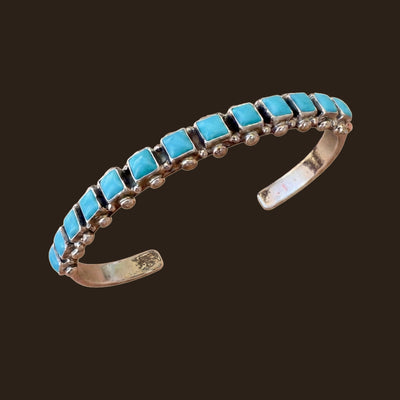
A cabochon is a stone that has been shaped and polished into a smooth, rounded surface rather than being faceted like a diamond. This technique highlights the natural color and matrix of the turquoise. The matrix is the host rock that appears as a web-like or blotchy pattern within the stone. Handcrafted native american jewelry often features these smooth stones set into a silver bezel, which is a thin band of metal that wraps around the edge of the stone to hold it securely. These traditional techniques, including hand-sawing silver and hand-setting stones, are the hallmarks of genuine artisan work.
To better understand how these elements come together in a finished piece, watch this helpful video:
The importance of sterling silver quality
Sterling silver is an alloy containing 92.5 percent silver and 7.5 percent other metals, usually copper, to provide durability. We stay away from mystery metals and plated jewelry because they don't stand the test of time. High-quality collections deserve the weight and character of genuine silver. When you hold an artisan-made piece, the silver feels cool and substantial. Mass-produced alternatives often use hollow construction or thin plating that wears away, revealing base metals underneath. Choosing sterling silver ensures your jewelry remains a lasting part of your personal narrative rather than a temporary accessory.
The role of the individual artist
Every piece tells a story of the person who designed and built it in a studio setting. You can find markers of authenticity in the "human touch," like the slight asymmetries in a hand-stamped border or the way a bezel is burnished around a unique, hand-cut stone. These details prove a piece was not stamped out by a machine. At Wildflower, we believe learning about the studio origin is essential to understanding the value of the work. Hand-sawing silver and hand-setting stones require a level of patience and skill that honors the heritage of the craft. This human connection transforms a simple accessory into a meaningful piece of native american jewelry that carries a sense of place and history.
How to identify the character of natural turquoise stones
Natural turquoise is stone that has not been treated with dyes or chemicals to alter its color or hardness. It represents the stone in its most honest form. Shaped by the earth. Polished by hand. For those seeking authentic native american jewelry, identifying these natural markers is the first step in avoiding plastic or composite imitations. The matrix is the host rock that appears as a web-like or blotchy pattern within the turquoise stone. These inclusions are not flaws. They are signatures. Spiderweb patterns occur when the matrix is thin and delicate, creating a look similar to a lace web. This intricate patterning often increases the visual interest of a cabochon, making it a centerpiece of Southwestern style.
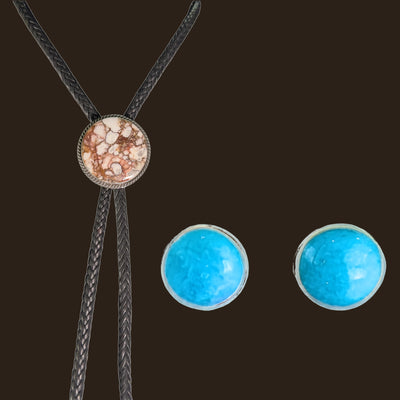
We often work with stones from historic locations. The deep, forest greens of King’s Manassa or the stark, monochrome beauty of White Buffalo provide a level of character that mass-market jewelry cannot replicate. Learning to read these patterns is the best way to determine if a piece is genuine or mass-produced. When you are ready to see how these natural stones look in finished sterling silver settings, you can explore our shop to see our latest work.
Lapidary work and the hand-cut stone
Lapidary is the art of cutting and polishing stones, a skill that requires years of patience and observation. It is a slow, meditative process. Greg Cordova brings this focus to every stone he cuts, particularly those from the Manassa and White Buffalo mines. By hand-cutting each stone, he ensures the matrix is displayed to its best advantage. You can explore the technical side of this work at Cutting Edge Turquoise, which serves as a resource for high-grade, artist-cut stones.
Understanding mine-specific colors
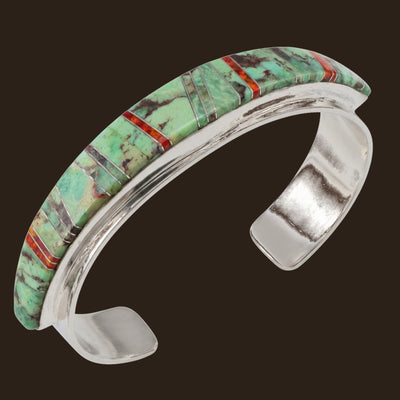
Different mines produce distinct palettes, from the deep greens of Manassa to the sky blues of Sleeping Beauty. Color variation is a sign of authenticity rather than a defect. Since turquoise is a phosphate of copper and aluminum, the presence of iron often shifts the color toward green, while more copper results in blue. A single mine can produce a range of hues depending on the mineral content of the surrounding rock. If you are interested in the specific geological history of these mines, our turquoise buying guide covers these nuances in detail. This variety ensures that your chosen piece of native american jewelry remains as unique as the landscape it came from.
Is your jewelry genuine or mass-produced?
You can distinguish genuine Southwestern jewelry from mass-produced imitations by examining the structural details of the silver and the physical properties of the stone. Authentic pieces feature a hand-burnished bezel and stones with non-repeating, organic patterns that feel cool to the touch.
A bezel is the silver band that wraps around the edge of a stone to hold it securely in place. In the world of high-volume fashion jewelry, stones are often simply glued into pre-cast settings, which is a shortcut that lacks longevity. An artisan piece relies on a hand-burnished bezel. This is where the maker uses a tool to physically push the sterling silver over the edge of the cabochon to create a permanent, structural bond. When you look closely, you'll see the slight, intentional marks of this process rather than the perfectly smooth, machine-stamped edge found on a factory line. These subtle details are the signatures of real native american jewelry.
The stone itself offers honest clues about its origin. Authentic turquoise should feel cool when you first pick it up, and it possesses a varied, non-repeating matrix that reflects its natural growth. It's also vital to understand the difference between stabilized and imitation materials. Stabilized turquoise is genuine stone that's been treated with a clear resin to improve its durability for everyday wear. This is a standard and respected practice for many mines. However, dyed howlite or magnesite are entirely different minerals that have been chemically altered to mimic the look of native american jewelry. They lack the depth and geological history of the real thing.
The red flags of fake jewelry
Be wary of mystery metals that feel suspiciously light or lack a clear .925 stamp. These are often base metals with a thin silver wash that will eventually wear away. Another common imitation is "block turquoise," which is a mixture of plastic resins and dye poured into a mold. You can spot these by looking for spiderweb patterns that appear too perfect or repeat across different pieces. Nature doesn't work in symmetries. If the web looks like a printed graphic, it likely is. Genuine stones have an asymmetrical, rambling beauty that a machine cannot simulate.
The value of one-of-a-kind pieces
Mass-produced items are made in the thousands, stripped of the soul that comes from a working studio. In contrast, artisan pieces are often one-of-a-kind or created in very small batches. Buying from a studio ensures your investment supports a real person and a heritage craft. Quality jewelry is an heirloom. It can be polished and repaired for decades, growing more beautiful as the silver develops a natural patina over time. This longevity is a hallmark of authentic Southwestern style that stays with you for a lifetime.
Selecting jewelry that reflects your personal narrative
Choosing a piece of jewelry is a meditative process that should focus on what resonates with your own sense of style. It is about more than just aesthetics. It is about connection. In our working studio, we follow a stone-first philosophy. This means the unique shape, height, and color of the turquoise cabochon dictate the final design of the silver work. When a maker allows the stone to lead, the resulting piece feels more like a collaboration with nature than a manufactured product. These pieces serve as grounded reminders of the natural world, providing a sense of quietude even when you are in a busy urban environment. The weight of the sterling silver against your skin acts as a physical anchor to the present moment.
Styling for the modern woman
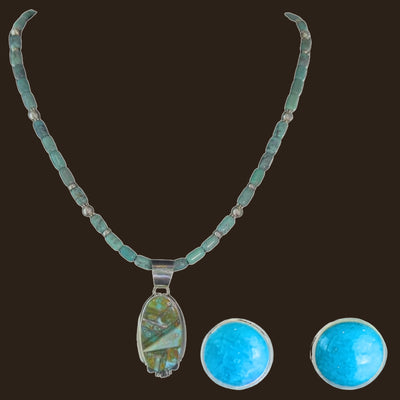
Authentic native american jewelry is designed to be lived in. It should feel comfortable and versatile, fitting into your modern wardrobe without feeling like a costume. For a clean and sophisticated look, pair a bold cuff bracelet with a simple linen shirt or a structured blazer. You can also layer smaller pendants to create a textured, lived-in feel that changes with the seasons. We view sterling silver and turquoise as versatile neutrals. They complement almost any color palette, from earthy tones to crisp whites, making them ideal for everyday wear. Because these materials are born from the earth, they possess an inherent harmony with the organic textures of wool, silk, and cotton.
Gifting with intention
When you are buying for others, look for stones that match their specific personality. You might choose the stark, monochrome calm of White Buffalo for someone with a refined, minimalist style. Alternatively, the vibrant energy of a high-grade Kingman stone might suit someone with a bold and bright spirit. Because every piece is made in small batches by an artist, it carries a level of intentionality that mass-produced items lack. It carries the energy of the maker's hands and the hours spent at the bench. If you are looking for curated suggestions based on specific style preferences, our gift guide provides a helpful starting point for your search.
Finding a piece that mirrors your own story or the story of a loved one is a rewarding experience. If you are ready to discover a one-of-a-kind design that speaks to your journey, you can explore our current collection of handcrafted native american jewelry.

The Wildflower approach to small batch jewelry
Wildflower operates as a working studio where the focus remains on the integrity of the materials and the heritage of the craft. The air in our studio often carries the scent of burnished silver and stone dust, a physical reminder of the labor involved in every piece we create. We prioritize plainspoken honesty when discussing our native american jewelry, never using marketing fluff to hide the reality of the hand-built process. Kimberly curates every stone with a refined eye, ensuring that each cabochon meets a high standard for both visual character and structural quality. Greg Cordova provides the technical foundation for our studio, drawing on his expert lapidary work and deep knowledge of the mines to prepare stones that honor their earth-mined origins. This partnership allows us to maintain a steady, deliberate pace that prioritizes fine details over mass production.
A commitment to authenticity
Every stone that enters our studio is vetted to ensure it is exactly what it claims to be. We have a strict policy against using dyed howlite, plastic resins, or mystery metals in our work. This commitment to truth ensures that when you invest in a piece of native american jewelry from our collection, you are receiving genuine materials that will last. Our curated selection ranges from comfortable everyday essentials to intricate, one-of-a-kind statement designs. We find that the most compelling beauty is often found in the asymmetrical and the organic. Much like a wildflower in the high desert, a stone's value lies in its unique imperfections and the story told by its matrix. We appreciate the rambling, natural growth of the stone, allowing those details to remain center stage in our work.
Connecting with the studio
We invite you to explore our collection as a discovery of the organic world and the artisan's skill. While we remain deeply rooted in the traditions of the Southwest, we are proud to serve a national audience of collectors who value authenticity. Our work is guided by a stone-first philosophy, which is the practice of letting the raw turquoise dictate the final silver design. This approach ensures that the sterling silver serves to highlight, rather than overshadow, the beauty of the earth-mined stone. By maintaining this connection to the raw material, we create pieces that feel like a thoughtful conversation between the maker and the wearer. This process is meditative and slow, mirroring the natural rhythms of the seasons.
If you're ready to find a piece that resonates with your personal narrative, you can browse our latest handcrafted designs at wildflowerartisans.com.
Embracing the artistry of the Southwest
Understanding the nuances of a hand-cut cabochon and the structural integrity of a hand-burnished bezel allows you to move beyond the world of mass-produced imitations. When you choose a piece rooted in the Southwestern tradition, you're investing in a narrative that honors the earth and the artist's steady hand. This connection to genuine materials ensures that your collection remains an honest reflection of your personal style. When searching for authentic native american jewelry, the details in the matrix and the weight of the sterling silver tell the true story of its origin.
Explore our latest small batch arrivals at Wildflower where every piece is artist-made in our Santa Fe studio using genuine King’s Manassa or White Buffalo turquoise and guaranteed nickel-free sterling silver, or visit our Etsy shop for additional buyer protections. We look forward to helping you find a stone that speaks to your own sense of wonder.
Frequently Asked Questions
How can I tell if my turquoise jewelry is real or fake?
You can identify real turquoise by its temperature and the irregularity of its matrix. Authentic stones feel cool to the touch and have non-repeating patterns. Fakes like dyed howlite or plastic block turquoise often feel warm or look too symmetrical. Check the bezel; handcrafted native american jewelry should show signs of hand-burnishing rather than just glue. Real stones possess a grounded, organic weight that plastic imitations cannot replicate.
What does the term sterling silver actually mean?
Sterling silver is a high-quality metal alloy containing 92.5 percent pure silver and 7.5 percent other metals, usually copper. This specific blend provides the durability needed for jewelry that lasts a lifetime. Pure silver is too soft for daily wear. Look for the .925 stamp as a hallmark of quality. Avoid silver plated items, as the thin layer eventually wears off to reveal base metals underneath.
Is it okay to wear turquoise jewelry every day?
Yes, you can wear turquoise every day if you take simple precautions to protect the stone's porous surface. It's best to put your jewelry on after applying perfumes or lotions, as chemicals can alter the stone's color over time. Turquoise is a relatively soft stone, so it's wise to remove it during heavy manual labor or swimming. Many collectors find that daily wear helps the silver develop a beautiful, natural patina.
What is the difference between natural and stabilized turquoise?
Natural turquoise is untreated stone exactly as it came from the earth, while stabilized turquoise has been treated with clear resin to increase its hardness. Stabilization is a common and accepted practice that prevents the stone from absorbing oils or breaking easily. Natural stones are rarer because only a small percentage of mined turquoise is hard enough to be cut without treatment. Both are genuine stones, unlike composite or dyed imitations.
How do I clean and care for my artisan-made silver pieces?
You should clean your silver pieces using a soft polishing cloth rather than harsh liquid cleaners or ultrasonic machines. Chemicals and intense vibrations can damage the porous turquoise stone or strip away the intentional oxidation used to highlight silver details. A gentle wipe after wearing removes skin oils. Store your pieces in a cool, dry place to slow down the natural tarnishing process and preserve the finish.
Why does the color of turquoise vary so much between different mines?
The color of turquoise is determined by the specific mineral content of the host rock where it formed. Higher copper content results in the classic sky blue shades, while the presence of iron or aluminum creates the deep greens found in stones from the King's Manassa mine. Every mine has a unique geological fingerprint. This variety is one of the most rewarding aspects of collecting native american jewelry and appreciating the earth's diversity.
What should I look for in a high-quality turquoise ring?
Look for a secure, hand-burnished bezel and a stone that is properly seated without any visible gaps. A high-quality ring should feel substantial and balanced on the finger. Examine the silver work for smooth edges and intentional stamping. The cabochon should be polished to a soft luster without any visible cracks. A well-made piece shows the visible hand of the artist in its deliberate and sturdy construction.
Can turquoise jewelry be repaired if the stone comes loose?
Most artisan-made jewelry can be repaired by a skilled jeweler if the stone becomes loose or the silver is damaged. Because these pieces are built from solid sterling silver rather than plated base metals, they are designed for longevity. A jeweler can often tighten the bezel or reset the cabochon to ensure it stays secure. Taking care of repairs early prevents the loss of the stone and preserves the piece for decades.

Article by
Kimberly Cordova
Kimberly Cordova is the founder and creative director of Wildflower Artisans, a handmade Turquoise and sterling silver jewelry brand rooted in Santa Fe. She built Wildflower around a simple belief: the best jewelry is the kind you actually reach for, not the kind you save for someday.
Kimberly designs pieces made by hand with a trusted circle of Santa Fe silversmiths, works alongside her husband Greg on in-house pieces with stones he cuts, both from the family's King's Manassa Mine in Colorado and White Buffalo Mine in Nevada and from rough he sources from other mines, and curates finished work from artisan makers whose craft meets the same standard. Turquoise leads the collection, joined by White Buffalo, Wild Horse, Lapis Lazuli, Spiny Oyster, and other genuine semi-precious stones. The result is a collection with real range and no shortcuts on the stone, the silver, or the story behind either.
Her writing covers everything she has learned along the way: how Turquoise forms, how to tell natural from stabilized, what makes one mine different from another, how to read a bezel, and how to shop with confidence in a market that is not always straightforward. It is the kind of plainspoken information she wished someone had laid out for her when she was starting out.
Browse the collection at wildflowerartisans.com. Questions about a stone, a setting, or a specific piece are welcome any time.
0 comments