The Naja Symbol: A Soulful Guide to the Crescent of Protection
What if the silver crescent resting against your heart wasn't just a pendant, but a centuries-old whisper of protection that traveled across oceans? The naja is more than a simple shape; it’s a legacy of movement and resilience. You've likely felt the pull of its elegant curve while browsing modern shops, yet found yourself wondering if the piece in your hand holds a true story or just a hollow reflection of a sacred past. It's frustrating to seek a soulful connection only to be met with mass-produced imitations that lack historical weight.
We believe every adornment should be a vessel for emotion. In this guide, you'll discover the evocative history of this icon, tracing its path from Moorish Spain in the 1300s to its adoption by Navajo silversmiths in the late 1800s. We'll show you how to distinguish the intentional, tactile quality of artist-made silver from the coldness of factory molds. Together, we'll explore the deep symbolism and artisanal nuances that make this crescent a cornerstone of authentic, heirloom jewelry.
Key Takeaways
- Explore the spiritual grounding and ancient protective energy held within the iconic crescent form.
- Trace the evocative journey of this symbol from the horizons of Moorish Spain to the heart of traditional silversmithing.
- Learn to recognize the technical mastery and intentional stone selection required to forge an authentic, heavy-gauge sterling silver naja.
- Discover how to weave this artisanal masterpiece into your personal narrative, whether as a singular statement or a full squash blossom.
- Gain the insight needed to distinguish genuine, artist-made silver from mass-produced imitations to ensure your collection remains truly authentic.
The Naja Symbol: An Evocative Journey of Meaning and Protection
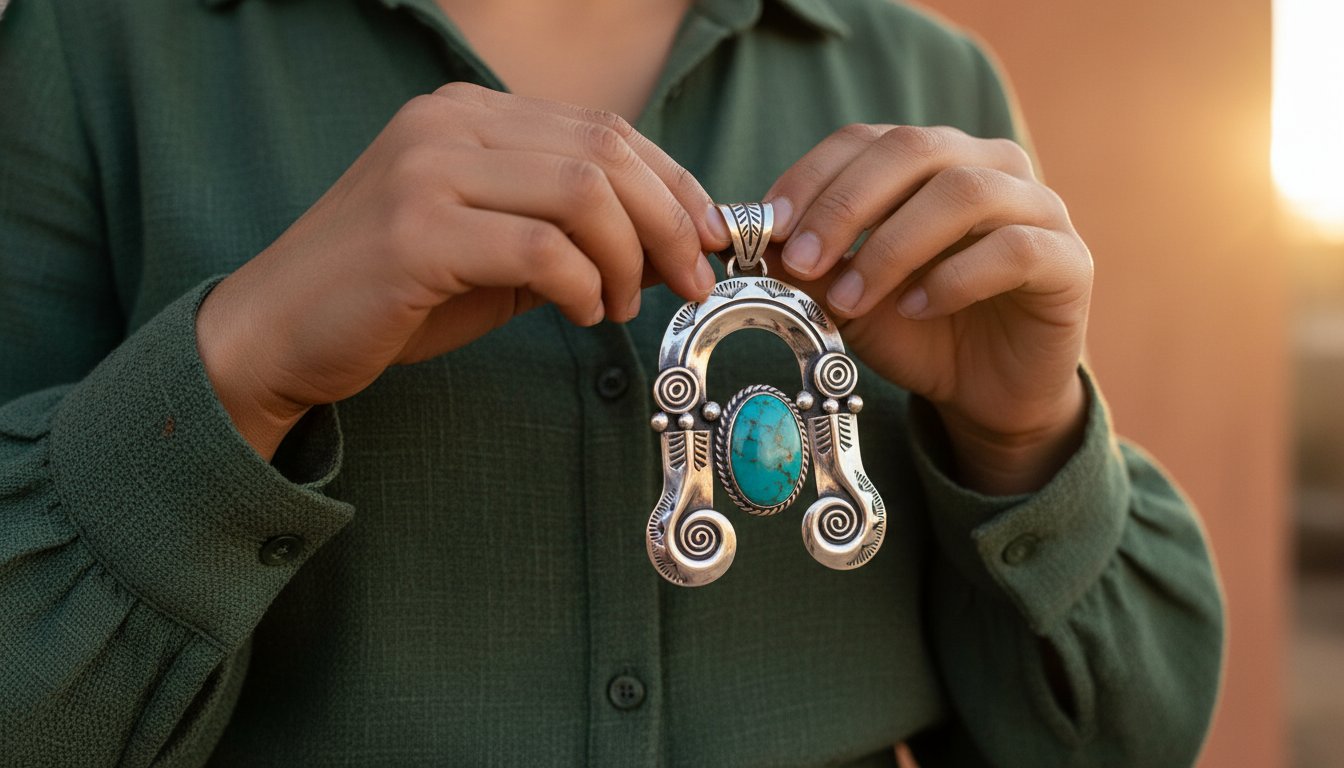
The naja is a silver heartbeat that carries the resonance of ancient paths. This iconic inverted crescent serves as the soulful centerpiece of traditional silversmithing, most notably within the intricate architecture of the squash blossom necklace. For many, the first encounter with this shape is purely visual. The eye is drawn to the symmetry and the soft, reflective surface of the metal. However, this symbol is far more than a decorative element. It's a grounded sanctuary for the wearer. This form emerged into prominence within Native American jewelry during the mid-19th century, specifically around 1850, when Navajo artisans adapted the design from the silver ornaments on Spanish horse bridles. It's a piece that demands a slower pace. It asks us to appreciate the intentional marks of the artisan's hammer and the stories etched into the grain.
To better understand the deep spiritual roots behind these designs, watch this helpful video:
The Symbolic Language of the Crescent
Interpretations of the naja often bloom from the concept of the womb and the sacred cycles of fertility. It's a celebration of life's unfolding. Many traditional designs feature small, stylized "hands" at the tips of the crescent. These aren't just decorative flourishes. They represent a protective embrace designed to ward off evil and keep the spirit centered. The symbol acts as a physical anchor for the soul in a world that often feels fleeting. It's wearable art that bridges the gap between the ethereal and the earthbound, offering a sense of permanence. Wildly evocative. Spiritually grounded.
The Aesthetic Allure of the Naja
There's a whimsical harmony in the inverted crescent that captures the imagination. In our artisanal world, we view the shape as a focal point for storytelling through silver. The curve feels organic, mirroring the moon's quiet descent or the soft, weighted bend of a wildflower in the rain. This aesthetic choice isn't accidental. It creates a visual movement that guides the eye toward the center of the wearer's heart. Since the first silver najas were forged in the Southwest nearly 175 years ago, the shape has remained a staple of bespoke jewelry. It offers a romantic, almost ethereal quality that transcends trends. Every curve is a choice. Every polish is a prayer for protection.
From Ancient Horizons to Artisanal Silver: The History of the Naja
The story of the naja begins where the dust of the desert meets the curve of the sky. It's a journey of movement; a tale of iron and silver that spans continents and centuries. This symbol didn't arrive as a finished piece of jewelry. It evolved. It breathed. It transformed from a functional bit of tack into a soulful emblem of protection. Every curve tells a story of survival and artistic triumph. Wildly beautiful. Intentionally designed.
The Moorish Influence and the Bridle Amulet
In Moorish Spain during the 8th century, the crescent was more than a simple shape. It was a guardian. These early designs often drew inspiration from the "Hands of Fatima," reflecting a deep desire for safety in a vast and unpredictable world. When Spanish explorers crossed the Atlantic in the 1500s, they brought these ornaments with them as part of their equestrian tradition. They were forged from iron or silver and fastened to the brow-bands of their horses. For these travelers, the crescent served as a protective ward. It was a shield against the "evil eye" for their most valuable companions. It was a functional amulet, born of a need for security on the long, arduous journeys across unknown lands.
Navajo Transformation and Cultural Heritage
By the mid-19th century, specifically between 1850 and 1880, a silversmithing boom transformed the Southwest. Navajo artisans like Atsidi Sani began to experiment with the naja, pulling it from the horse's bridle and placing it against the heart. They didn't simply copy the design; they reimagined it. It became the bespoke centerpiece of the squash blossom necklace, a curated masterpiece of silver and stone. It's essential to understand that for the Navajo, this symbol wasn't a religious icon. Instead, it was a profound display of wealth and technical mastery. It represented the ability to command metal into something lush and permanent.
- The symbol transitioned from iron horse tack to high-art silver jewelry.
- It serves as a centerpiece for the iconic squash blossom necklace.
- Its value lies in its artistry and the prestige of the wearer.
Today, the naja remains a testament to this intentional evolution. It bridges the gap between the utilitarian past and an ethereal, artistic present. To understand the materials that bring these stories to life, you might enjoy learning about our stone origins and the earth they come from. It's a celebration of nature's fleeting beauty captured in a form that lasts forever.

The Anatomy of a Masterpiece: How Artisans Forge the Naja
Creating a naja isn't a task of assembly; it's an act of quiet devotion. To hold a heavy-gauge sterling silver piece is to feel the gravity of the earth itself. An artisan begins with a vision of balance, ensuring the crescent curves with a symmetry that feels organic rather than clinical. This process demands a mastery of heat and pressure. Every hammer strike must be intentional. Every solder joint must be seamless. True silverwork breathes. It moves with the wearer, catching the light in ways that mass-produced, hollow shells never could. We use 10-gauge or 12-gauge silver to ensure a piece feels substantial, an heirloom designed to outlast the fleeting trends of the season.
We believe that mystery metals and dyed, stabilized stones have no home in a soulful studio. They lack the vibration of the real. They offer a hollow echo where there should be a resonant song. When you run your fingers across a handmade piece, you feel the subtle texture of the artisan’s journey. It's a tactile conversation between the maker and the material. Authentic. Heavy. Grounded.
Traditional Casting Techniques
Sandcasting remains a testament to the artisan's patience. The maker carves a detailed design into a mold of compressed volcanic sand, a process where the mold is often destroyed after a single pour. Tufa casting offers a different kind of magic. By using porous tufa stone, the silver takes on a unique, grainy texture that feels ancient and weathered. A single tufa mold might only survive two or three pours before the heat of the molten silver causes it to crumble. These methods are slow. They are laborious. Unlike the sterile precision of modern machines, these techniques leave behind the fingerprints of the creator. No two pieces are ever identical.
- Sandcasting: Creates a smooth, dense finish with a soft, matte glow.
- Tufa Casting: Leaves a signature "pitted" texture that mimics the desert floor.
- Hand-Fabrication: Involves sawing, soldering, and filing individual silver components.
Selecting the Stone: Authenticity in Every Setting
The value of a piece often begins deep beneath the surface. Understanding stone origins allows us to appreciate why a rare White Buffalo stone or a vibrant King’s Manassa turquoise carries such weight. We pair high-grade stones with sterling silver to ground the energy of the naja, creating a palette that honors the natural world. Whether it's the crisp black and white of a Nevada mine or the deep greens of a Colorado deposit, the stone is the heart of the crescent. Authentic turquoise is a stone that carries the landscape’s narrative, speaking of the minerals and history of the very ground from which it was pulled.
Styling the Soulful Crescent: Incorporating the Naja into Your Narrative
To wear the naja is to carry a piece of history against your skin. It's a choice rooted in intentionality, reflecting a deep appreciation for the hands that shaped the silver. You aren't just accessorizing; you're curating a personal landscape. Deciding between a singular, delicate naja pendant and a grand squash blossom necklace depends on the volume of your story. A simple pendant acts as a quiet anchor for daily life, while the full squash blossom serves as a bold, orchestral statement of heritage and presence.
Texture plays a vital role in this visual storytelling. We love the juxtaposition of cool, hand-wrought silver against the warmth of organic fabrics. Imagine the weight of the silver crescent resting on a heavy linen tunic or tucked under the collar of a soft wool cardigan. This contrast highlights the artisanal soul of the piece, making it an essential that transcends the 52 micro-seasons of modern fast fashion. It's a grounded constant in an ever-changing world.
Layering with Meaning
Creating a layered look allows you to build a protective shield that feels both personal and powerful. Try pairing a 2-inch naja pendant with shorter, 16-inch Navajo pearl strands to create a tiered effect. This balance between the bold weight of the crescent and the rhythmic repetition of the beads creates a visual harmony. It's more than a trend; it's a talisman. Wearing it close to the heart serves as a constant reminder of personal strength and the protective boundaries you set for your spirit.
Occasions for the Naja
The versatility of the crescent allows it to move seamlessly from sun-drenched morning markets to candlelit evening celebrations. There's a profound emotional weight in wearing jewelry that's been meticulously cared for over the years. These pieces carry the patina of lived experiences and the echoes of the artisans who breathed life into them. A naja naturally invites conversation, acting as a bridge between the wearer and those who recognize the depth of artisanal history. It’s a quiet invitation to share stories of craftsmanship, origin, and connection.
Discovering Your Naja: Authentic Artistry from Wildflower
At Wildflower, we believe jewelry should feel like a soft whisper from the earth. Our curated collection of sterling silver and genuine turquoise represents a bridge between ancient tradition and modern soul, reflecting the deep, rhythmic pulse of the high desert. Choosing a naja is an intimate act of storytelling. It’s about finding a silver crescent that mirrors the curve of your own journey. We seek out pieces that capture the raw, unrefined grace of the Southwest, ensuring every stone and every silver stamp carries the weight of true intention.
We understand the frustration of a marketplace often crowded with mass-produced imitations. You won’t find dyed howlite, plastic composites, or mystery metals in our studio. We reject the synthetic in favor of the soulful. Each piece is a testament to the artisan’s patience, crafted to be as enduring as the desert sky. It’s a world where the organic and the elegant coexist, creating a harmony you can feel against your skin. Every curve of the naja we offer has been shaped by hands that respect the heritage of the craft.
The Wildflower Promise
Our commitment to authenticity is unwavering. We source high-quality, genuine turquoise that retains its natural character, including the beautiful host rock matrix that tells the story of its origin. Because nature never repeats itself, each piece in our collection is entirely one-of-a-kind. When you wear our jewelry, you carry a piece of the earth that belongs to no one else. We invite you to shop the full collection of handmade designs and discover the specific talisman that speaks to your heart.
Joining the Artisan Community
Owning a piece of Wildflower jewelry is about more than aesthetics; it’s about joining a community that values the slow, the steady, and the handmade. We invite you to sign up for VIP access to be the first to see our newest arrivals. These small-batch releases often find their forever homes quickly. Each one is a celebration of the fleeting and the fine. Wildly beautiful. Intentionally designed.
The artisan’s touch is a rare gift in a fast-paced world. By choosing a piece from our collection, you support a legacy of craftsmanship that dates back to the mid-19th century silversmithing traditions of the Southwest. Every stamp in the silver is a heartbeat. Every stone is a memory. A Naja is not just jewelry; it is a legacy of the artisan’s hand.
Carry the Spirit of the Crescent
The naja is more than just a pendant; it's a bridge between ancient horizons and your personal narrative. Since the mid 19th century, this symbol has evolved from a Moorish bridle ornament into a soulful emblem of protection and grace. You've discovered how authentic silverwork requires a steady hand and a deep respect for the 100% natural stones that define Southwest artistry. We believe your jewelry should be as honest as the earth itself. Our collection features 100% handcrafted sterling silver, ensuring you never encounter mystery metals or the 0% authenticity of dyed howlite. Every piece in our studio is born from a commitment to 100% guaranteed authentic stones and artisanal integrity. When you wear a piece that's been forged with intention, you carry a piece of the desert's quiet strength with you. We invite you to explore our curated collection of artist-made Naja pendants and turquoise jewelry to find a treasure that resonates with your own wild and beautiful journey. Your story is waiting to be told through silver and stone.
Frequently Asked Questions
What does the Naja symbol represent in Native American jewelry?
The naja represents a profound symbol of protection and warding off the evil eye within the Navajo tradition. Diné silversmiths began incorporating this crescent into their artistry around 1850; it mirrors the shape of the womb and the moon's gentle phases. It's an emblem of feminine strength and a soulful shield for the wearer. We see it as a beautiful, grounded connection to the earth's nurturing spirit.
Is the Naja symbol a religious icon?
While it carries deep spiritual significance, the crescent is a protective talisman rather than a formal religious icon. Researcher Arthur Woodward documented in 1938 that the symbol served as a decorative horse ornament before becoming personal jewelry. It's a secular piece of history that bridges cultures. Its power lies in the intention of the artist who forged it and the wearer who finds peace in its curves.
How can I tell if my Naja pendant is made of authentic sterling silver?
You can identify authentic sterling silver by searching for a .925 hallmark stamped on the back of the pendant. This mark guarantees that your piece contains 92.5% pure silver and 7.5% alloy for strength. If you're unsure, a simple magnet test helps because real silver isn't magnetic. High-quality silver feels substantial and cool to the touch. It's an artisanal standard that ensures your heirloom lasts for generations.
What is the relationship between the Naja and the squash blossom necklace?
The naja serves as the soul and centerpiece of the traditional squash blossom necklace. These necklaces typically feature 12 to 20 silver beads designed to resemble the pomegranate flower or squash blossom. The crescent hangs at the bottom, acting as a visual anchor that completes the story of the piece. It's a lyrical arrangement where the silver blooms lead your eyes toward the central, protective curve.
Can men wear Naja jewelry or bolo ties with the crescent symbol?
Men have worn this symbol with pride since the 1800s, often as bold bolo ties or heavy silver pendants. Historical records show Navajo scouts and leaders wore these crescents on their bridles and clothing as a sign of status and protection. Today, it remains a versatile piece for anyone who appreciates artisanal craftsmanship. It's a timeless expression of strength that transcends gender, fitting perfectly into a curated, soulful wardrobe.
How do I clean and care for a turquoise Naja pendant?
Clean your turquoise pendant by gently wiping it with a dry, soft microfiber cloth to remove oils. You shouldn't use steam cleaners or harsh chemicals because turquoise is a porous stone with a Mohs hardness of 5 to 6. Water can seep into the pores and change the stone's color over time. Treat your jewelry like a delicate wildflower. Store it in a cool, dry place away from direct sunlight to preserve its lush, sky-blue hue.
Why are some Najas shaped differently than others?
Variations in shape occur because each silversmith brings a bespoke, personal vision to their work. Zuni artisans often create pieces with 3 to 15 intricate stone inlays, while Navajo designs tend to focus on heavy, sand-cast silver. Some crescents are wide and open, while others are nearly closed. These differences reflect the unique lineage of the maker. It's a beautiful, rambling evolution of a single design that honors individual creativity.
What is the history of the Naja symbol in Moorish culture?
The symbol's history traces back to 8th century Moorish culture where it was used as a horse's forehead ornament. Spanish explorers brought these crescent designs to the Americas in the 1500s. The Moors believed the shape warded off negative energy and protected their steeds. Over 500 years, this design migrated from Spanish bridles to the hands of indigenous silversmiths. It's an ethereal journey across continents, rooted in a shared human desire for safety.
Article by
Kimberly Cordova
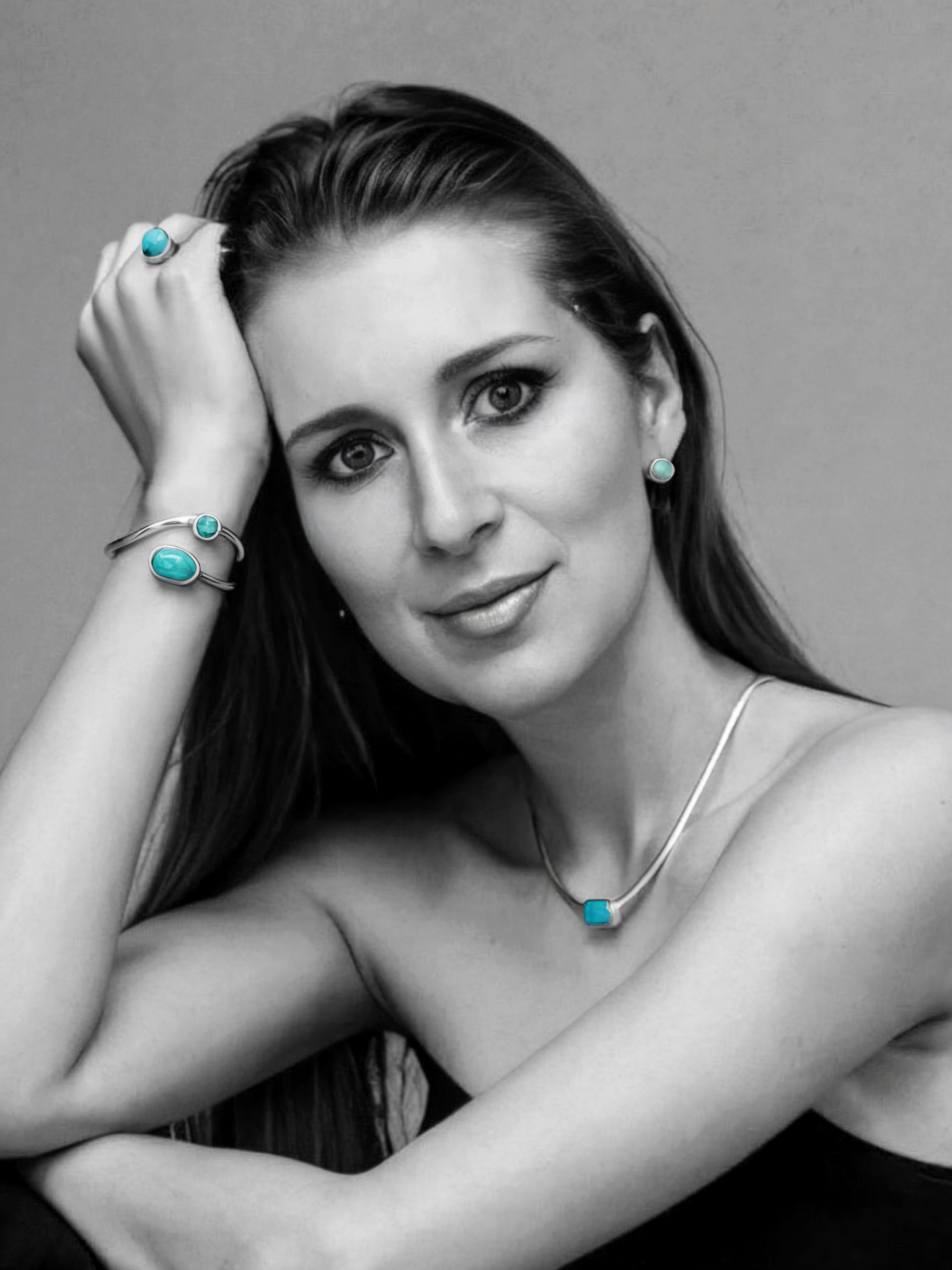
Kimberly Cordova is the founder and creative force behind Wildflower, a turquoise and artisan jewelry brand rooted in a love for bold, one-of-a-kind pieces with real character. What started as a personal obsession with turquoise and handcrafted design turned into a business built on authenticity, craftsmanship, and the belief that jewelry should tell a story. She curates and creates every collection with intention, drawn to stones and styles that feel as individual as the people who wear them. When she's not sourcing stones or styling new pieces, you'll find her writing about the stories behind the craft right here on the Wildflower Journal.
